Why Traveling Takes a Toll on Your Feet
Starting any trip with brand-new, unbent leather or unforgiving sneakers is a recipe for blisters, hot spots, and heel pain that follows you from the gate to the hotel. Breaking in shoes before departure is one of the simplest ways to protect your feet from travel fatigue, and it costs you nothing but a little patience.
Why Breaking In Works
New shoes are rigid and haven't yet molded to the natural contours of your foot. When you stand in lines or rush between terminals, that stiffness gets transferred directly to your soles, arches, and heels. A short breaking-in period softens the materials, reduces pressure points, and lets your shoes flex the way they were designed to, which matters even more on long travel days.
How to Break Them In Effectively
- Wear new shoes for 20 to 30 minutes a day at home for a few days before your trip.
- Walk on carpeted surfaces first to allow gentle flexing without rubbing against rough pavement.
- Use thick socks meant for walking to stretch the upper material while adding a little cushion.
- If you're buying shoes specifically for travel, do it several weeks out and alternate them with your regular pair.
Aim to do this for at least a week before you fly. The same principle applies to boots or dress shoes you plan to wear in the evening, since switching from sneakers to stiff loafers can undo hours of smart foot care.
Match the Shoes to Your Travel Itinerary
Different trips call for different footwear. A pair of shoes that's perfect for a city walking tour may feel wrong on a hiking trail or during a long flight. Pick shoes that suit your most active day, and if your plans involve both casual sightseeing and nicer dinners, make sure the leather or fabric upper has already broken in enough to prevent friction blisters.
Even with well-broken-in shoes, the demands of a long travel day can still catch your feet by surprise. Don't wait for pain to develop. If you notice any ongoing foot or ankle discomfort between trips, the team at advancedfootcareil.com can help you stay travel-ready. From proper footwear guidance to addressing early signs of foot fatigue, the clinics in NW Chicago and South Florida are here to keep you moving comfortably.
Break In Shoes Before You Go
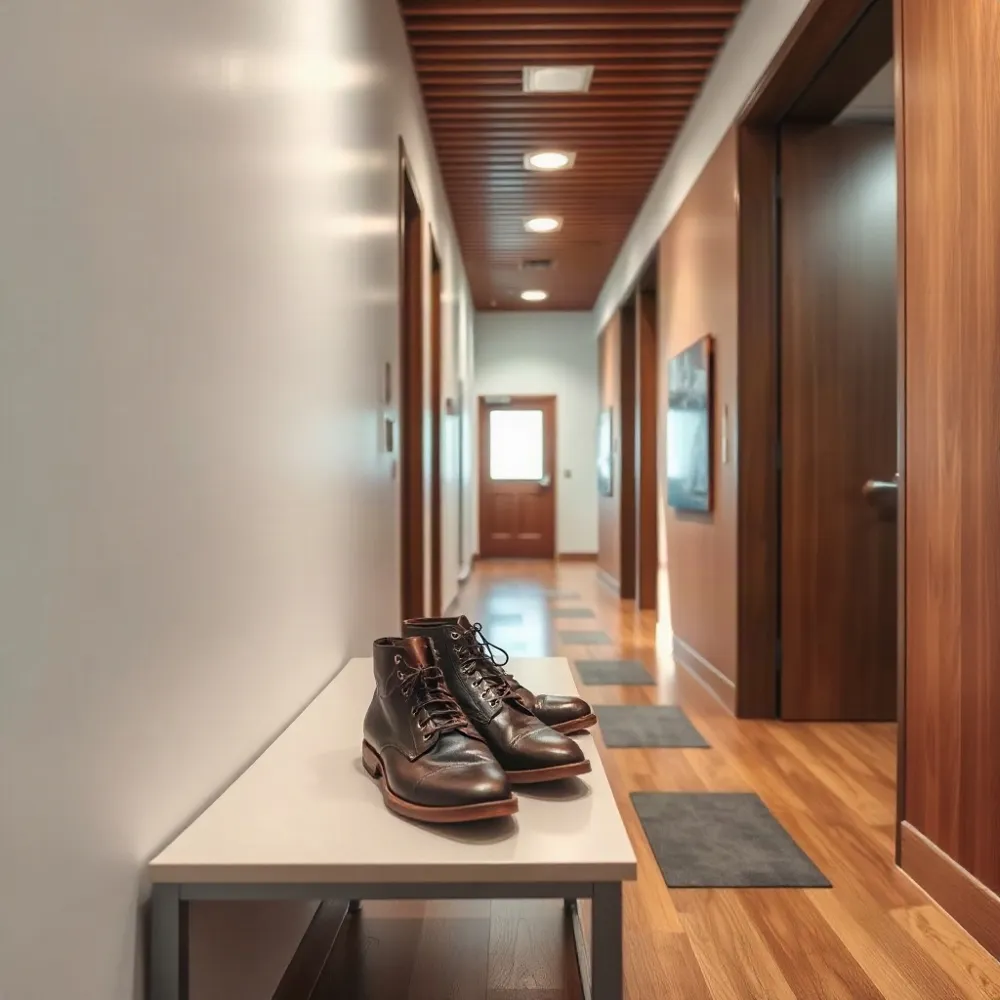 One of the fastest ways to ruin a trip is packing brand new shoes. Unworn leather, stiff soles, and rigid uppers combine unforgiving materials with sudden, all-day activity, which is exactly the recipe for blisters, chafing, and deep foot pain. New footwear needs time to soften and conform, and a travel day gives your feet zero room to adapt gradually.
The fix is simple: start well before your departure date. Begin with short daily wear sessions around the house or on quick errands to let the shoes mold to your foot’s natural shape. Then gradually increase both the distance and the walking pace over several days. This progressive approach conditions both the shoe and your foot, so by the time you board, the pair feels like an old favorite instead of a brand-new mistake.
If a trip is creeping up and a new pair feels unavoidable, accelerate the process safely. Wear thick socks around the house, use a shoe stretcher, or target stubborn pressure points with a hairdryer on low heat for a minute at a time. Just avoid soaking or forcing the material, which can damage the shoe and create new friction points. For more preparation tactics, see these travel tips to reduce foot fatigue on long days and flights, and read how to minimize foot fatigue on long days for a full preparation plan.
If you notice hot spots, redness, or any sharp foot pain forming during travel, address it immediately rather than pushing through. Early intervention with a blister bandage or a change of socks can prevent a small irritation from escalating into a trip-ending injury. And remember, travel-smart foot care isn’t just about the shoes you wear—it’s about listening to your body and giving your feet the recovery they need to keep exploring.
Choosing Supportive Footwear
The most effective way to reduce foot fatigue during travel starts before you ever reach the airport. Simple preparation steps can prevent the most common issues travelers face, from swollen ankles to sore arches.
Compression socks are among the most reliable tools for preventing in-flight swelling. Wearing knee-high compression socks can help maintain circulation by applying gentle pressure to the lower legs. While you sit, you actively reduce the pooling of blood and fluid that causes feet and ankles to swell during long flights. Travel experts recommend this as a first line of defense, especially on flights longer than four hours.
Footwear Selection
Choosing the right shoes is arguably the most critical step in preventing travel foot fatigue. Your shoes must provide both arch support and cushioning to absorb the impact of walking on hard airport floors. Supportive footwear should fit well from the first wear, with a roomy toe box and a snug heel counter to prevent rubbing and blisters. Avoid breaking in new shoes during a trip; instead, wear your chosen pair around the house for several days beforehand to ensure comfort.
Stay Hydrated and Move Regularly
Dehydration can worsen swelling, so drink plenty of water in the days leading up to and during your flight. Additionally, make a point to stand and walk the aisle every hour. Simple exercises like ankle circles and heel raises can be done even while seated, keeping the calf muscles active and promoting blood flow. In-seat exercises are a practical way to reduce stiffness and fatigue without leaving your seat. For more detailed routines, you can also review these tips for reducing foot fatigue.
| Tip | Why It Helps | Example Action |
|---|---|---|
| Compression Socks | Prevents fluid pooling in lower legs | Wear knee-high socks on flights over 4 hours |
| Supportive Shoes | Cushions feet and arches on hard surfaces | Walk 20 minutes daily in new shoes before travel |
| Hydration | Maintains tissue elasticity and reduces swelling | Drink water before and during flight |
| Movement | Stimulates calf muscles to boost circulation | Do ankle circles every hour in your seat |
Insoles and Inserts for Extra Comfort
 If you develop foot pain or an injury while traveling, it may be difficult to know what to do next. While serious injuries are possible in any destination, the most common sources of travel-related foot pain are preventable: swollen feet from prolonged sitting, achy arches from too much walking on unforgiving surfaces, and blisters from poorly fitted shoes. When a problem does flare up, taking the right steps quickly can keep a minor issue from ruining your trip.
The R.I.C.E. Method for Post-Travel Relief
For most non-emergency issues like soreness, swelling, or a mild sprain, rest, ice, compression, and elevation form the standard first-aid approach. This method is widely recommended by podiatrists and is just as effective on the road as it is at home. You can use a cold pack wrapped in a towel, or a bag of frozen peas, applied for 15 to 20 minutes at a time. Compression with a snug but not tight bandage helps control swelling, and keeping your foot elevated above heart level encourages fluid to drain away.
Anti-Inflammatory Options That Work
Combatting Swelling and Fatigue on the Go
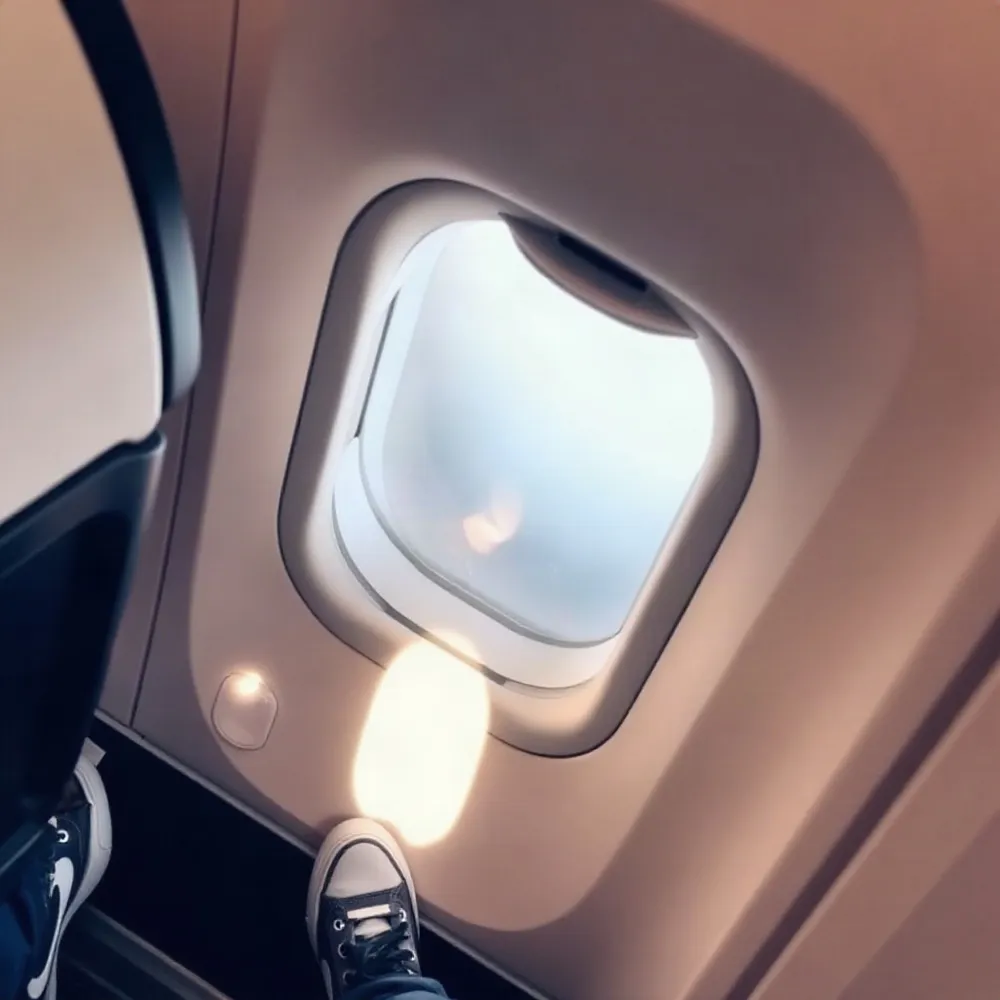 Long flights and travel days put your feet through a lot. Prolonged sitting keeps calf muscles inactive, which lets fluid pool in your lower legs and feet. The result is swelling, stiffness, and that achy, heavy feeling that can linger long after you land. The good news from a podiatry perspective is that a few simple, intentional movements can make a significant difference. By incorporating targeted exercises into your travel routine, you can actively stimulate circulation, relieve tension, and protect your comfort from curb to cockpit.
Ankle Circles: The Circulation Kick-Starter
One of the simplest yet most effective exercises for the plane is the ankle circle. This movement is designed to pump fluid away from your feet and ankles by engaging the calf muscles, which act as your body's natural pump. As noted by foot care experts at KURU, keeping these muscles active is crucial for maintaining circulation while you're seated for hours.
To perform an ankle circle, sit upright with your foot lifted slightly off the floor. Rotate your ankle in a slow, smooth circle, making sure to move through the full range of motion. Complete 10 rotations in one direction, then reverse and do 10 in the other. Repeating this for a couple of minutes each hour can noticeably reduce the feeling of stiffness and promote better blood flow down to your toes.
Toe Pumps and Calf Stretches: Pumping Out the Swelling
Another vital movement is the toe pump, also known as a heel raise. This exercise directly targets the calf muscles—the primary drivers of circulation in your lower leg. A simple guide to preventing travel-related foot pain from a podiatry clinic explains that these contractions are key to moving blood and lymph fluid out of the feet, where it tends to pool during long periods of rest.
To execute this, keep both feet flat on the floor. Press your heels down firmly as you lift your toes up and toward your knees. Hold for a few seconds, then slowly lower your heels back down, pushing the balls of your feet into the floor. This gentle up-and-down motion is an ideal way to stretch the calves and shins, and it can be done discreetly at any seat. For an added stretch, you can extend one leg straight in front of you and point and flex your toe, holding each position for a few seconds to deeply engage the muscles.
Seated Spinal Twist and Knee Lifts: Engaging the Whole Leg
While the focus is on the feet, exercises that engage the larger leg muscles also help. Seated knee lifts, where you gently raise your knee toward your chest and hold, stimulate the quadriceps and hip flexors, which helps energize the entire limb and encourages blood flow down to your ankles. Similarly, a gentle seated spinal twist, keeping your spine long, can improve overall circulation from the core outward. These movements complement foot-specific exercises to create a complete anti-fatigue routine. Podiatrists recommend staying active during travel precisely because these larger muscle contractions are what keep the return circulation moving against gravity.
Best Exercises for Long-Distance Travel
| Exercise | Target Area | How to Do It Briefly |
|---|---|---|
| Ankle Circles | Ankle joint, calf | Rotate foot slowly in circles, 10 reps each direction. |
| Toe Pumps | Calf, shin | Lift toes and press down, lifting heels for a stretch. |
| Knee Lifts | Hip, thigh | Gently bring knee toward chest, lower back down. |
| Seated Twist | Core, lower back | Sit tall, twist torso, hold for 10 seconds. |
Integrating these exercises into your travel routine is a small investment with significant payoff. As Advanced Footcare IL notes in its guide, standing, walking, and performing simple seated exercises are all part of a comprehensive strategy to minimize foot fatigue on long days. If you find that discomfort in your feet or ankles is a recurring issue during travel, it's a smart idea to consult a specialist. Exploring travel plans while prioritizing foot health can help you make trips more comfortable. For professional care and personalized advice, reach out to the experts at Advanced Footcare Illinois to keep your feet happy mile after mile.
Preparing Feet for the Long Haul
One of the simplest ways to prevent foot pain on a trip is to avoid wearing brand‑new shoes for the first time during travel. New footwear often needs a period of adjustment, and blisters or hot spots can develop within the first mile. Breaking in your shoes before you leave gives the materials time to soften and conform to your feet, which reduces the risk of painful friction during long days of walking.
Start conditioning your feet several weeks before departure. Begin by wearing the shoes you plan to bring around the house for short periods, then gradually increase the duration. Add a few longer walks or wear them on your daily errands to speed up the process. If you are planning a walking‑heavy itinerary, matching your usual shoe type to your travel activity matters: conditioning your feet with long walks before the trip makes the transition smoother on travel days.
Not all shoes need the same amount of break‑in time. A pair of leather dress shoes may require more wear sessions to become comfortable, while a well‑cushioned pair of sneakers might feel good almost immediately. If you are unsure, bring two pairs with different fits and alternate them during the day. That way, if one pair starts to bother you, you can switch and give your feet a break.
Test Your Shoes With the Socks You'll Wear
The socks you plan to wear while traveling can change how a shoe fits. A thicker pair, such as a cushioned walking sock, may be too tight in a shoe that felt fine with thin liners. Test your travel shoes with the exact socks you intend to use on the trip, and if you plan to bring compression socks for long flights, try those as well. Wearing compression socks can also reduce swelling during extended periods of sitting, but make sure they don't alter the fit of your footwear.
If your shoes feel too snug even after a break‑in period, consider having them professionally stretched or adding an insole for arch support. Many travel‑related foot problems stem from shoes that are either too small or too loose, which can lead to blisters, calluses, or even ankle instability. A well‑fitted shoe should feel comfortable from the first wear, with about a half‑inch of space between your longest toe and the end of the shoe when you stand.
Remember that breaking in shoes takes time, so don't leave it until the night before you leave. Give yourself at least two weeks of gradual wear to ensure the materials mold to your feet. If you experience persistent foot pain or develop blisters during the break‑in process, address it early. Reducing foot fatigue through proper conditioning can make the difference between a comfortable trip and one dominated by foot pain.
When to Seek Professional Help
Hours of sitting in a cramped seat, changes in cabin pressure, and long stretches without movement can leave your feet swollen, sore, and stiff before you even reach your destination. The Mayo Clinic points out that foot swelling during air travel is common and usually harmless, but that doesn't make the discomfort any easier to ignore. Understanding why your feet react this way helps you take simple, effective steps to feel better sooner.
Sitting for hours slows blood circulation in your lower legs. Blood pools in your veins, and fluid seeps into surrounding tissues, causing that familiar puffiness around your ankles and feet. Calf muscles, which normally pump blood back toward your heart, stay inactive while you're seated. Add low cabin humidity that dehydrates you and narrows blood vessels, and your feet pay the price. The good news: these effects are temporary, and targeted foot exercises can bring real relief.
Circulation. Your heart works against gravity to push blood from your feet back upward. When you sit still, vein valves have to work harder, and fluid builds up. Simple ankle pumps and calf raises activate the muscle pump that helps move blood along, which is why in-seat movement makes such a difference.
Swelling. Fluid accumulation, not fat or inflammation, causes most travel-related foot puffiness. Compression socks work by gently squeezing your lower legs, which helps veins and lymphatic vessels move fluid more efficiently. The right footwear, with a roomy toe box and arch support, also gives your feet room to expand without rubbing against stiff materials.
What you wear on your feet matters just as much as how long you sit. Tight dress shoes or inflexible sandals restrict blood flow and leave you with deep grooves and bruised feeling by hour three. The 7 Essential Tips to Reduce Foot Fatigue on Your Longest Travel Days recommend choosing comfortable, supportive footwear with good arch support and cushioning to prevent discomfort. For longer trips, the 8 Smart Travel Hacks to Minimize Foot Fatigue on Long Days suggest alternating shoes to reduce repetitive strain and wearing compression socks to improve circulation.
You don't need to be a frequent flyer to feel the effects. Even a few hours on the road or in the air can leave your feet stiff and achy. But here's the thing: you can do something about it before, during, and after your journey. Simple exercises like ankle circles, heel raises, and toe pumps, done every 30 to 60 minutes, stimulate your calf muscles and keep blood flowing. The Travel Tips to Reduce Foot Fatigue on Long Days and Flights suggest taking frequent breaks to stand, walk, and stretch your legs, and rolling a tennis ball under your foot during the flight. Staying hydrated also helps, since dehydration thickens your blood and makes it harder to circulate.
For most people, a little rest and gentle movement ease travel-related foot discomfort within a day. But if you notice persistent swelling, severe pain, numbness, or skin that doesn't bounce back when pressed, it's worth checking in with a professional. The foot care tips from the Central Arkansas Foot & Ankle Clinic remind travelers to listen to their bodies. And if you develop swelling that's one-sided or comes with warmth and redness, seek medical attention, as these could signal a blood clot.
When to See a Professional
Most travel-related foot fatigue and swelling resolve with rest, elevation, and movement. But certain warning signs warrant a podiatrist's attention. If you experience persistent heel pain, arch pain, or swelling that doesn't improve after a few days, it's smart to get checked out. Similarly, any foot problem that interferes with your daily activities or shows no signs of improvement deserves a professional evaluation. At Advanced Footcare Illinois, we specialize in diagnosing and treating conditions that travel can aggravate, from plantar fasciitis to tendonitis.
If you're planning a long trip or a long day on your feet, preparation makes all the difference. Start with shoes that fit well and offer proper support. Break them in before you travel. Pack compression socks. And move around every hour. Your feet carry you everywhere, so giving them a little extra care pays off with less pain and swelling, during your travels and after you reach your destination.
Enjoy Your Journey with Happy, Healthy Feet
Getting your feet ready before you board can make the difference between a comfortable trip and one spent limping between gates. A little advance care goes a long way toward preventing the soreness, swelling, and fatigue that often follow long journeys. Start by choosing well-fitted, supportive footwear with good arch support and a cushioned sole, as recommended in [7 Essential Tips to Reduce Foot Fatigue on Your Longest Travel Days]. If you are breaking in new shoes, do so gradually over the weeks before your departure, wearing them for short periods each day to let the materials soften and mold to your feet.
Stretch and Strengthen Your Way to Comfort
The right exercises can improve circulation and take the load off your feet during long hours of travel. Simple moves like ankle circles, heel raises, and toe pumps, mixed with calf stretches, prepare your lower legs for the demands of walking and standing. These exercises are not just for the plane; they also relieve tension after a long day of exploring. For a quick routine you can do in your seat, try the in-seat exercises and stretches outlined in the '[10 exercises you can do on an airplane]' guide, which focuses on keeping your feet and legs active during the journey.
Hydration and Circulation: A Vital Pair
Dehydration is a common trigger for foot swelling during flights, so make a point to drink water throughout your trip. Proper hydration helps your body manage fluid balance and reduces the puffiness that often accompanies travel. Paired with regular movement, staying hydrated supports healthy circulation and keeps your feet feeling lighter. The [Mayo Clinic notes that foot swelling during air travel is a common concern] and emphasizes the role of movement and hydration in managing it.
Compression Wear: A Travel Essential
Compression socks are a traveler's best friend for preventing leg and foot swelling. These socks apply gentle pressure that helps your veins move blood back toward your heart, counteracting the effects of sitting for long periods. Choose a pair with graduated compression, and wear them during the flight for noticeable relief. For more detailed guidance on how compression socks and other strategies can ease discomfort, check out these [8 Smart Travel Hacks to Minimize Foot Fatigue on Long Days].
When You Need a Custom Approach
If you have flat feet, high arches, or other structural concerns, over-the-counter cushioning may not be enough. A podiatrist can create custom orthotics tailored to your unique foot shape and stride, offering superior support for your travel adventures. At your appointment, be ready to discuss your travel habits and typical foot issues so your provider can design inserts that address your specific needs.
Don't Forget Your Toenails
Longer toenails can dig into your shoes or the toes of your bare feet during a flight, leading to discomfort or even ingrown toenails later. Trim your toenails straight across and file them smooth a few days before your trip. This simple step prepares your feet for hours of confinement in footwear and prevents painful pressure points.
The Smart Traveler's Checklist
| Action | Benefit | Example |
|---|---|---|
| Break in new shoes | Prevents blisters | Wear 1-2 hours daily for 2 weeks |
| Do foot exercises | Improves circulation | Ankle circles, heel raises |
| Stay hydrated | Reduces swelling | Water, not just coffee or soda |
| Wear compression socks | Prevents leg swelling | Graduated compression during flight |
| Trim toenails | Avoids ingrown nails | Cut straight across, file edges |
Preparing your feet before you travel is the most effective way to protect them from the rigors of the journey. By incorporating these pre-flight habits into your routine, you set the stage for a more comfortable, enjoyable trip. For more ideas on keeping your feet happy on the road, explore these [Practical Travel Tips to Reduce Foot Fatigue and Discomfort] and [Travel Tips to Reduce Foot Fatigue on Long Days and Flights].