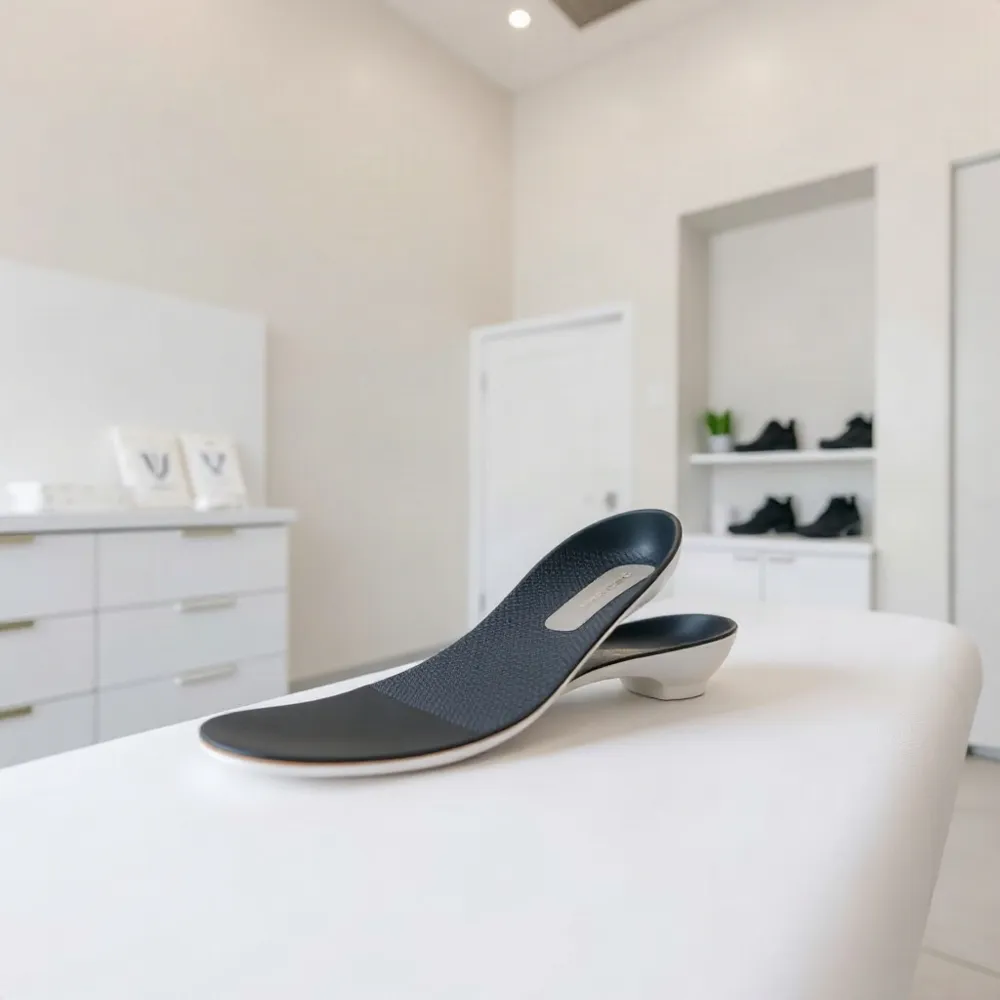
Understanding Morning Heel Pain
A sharp ache under the heel with the first steps after waking, or after sitting for a while, is a familiar pattern. It may ease as you move, then return after prolonged standing or walking. One possible cause is plantar fasciitis, irritation of the band of tissue running along the sole and supporting the arch.
That pattern alone does not confirm the diagnosis. Stress fractures, nerve irritation, Achilles tendon problems, and other conditions can also cause heel pain, so persistent or worsening symptoms deserve assessment rather than guesswork. A podiatrist at advancedfootcareil.com can evaluate the pain in context, including its location, timing, and effect on walking.
Night splints aim to hold the foot in a gentle stretch while you sleep, limiting overnight tightening that may contribute to painful first steps. But do they meaningfully ease symptoms, and are they comfortable enough to wear? Evidence is limited: a small trial found little added benefit from a splint when compared with a structured exercise program alone (clinical trial). The following sections consider what that finding means and the practical limits of splint use.
How Night Splints Aim to Help
 A night splint is a brace worn during sleep that holds the foot gently flexed, with the toes angled toward the shin. Unlike a rigid stretch, it should keep the ankle and foot in a comfortable position without forcing them.
During sleep, the foot may rest pointed downward, allowing the plantar fascia along the sole and the Achilles tendon at the back of the ankle to shorten. When you stand, these tissues lengthen quickly, which can contribute to pain with the first steps or after sitting.
The splint’s intended effect is to maintain a mild stretch overnight and limit that tightening. For some people, this may ease morning or post-rest heel pain. The Mayo Clinic’s plantar fasciitis treatment guidance includes night splints among conservative options, but they are not suitable or effective for everyone.
Evidence does not establish a dependable benefit for every patient. In a small trial of adults with chronic plantar fasciitis, adding a tension splint to a home exercise program showed little, if any, extra benefit over the exercise program alone for most outcomes (clinical trial). The findings do not rule out benefit for an individual, but they support viewing a splint as one possible part of care, not a guaranteed cure.
A splint also does not correct other contributors to strain, such as unsupportive footwear, demanding activity, or foot mechanics. At advancedfootcareil.com, podiatric care is led by an experienced surgeon and available at clinics in NW Chicago and South Florida, where a clinician can assess the cause of heel pain and consider whether a splint fits the broader treatment plan.
The fit should feel supportive rather than painful. Loosen or stop using the device and seek clinical advice if it causes numbness, skin irritation, pressure marks, or worsening discomfort.
What Clinical Evidence Shows
 Clinical evidence suggests that night splints may help some people, but it does not show that they add a reliable benefit for everyone. A small trial compared a tension night splint plus a structured home exercise programme with the same exercise programme alone in 40 adults with long-standing plantar fasciitis.
By three months, average pain had improved in both groups. The researchers found no significant difference between groups for most outcomes, suggesting the splint added little, if any, benefit beyond exercise. Average pain improved earlier in the splint group, but the differences between groups were limited, and the authors said evidence for an earlier benefit was unclear. The trial findings therefore support exercise as a useful part of care without establishing a dependable extra effect from splint use.
The findings have limits: the trial included few participants, followed them for only three months, did not blind participants to treatment, and tested one splint. It focused on people with symptoms lasting many months, so the results may not apply equally to people with newer symptoms or other devices.
A 2005 review in American Family Physician also described the evidence as limited. It noted differing results for custom-made and prefabricated splints and rated the evidence for custom splints as inconsistent or limited in quality, not definitive. The evidence review is older, so its findings should be read in that context.
These findings frame splints as one conservative option, not a proven solution or a way to prevent recurrence. A clinician at Advanced Foot & Ankle Center can assess heel pain and discuss whether a splint fits an individual care plan. For more on the trial and how splints may fit alongside exercise, see this discussion of clinical evidence for night splints.
Choosing a Splint and Wearing It Safely
 There is no single night-splint design that suits everyone. A padded posterior splint supports the calf and sole, while a dorsal model sits over the front of the ankle and top of the foot. Softer tension socks use a strap to draw the toes upward. The best fit depends on comfort, skin sensitivity, and whether you can sleep in the device.
A dorsal design leaves less material behind the heel, but may press on the top of the foot. A tension sock can feel less bulky, though its pull through the toes is not comfortable for everyone. A clinician at advancedfootcareil.com can assess your symptoms and foot mechanics as part of the clinic’s podiatry care, helping determine whether a splint is appropriate and which design may fit.
Set the splint according to its instructions. It should feel secure, with a gentle stretch, not tight or forceful. Too much pressure or an uncomfortable ankle position can worsen soreness, irritate the skin, or interfere with sleep. Loosen or stop using the device if you notice numbness, tingling, cold toes, swelling, skin irritation, increased pain, or persistent sleep disruption, and seek clinical advice.
Avoid making a splint from improvised straps or materials. A homemade device may not hold the foot safely or consistently, and pressure can injure the skin. This is especially concerning when sensation or circulation is reduced. If a clinician recommends a splint, ask about a properly fitted commercial device and have a podiatrist check its fit. The Mayo Clinic’s plantar fasciitis treatment guidance also places night splints among options chosen within an individual care plan.
A splint should not substitute for confirming the cause of heel pain. Podiatric evaluation can help distinguish plantar fasciitis from other conditions and guide device selection. For an overview of splint styles and fit considerations, see this guide to choosing a splint and wearing it safely.
Building Up to Overnight Use
A night splint can take some adjustment. If wearing it straight through the night feels uncomfortable, try it for short periods while awake, then gradually increase the time as comfort allows. Follow the device instructions and your podiatrist’s advice, since strap adjustments and recommended wear schedules can vary.
How long should you wear a night splint for plantar fasciitis? If tolerated, the supplied guidance is to aim for at least 4–6 hours a night. Several weeks of consistent use may be needed to judge whether it helps, and treatment may continue for 6–12 weeks depending on progress. These are not universal rules: a podiatrist may tailor the schedule and duration to your symptoms, the device, and your tolerance.
Most plantar-fasciitis night splints are intended for resting or sleeping, not walking. Remove the splint before standing or walking unless it is designed for weight-bearing and your clinician has approved that use.
Can you walk or sleep on your side while wearing a plantar fasciitis night splint? Side sleeping may be possible, though a bulky design can feel awkward or press against the other leg. Do not push through pain, numbness, tingling, or skin irritation. Stop using it and contact your clinician if these symptoms occur, or ask about fit and alternatives if it disrupts sleep. Remove it before getting out of bed, and follow your podiatrist’s guidance on when to reduce or stop use.
Pairing Splints With Other Care
A night splint addresses the foot’s position during sleep, but it does not replace care that supports the foot during the day. Mayo Clinic’s plantar fasciitis guidance includes stretching, supportive footwear, activity changes, and other options alongside night splints.
Gentle stretches for the plantar fascia, calf, and Achilles tendon can help maintain flexibility. Foot and ankle strengthening, physical therapy, taping, and adjustments to activities that aggravate symptoms may also be part of an individualized plan.
Supportive shoes or orthoses serve a different purpose from a night splint: they can support the arch and help redistribute pressure while standing and walking, whereas a splint maintains a stretch during sleep. Before taking your first steps, gently stretch the calf or plantar fascia; avoid walking barefoot on hard floors and reduce activities that worsen pain.
If symptoms persist, a clinician may consider other options, including anti-inflammatory care or, for selected cases, extracorporeal shockwave therapy (ESWT) or injections. These treatments are not suitable for everyone, and no single measure guarantees relief. An examination can help confirm the cause of heel pain and guide choices based on symptoms, foot mechanics, and response to care.
For an overview of related stretching, strengthening, and activity guidance, see ways to manage heel pain and plantar fasciitis.
When Heel Pain Needs Evaluation
Heel pain does not always come from plantar fasciitis. Stress fractures, nerve irritation, Achilles tendinitis, bursitis, arthritis, and irritation of the heel’s fat pad can cause similar symptoms. If the pain pattern or examination does not fit, a clinician may consider another cause; Mayo Clinic’s guidance on plantar fasciitis notes that diagnosis draws on a medical history and physical examination.
A podiatrist may ask when and where the pain occurs, what activities or work tasks affect it, and what footwear you wear. An examination can assess foot structure, calf and Achilles flexibility, walking pattern, tenderness, nerve symptoms, and any swelling or bruising. Imaging may be considered when the history or examination raises concern for another problem, such as a stress fracture, but it is not needed in every case.
Seek an evaluation for severe pain, trouble standing or walking, limping, symptoms that persist or worsen, pain after an injury or workout, swelling or bruising, numbness or tingling, or uncertainty about the cause. Persistent symptoms despite consistent self-care also warrant an individualized plan. At Advanced Foot Care, podiatric assessment can help guide care suited to the findings and the patient’s needs.
Depending on the cause, care may include guided stretching and strengthening, physical therapy, footwear changes, orthoses, splints, or activity adjustments. If symptoms continue, a foot-and-ankle specialist may discuss selected further treatments, such as shock-wave therapy or injections. Surgery is generally reserved for selected cases when nonsurgical care has not provided adequate relief; it is not a quick fix or a guaranteed result.
A Helpful Option for Some Patients
Night splints may ease painful first steps for some people with plantar fasciitis, but they are not a reliable solution for everyone. A small clinical trial found that adding a splint to a home exercise program offered little additional benefit for most outcomes compared with exercise alone, so individual results may differ. The trial findings should be considered alongside the study’s limits.
Comfort and safe fit matter: the device should provide a gentle stretch, not pressure or numbness. A podiatrist can help determine whether a splint fits the symptoms and how it might complement stretching, supportive footwear, or other care. Mayo Clinic’s treatment guidance also places night splints among several conservative options.
At advancedfootcareil.com, podiatric care is led by an experienced surgeon and includes minimally invasive treatment approaches. Persistent, worsening, or unexplained heel pain deserves professional assessment so the cause can be identified and care matched to the patient.