When Heel Pain Persists
Heel pain can make walking, working, exercising, and everyday tasks difficult. Mild discomfort may settle with rest and simple home care, but pain that persists or worsens can have several causes, including plantar fasciitis, Achilles tendon problems, or a stress fracture. Symptoms alone cannot reliably identify the cause, so avoid treating ongoing pain as a diagnosis. Cleveland Clinic’s overview of heel pain describes the range of possible causes.
At advancedfootcareil.com, a podiatry clinic led by an experienced surgeon serves patients in northwest Chicago and South Florida. This article explains common sources of heel pain, practical steps to try when symptoms are mild, and when to seek specialist assessment or prompt care. Mayo Clinic advises arranging an evaluation when heel pain lasts more than a few weeks despite home treatment, or sooner if it affects walking.
Persistent pain deserves attention because the right treatment depends on its cause. A clinician can assess symptoms and foot function before recommending a care plan.
Common Sources of Heel Pain
 Heel pain can come from several structures, so its location may offer clues but cannot confirm the cause. Two frequent sources are plantar fasciitis, which affects tissue beneath the heel, and Achilles tendinitis, which typically causes pain at the back.
Plantar fasciitis develops when repeated strain irritates the band of tissue supporting the foot’s arch. Pain is often strongest with the first steps after sleep or rest, may extend into the arch, and can ease with movement before returning after prolonged activity. Long periods of standing, a sudden increase in exercise, tight calf muscles, and flat feet or high arches may contribute.
Other possibilities include bursitis, Haglund’s deformity, bruising, stress fractures, irritation or thinning of the heel’s cushioning pad, and nerve problems. Active children may develop Sever’s disease. Pain that seems to start suddenly without an obvious injury can also reflect a problem that built gradually and only recently became noticeable.
Patterns can help describe symptoms to a clinician: pain beneath the heel may involve the plantar fascia, pain at the back may involve the Achilles tendon or nearby bursae, and burning, tingling, or shooting pain may point to nerve irritation. Weight-bearing pain can occur with a bone injury, but symptoms alone do not establish a diagnosis. A clinician can assess the foot and decide whether imaging is needed.
A heel spur seen on an X-ray does not necessarily explain the pain. Many spurs cause no symptoms, so clinicians consider surrounding soft tissue and other possible causes rather than assuming the spur is responsible, as Mayo Clinic explains. At advancedfootcareil.com, evaluation by an experienced foot and ankle surgeon can help distinguish among possible sources and guide care. Severe or worsening pain, numbness, swelling, or difficulty bearing weight warrants medical assessment.
Why Pain Can Keep Returning
Heel pain that eases and returns may reflect ongoing strain, a sudden change in activity, limited flexibility, or footwear that does not support the foot well. Plantar fasciitis is one possibility, but it is not the only explanation for symptoms that persist.
Heel-pad irritation, bursitis, nerve compression, Achilles tendon conditions, and stress fractures can also cause ongoing pain. Because these problems may feel similar, a clinical assessment can help distinguish among them and determine whether imaging is appropriate. The Cleveland Clinic’s overview of heel pain describes several possible causes and how clinicians may evaluate them.
A heel spur found on an X-ray does not automatically explain the discomfort. Mayo Clinic’s plantar fasciitis guidance notes that spurs may be present without pain, so symptoms and examination matter when identifying the cause.
When people favor a sore heel, their walking pattern can change and place extra strain on other parts of the foot, knees, hips, or back. At advancedfootcareil.com, a podiatric assessment can help identify contributing factors and guide care suited to the diagnosis, rather than assuming every recurring case is plantar fasciitis.
Home Care While Symptoms Are Mild
 When heel discomfort is mild, simple measures may reduce strain while you monitor how it responds. Temporarily cut back on activities that aggravate the pain, such as running, jumping, or prolonged standing. Comfortable low-impact movement, including swimming or cycling, may let you stay active without adding as much pressure.
For plantar heel pain, try a cloth-wrapped ice pack for 15 to 20 minutes at a time. Gentle calf and plantar-fascia stretches may also help: draw your toes toward you with a towel around the ball of the foot, or stretch your calf against a wall while keeping the back heel down. Hold without bouncing, and stop if a stretch causes sharp or worsening pain. Stretching before your first steps in the morning may be useful. Mayo Clinic's plantar fasciitis treatment guidance describes icing and stretching as conservative care.
Over-the-counter pain relievers may offer short-term relief for some people. Follow the product label, and check with a clinician or pharmacist if you have a health condition, take other medicines, or are unsure whether a medicine is appropriate.
These steps are temporary support, not a diagnosis or a substitute for care. At advancedfootcareil.com, podiatric assessment can help distinguish plantar fasciitis from other causes and guide treatment. Arrange an evaluation if pain persists, worsens, or interferes with walking, rather than continuing home care indefinitely.
For practical guidance on adjusting activity while symptoms are mild, see these home-care steps for heel pain.
Choose Supportive Footwear
Shoes can affect how much pressure reaches the heel. Look for a secure fit, cushioning, arch support, and a stable heel counter that helps hold the foot in place. These features are described in Yale Medicine’s guidance on supportive footwear, though the right shoe depends on the source of the pain.
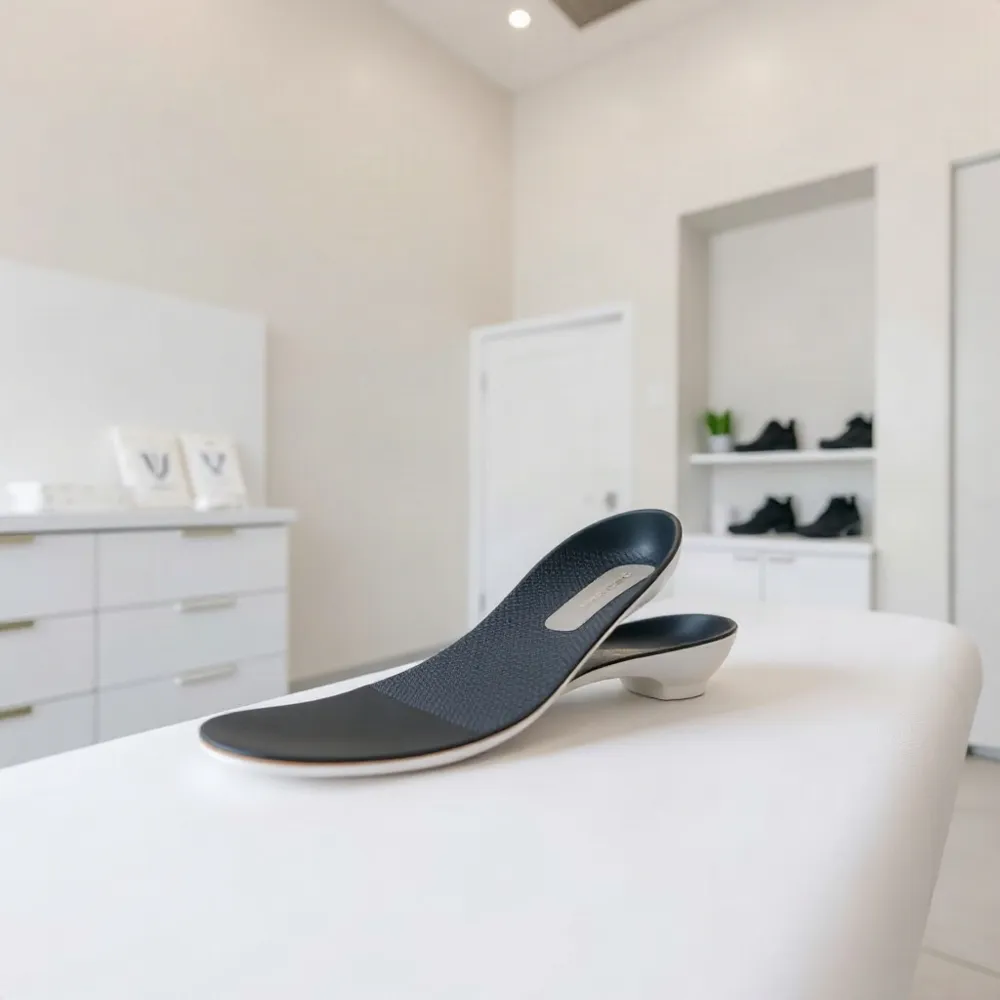
Replace shoes that have become worn or no longer support the foot. If walking barefoot on hard floors or wearing very flat, unsupportive shoes worsens symptoms, choose supportive footwear indoors as well. An over-the-counter insert or heel cushion may help some people; custom orthotics are not automatically needed for every case, as Mayo Clinic’s plantar fasciitis guidance explains.
At advancedfootcareil.com, a foot and ankle assessment can help relate footwear choices to an individual's symptoms and foot structure. If pain persists or worsens despite changing shoes, seek professional evaluation rather than continuing trial and error.
When to See a Foot Specialist
Arrange a podiatric assessment if heel pain persists after a few weeks of rest and basic care, keeps returning, worsens, or limits walking and everyday activities. These are reasons to seek an evaluation, not a diagnosis or a deadline that applies to everyone. If symptoms are not improving, avoid relying on self-treatment indefinitely. Cleveland Clinic guidance on heel pain recommends evaluation when pain does not improve after a few weeks or makes movement difficult.
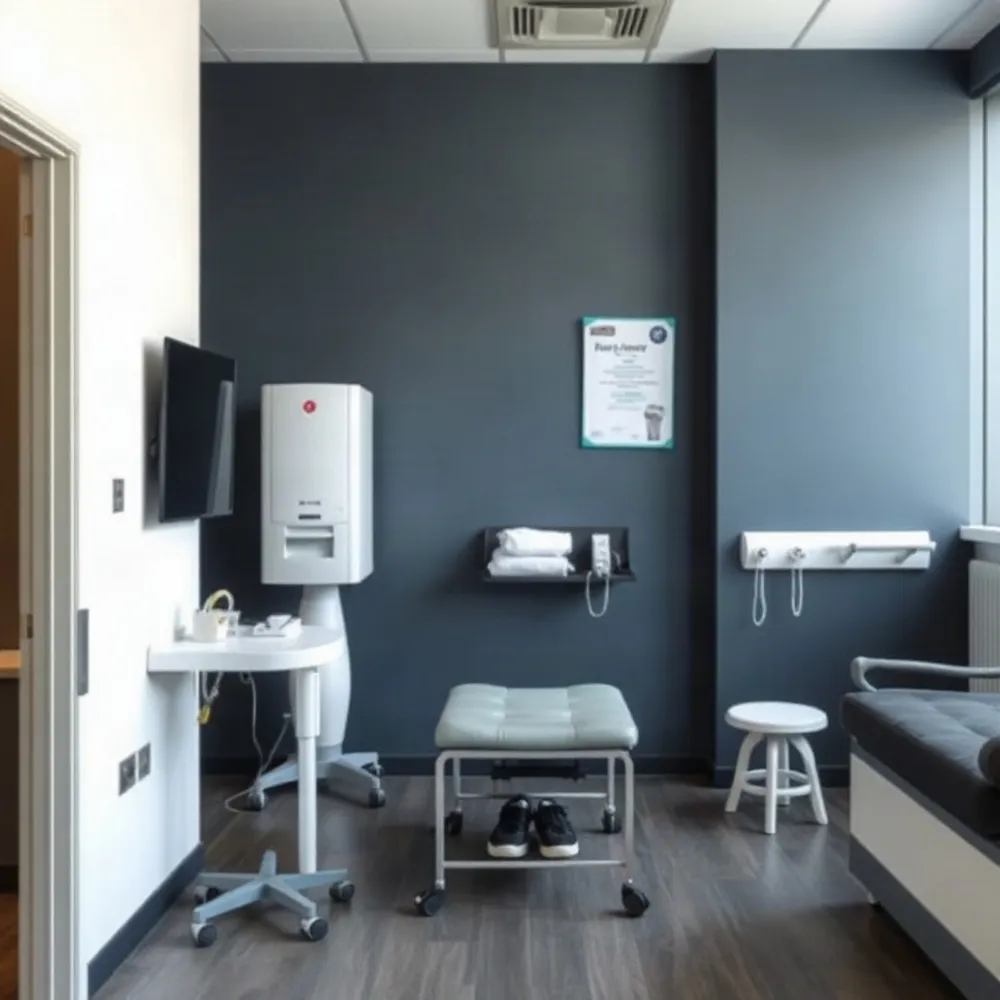
At advancedfootcareil.com, care is led by an experienced surgeon and focuses on advanced, minimally invasive foot and ankle treatments. An appointment may begin with questions about when and where the pain started, what makes it better or worse, recent activity changes, footwear, health history, and medicines. The clinician may examine tender areas, check foot movement, and observe how you stand or walk.
Imaging is chosen when it may clarify the cause, rather than used automatically. X-rays can help assess fractures or other bone problems; ultrasound or MRI may be considered when soft-tissue concerns need further assessment. Before the visit, note your symptom timeline, activities, shoes, and anything that eases or aggravates the pain. Mayo Clinic’s plantar fasciitis diagnosis guidance also recommends preparing relevant medical history and details about symptoms and activities.
Warning Signs That Need Prompt Care
Some heel pain can be assessed at a scheduled appointment, but sudden, severe pain after an injury or a popping sensation at the back of the heel calls for prompt medical advice. Seek care promptly if you cannot bear weight or walk normally, or if there is marked swelling or bruising. Mayo Clinic’s guidance on heel pain identifies these symptoms as reasons for immediate attention.
Spreading redness or warmth, fever, or an open wound may signal infection and should be assessed without delay. Numbness, tingling, pale or bluish skin, new weakness, or difficulty pushing off or pointing the foot also warrants prompt medical advice, as these changes may involve circulation, nerves, or injury.
People with diabetes or circulation problems should contact a healthcare professional promptly about a new wound or possible infection, rather than waiting to see whether it improves. For additional guidance on signs that need prompt evaluation, see warning signs that warrant a podiatrist visit.
Treatment Beyond Home Measures
 Treatment for persistent heel pain starts with identifying its cause. Depending on the diagnosis and severity, a care plan may include changing activities, stretching, physical therapy, supportive footwear, orthotics, or a night splint. These options are not interchangeable: an assessment helps determine which approach fits the problem.
At advancedfootcareil.com, care is led by an experienced foot and ankle surgeon at clinics in NW Chicago and South Florida. A clinician may also recommend temporary support, such as a walking boot, for selected severe or persistent symptoms. The Cleveland Clinic’s overview of heel pain describes nonsurgical options such as physical therapy, orthotics, and immobilization for some cases.
For chronic plantar fasciitis that has not improved with conservative care, extracorporeal shockwave therapy may be considered. It uses sound waves directed at the affected area, but the Mayo Clinic’s treatment guidance notes that consistent effectiveness has not been established. Steroid injections may offer temporary relief in selected cases, but repeated injections can weaken the plantar fascia. They are rarely recommended for tendon problems.
Surgery is uncommon for heel pain and is generally considered only when symptoms remain serious despite other treatments. The appropriate next step depends on the diagnosis, response to care, and individual needs, so treatment decisions should be made with a clinician rather than through prolonged self-treatment.
Do Not Ignore Ongoing Pain
Mild heel discomfort may respond to rest and simple home care, but persistent, worsening, or activity-limiting pain deserves professional assessment. Since heel pain can have several causes, symptoms alone may not confirm plantar fasciitis or identify the right treatment. A clinician can examine the foot and decide whether further tests are needed. Cleveland Clinic’s heel pain guidance recommends evaluation when pain does not improve after a few weeks or makes movement difficult.
At advancedfootcareil.com, an experienced surgeon provides podiatric care in NW Chicago and South Florida, including assessment to guide treatment. Seek timely advice rather than continuing measures that are not helping.