Support Is Not the Same as Reversal
Can orthotics reverse a collapsed arch? Usually, no. They can support the foot, ease symptoms, and improve alignment while worn, but they are not a reliable way to permanently restore an arch’s structure. The NHS guidance on flat feet makes the distinction clear: insoles may help with symptoms, but they do not reshape the feet.
That distinction matters because flat feet are common and often painless. A naturally low arch is not automatically a problem, and people without symptoms generally do not need treatment. At advancedfootcareil.com, a podiatry evaluation can help distinguish a lifelong foot shape from a progressive change and guide care toward the person’s symptoms and foot function.
Flat Feet and Fallen Arches
 Flat feet, also called pes planus, have a low or absent arch along the inside of the foot when standing. With flexible flat feet, an arch appears when the foot is lifted or not bearing weight, then lowers during standing. A rigid flat foot stays flat in both positions. Cleveland Clinic’s guide to flat feet explains these distinctions and notes that a clinician may assess foot position, movement, and walking pattern.
A naturally low arch may be present from childhood, but a fallen or collapsed arch describes flattening that develops after an arch has formed. In adults, this change is often linked to weakening or damage in the posterior tibial tendon, which helps support the arch, and the ligaments that stabilize the foot. Aging, injury, and other sources of strain may contribute, although the cause is not always clear.
Children commonly have flexible flat feet as their arches develop. A child who has no pain or activity limits generally needs observation rather than treatment. Persistent pain, stiffness, fatigue, trouble walking, or a foot that stays flat when rising onto tiptoe warrants an evaluation. New or worsening flattening in an adult also merits assessment, especially with pain or swelling along the inner ankle or arch.
At advancedfootcareil.com, a podiatric evaluation can help distinguish a stable, naturally low arch from a changing foot structure and guide care based on symptoms and examination findings. Flexible or rigid flat feet, and childhood or adult-onset changes, do not all call for the same approach. A foot specialist can check alignment, movement, and strength to help determine whether further care is appropriate.
Recognizing Change and Getting Evaluated
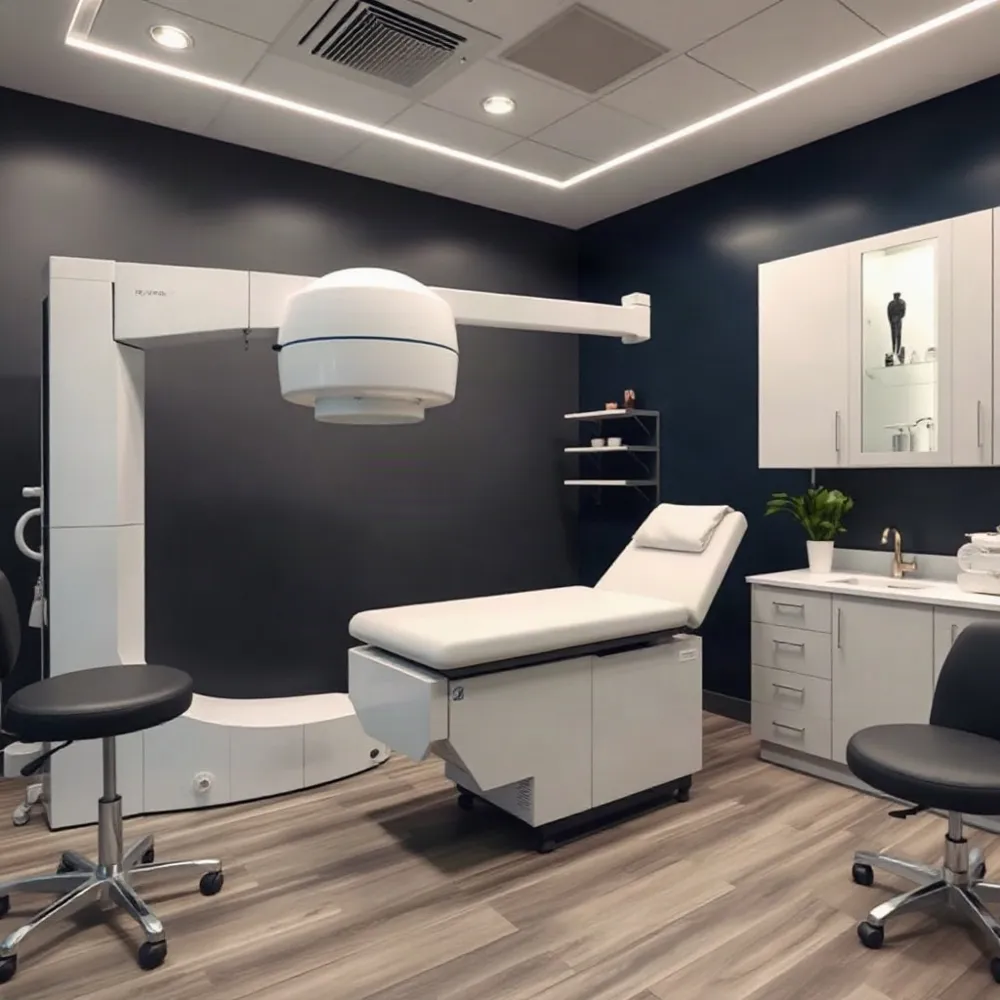 An adult-acquired arch collapse may cause pain or swelling along the inside of the foot or ankle, sometimes behind the ankle. The arch can gradually flatten, the heel may tilt outward, and the front of the foot may turn outward. Standing or walking may become harder as symptoms increase. These changes can occur with adult-acquired flatfoot, but not every naturally flat foot worsens.
In more advanced cases, the hindfoot or ankle may become stiff, and arthritis may develop. Seek assessment from a podiatrist when pain, swelling, or a change in foot shape persists, worsens, or limits daily activities. A clinical overview of adult-acquired flatfoot describes its symptoms and evaluation. At advancedfootcareil.com, a podiatry surgeon can assess foot and ankle conditions and discuss care options based on the individual findings.
Evaluation typically begins with questions about symptoms, changes in foot shape, walking difficulty, health conditions, and past injuries. The clinician examines the feet while standing and walking, checking arch height, heel alignment, tenderness or swelling along the posterior tibial tendon, flexibility, and tendon function. A heel-rise test may help assess how the tendon supports the arch.
Weight-bearing X-rays can show alignment and the extent of deformity. Ultrasound or MRI may be considered if tendon or ligament damage needs closer assessment. Staging also considers whether the foot is flexible or fixed and whether arthritis is present, rather than relying on imaging alone. The results help guide an individualized plan; they do not mean that every person with a fallen arch needs the same treatment.
What Orthotics and Exercise Can Achieve
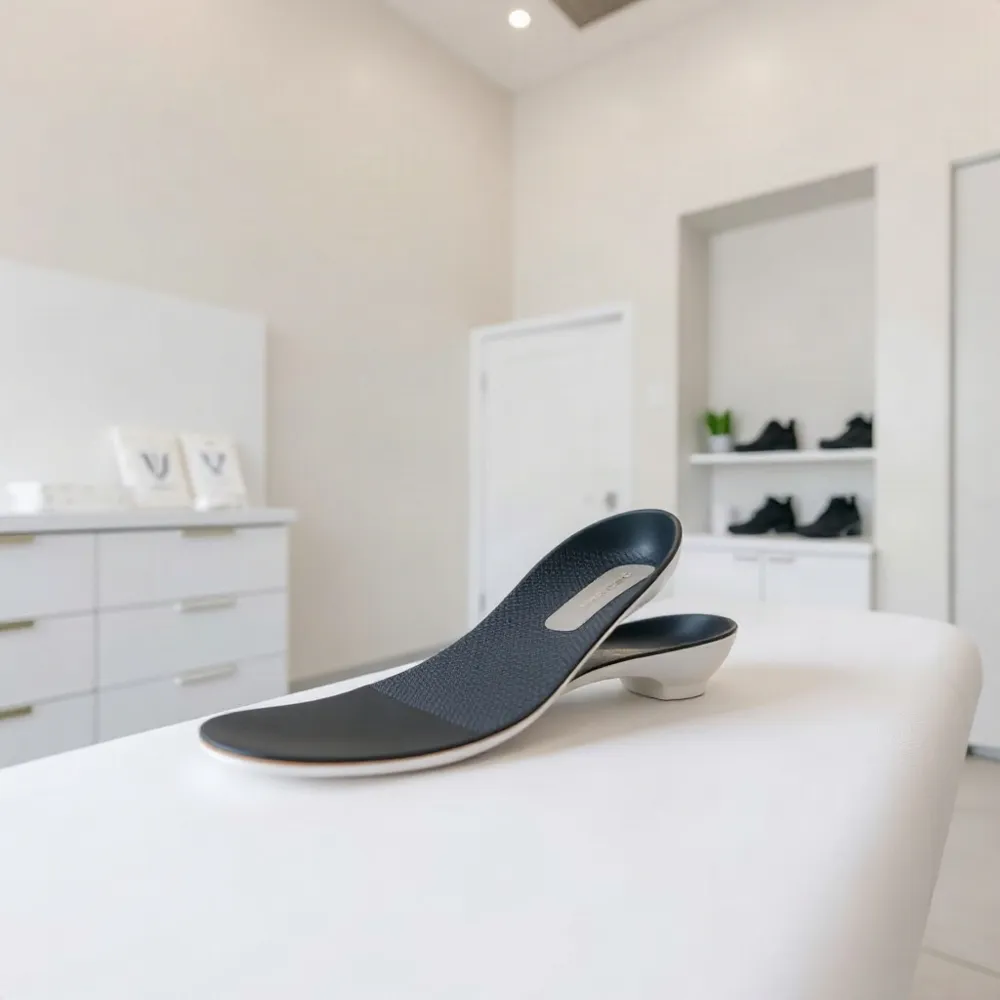
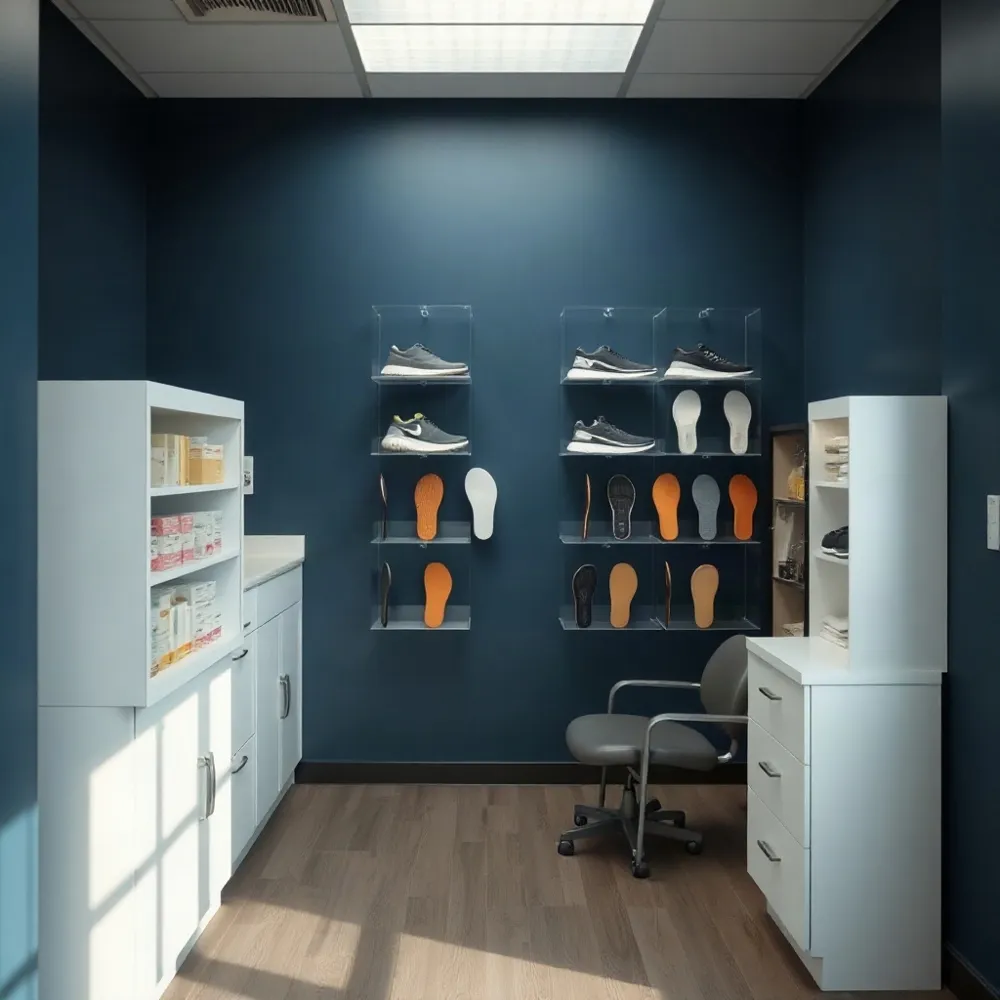 Orthotics, supportive shoes, and exercise can reduce discomfort and help the foot work more comfortably. Arch supports may redistribute pressure and support alignment while worn, but they should not be expected to permanently rebuild an established collapse. Mayo Clinic’s guidance on flatfeet makes this distinction clear.
A well-fitting shoe with a stable heel and supportive midsole can reduce strain during standing and walking. An over-the-counter insert may be enough for some people; a custom orthotic may be considered when standard inserts do not provide sufficient comfort or stability. The device should match the person’s foot mechanics and fit comfortably in their usual footwear.
Strengthening and stretching exercises, or a physical therapy plan, may improve muscle control, flexibility, and tolerance for activity. These approaches can support function, particularly when the foot remains flexible, but they do not reliably reverse structural collapse. Care at advancedfootcareil.com is led by an experienced surgeon and includes assessment of foot and ankle conditions before treatment options are considered.
The right support and exercise plan depends on symptoms, flexibility, and the cause of the change. A new or painful collapse, swelling, a rigid foot, or difficulty walking warrants evaluation by a podiatrist before beginning exercises. For adult-acquired flatfoot, orthoses and braces are used to support the foot and manage symptoms, with treatment tailored to the condition’s stage.
Choosing Care for the Foot
A naturally low arch does not automatically need treatment. If it causes no pain or difficulty with daily activities, correction may not be necessary. When symptoms or a changing foot shape are present, care depends on the cause and whether the foot remains flexible or has become rigid, as explained in Cleveland Clinic’s overview of flat feet.
Nonsurgical care may include supportive shoes, orthotics or braces, activity changes, stretching, and physical therapy. These approaches can ease symptoms and support movement, but they do not necessarily restore a normal arch. For adult-acquired flatfoot, an orthosis or brace may help manage symptoms and foot position while worn; the choice should match the deformity and the patient’s needs, as described in this guide to orthotic therapy.
If pain continues despite conservative care or the deformity progresses, a clinician may discuss surgery to address the underlying tendon, ligament, bone, or joint problem. The procedure and expected results vary. At advancedfootcareil.com, evaluation is part of a podiatry practice focused on minimally invasive foot and ankle treatments, with recommendations based on the individual foot rather than arch height alone.
The realistic goal may be less pain and better function, not a perfectly reshaped arch. A podiatrist can assess symptoms, flexibility, foot mechanics, and imaging when needed, then help set expectations for the options available.
When Surgery Enters the Discussion
Surgery may be considered when pain, deformity, or difficulty with everyday activities continues despite measures such as supportive shoes, orthotics or bracing, activity changes, and physical therapy. The decision depends on the cause and severity of the problem, whether the foot is flexible or rigid, the presence of arthritis, and the patient’s goals. At advancedfootcareil.com, evaluation is led by an experienced foot and ankle surgeon, who can discuss whether nonsurgical or surgical care fits the individual case.
For a flexible foot, an operation may combine repair or transfer of a tendon, repair of supporting ligaments, and an osteotomy, a procedure that cuts and repositions bone to improve alignment. When the deformity is rigid or arthritis affects the joints, fusion may be considered to stabilize the foot, though it reduces movement in the fused joints. The procedure is selected for the specific condition, not simply to raise the arch. The Columbia Doctors overview of fallen arches describes these approaches as options tailored to the cause and severity.
Recovery often starts with a cast or boot and a period of limited or no weight-bearing. Walking then resumes gradually, with rehabilitation to rebuild strength and mobility. The timeline varies with the procedure and the person’s healing; some recoveries take six to twelve months, but that is not a promise or a universal schedule. A surgeon should explain the expected stages before treatment.
Surgery may reduce pain and improve function, but it cannot guarantee a normal arch or a full return to previous activities. Possible risks include infection, nerve or wound problems, stiffness, persistent or recurring deformity, and further treatment. For more on how clinicians weigh the decision, see when foot surgery may be considered.
A Clear Answer About Arch Supports
Arch supports can cushion the foot, improve comfort, and help manage symptoms, but they should not be expected to permanently rebuild an established collapse. The NHS guidance on flat feet makes the same distinction: insoles may help symptoms, but do not reshape the feet.
At advancedfootcareil.com, a podiatry evaluation can help match care to the foot’s condition and cause. Seek assessment for new, worsening, or painful arch changes, since the right approach depends on the type and stage of the problem.