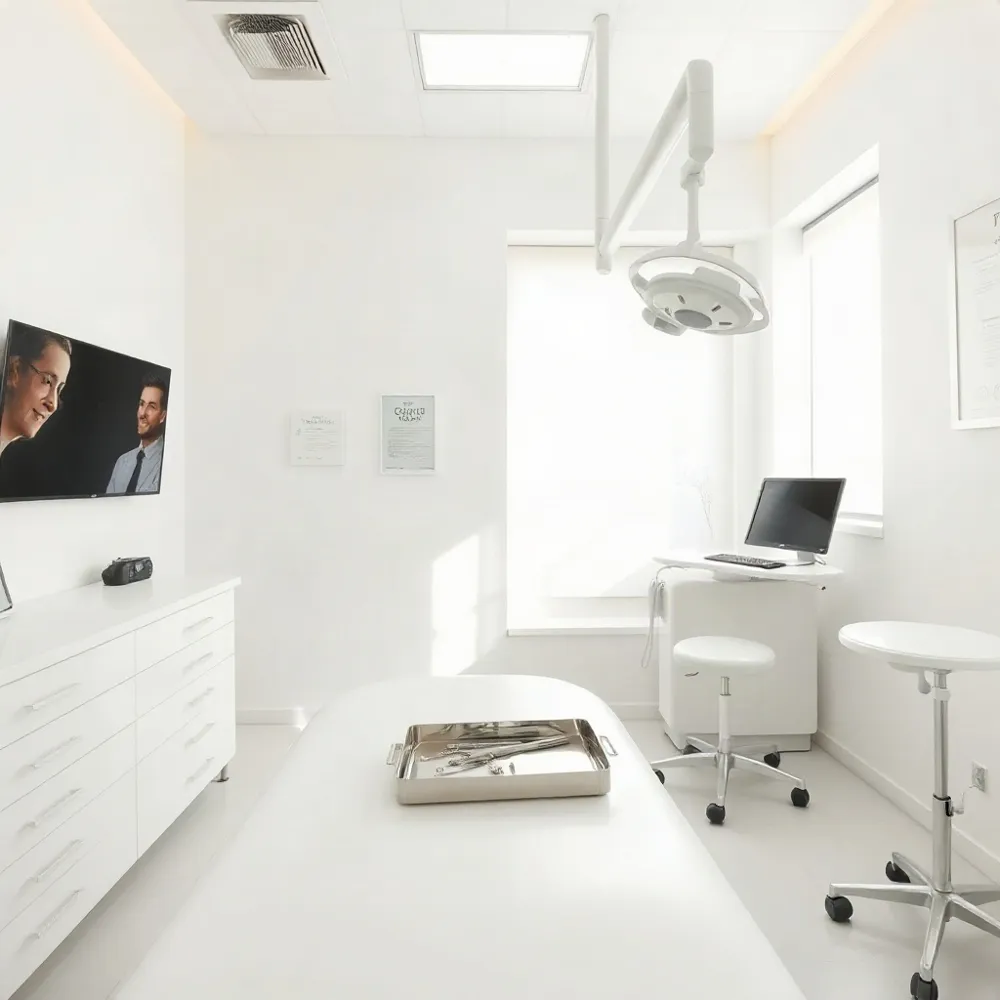
Understanding Your Path to Recovered Foot and Ankle Health
Effective foot health management begins with a precise professional diagnosis. Relying on imaging, such as X-rays or MRI scans, allows a specialist to differentiate between temporary inflammation and underlying structural damage that may necessitate surgery at Hopkins Medicine.
Most podiatric conditions follow a clear hierarchical structure. Clinical standards typically prioritize conservative interventions as the first line of defense to avoid the inherent risks of surgical procedures, such as infection or nerve damage. These non-surgical methods often include custom orthotics, physical therapy, and precisely targeted medication protocols at advancedfootcareil.com.
Patient-centered treatment plans must weigh lifestyle demands against recovery expectations. While surgery provides structural correction for severe deformities, advancedfootcareil.com offers advanced, minimally invasive options designed to minimize post-operative downtime compared to traditional open methods. This individualized approach ensures that the chosen intervention aligns with personal mobility goals and long-term joint health, reflecting the standard of care described in clinical findings.
Defining the Foundation of Conservative Podiatric Care
Conservative treatment serves as the primary standard for addressing most musculoskeletal issues in the lower extremities, focusing on non-surgical methods that prioritize natural anatomy preservation. By utilizing a step-up model, practitioners first apply less invasive strategies before considering more drastic measures. For those seeking expert guidance, advancedfootcareil.com offers comprehensive assessments to determine if your condition can be resolved through these focused interventions instead of surgical procedures.
Core components of non-surgical management
- Custom orthotics, which provide targeted biomechanical support by using precision molds of your feet.
- Physical therapy encompassing strengthening exercises, stretching, and manual therapy to restore mobility.
- Pharmacological interventions, including NSAIDs, to address inflammation and pain.
- Advanced tissue support technologies like shockwave or laser therapy to stimulate natural healing.
These methods allow a patient to maintain normal daily rhythms, contrasting with the significant downtime required by major open surgeries. When you compare clinical standards, many practitioners often move directly to surgery without exhausting these options. In contrast, advancedfootcareil.com emphasizes a structured, conservative approach to management, ensuring that invasive techniques are reserved only for cases where structural damage is severe or persistent pain remains despite long-term adherence to non-surgical care.
Maintaining your natural anatomy is a central advantage of starting the conservative path. Unlike procedures that require permanent joint fusion or bone removal, conservative care respects existing tissues. This foundational work is crucial because research often confirms that the majority of patients with conditions like plantar fasciitis achieve lasting relief through consistent physical therapy and orthotic use. By choosing a provider that prioritizes these conservative pillars, you ensure that every potential for natural rehabilitation is fully explored before moving to more intensive, permanent interventions.
Comparing Non-Surgical Approaches Against Surgical Intervention
 Understanding the distinction between conservative care and surgical intervention is essential for effective pain management. Conservative treatment focuses on non-surgical methods like physical therapy, custom orthotics, and activity modification to manage symptoms while preserving your natural anatomy. In contrast, surgical intervention involves procedures to resolve structural damage or permanent deformity by rearranging or repairing tissues and bones. Because surgeries may carry inherent risks, including infection or potential nerve irritation, doctors generally recommend these invasive options only after a thorough, failed trial of non-surgical methods, as noted by experts.
Clinical data supports a methodical, tiered approach. For common conditions like plantar fasciitis or Achilles tendinopathy, studies suggest that 70-90% of patients may experience significant improvement through non-invasive paths alone. At advancedfootcareil.com, we utilize advanced diagnostics and precision-based plans to determine whether conservative measures or minimally invasive surgery will best serve your long-term mobility goals.
Non-Surgical Benefits. These approaches prioritize anatomical preservation and require no recovery from anesthesia. By utilizing modalities like physical therapy and targeted bracing, you avoid the longer rehabilitation periods often associated with traditional open procedures.
Surgical Indicators. Surgical intervention becomes necessary when diagnostic imaging reveals acute trauma, such as a severe fracture, or when progressive structural deformities like advanced flat foot instability fail to respond to conservative, specialized care. Permanent tissue or bone alignment is the primary goal where physical therapy can no longer bridge the gap in joint function.
Five-year outcome studies suggest that patients who trial conservative care first do not lose ground; those who eventually transition to surgery may achieve results equivalent to those who bypass non-surgical steps entirely. A partnership with a board-certified professional ensures that your treatment plan is tailored to your unique anatomy, health history, and activity requirements.
Identifying Clinical Indicators for Necessary Surgical Procedures
 Most foot and ankle conditions originate with a preference for conservative management, as initial stabilization often yields positive outcomes for a majority of patients. When an adequate trial period of non-surgical care, such as physical therapy or custom bracing, fails to resolve persistent symptoms, clinicians often transition to evaluating candidates for potential surgical intervention.
When is surgery recommended for foot and ankle conditions?
Surgery is typically recommended for foot and ankle conditions only after conservative, nonsurgical treatments have failed to provide relief for chronic pain or mobility issues. While many patients pursue surgical intervention to correct progressive deformities like advanced bunions or rigid hammertoes, it is also a primary treatment for significant joint damage from severe arthritis. Certain acute conditions, such as ankle fractures or severe ligament tears, may necessitate immediate surgical intervention to restore proper anatomy and function. Additionally, surgeons utilize operative procedures to address complex diabetic foot complications, persistent nerve pain, or significant tissue damage. Ultimately, the decision to proceed with surgery is made to restore patient function, stabilize the limb, and significantly improve long-term quality of life.
Chronic Pain. When symptoms remain resistant to multi-modal conservative approaches over several months, evaluation determines whether the underlying pathology requires direct structural correction rather than temporary symptom management.
Structural Deformity. Conditions that significantly alter the biomechanical alignment of the foot often benefit from intervention like minimally invasive surgery, which aims to restore function while emphasizing smaller incisions compared to traditional methods.
Acute Trauma. In cases involving high-energy injuries such as complex fractures, waiting for a conservative trial period is often counter-productive, as immediate internal fixation is required to ensure bones heal in their correct anatomical position.
Recovery Pathways for Advanced Ankle Reconstructive Procedures
Recovery following internal fixation, such as the use of plates and screws, typically requires a structured sequence of immobilization, protected weight-bearing, and physical therapy. Initially, you will likely be placed in a splint or boot, where elevating the ankle above heart level and applying ice are essential strategies to manage post-surgical pain and swelling. While some patients may begin weight-bearing after two weeks depending on the fracture type and surgeon's protocol, a non-weight-bearing period of up to six weeks is standard for many ankle surgery. Physical therapy is a crucial later step to restore range of motion, strength, and endurance as the bones heal.
Managing hardware and long-term swelling
Hardware is generally left in place unless it causes irritation, but it is important to understand that mild swelling can persist for up to a year during the full recovery process. Modern minimally invasive surgery techniques aim to reduce tissue disruption compared to traditional open procedures. By emphasizing targeted post-operative care, surgeons help patients navigate the stages of foot and ankle surgery while minimizing long-term discomfort.
Specialized Podiatric Care for Nerve Pain and Neuropathy
Can podiatrists provide care for foot neuropathy? Specialized foot care is a cornerstone for managing peripheral neuropathy, particularly when symptoms stem from complex systemic conditions like diabetes. Podiatrists utilize diagnostic tools, such as small nerve fiber testing and advanced imaging, to accurately map nerve damage and identify structural sources of compression. By focusing on root causes rather than just symptoms, these experts design comprehensive plans that integrate advanced clinical interventions.
Medical and surgical management strategies
Treatment approaches vary based on the clinical severity of nerve involvement. For many, medical management includes nutritional support, specialized footwear designed to reduce pressure points, and targeted prescription medications to stabilize inflammation. When these methods prove insufficient, particularly in cases involving localized nerve entrapment or significant physical compression, advancedfootcareil.com offers procedural alternatives. Their focus on minimally invasive surgery allows for effective nerve release with minimized tissue disruption, often resulting in quicker recovery than traditional, more invasive techniques used by general surgical clinics.
Preventive measures for long term mobility
Consistent evaluation is vital for individuals at risk of diabetic neuropathy. Proactive monitoring helps identify early markers of susceptibility, allowing podiatrists to intervene before complications like ulcers or infections emerge. Advancedfootcareil.com emphasizes a preventive model that combines orthotic stability with regular clinical checks to preserve structural integrity, contrasting with the reactive, episodic care often found in standard hospital-based podiatry settings. Seeking professional guidance early remains the standard for maintaining neurological function and preventing chronic, debilitating mobility loss.
The Role of Routine Maintenance in Long Term Mobility
 Routine podiatric maintenance serves as a vital strategy for preserving physical function over time. A podiatrist plays a critical role in long-term foot health by providing expert management of nail conditions, skin pathologies, and structural issues that extend beyond basic hygiene. While at-home care is beneficial, professional intervention remains necessary for the safe treatment of thickened nails, painful corns, and calluses that can impede daily comfort.
What is the role of a podiatrist in routine nail and foot care? Clinical management is essential for patients with specific health profiles, particularly those managing diabetes or circulation issues. Regular foot exams allow providers to detect early signs of ulceration or skin breakdown, often preventing severe complications before they arise. Clinics like advancedfootcareil.com emphasize that consistent, professional-grade maintenance is a primary defense against systemic risks, ensuring that small dermatological problems do not evolve into debilitating injuries.
- Professional debridement of thickened or diseased toenails
- Clinical removal of painful corns and calluses to restore walking comfort
- Early diagnostic screening for systemic health indicators visible through foot changes
- Customized preventative plans that integrate orthotics to maintain joint alignment
Proactive care is more effective than reactive treatment for maintaining mobility. By prioritizing medical-grade oversight for ingrown toenails and other common dermatological conditions, patients stay active while minimizing the need for invasive procedures later on. Ongoing professional partnership with a podiatrist turns routine checkups into a robust safeguard for quality of life.
Making the Right Choice for Your Foot Health Journey
Selecting a treatment path is meaningful work that requires alignment between your personal health goals and clinical expertise. At advancedfootcareil.com, we begin by evaluating how your symptoms interact with your daily activities, ensuring that every recommendation balances immediate relief with long-term mobility. While some clinics default to either extreme of strictly invasive or strictly passive care, our approach emphasizes minimally invasive surgery alongside structured, patient-centered conservative protocols whenever appropriate.
Research confirms that for 70 to 90 percent of common conditions such as plantar fasciitis or ankle sprains, conservative methods offer a highly effective path to recovery, per PMC9445176. Even if non-invasive measures reach a limit, ankle surgery or specialized reconstruction remains a reliable option that can restore function when structural damage is present. Evidence shows that starting with conservative measures does not compromise the outcome for those who eventually transition to surgery, meaning you can prioritize natural anatomy preservation without fear of lost clinical ground.
Your mobility deserves a partner that treats the individual, not just the diagnosis. If you are struggling with persistent pain that disrupts your sleep or daily function, it is time to consult an expert. Visit advancedfootcareil.com to schedule a professional evaluation and determine if custom orthotics or advanced surgical techniques represent the best strategy for your unique needs.