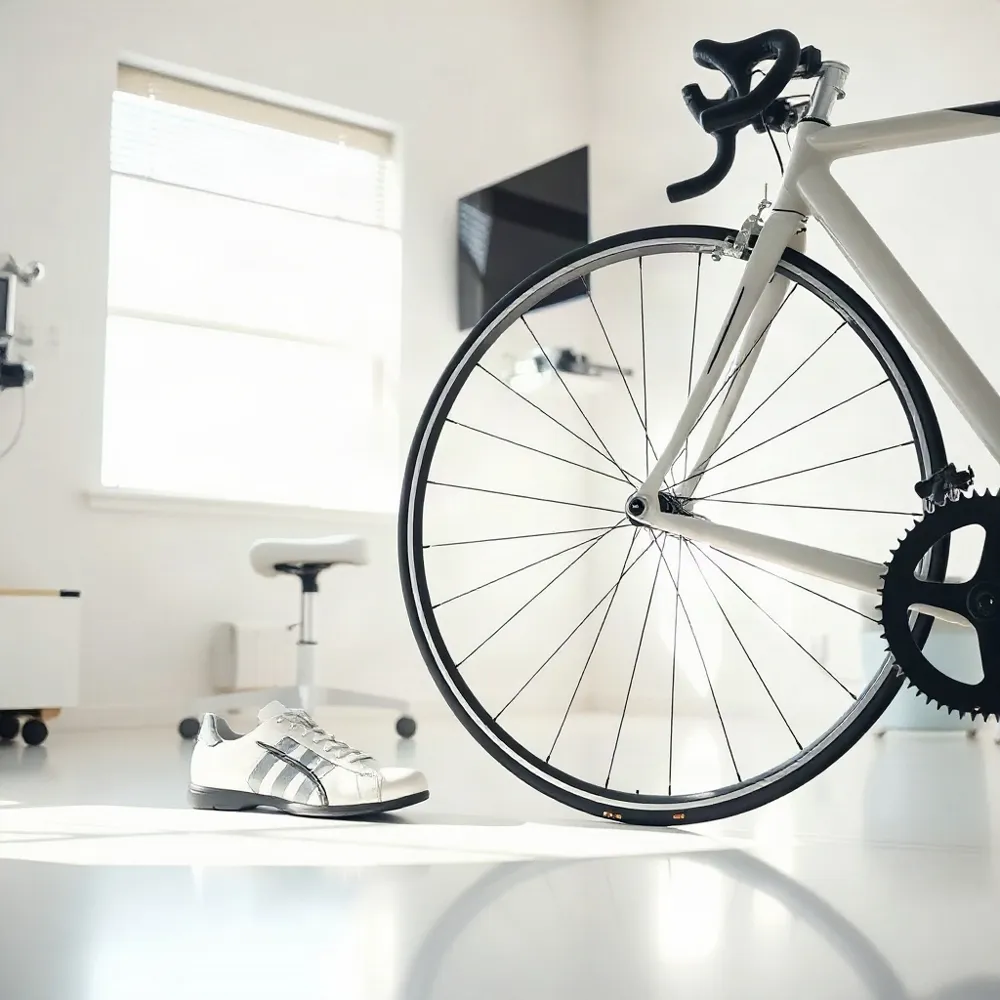
The Demands Cycling Places on Feet
Each pedal stroke sends force from the legs through the feet to the pedals. Cycling shoes help stabilize this connection, but the feet also remain in a relatively fixed position under repeated pressure. A small fit or alignment issue can become uncomfortable over a long ride.
Long or intense rides increase exposure to that pressure, while heat can cause feet to swell inside restrictive shoes. Shoe width, cleat placement, and bike setup may all contribute to discomfort, including burning, tingling, or soreness at the ball of the foot. Cycling foot pain can have several interacting causes, so symptoms should not automatically be blamed on footwear alone.
Prevention starts with shoes that fit the foot without squeezing, a suitable bike fit, and attention to changes in comfort during and after rides. At advancedfootcareil.com, podiatric assessment can consider foot structure and biomechanics when recurring pain persists despite equipment adjustments.
Why Cycling Can Trigger Foot Pain
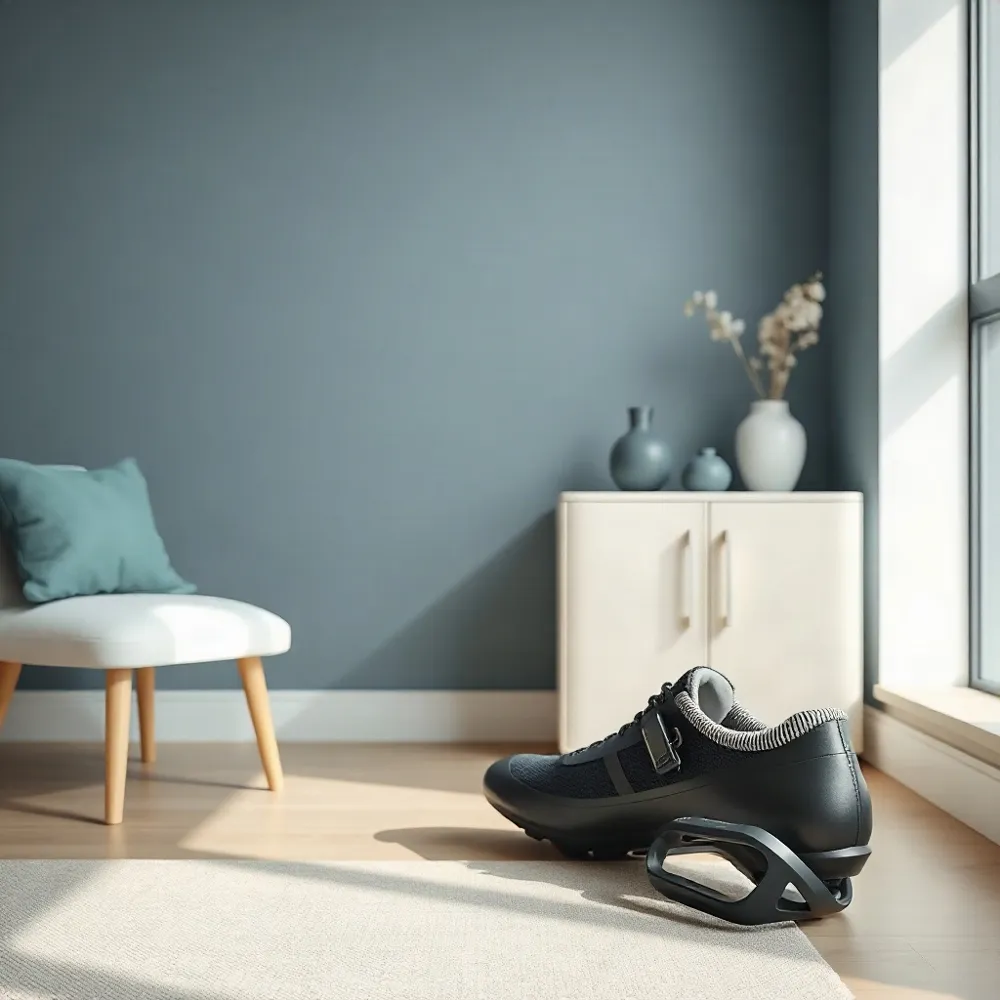 Foot pain on the bike can come from pressure that builds with each pedal stroke. Shoes that are too narrow or tight may squeeze the forefoot, while loose shoes can let the foot slide and rub. Cleats positioned so they load one area unevenly may add strain. A cycling foot pain guide explains how shoe fit, cleat placement, and bike setup can all contribute.
Foot shape and alignment affect where that pressure falls. High arches, limited arch support, or a mismatch between the foot and shoe can shift load toward the heel, arch, or ball of the foot. Saddle height and pedaling technique may also change foot position and strain the tendons; bike fit and alignment are among the factors clinicians consider when assessing cycling-related injuries. At advancedfootcareil.com, a podiatrist can assess foot structure and biomechanics as part of care for persistent discomfort.
Different problems can produce similar symptoms, so pain alone does not establish a diagnosis. Burning, tingling, or numbness may involve pressure on nerves beneath the forefoot. Metatarsalgia affects the ball of the foot, plantar fasciitis involves the tissue along the sole, and Achilles tendon irritation causes pain near the back of the heel. Repeated friction may cause blisters, while ongoing or increasing load can contribute to bone stress injuries.
If pain continues after a ride, worsens, or comes with persistent numbness or significant swelling, do not assume footwear is the only cause. A clinical assessment can help distinguish a fit-related problem from an injury or another condition and guide appropriate treatment.
Shoes and Cleats Shape Pressure
Yes, cycling shoes and cleat position can contribute to foot pain. Shoes that squeeze the toes or forefoot may compress nerves and restrict circulation, leading to pressure, burning, tingling, or numbness. A shoe should hold the foot securely while leaving room for the toes to move and for the foot to expand as it warms during a ride.
Choose a shoe that matches your foot’s width rather than buying extra length to gain space across the forefoot. An overly long shoe can let the foot slide and make it harder to position the cleat correctly. Try shoes on with your usual riding socks, and check for pressure from inside the shoe, including protruding cleat bolts. Cycling shoes generally do not stretch much, so a pressure point in the shop is unlikely to disappear with use. The fit guidance for cycling shoes also emphasizes room for toe movement without a loose fit.
Cleats positioned too far forward can concentrate pressure beneath the ball of the foot. However, changing cleat position, stance width, or saddle height without considering the full riding position may shift stress elsewhere. A professional bike fit can assess these factors together, along with posture, instead of assuming one adjustment suits every rider. At advancedfootcareil.com, a foot and ankle specialist can also evaluate recurring symptoms and consider whether foot structure or another condition is contributing.
Recognizing Hot Foot and Forefoot Pain
 Metatarsalgia is pain around the metatarsal heads, the bones at the base of the toes. It may feel like an ache, burning, or a pebble under the ball of the foot. During cycling, sustained pedal pressure can irritate these tissues, especially when feet swell inside tight footwear.
Hot foot describes burning, tingling, or numbness that may spread across much of the foot. Pressure beneath the forefoot can compress nearby nerves and soft tissues; narrow shoes, cleats positioned too far forward, and restricted circulation may contribute. Cycling-related foot pain can have several causes, so symptoms alone do not identify the source.
Morton’s neuroma involves irritation or compression of a nerve between the metatarsal heads. Similar sensations can arise from other causes, so recurring symptoms, pain mainly in one foot, or numbness that continues after a ride should not be self-diagnosed. A podiatrist can assess the foot and recommend care based on the findings. At Advanced Foot Care, podiatric assessment is led by an experienced surgeon and can consider foot structure as well as cycling-related pressure.
If discomfort starts during a ride, loosen shoe closures if doing so keeps the foot secure, and stop to let pressure settle. Check that your toes have room to move, then review shoe fit and cleat position before making further adjustments. Numbness while cycling may relate to compression or circulation, among other factors.
Insoles or metatarsal support can help some riders by changing how pressure is distributed, but fit and placement matter. An unsuitable corrective insole may add pressure or create new discomfort. A podiatric evaluation can help determine whether support is appropriate and how it should fit inside a cycling shoe.
Practical Prevention for Long Rides
Small habits before and after a ride can help limit friction and pressure-related irritation. Choose breathable, moisture-wicking socks, and make sure they do not bunch inside the shoe. After riding, change out of damp socks, wash and dry your feet, then check for redness, rubbing, swelling, or pressure marks. These simple checks can help you spot a developing problem early.
On longer rides, shifting your foot position occasionally may redistribute pressure. If your feet swell or begin to feel uncomfortable, loosen the shoe or take a short break and remove it for a while. These steps may offer temporary relief, but recurring pain or numbness deserves a closer look. Cycling foot-pain guidance discusses how swelling and sustained pressure can affect comfort.
Build mileage gradually and allow recovery between demanding rides rather than sharply increasing training load. Off the bike, calf stretches and simple foot exercises, such as towel scrunches, picking up small objects with the toes, and single-leg balance, can support foot and ankle strength. After a ride, supportive shoes may feel more comfortable than walking barefoot or in unsupportive sandals.
Cycling-specific insoles are not necessary for every rider, and an insert that changes foot position may cause problems if it does not suit the individual. At advancedfootcareil.com, podiatric assessment can consider foot structure and biomechanics when persistent discomfort raises questions about support or corrective orthotics. Professional guidance is especially useful before choosing an orthotic to address a recurring symptom.
When Symptoms Need Professional Assessment
 If pain or numbness continues after a ride, stop cycling and check for blisters, redness, swelling, bruising, wounds, or changes in foot color or temperature. Loosen tight straps or laces, but do not ride through symptoms that are worsening.
Arrange an assessment with a podiatrist or another health care professional if symptoms persist beyond a day or two, keep returning, worsen with each ride, or continue when you are off the bike. Persistent numbness can have causes beyond shoe fit, so an examination can help identify what needs attention. See when foot symptoms need professional assessment for further guidance.
Bring your cycling shoes, cleats, and any orthotics to the appointment. Reviewing this equipment alongside an examination can help the clinician consider fit and foot alignment. Seek prompt care for significant swelling, new weakness, skin wounds, sudden numbness, severe pain, or signs of infection. If numbness occurs with trouble speaking, dizziness, or a severe headache, call 911.
Comfortable Riding Starts With Attention
Comfort depends on more than shoe choice. Foot shape, pressure distribution, cleat position, bike setup, and recovery can all affect how the feet feel during and after a ride. Cycling foot-pain guidance emphasizes that no single equipment adjustment suits every rider.
If symptoms persist, recur, or continue off the bike, seek an individualized assessment rather than relying on equipment changes alone. At advancedfootcareil.com, a foot and ankle specialist can assess biomechanics and determine whether treatment or support such as custom orthotics may be appropriate.