
A Path From Pain to Recovery
Heel pain can make walking, working, and everyday activities difficult. Because discomfort may come from several conditions, including plantar fasciitis, Achilles tendon problems, or a stress fracture, the location and pattern of pain can offer clues but cannot confirm the cause on their own. Heel pain has a range of possible causes.
A practical path forward starts with noticing when and where pain occurs, then arranging an assessment when symptoms persist or limit movement. A qualified healthcare professional can examine the foot and decide whether testing is needed. Care often begins with home measures and activity changes, with other treatments considered if symptoms do not improve. At advancedfootcareil.com, an experienced surgeon provides foot and ankle care at clinics in NW Chicago and South Florida.
What Heel Pain Patterns Can Reveal
 Where heel pain occurs and when it flares can offer useful clues, but these patterns do not confirm a diagnosis. A podiatrist considers them alongside an examination and, when needed, imaging.
Pain beneath the heel most often points to plantar fasciitis, irritation or damage to the tissue band supporting the foot’s arch. It commonly hurts most during the first steps after waking or resting, then may ease briefly with movement. Other possibilities include a bruised or thinned heel fat pad, which can cause a deep central ache, and a stress fracture. Heel pain patterns and possible causes can help guide an assessment.
Pain at the back of the heel may involve the Achilles tendon, a nearby bursa, or Haglund’s deformity, a bony prominence that can become irritated by footwear. In active children, Sever’s disease can cause pain where the Achilles tendon meets the growing heel bone. Burning, tingling, or numbness may point to nerve involvement rather than a simple strain.
Pain in one foot may follow a local change, such as more walking or running, different shoes, or extra strain on that side. If pain worsens after an increase in activity, becomes severe, or makes walking difficult, seek an assessment to check for a stress fracture or another cause. The clinicians at advancedfootcareil.com evaluate foot and ankle conditions at their NW Chicago and South Florida locations, using examination and imaging when appropriate.
How Plantar Fasciitis Causes Heel Pain
The plantar fascia is a strong band of tissue that runs beneath the foot from the heel toward the toes, helping support the arch. Plantar fasciitis develops when repeated stress or overstretching irritates or damages this tissue, often near its attachment to the heel bone.
The resulting pain and tenderness are usually felt beneath the heel and may extend into the arch. A common pattern is sharp pain with the first steps after sleeping or sitting. It may ease as you move, then return after prolonged standing or activity.
Plantar fasciitis is not the same as a heel spur. A spur seen on an X-ray is often painless and is not considered the cause of plantar fasciitis pain, as Mayo Clinic explains. Since other conditions can cause similar symptoms, persistent or worsening pain warrants professional assessment. At advancedfootcareil.com, podiatric evaluation can help clarify the source of heel pain and guide care.
Assessment Guides the Next Steps
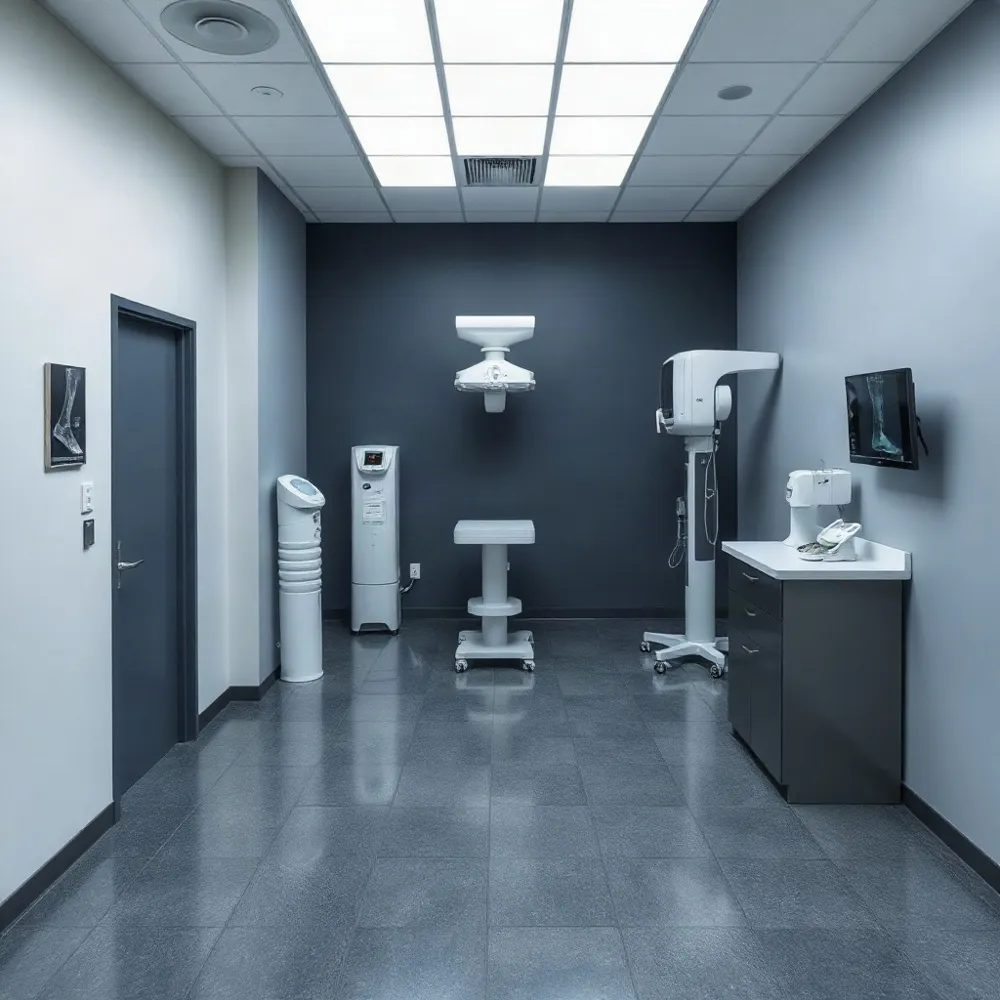 A podiatrist may ask when the pain began, where you feel it, what makes it worse, and whether you have had an injury or changed your activity. These details help guide the examination and narrow possible causes. A podiatry consultation often begins with this kind of symptom and activity history.
The clinician may check for tenderness, foot shape, flexibility, ankle motion, and changes in how you walk. These findings can help distinguish plantar fasciitis from other sources of heel pain. X-rays may help rule out fractures or other bone problems, but are not always needed to diagnose plantar fasciitis. MRI or ultrasound may be considered if a soft-tissue problem or another cause is suspected. The American Academy of Family Physicians’ heel-pain guide describes how pain patterns and examination findings help shape diagnosis.
Podiatrists can diagnose plantar fasciitis and guide treatment. An orthopedist may also be appropriate, depending on their experience with foot and ankle conditions; you do not automatically need a referral to see both. At advancedfootcareil.com, care is provided by an experienced surgeon at clinics in NW Chicago and South Florida.
Arrange an assessment if pain persists despite rest and simple care, returns, worsens, or limits walking. Seek prompt care after an injury, or for severe pain, inability to bear weight, significant swelling, redness, warmth, bruising, numbness, tingling, or fever. Gout can affect the heel, though it more often affects the big toe; sudden intense pain with warmth, redness, and swelling needs evaluation. Cancer is an extremely rare cause of heel pain. Persistent or worsening pain, especially at night, an unexplained lump or swelling, or a personal history of cancer warrants assessment, but does not mean cancer is present.
Home Care That Supports Healing
 Home care can ease strain and discomfort while the foot heals, but it does not replace assessment when pain is severe, follows an injury, or persists. For suspected plantar fasciitis, Mayo Clinic guidance recommends modifying activities that provoke pain and using supportive footwear.
Temporarily reduce high-impact activities such as running or hiking rather than keeping the foot completely still. Swimming or cycling can help maintain activity with less stress on the heel. Choose cushioned shoes with arch support, avoid worn-out or unsupportive footwear, and limit barefoot walking on hard floors.
For a gentle plantar fascia stretch, sit with the affected ankle crossed over the opposite knee and draw the toes toward the shin until you feel a stretch in the arch. Hold for about 10 seconds and repeat several times. A wall calf stretch can also help: place one foot behind you, keep its heel down, and lean forward gently.
As pain eases, gradually add gentle foot-strengthening exercises. Rolling the sole over a tennis ball or a frozen water bottle wrapped in a cloth may offer short-term relief. Keep the pressure light and stop any stretch or exercise that causes sharp or worsening pain. For more home-care ideas, or if symptoms worsen or fail to improve, consult a podiatrist.
Options When Symptoms Persist
When heel pain continues despite home care, the next step is to review the diagnosis and adjust the plan, not automatically move to a procedure. A clinician may reassess symptoms and consider whether another cause, such as a stress fracture or nerve irritation, needs evaluation. Persistent pain is a reason to seek an individualized review, as discussed in this guide to when symptoms persist.
Depending on the findings, care may include physical therapy, taping, night splints, supportive footwear, custom orthotics, activity changes, or medication when appropriate. At advancedfootcareil.com, foot and ankle care is led by an experienced surgeon, with locations in NW Chicago and South Florida. The appropriate plan depends on the cause of pain and the patient’s needs.
For persistent plantar fasciitis, a clinician may discuss extracorporeal shockwave therapy (ESWT). A handheld device applies sound waves through the skin toward the painful area. The treatment is thought to stimulate a local healing response, but research findings are mixed, so improvement is not assured. Patients may feel tapping or discomfort during treatment, and temporary soreness, redness, or bruising can occur. Session number and intensity vary; exercise and activity guidance may continue as part of care. The Royal Orthopaedic Hospital’s ESWT guidance describes possible side effects and advises discussing suitability with a clinician.
For selected patients whose symptoms remain significant after nonsurgical care, options may include ultrasound-guided tissue repair or ultrasonic debridement, which removes damaged tissue, or plantar fascia release through an endoscopic approach. These procedures are not right for everyone. Suitability depends on the diagnosis, symptoms, previous treatment, and clinical assessment. At advancedfootcareil.com, the focus on advanced, minimally invasive foot and ankle treatments can inform a discussion of appropriate options, while surgery is generally reserved for cases in which other care has not worked.
Balancing Injection Benefits and Risks
A cortisone injection may ease pain and inflammation when plantar fasciitis is the cause, but it is usually considered after measures such as stretching, supportive footwear, and orthotics have not helped. Relief is generally temporary, so an injection does not resolve the underlying condition.
The potential benefit needs to be weighed against possible harms. Cortisone can weaken the plantar fascia and raise the risk of a tear or rupture, particularly after repeated injections, so a clinician may limit or avoid this option. Other possible effects include a temporary pain flare, thinning of the heel’s cushioning fat pad, and changes in skin color. Infection or injury to nearby tissue or a nerve is uncommon but possible.
A podiatrist can confirm what is causing the heel pain and discuss whether an injection is appropriate for the individual. The Mayo Clinic’s guidance on plantar fasciitis treatment notes that steroid injections may provide temporary relief, while repeated injections may weaken the fascia and possibly cause rupture. At Advanced Foot Care, assessment is led by an experienced surgeon at locations in NW Chicago and South Florida, supporting treatment decisions based on the patient’s condition.
A Steady, Individualized Route Forward
Heel pain can have several causes, so understanding where it occurs and what brings it on helps guide assessment. Similar symptoms do not always call for the same care, and a clinician can distinguish plantar fasciitis from other problems that affect the heel. Cleveland Clinic’s overview of heel pain explains why examination matters.
Seek professional advice if pain persists, worsens, or limits walking. Severe swelling, stiffness, or difficulty moving also warrants prompt attention. Treatment often starts with suitable home measures and other nonsurgical care; procedures or surgery are considered only when the diagnosis and clinical circumstances support them.
Recovery takes different courses, and there is no single plan for everyone. At Advanced Foot Care, an experienced surgeon provides minimally invasive foot and ankle treatment at clinics in NW Chicago and South Florida. A qualified healthcare professional can help clarify realistic next steps for your symptoms and goals.