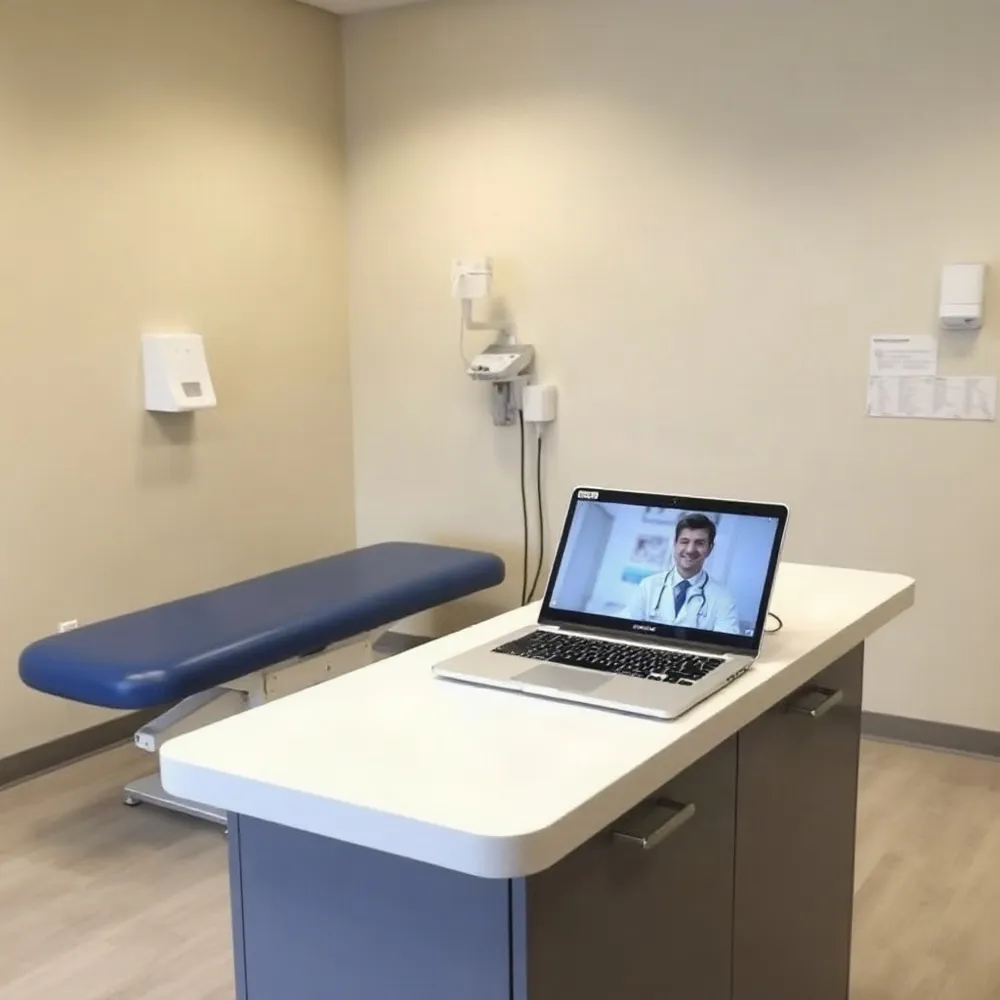
The Rise of Remote Podiatric Care
Telehealth in podiatry, also known as tele-podiatry, is the remote provision of podiatric medical care through electronic information and telecommunications technologies. This allows patients to receive consultations, education, and follow-up care without needing to be in the same room as their podiatrist.
The adoption of telehealth across medical specialties grew rapidly during the COVID-19 pandemic, and podiatry was no exception. What began as a necessity during a public health crisis has become a permanent and popular option for many patients, thanks to its convenience and accessibility.
Virtual consultations are especially beneficial for individuals with mobility issues, those living in remote or underserved areas, and patients with packed schedules. For patients with conditions like severe arthritis or those recovering from surgery, a telehealth consultation eliminates the physical strain of traveling to a clinic.
A virtual visit serves as an effective first step in modern foot and ankle care. It allows the podiatrist to conduct a visual exam, review symptoms, and determine the urgency of the condition. At Advanced Footcare IL, patients can use telehealth as a triage tool to decide whether the issue can be managed remotely or requires an in-person visit for a hands-on procedure.
Setting Up Your Virtual Visit
 Preparing for a telehealth consultation is straightforward and requires no special technical skills. You can schedule an appointment online or by phone, just as you would for an in-office visit. After booking, you will receive a secure, HIPAA-compliant link via email to complete digital registration forms and connect for your video visit.
For the appointment, you need a stable internet connection and a device with a camera and microphone, such as a smartphone, tablet, or computer. A quiet, well-lit room helps your podiatrist see your feet clearly and hear your symptoms without distraction.
Wear loose-fitting pants or shorts so you can easily expose your feet and lower legs. Your Advanced Foot Care clinician may ask you to walk or stand in front of the camera to assess your gait and range of motion. Taking clear photos or videos of the affected area beforehand can help the doctor prepare and save time during the call.
Have your medical history, a list of current medications, and any relevant records ready. Contact your insurance provider before the appointment to confirm how your plan covers telehealth, as coverage can vary.
What Happens During the Consultation
 The consultation begins with a detailed review of your medical history. Your podiatrist will ask about the location of your pain, any changes in sensation such as burning or numbness, and what activities make the symptoms worse. This conversation helps connect foot health to your overall well-being.
Next comes a visual examination using your device's camera. The podiatrist will ask you to position the camera to show the top, bottom, and sides of your feet, including between the toes. Good lighting is essential to help identify skin conditions, nail issues, swelling, and structural deformities.
During a tele-podiatry visit, you may be asked to stand, walk, or perform specific foot and ankle movements in front of the camera. This allows the podiatrist to assess your gait, range of motion, and functional limitations. The doctor may also guide you through minor physical manipulations that would typically be part of an in-office inspection.
A scoping review of foot and ankle telemedicine guidelines confirms that telehealth serves a triage function: the podiatrist determines the urgency of your condition and advises whether an in-person visit is needed for further treatment. Based on the findings, the doctor will discuss treatment options and create a personalized care plan, which may include prescriptions, custom orthotics, or home care routines.
Conditions Treated and Treatments Provided
 Telehealth in podiatry is well-suited for a wide range of common foot and ankle conditions. Patients frequently use virtual visits to address foot swelling, gout, bunions, hammertoe, and heel pain. Skin and nail issues such as athlete's foot, calluses, corns, warts, psoriasis, cellulitis, fungal toenails, and ingrown toenails are also effectively managed remotely. For patients with diabetes, routine diabetic foot checks can be performed via video, allowing the podiatrist to visually inspect for redness, wounds, or early signs of complications.
Remote Treatments and Prescriptions
During a virtual consultation, a podiatrist can prescribe medications, including oral antifungals like Lamisil (terbinafine), to treat infections of the feet or toenails. The podiatrist can also order custom orthotics based on a visual assessment of the foot and recommend specific exercises or home care routines. For follow-up care, telehealth is particularly effective for monitoring chronic conditions such as diabetic foot ulcers, tracking post-surgical recovery, and providing wound care instructions by checking healing progress through video.
Limitations of Virtual Care
Certain aspects of podiatric care require an in-person visit. Hands-on procedures like nail removal, injections, or minor surgery cannot be performed remotely. Custom orthotic fittings, which depend on in-person gait analysis and pressure mapping, and diagnostic imaging such as X-rays, MRIs, or ultrasounds also necessitate an office visit.
The Triage and Hybrid Care Model
A hybrid model that combines virtual and in-person care is often the most practical approach. A telehealth visit can serve as triage, where the podiatrist reviews symptoms, medical history, and visual cues to determine the urgency of the condition and whether an in-office visit is necessary. This approach allows patients at Advanced Foot Care Illinois to receive prompt attention for many issues without an unnecessary trip to the clinic, reserving in-person appointments for procedures that require hands-on examination.
When to Choose Virtual Over In-Person
Telehealth podiatry is well-suited for follow-up appointments, post-surgical checks, early consultations, routine foot health consultations, and second opinions. These visits focus on visual assessment and discussion rather than hands-on procedures, making them ideal for a virtual format.
Virtual visits save time by eliminating travel and reducing wait times. They also limit exposure to contagious illnesses and provide access for patients with mobility issues or those in remote areas. Advanced Foot Care & Ankle Specialists patients scheduling a virtual consultation are typically seen within a few days, avoiding the longer waits common in traditional clinics.
Symptoms That Require Immediate In-Person Care
Certain symptoms should never be ignored and require urgent in-person evaluation. These include sudden severe pain that prevents weight-bearing, numbness or discoloration of the toes, spreading redness or warmth with fever, open wounds (especially for diabetic patients), and calf swelling accompanied by foot pain. These signs may indicate fractures, infections, circulation issues, or blood clots that need immediate attention and diagnostic imaging.
Downsides of Virtual Visits
Virtual visits have limitations. They cannot replace physical hands-on evaluation for assessing joint stability, tissue texture, or the full extent of deformities. Procedures such as custom orthotic fittings, wound care, and surgical interventions cannot be performed remotely. Evaluation quality also depends on the patient's ability to capture clear images or position their camera effectively. Diagnostic tests like X-rays and vascular assessments remain unavailable through virtual channels.
The Hybrid Care Model
A hybrid approach combines the best of both formats. Patients can start with a telehealth consultation to discuss symptoms and review visual cues. If the podiatrist determines that in-person diagnostics or treatment are necessary, a follow-up office visit can be scheduled. Afterward, recovery or maintenance can again be managed virtually, creating a seamless care loop that minimizes unnecessary travel while ensuring thorough evaluation.
The Future of Foot Care Is Flexible
Telehealth has become a permanent and valuable part of modern podiatric medicine. It empowers patients to access expert care from the comfort of their homes, removing barriers like travel time and transportation challenges.
This approach is especially helpful for individuals with mobility issues, those living in remote areas, or anyone managing conditions that make in-person visits difficult. The same experienced podiatrists who see patients in the clinic provide virtual care, so the quality of medical attention remains high.
If you are considering an initial evaluation or follow-up care, scheduling a telehealth consultation is a convenient starting point. Many common foot and ankle conditions can be assessed virtually, and your podiatrist can recommend the next steps, whether that means ongoing remote management or an in-person visit when needed.