Introduction to Minimally Invasive Foot Surgery
Defining Minimally Invasive Foot Surgery
Minimally invasive foot surgery (MIS) is a modern surgical technique involving extremely small incisions, typically only a few millimeters in length. Using specialized instruments and advanced imaging technologies like fluoroscopy or endoscopy, surgeons precisely target the affected area with minimal disruption to surrounding tissues.
Distinction From Traditional Surgery
Unlike conventional open surgery, which requires larger incisions, MIS causes significantly less trauma to muscles, tendons, and ligaments. This results in reduced postoperative pain, less swelling, smaller scars, and a faster recovery. Patients can often bear weight immediately after surgery and return to daily activities more swiftly.
Common Conditions Treated
MIS is commonly employed to treat a range of foot problems, including bunions (hallux valgus), hammertoes, plantar fasciitis, bone spurs, Achilles tendon injuries, and certain nerve issues like neuromas. Its precision and limited tissue disruption make it well-suited for correcting deformities and relieving chronic pain.
Expanding Role in Podiatry
Minimally invasive techniques are increasingly prevalent in podiatry, favored for their patient-friendly benefits such as outpatient procedures, quicker healing times, and lower infection risks. Skilled podiatrists tailor surgical plans to individual needs, making MIS a valuable option for many seeking effective and less invasive foot care.
Benefits of Minimally Invasive Foot Surgery Versus Traditional Techniques

What are the benefits of minimally invasive surgery?
Minimally invasive foot surgery (MIS) provides significant advantages over traditional open surgical methods. By utilizing very small incisions—often only a few millimeters—MIS minimizes soft tissue trauma, resulting in less postoperative pain and swelling. This reduced tissue disruption lowers the body's inflammatory response, promoting faster healing and less reliance on pain medications.
Reduced pain and swelling post-surgery
Because MIS involves smaller incisions and less manipulation of muscles, tendons, and ligaments, patients typically experience reduced postoperative pain and swelling. This contributes to greater comfort during recovery and enables earlier mobilization, which is crucial for optimal healing.
Smaller incisions and less scarring
Minimally invasive surgery techniques employ specialized surgical instruments and imaging guidance to operate through tiny incisions. These small wounds heal quickly and leave minimal scarring, often resulting in a more natural foot appearance compared to the larger scars seen with traditional surgery. Reduced scarring can also lower the risk of keloid formation and improve patient satisfaction with cosmetic outcomes.
Lower infection risk and complication rates
Reduced soft tissue disruption in MIS decreases exposure of the surgical site to pathogens, thereby lowering the infection risk compared to open surgery. Additionally, the precision of MIS lowers tissue trauma, reducing complications such as delayed wound healing and nerve injury. This makes MIS particularly advantageous for patients with higher risks, including those with diabetes.
Shorter hospital stays and quicker recovery times
MIS procedures are typically performed on an outpatient basis, lasting less than an hour, allowing patients to return home the same day. The minimized tissue damage facilitates faster recovery, with many patients able to bear weight immediately in a protective boot. Most can resume normal footwear within 4 to 6 weeks and return to routine daily activities within a matter of weeks. Quicker recovery diminishes overall downtime and supports swift reintegration into work and physical activities.
Better cosmetic outcomes
The combination of small incisions and less tissue trauma contributes to cosmetically superior results. MIS often preserves the natural contours of the foot and causes less visible deformity or swelling after healing. This is an important consideration for patients concerned about the aesthetic impact of surgery.
Overall, minimally invasive foot surgery offers a modern, patient-centered approach that emphasizes reduced pain, expedited healing, and improved cosmetic results, making it a preferred option for many common foot conditions such as bunions, hammertoes, and plantar fasciitis.
Advanced Techniques in Minimally Invasive Foot Surgery
What advanced minimally invasive surgical techniques are currently used?
Advanced minimally invasive foot surgery employs a combination of specialized instruments for foot surgery, live imaging technologies such as fluoroscopy, and some emerging robotic-assisted minimally invasive foot surgery methods to achieve precise correction of foot conditions.
Use of specialized instruments and live imaging
Small incisions in foot surgery, often only a few millimeters, allow surgeons to insert burrs, dilators, and flexible instruments designed to minimize soft tissue trauma. Continuous fluoroscopic imaging guides these instruments in real-time, ensuring accurate bone realignment and soft tissue repair with minimal disruption.
Types of minimally invasive procedures: endoscopic, arthroscopic, percutaneous
Foot and ankle surgeries often utilize endoscopic foot surgery and arthroscopic foot surgery techniques, where tiny cameras and instruments are inserted through small portals to treat conditions like plantar fasciitis, Achilles tendon injuries, and cartilage damage. Percutaneous foot surgery methods involve needle-sized incisions for procedures such as bunion correction or hammertoe release.
Role of fluoroscopy and surgical microscopes
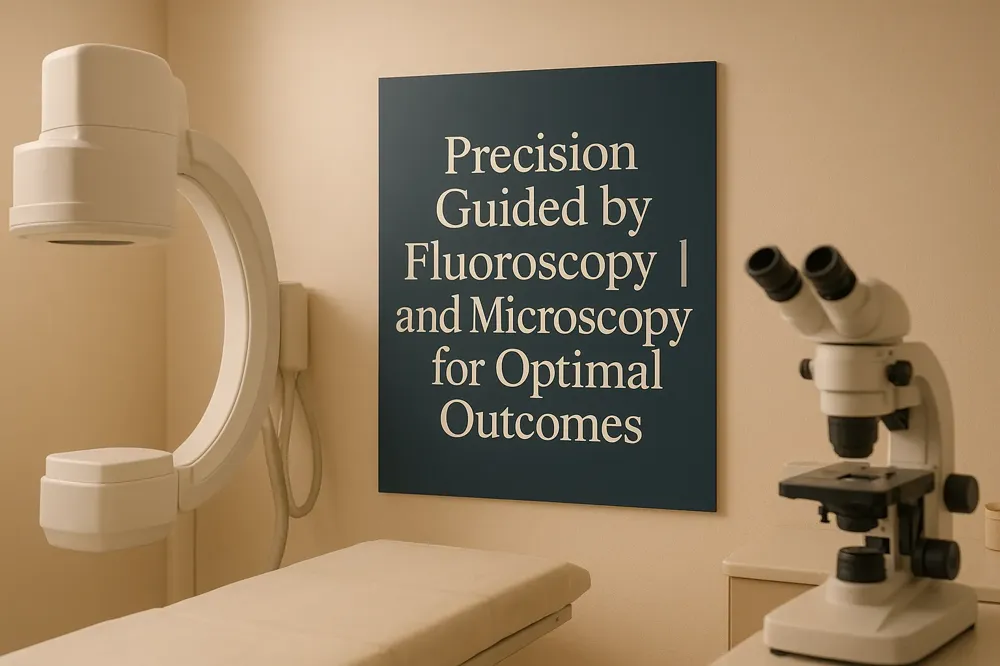
Fluoroscopy offers live X-ray visualization to confirm proper anatomical alignment during surgery. Additionally, surgical microscopes and video scopes magnify the operative field, enhancing precision when working through limited access points.
Robotic-assisted foot surgery advancements
Though still emerging, robotic-assisted surgery enhances surgeon control and accuracy by enabling the manipulation of surgical tools via robotic arms under the surgeon’s guidance. This technology promises improved outcomes in complex foot and ankle reconstructions by facilitating targeted, minimally invasive interventions.
Precision targeting of affected tissues
The integration of imaging and specialized tools enables surgeons to focus treatment precisely on pathological areas such as bone spurs, nerve compressions, or deformities without extensive tissue disruption. This precision reduces post-operative pain, swelling, and scarring while accelerating recovery.
These advanced techniques collectively set a new standard in foot and ankle surgery by combining Minimally Invasive Foot Surgery with high surgical accuracy, thereby enhancing patient outcomes and satisfaction.
Effectiveness and Recovery: Minimally Invasive Bunion Surgery and Beyond

How does minimally invasive bunion surgery compare to traditional techniques?
Minimally invasive bunion surgery (MIS) utilizes very small incisions and specialized instruments in minimally invasive surgery, often just a few millimeters, enabling surgeons to correct deformities with less soft tissue disruption than traditional open methods. This leads to reduced pain and scarring with minimally invasive techniques. While traditional surgeries such as Lapiplasty provide comprehensive 3D correction to lower recurrence risk, they may involve larger incisions and longer recovery periods. MIS focuses on precision through specialized instruments and real-time imaging, fostering quicker healing and less trauma to surrounding tissues.
Is minimally invasive bunion surgery effective?
Minimally invasive bunion surgery has proven highly effective, especially for mild to moderate bunion deformities. Techniques like Percutaneous Endoscopic Calcaneoplasty Approach (PECA) and Percutaneous Lapidus osteotomy allow for precise bone realignment with minimal disruption. Patients typically experience less postoperative pain and a more natural appearance due to smaller scars. Most individuals can expect to return to regular shoes within about six weeks and resume normal physical activities, including sports, by 12 weeks post-surgery. The procedure encourages immediate or early weightbearing after surgery using protective footwear, reducing immobilization time. Although the lifetime recurrence rate is around 20%, significant recurrences are uncommon with proper surgical and postoperative care.
What does recovery look like after minimally invasive foot surgery?
Recovery timelines after MIS tend to be shorter compared to traditional surgery. Patients often bear weight immediately or within days in a surgical boot, fostering earlier mobilization. The initial healing phase commonly involves limited weightbearing for approximately 4–6 weeks, guided by the surgeon's instructions. Due to minimal soft tissue damage, patients report less postoperative pain and reduced need for analgesics. Follow-up visits include imaging assessments to monitor healing. Full recovery, including return to strenuous activity or sports, may take several months but functional improvement typically begins much earlier. Rehabilitation may include wound care and gradual physical therapy to regain strength and range of motion.
Who is a suitable candidate for minimally invasive bunion surgery?
Candidates for MIS generally have mild to moderate deformities and have not obtained adequate relief from conservative treatments such as orthotics or physical therapy. Factors like good overall health and the absence of severe structural deformities increase suitability. Not all deformities can be addressed with MIS; large or complicated bunions might necessitate traditional open procedures. Consultation with an experienced foot and ankle surgeon trained in MIS techniques is crucial to personalize the surgical plan and assess risks and benefits.
Considerations, Risks, and Candidate Suitability for Minimally Invasive Foot Surgery
What are common disadvantages or risks associated with minimally invasive surgery?
Minimally invasive foot surgery (MIS) carries several risks, though these are generally lower than those associated with traditional open surgery. Potential complications include infection, nerve damage, bleeding, and adverse reactions to anesthesia. While MIS uses smaller incisions and reduces tissue trauma, there remains a possibility of damage to unseen nerves and tendons if the procedure is not performed by an experienced surgeon.
What are potential complications and downsides of foot and ankle surgery?
Complications of foot and ankle surgery can include swelling, stiffness, delayed healing, and, in rare cases, non-union or failure of bone fusions or implants. Nerve injury might result in numbness or altered sensation. Postoperative stiffness and restricted mobility may require physical therapy. Although Minimally Invasive Foot Surgery lowers these risks thanks to reduced soft tissue disruption and smaller wounds, it does not eliminate them entirely.
Limitations and not suitable for all patients
Minimally invasive foot and ankle surgery techniques are not appropriate for every patient or condition. Complex deformities, severe arthritis, or extensive prior surgeries may require traditional open procedures for adequate correction. Furthermore, very large or complicated foot deformities might exceed what can be safely addressed through MIS approaches.
Importance of surgeon experience and case selection
Successful Minimally invasive surgery foot surgery depends heavily on surgeon expertise and appropriate case selection. Specialized training and familiarity with imaging guidance and advanced instruments are essential to minimize risks and achieve good outcomes. Surgeons typically evaluate patients carefully to determine if MIS is safe and suitable.
Consultation and evaluation process for candidacy
A thorough preoperative consultation with a foot and ankle specialist is critical. This involves reviewing medical history, physical examination, and imaging studies to assess deformity severity and overall health. Patients are informed about benefits, risks, and expected recovery to facilitate shared decision-making. Only then can a personalized treatment plan be developed that optimally balances risks and rewards of minimally invasive surgery.
Non-Surgical and Supportive Care Complementing Minimally Invasive Foot Surgery
Can flat feet be corrected without surgery?
Yes, flat feet can often be managed effectively without surgery through a variety of conservative treatments. Stretching exercises focusing on the calf muscles, along with supportive footwear and custom orthotic inserts, help realign the foot and reduce strain. Physical therapy, night splints, and modifications to activities are also valuable in alleviating symptoms and improving foot function.
What types of conservative treatments support foot health?
Conservative care includes orthotics designed to provide arch support and correct biomechanical imbalances, physical therapy to improve strength and flexibility, and lifestyle adjustments such as proper footwear choices. Maintaining a healthy weight and modifying activities that exacerbate symptoms can prevent progression of foot conditions and reduce discomfort.
Are there advanced non-surgical options available?
Beyond traditional measures, innovative therapies like laser therapy for foot pain and regenerative medicine—including platelet-rich plasma (PRP) and amniotic injections—are increasingly utilized to promote healing and reduce inflammation. Shockwave therapy for foot conditions and topical treatments, including CBD creams, also offer adjunctive benefits to support recovery and enhance long-term foot health.
Why is early intervention important?
Prompt consultation with a podiatrist is crucial for identifying foot problems early and initiating conservative management before deformities worsen. Early intervention often means less invasive treatments are effective, potentially preventing the need for surgery. Learn more about importance of early professional consultation.
How does supportive care optimize surgical outcomes?
When minimally invasive foot surgery is indicated, adjunctive supportive care plays an essential role. Pre- and post-operative physical therapy, orthotic use, and lifestyle modification can accelerate rehabilitation, minimize complications, and improve overall outcomes. This holistic approach enables patients to regain comfortable mobility and maintain foot health long term.
Conclusion: Embracing Minimally Invasive Surgery for Healthier Feet
Benefits and Future of Minimally Invasive Foot Surgery
Minimally invasive foot surgery offers numerous advantages including smaller incisions, less pain and swelling, quicker recovery, and reduced risk of infection and scarring. These benefits lead to faster return to daily activities and improved cosmetic outcomes.
Consulting with specialized foot and ankle surgeons is essential to determine if minimally invasive surgery is suitable, as proper candidate selection ensures the best results.
Early foot care and timely intervention can prevent progression of conditions and reduce the need for extensive surgery, supporting overall foot health.
Advancements in imaging and surgical tools continue to enhance precision and safety in minimally invasive techniques, promising improved outcomes and broader applications in the future.