
The Demands of Basketball
Basketball asks the feet and ankles to absorb repeated impact from running, jumping, and landing, then respond quickly to pivots and sudden changes of direction. Those movements can contribute to both gradual overuse problems and acute injuries, such as an ankle sprain.
Recognizing early symptoms can help players respond before pain interferes with court time or everyday movement. This article looks at common basketball-related foot and ankle injuries, practical ways to reduce avoidable risks, and signs that call for professional assessment. At advancedfootcareil.com, podiatric care focuses on foot and ankle conditions and minimally invasive treatment options when appropriate.
Common Injuries From Court Play
 Basketball’s quick cuts and crowded landings can twist the ankle beyond its normal range. A lateral ankle sprain occurs when the foot rolls inward, stretching or tearing the ligaments on the outside of the ankle. It may happen during a sudden change of direction or when a player lands on someone else’s foot. A history of repeated sprains can also affect ankle stability.
Repeated jumping and hard-court impact may contribute to plantar fasciitis, which causes pain beneath the heel or arch. Stress injuries can develop when repeated loading exceeds the foot’s ability to recover. A Jones fracture affects the outer midfoot near the base of the fifth metatarsal and can be mistaken for a sprain; sesamoid injuries affect the small bones beneath the big-toe joint.
Turf toe is a sprain of the big-toe joint, often associated with forceful push-off. Repeated running and jumping can also irritate the Achilles tendon, while an Achilles rupture is less common but serious and may follow a sudden, forceful push-off. The specific problem can be hard to identify from symptoms alone, so an assessment matters when pain persists or worsens.
Injury risk varies with playing style, footwear, training load, and prior injuries. At Advanced Foot Care, a podiatry clinic led by an experienced surgeon, foot and ankle concerns can be evaluated in the context of a player’s symptoms and activity. Seek prompt assessment for notable swelling, focal pain, limping, or difficulty bearing weight, especially after a sudden injury.
For more on sprains during court play, see common acute foot and ankle injuries in sports.
Reading Pain Beneath the Foot
Pain underfoot during basketball can come from repeated running, jumping, and pivoting. These movements load the plantar fascia, a band of tissue that supports the arch. When irritated, it can cause plantar fasciitis, often felt as heel-area pain that may be most noticeable with the first steps after rest.
Pain beneath the ball of the foot has a different pattern. Metatarsalgia means pain, sometimes with inflammation, around the metatarsal heads just below the toes. Players may notice an ache, sharp or burning discomfort, tenderness, or a pebble-like sensation that worsens during play. Repeated push-offs and landings can increase pressure on this area.
A focused spot of pain may also raise concern for a stress fracture, especially if it worsens with activity or continues after play. Worn or tight shoes, limited cushioning or arch support, tight calf muscles, and a sudden rise in training can add strain. Basketball shoes should fit comfortably and provide suitable support; at advancedfootcareil.com, podiatric care focuses on assessing foot and ankle problems and considering minimally invasive treatment when appropriate.
Reduce or pause activity if pain develops, and seek assessment if it is severe, worsening, persistent, or not improving with rest. A podiatrist can examine the painful area and help distinguish plantar fascia irritation, metatarsalgia, and a possible bone injury before guiding care and return to play.
Injuries That Need Careful Assessment
Not every basketball-related ache is a simple bruise or routine strain. Pain on the top or middle of the foot, especially when it persists or affects walking, deserves attention because tendon irritation and deeper joint injuries can feel similar at first.
Extensor Tendonitis
Extensor tendonitis is irritation of the tendons running along the front of the ankle and top of the foot. These tendons help lift the foot and straighten the toes. Symptoms may follow a sudden increase in training or repetitive loading, and tight shoes or lace pressure can also irritate the area. Pain or tenderness may worsen during activity or when lifting the toes.
Initial care usually means modifying painful activity, adjusting shoe fit or lacing, and using ice for comfort. A clinician can guide a gradual return to sport and recommend exercises; persistent symptoms may need further assessment. Marked redness or warmth, rapidly worsening swelling, fever, or inability to bear weight calls for prompt medical care. For more on this condition, see extensor tendonitis in athletes.
Lisfranc Injury and Foot Sprains
A Lisfranc injury affects joints and ligaments in the midfoot, where the long bones leading to the toes meet the rest of the foot. It may involve a sprain, fractures, or joint displacement. A planted, pointed foot forced downward or twisted during a landing, cut, or collision can cause this injury.
Significant midfoot swelling or bruising, especially on the sole, pain while walking or pushing off, and persistent pain after a twist warrant prompt evaluation. Inability to bear weight needs urgent assessment. Avoid playing and limit weight-bearing until a clinician has examined the foot, since some midfoot injuries are subtle but can worsen without appropriate care.
A foot sprain is assessed through the injury history and a physical examination. Imaging may be considered when a fracture or more serious injury is suspected, or when symptoms persist. Treatment depends on the findings and may include activity modification, support, symptom management, and guided rehabilitation to restore motion, strength, balance, and stability. At advancedfootcareil.com, podiatric care includes advanced, minimally invasive foot and ankle treatments, with assessment tailored to the injury before a return to court.
Prevention Through Preparation and Support
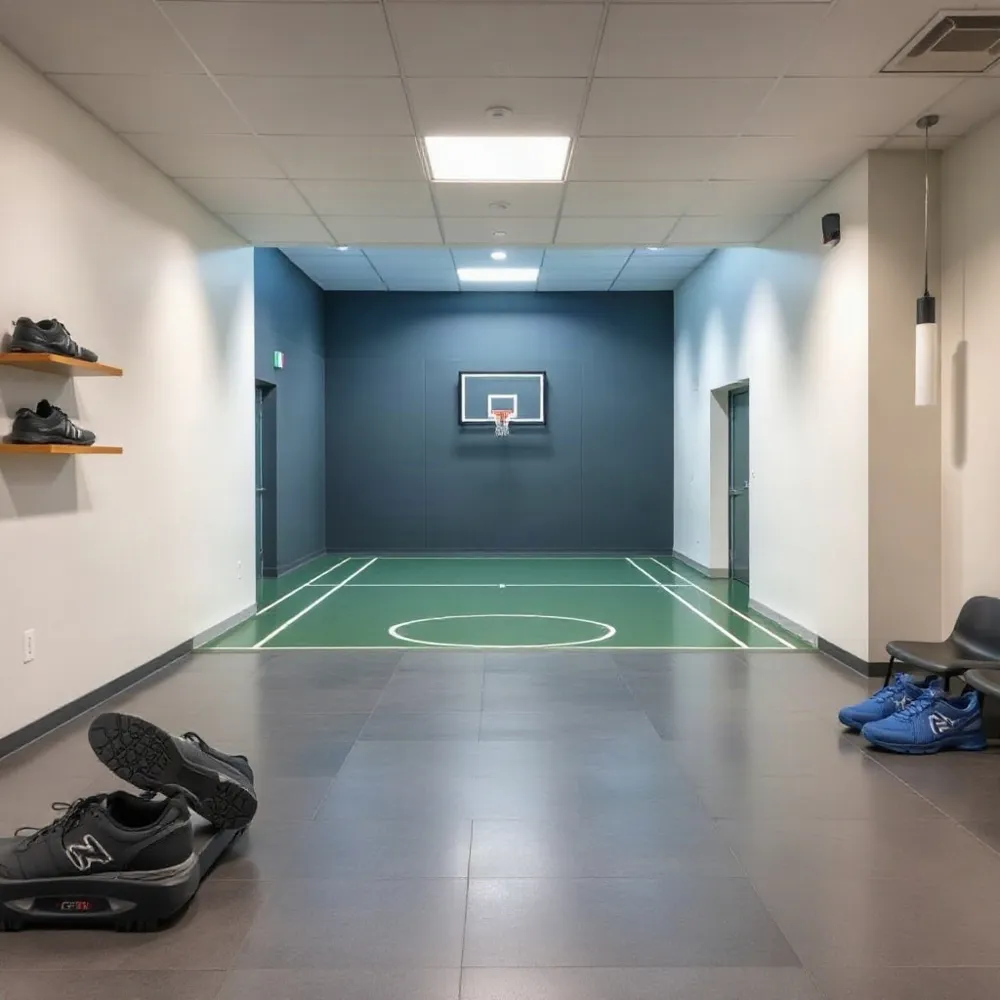 Basketball players can lower the chance of foot and ankle injuries by preparing before play and choosing equipment that fits. Shoes should feel secure without squeezing the toes, and their tread should provide reliable traction. Shoes that are too loose may not support the foot well, while overly tight footwear can cause pressure and discomfort.
Check the cushioning as well as the fit. Compressed or worn midsoles may no longer absorb impact effectively. Guidance on choosing and maintaining athletic footwear can help players recognize when their shoes need attention.
Warm-ups can include dynamic movements that prepare the legs and feet for running, cutting, and jumping. Add balance and ankle-strengthening exercises, such as single-leg stands and controlled hops, while focusing on steady landings. After a previous sprain or with ongoing ankle instability, an ankle brace may offer added support. A podiatrist or physical therapist can help determine whether bracing is suitable.
Increase practice and playing time gradually, especially after a break, and allow time for recovery between demanding sessions. Use sound movement and landing technique, check the court for hazards, and stop rather than play through pain. Persistent pain, swelling, or repeated sprains warrant professional assessment. At advancedfootcareil.com, podiatry care includes evaluation by an experienced surgeon, which can help clarify persistent foot and ankle concerns.
Responding to Soreness and Ankle Sprains
 If your feet are sore after basketball, stop playing and rest. Avoid activities that increase the pain, and if swelling is present, apply a wrapped ice pack for 15 to 20 minutes at a time. Check that your shoes fit comfortably and provide suitable support.
Ease back into activity only when walking and normal daily tasks feel comfortable. Severe or worsening pain, marked swelling, redness, warmth, or difficulty bearing weight calls for prompt medical assessment. Persistent or recurring pain should not be played through, as problems such as plantar fasciitis or a stress fracture may need evaluation. A podiatrist can assess the cause and recommend care suited to your foot and activity.
Ankle sprain treatment depends on its severity. Early care may include protecting the ankle with a brace or taping, elevation, compression, and gradual weight-bearing as pain allows. A clinician may recommend crutches or a walking boot for a more severe injury. As symptoms settle, progressive movement, strengthening, and balance exercises can help restore stability and reduce the risk of another sprain.
Recovery varies: a mild sprain may take about 1 to 3 weeks, a moderate sprain 3 to 6 weeks, and a severe sprain 2 to 3 months or longer. Returning to basketball may take longer, so these ranges are not guarantees. Seek assessment if you cannot bear weight, have substantial swelling or instability, or are not improving. For guidance on recovery after an injury, see rehabilitation and recovery after sports injuries.
Play With a Plan
Supportive, well-fitting basketball shoes and gradual increases in training can help players handle the demands of court play. Pay attention to changes in comfort and movement, and adjust activity when symptoms appear.
Pain that persists, worsens, or limits walking and play deserves professional evaluation, rather than being ignored. At advancedfootcareil.com, an experienced podiatric surgeon provides foot and ankle care through clinics in NW Chicago and South Florida, including minimally invasive treatment options when appropriate.