The Critical Role of Prevention and Recovery in Sports-Related Foot and Ankle Health
Importance of Foot and Ankle Health in Athletes
Foot and ankle health is paramount for athletes as these structures bear significant physical demands during sports activities. Healthy feet and ankles contribute to balance, stability, and efficient movement, directly impacting athletic performance and reducing injury risk.
Impact of Sports Injuries on Mobility and Performance
Sports-related injuries such as ankle sprains, Achilles tendonitis, and plantar fasciitis can severely impair an athlete’s mobility, cause pain, and limit participation. Inadequate recovery may lead to chronic instability and reduced function, affecting long-term performance and increasing the risk of recurrent injuries.
Overview of Prevention and Recovery Approach
Effective prevention strategies include proper warm-ups, wearing sport-specific footwear, gradual training progression, and balance strengthening exercises. Early recognition and treatment of injuries using methods like RICE (rest, ice, compression, elevation) and physical therapy are critical for timely recovery. Rehabilitation focuses on restoring strength, flexibility, and neuromuscular control to facilitate safe return to sport and reduce future injury risk.
Proactive Measures to Prevent Foot and Ankle Sports Injuries
Warm-up routines for foot and ankle injury prevention
Engaging in Warming Up Before Sports activities is fundamental in Preventing Foot and Ankle Injuries. This includes light stretching exercises targeting the calves, Achilles tendons, and feet, as well as a slow jog or light cardio for 2 to 3 minutes to increase blood flow and prepare muscles, tendons, and ligaments for the upcoming activity.
Appropriate footwear selection and maintenance
Selecting proper Sport-specific athletic shoes tailored to the foot type is essential. Shoes should provide adequate support—such as pronation control for flat feet or cushioning for high arches—to maintain proper biomechanics and reduce injury risk. It is advisable to Replacing Athletic Shoes every six months or sooner depending on usage to ensure optimal performance and injury prevention.
Avoiding hazardous terrain and gradual training progression
Avoiding Avoiding Uneven Surfaces like rocky terrain, holes, loose gravel, and unfamiliar hills helps minimize the risk of ankle sprains and other injuries. Training should include Gradual Activity Increase in intensity and duration over weeks, allowing muscles and ligaments to adapt safely. Conditioning on the specific surfaces where sports events occur also prepares the body for anticipated stresses.
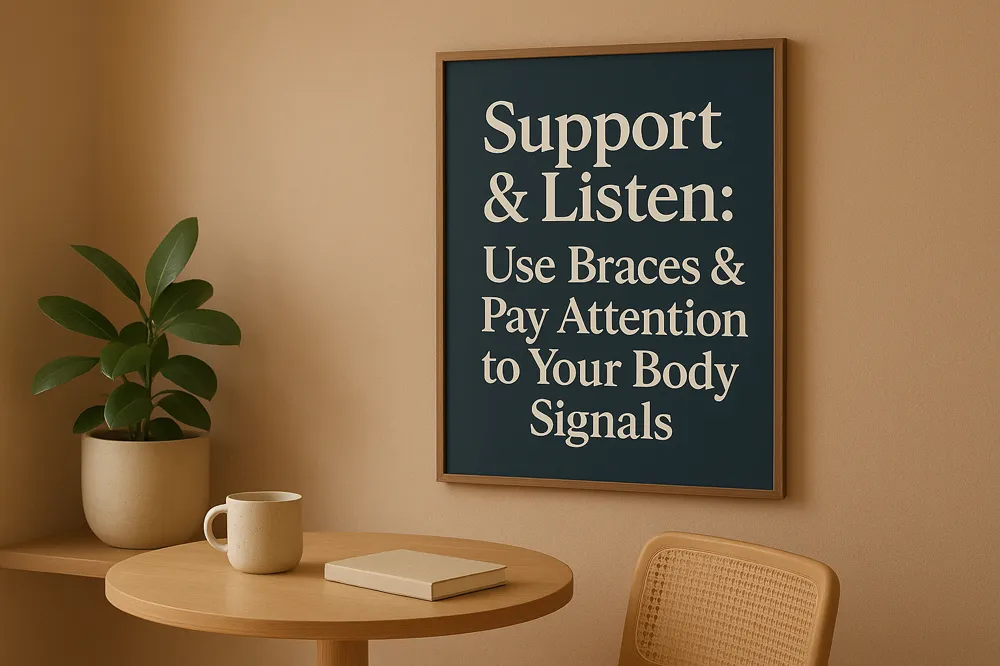
Use of braces and listening to body signals to prevent worsening injuries
Athletes with prior ankle injuries can benefit from Using Braces or Tape techniques to provide additional support and reduce the chances of recurrent injuries. Importantly, Listening to Your Body by stopping or modifying activities when pain or discomfort arises can prevent minor issues from escalating into more severe conditions.
These combined strategies effectively reduce Common Foot and Ankle Sports Injuries, focusing on preparation, protective equipment, environmental awareness, and mindful movement.
Understanding and Managing Common Sports Foot and Ankle Injuries
What Are Common Sports-Related Foot and Ankle Injuries and Their Treatments?
Sports activities often lead to common sports injuries such as ankle sprains, Achilles tendonitis, and plantar fasciitis.
-
Ankle Sprains: These occur when ligaments in the ankle are stretched or torn, commonly through sudden twisting or rolling. Symptoms include pain, swelling, bruising, and difficulty walking. Treatment starts with the RICE protocol—rest, ice, compression, and elevation—to reduce swelling and promote healing. Severe sprains may require immobilization or even surgery.
-
Achilles Tendonitis: Caused by repetitive strain on the Achilles tendon, this condition leads to pain and stiffness in the back of the heel. Management involves rest, ice, anti-inflammatory medications, and physical therapy including calf stretching and strengthening.
-
Plantar Fasciitis: This overuse injury affects the plantar fascia on the sole of the foot, causing heel pain and discomfort during weight bearing. Initial care includes rest, ice, supportive footwear, stretching exercises, and orthotic devices.
Symptoms and Initial Treatment Methods Including RICE Protocol
For strains and sprains, immediate application of the RICE method is critical:
- Rest: Avoid weight-bearing or activities that aggravate pain.
- Ice: Apply ice for 15-20 minutes every 2-3 hours during the first 48 hours.
- Compression: Use elastic bandages to control swelling without impairing circulation.
- Elevation: Keep the foot elevated above heart level to reduce swelling.
Importance of Early Medical Evaluation for Severe Symptoms
Persistent or severe symptoms such as intense pain, significant swelling, numbness, difficulty bearing weight, or deformity warrant prompt evaluation by a specialist. Early diagnosis can prevent complications and guide appropriate interventions like imaging, immobilization, or surgery if necessary.
Role of Rest and Controlled Activity in Recovery
Rest immediately following injury is essential to allow tissue repair. Gradually reintroducing activity with guided physical therapy—including range of motion, strengthening, and balance exercises—facilitates recovery and helps prevent recurrent injuries. Supportive devices, such as braces or orthotics, may be used during recovery to provide stability and reduce stress on healing structures.
Minimally Invasive Foot and Ankle Treatments: Innovations and Benefits
What are the most common advanced, minimally invasive foot and ankle treatments offered by professional podiatry clinics?
Professional podiatry clinics specialize in minimally invasive foot and ankle surgery that utilize small incisions to reduce tissue trauma. Common surgeries include endoscopic techniques, bunion corrections, percutaneous tendon repairs, and arthroscopic interventions. These methods effectively address conditions like bunions, hammertoes, arthritis, neuromas, and sports-related injuries. Typically performed on an outpatient basis under local anesthesia, they often incorporate adjunct therapies such as MLS Laser Therapy to enhance healing and patient comfort.
Advantages over traditional surgery including smaller incisions and faster recovery
Minimally invasive surgery (MIS) offers numerous benefits compared to traditional open surgery. Incisions are approximately 75% smaller, resulting in less pain, reduced swelling, smaller scars, and lower infection risk. Patients frequently experience quicker recovery times, enabling earlier return to daily activities, sports, and work. MIS also tends to preserve soft tissue and blood supply, minimizing stiffness and supporting better functional outcomes.
Conditions treatable with advanced techniques
These innovative procedures are suitable for a broad range of foot and ankle conditions. Bunions, hammertoes, bone spurs, chronic tendonitis, arthritis, ligament injuries, neuromas, flatfoot or high arches, Achilles tendon pathologies, and fractures can be managed effectively. Additionally, MIS can be employed for cartilage repair, fusions, bone cysts, and Charcot foot, demonstrating versatility in addressing both deformities and traumatic injuries.
Safe patient candidacy and surgeon qualifications
Patients considering MIS should consult board-certified podiatric or orthopedic surgeons with specialized fellowship training in foot and ankle surgery. Expertise in advanced minimally invasive techniques is critical for optimal outcomes. Surgeons affiliated with recognized hospitals or specialized surgical centers and possessing a track record of positive patient results offer reassurance. Evaluating surgeon credentials, experience, and patient reviews is recommended for choosing the right specialist.
Comparing Minimally Invasive Surgery to Traditional Methods: Recovery and Risks
How do minimally invasive foot and ankle surgeries (MIS) compare to traditional surgical methods in terms of recovery time and outcomes?
Minimally invasive foot and ankle surgeries (MIS) typically offer faster recovery times than traditional open surgeries. Because MIS uses very small incisions—often less than 5 mm—patients experience less soft tissue damage, reduced pain, and minimal scarring. Many patients can begin weight-bearing activities and wear normal shoes within two weeks after surgery, compared to longer immobilization periods often required after open surgery.
Clinical outcomes with MIS are often as good as or superior to traditional methods. Procedures such as bunion corrections, hammertoe repairs, and Achilles tendon surgeries show high rates of deformity correction and functional improvement. Patient satisfaction tends to be higher due to quicker return to daily activities, less postoperative stiffness, and better cosmetic results.
What are the potential risks and complications associated with minimally invasive foot and ankle procedures?
Although MIS reduces many traditional surgical risks, it is not without potential complications. Risks include inadvertent nerve or tendon injury, bleeding, and skin burns from specialized instruments. An incomplete correction of deformities can occur if the procedure is not performed with precision.
Advanced imaging guidance like intraoperative fluoroscopy and surgical expertise are crucial in minimizing these complications. Meticulous preoperative assessment and operator skill ensure accurate bone cuts and implant placements, reducing the likelihood of adverse outcomes.
Importance of surgeon expertise and advanced imaging guidance
Surgeon experience has a significant impact on the success of minimally invasive foot and ankle surgery. Expert surgeons trained in MIS techniques use specialized tools and rely on real-time X-ray imaging to perform precise interventions while preserving surrounding soft tissues.
This expertise results in fewer complications, lower infection rates, and better functional recovery. Patient selection and preoperative planning, supported by advanced imaging technologies, optimize surgical outcomes and patient safety.
| Aspect | Minimally Invasive Surgery | Traditional Surgery | Notes |
|---|---|---|---|
| Incision Size | Small (<5 mm) | Larger | Smaller incisions reduce tissue trauma |
| Recovery Time | Faster, weight-bearing from ~2 weeks | Slower, longer immobilization | Quicker return to daily activities |
| Postoperative Pain | Less | More | Less pain improves patient comfort |
| Scar Size | Minimal | Larger | Cosmetic benefit |
| Risks | Lower infection, nerve injury possible | Higher infection, tissue damage | Surgical expertise reduces risks |
| Outcome | High deformity correction, improved function | Effective correction | Depends on surgical technique |
| Patient Satisfaction | High | Moderate to high | Enhanced by fast recovery and appearance |
Minimally invasive foot and ankle surgery is a promising option that, when performed by skilled surgeons with appropriate imaging support, offers multiple advantages over traditional methods while maintaining comparable safety and effectiveness.
Optimizing Rehabilitation and Recovery After Foot and Ankle Injuries and Surgery
Personalized rehabilitation plans following minimally invasive surgery
Minimally invasive foot and ankle surgeries, performed through small incisions, allow for quicker healing and less tissue damage. Post-surgery rehabilitation is tailored to each patient’s specific condition and needs. Advanced podiatry clinics design individualized programs focusing on restoring strength, mobility, and function while minimizing discomfort and swelling. These plans typically begin with gentle range-of-motion exercises progressing to more intensive strengthening activities. For more details, see Minimally invasive foot and ankle surgery.
Role of physical therapy including strengthening and balance exercises
Physical therapy is fundamental in rehabilitation. Exercises are aimed at enhancing muscle strength around the ankle and foot, improving joint flexibility, and restoring neuromuscular control. Common rehabilitation routines include heel and toe raises, ankle dorsiflexion and plantarflexion, single-leg balance, and proprioceptive training on various surfaces. These activities help stabilize the joint, reduce the risk of recurrent injuries, and facilitate a safe return to normal activities and sports. See Foot and ankle conditioning program for more information.
Advanced therapies such as laser treatments and regenerative injections
Advanced podiatry clinics complement rehabilitation with innovative therapies such as MLS Laser Therapy to promote tissue healing and reduce inflammation. Regenerative injections like platelet-rich plasma (PRP) injections and amniotic fluid are employed to stimulate tissue repair especially in chronic or slow-healing cases. These adjunct treatments accelerate recovery, decrease pain, and improve overall outcomes alongside physical therapy. More on this is available at Nonsurgical treatments for foot and ankle pain.
Patient education and follow-up care to ensure successful recovery
Education is vital to empower patients during recovery. Individuals receive guidance on proper footwear, activity modifications, and recognizing signs of complications or overuse. Regular follow-up appointments allow clinicians to evaluate healing progress, adjust therapy protocols, and prevent setbacks. Detailed recovery plans encourage adherence and optimize function, supporting patients to return safely to their desired level of activity. For further reading, see Tips for Preventing Foot and Ankle Injuries.
How can advanced podiatry clinics support patient rehabilitation after minimally invasive foot and ankle surgery?
Advanced podiatry clinics support recovery through comprehensive care, combining personalized rehabilitation plans, physical therapy, pain and wound management, and innovative treatments such as regenerative injections and laser therapy. Ongoing patient education and consistent follow-up visits enable early identification of issues and promote successful outcomes while reducing re-injury risk. Learn more about Minimally invasive foot and ankle surgery and Nonsurgical treatments for foot and ankle pain.
A Holistic Approach to Sustained Foot and Ankle Health in Sports
Prevention, Treatment, and Rehabilitation Are Essential
Maintaining foot and ankle health in sports requires a comprehensive approach. Preventative measures such as proper warm-up, wearing sport-specific footwear, and gradual activity increases reduce injury risk. If injuries occur, early treatment using protocols like RICE (Rest, Ice, Compression, Elevation) plus timely medical evaluation ensures optimal recovery.
Importance of Professional Care and Early Intervention
Seeking prompt professional care helps diagnose and address injuries before complications arise. Early intervention with physical therapy and, if necessary, surgery can restore function and prevent persistent instability.
Sustained Strength and Flexibility Yield Long-Term Benefits
Ongoing conditioning and rehabilitation exercises improve strength, balance, and flexibility, decreasing the likelihood of recurrent injuries and promoting long-term foot and ankle health, which supports athletic performance and daily activities alike.