
A Different Way to Approach Surgery
Minimally invasive surgery is a way to treat selected foot and ankle problems through small incisions, often using specialized instruments and X-ray guidance. It describes how an operation is performed, not how serious the condition is or how simple recovery will be. FootCareMD’s overview of minimally invasive surgery explains that the approach may be used for conditions such as bunions, big toe arthritis, and hammertoes.
Smaller incisions may mean less disruption to nearby tissue and smaller scars, but they do not guarantee less pain, faster healing, or an easier return to activity. Surgery still involves risks, and bone correction still requires time to heal. At Advanced Foot Care, an experienced surgeon provides minimally invasive foot and ankle treatments, with the approach considered in light of each patient’s diagnosis and needs.
A clinical assessment helps determine whether a small-incision technique or another approach is appropriate. The choice depends on the condition, the correction required, and individual health factors. Recovery instructions and timelines also vary, so patients should discuss expected benefits, risks, and healing with their surgeon.
How Minimally Invasive Surgery Works
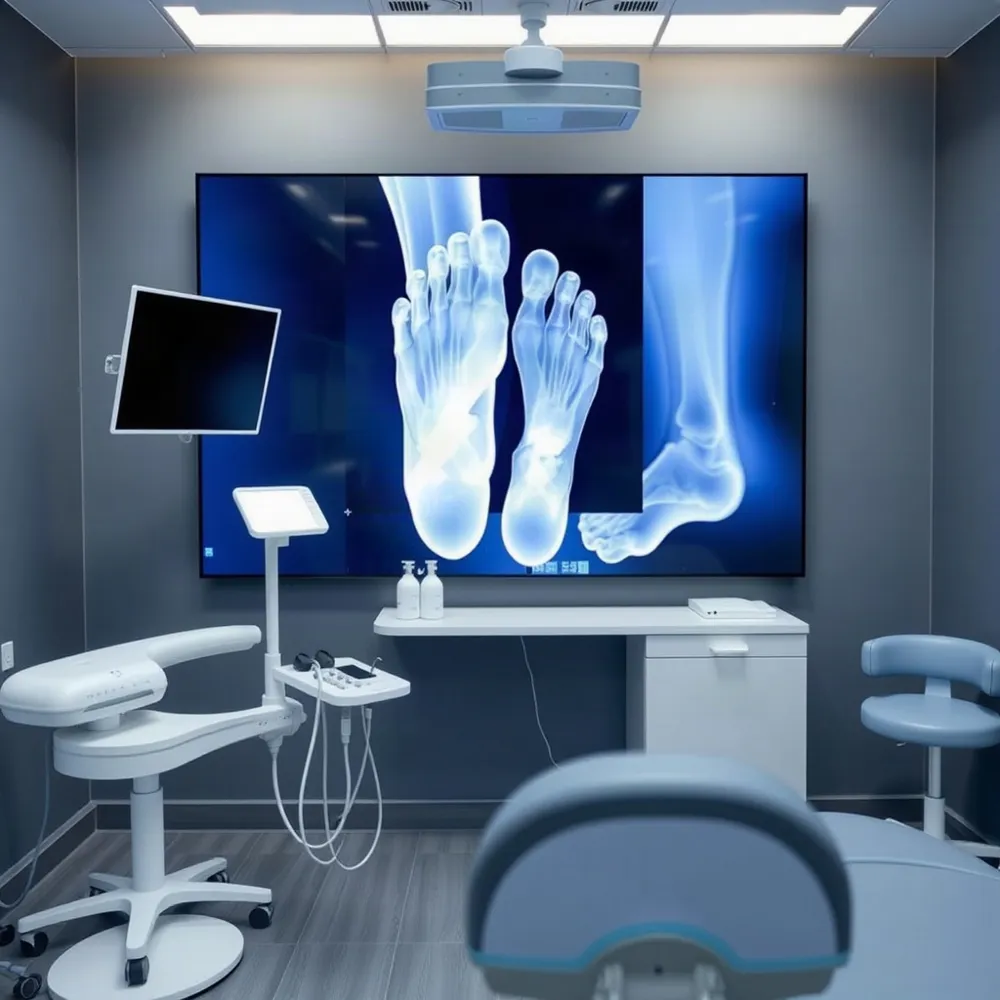 Minimally invasive foot surgery is a surgical method, not a measure of how serious a condition is. The surgeon works through small incisions with specialized instruments, often using X-ray guidance to position tools and make bone corrections. This can limit disruption to nearby soft tissues, while open surgery provides a more direct view of the area. FootCareMD’s overview of minimally invasive surgery explains how surgeons use imaging and specialized instruments for selected procedures.
Depending on the diagnosis and anatomy, a surgeon may consider this approach for bunions, hammertoes, bunionettes, bone spurs, or selected metatarsal problems. These conditions are not automatically suited to small-incision surgery. At advancedfootcareil.com, an experienced surgeon evaluates foot and ankle problems at clinics in NW Chicago and South Florida, with the treatment plan based on the individual condition.
Smaller incisions may leave less visible scarring and, for some patients, reduce early pain or swelling. Recovery may be faster than after open surgery, but these benefits are not guaranteed, and the best approach depends on the correction needed. A surgeon experienced in the technique can explain how the limited view through small incisions affects the procedure and whether direct visualization through an open approach would be preferable.
Small incisions do not eliminate healing time or surgical risks. Patients still need follow-up and must follow instructions about a protective boot, activity limits, and when to bear weight. The American Orthopaedic Foot & Ankle Society’s patient guidance notes that recovery instructions depend on the specific procedure, and that minimally invasive surgery does not remove the risks of surgery.
Bunion Surgery and Choosing an Approach
 A bunion, or hallux valgus, develops when the big toe angles toward the smaller toes and a bump forms at its base. The deformity can cause pain from shoe pressure and make everyday activities uncomfortable. The Hospital for Special Surgery’s overview of bunion surgery describes the condition and common reasons patients seek treatment.
Surgery is usually considered when pain, difficulty wearing shoes, or limits on daily activities continue despite nonsurgical measures such as wider footwear, padding, or toe spacers. These steps may ease symptoms, but they do not realign the bones. Bunion surgery is generally intended to improve comfort and function, not to change appearance alone.
What Does a Bunionectomy Involve?
A bunionectomy corrects the deformity by cutting and repositioning bone, then securing the correction, often with screws. In a minimally invasive approach, a surgeon may use a small burr and specialized instruments through small incisions, with X-ray imaging to guide the bone work. The cuts depend on the bunion’s severity and the alignment that needs correction.
Both minimally invasive and open surgery aim to improve alignment. Smaller incisions may limit disruption to surrounding soft tissue and may reduce scarring, pain, or swelling for some patients, but they do not remove the need for bone healing. Open surgery offers more direct access and may be better suited to severe or complex deformities. Neither approach is best for every foot.
At advancedfootcareil.com, treatment planning is part of care at a podiatry clinic focused on advanced, minimally invasive foot and ankle treatments. An examination and weight-bearing X-rays help assess the deformity, joint condition, and overall alignment. The surgeon can then explain why a particular correction is suitable and what recovery may involve. FootCareMD’s guide to minimally invasive surgery also notes that candidacy and recovery depend on the condition and procedure.
Bunionettes, also called tailor’s bunions, form near the base of the pinky toe. Some may be corrected through small incisions, but the best method depends on the bone shape, symptoms, and foot structure. An evaluation can establish whether surgery is appropriate and set realistic expectations for healing.
Expected Results and Recovery
For appropriately selected patients, minimally invasive bunion surgery can reduce pain, improve toe alignment, and support better foot function. Results depend on the deformity, the correction performed, bone healing, and the surgeon’s experience. A smaller incision does not remove the need for recovery or follow-up, and a bunion can recur. The American Orthopaedic Foot & Ankle Society’s guidance on minimally invasive surgery notes that benefits and recovery vary by procedure and patient.
Some patients can begin protected walking soon after surgery, often in a prescribed boot or surgical shoe. Weight-bearing limits differ by procedure, however, and walking does not mean the bone has healed. Follow the surgeon’s instructions rather than increasing activity or changing footwear based on how the foot feels.
Recovery usually progresses in stages. During the early weeks, elevation, incision care, and prescribed footwear help protect the correction while swelling and soreness settle. Follow-up visits let the surgeon assess healing and adjust activity. Even if stitches are removed, bone healing continues, so the protective shoe may remain necessary for several weeks.
After MICA, or minimally invasive chevron and Akin surgery, some patients transition to a roomy, supportive shoe around six to eight weeks. This is a general guide, not a promise: imaging, healing, the correction performed, and the surgeon’s protocol determine when footwear and activity can change. Swelling or stiffness may last beyond the initial recovery period.
At advancedfootcareil.com, care is provided by a podiatry clinic specializing in minimally invasive foot and ankle treatments, with locations in NW Chicago and South Florida. Ask the surgeon to explain the expected recovery for your specific correction, including when you may resume driving, work, exercise, and longer periods on your feet. Personalized guidance matters because recovery plans differ.
Supporting Healing and Recognizing Risks
 After foot surgery, recovery depends on the procedure and your health, so follow your surgeon’s instructions rather than a general timeline. At advancedfootcareil.com, care is provided by a podiatry clinic specializing in foot and ankle treatment; your own care team should give you specific guidance for your operation.
Follow directions on how much weight to put on the foot, how to protect the dressing, which footwear or mobility aids to use, and how to take prescribed medication. Keep the incision clean and covered as instructed, elevate the foot to help manage swelling, and use ice only if your care team recommends it. Attend follow-up visits, and start exercises or physical therapy only when advised. Increase activity gradually, since doing too much too soon can interfere with healing. For more on postoperative care after foot surgery, see our patient guide.
Small incisions do not remove the need for healing, monitoring, or activity limits. Possible complications include infection, bleeding, nerve irritation or numbness, stiffness, persistent pain or swelling, delayed bone healing, and bones healing out of position. A correction may also be incomplete or recur, and further surgery may sometimes be needed. The American Orthopaedic Foot & Ankle Society’s overview of minimally invasive surgery notes that small incisions do not eliminate surgical risks.
Mild soreness, tingling, or temporary numbness can occur as tissues heal. Contact your surgeon if nerve symptoms are severe, worsening, persistent, or accompanied by weakness or difficulty moving your toes. Seek prompt medical advice for skin color or temperature changes, fever, spreading redness, drainage, or rapidly increasing swelling. If you are unsure whether a symptom is expected, contact your surgical team rather than changing medication or activity on your own.
Other Foot and Ankle Procedures
Minimally invasive techniques may also be used for selected problems such as hammertoes, big toe arthritis, and some ankle conditions, but each diagnosis calls for its own assessment. The approach used for a bunion should not be assumed to suit another procedure. FootCareMD’s overview of minimally invasive surgery notes that candidacy and recovery depend on the condition and operation.
How soon can patients walk after ankle ligament surgery?
After ankle ligament surgery, weight-bearing depends on the repair, any additional procedures, and the surgeon’s protocol. Some patients may begin protected weight-bearing in a boot within days, while others need to keep weight off the ankle for several weeks. At advancedfootcareil.com, an experienced podiatric surgeon evaluates foot and ankle conditions and individual treatment needs at its NW Chicago and South Florida locations.
Use crutches or another walking aid until your surgeon clears you to progress. Walking without a boot, or without a limp, may take longer and depends on healing, strength, swelling, and rehabilitation. Follow your own instructions rather than a general timeline, since putting weight on the ankle too soon can interfere with healing.
Let the Diagnosis Guide the Decision
Minimally invasive surgery is one option, not a goal in itself. The right approach is the one that can safely address the diagnosis and provide stable correction, whether it uses small incisions or a more traditional technique. FootCareMD notes that suitability and recovery depend on the condition and procedure.
At advancedfootcareil.com, a consultation can review symptoms, examination findings, imaging, nonsurgical alternatives, surgical risks, and an individualized recovery plan. Ask why a particular approach is recommended and what restrictions to expect, so your decision reflects your health, goals, and the correction your foot needs.