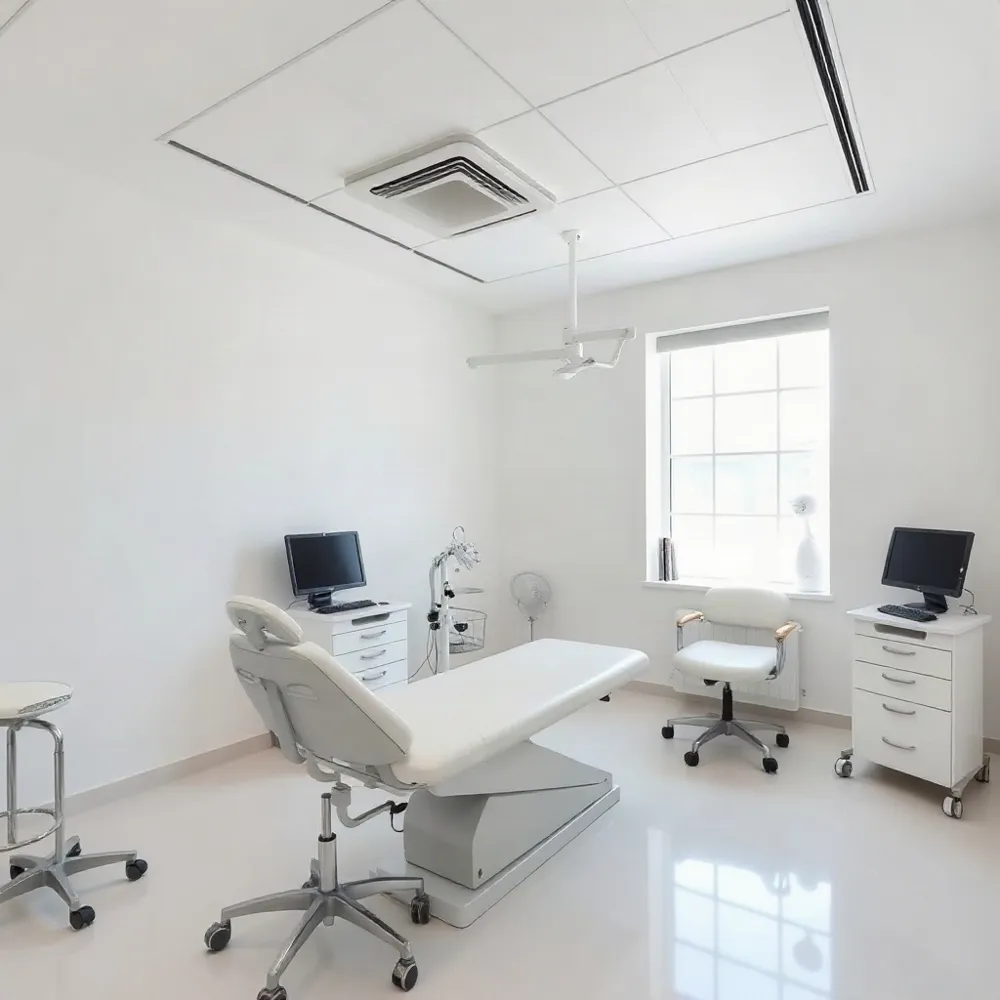
Introduction to Foot Surgery: What Patients Should Know
Importance of Pre-Surgical Consultation
Prior to any foot surgery, a thorough consultation with a podiatrist or orthopedic foot specialist is essential. This step allows patients to discuss their condition, explore non-surgical treatments, and gain a clear understanding of their surgical options. A personalized approach helps in selecting the most suitable procedure based on individual health status and foot anatomy.
Overview of Foot Surgery Types and Goals
Foot surgery encompasses various procedures aimed at relieving pain, correcting deformities, and improving function. Common surgeries include bunion correction, hammer toe repair, tendon surgeries, and ankle fusion. Minimally invasive techniques are increasingly popular, offering smaller incisions and faster recovery times, while traditional open surgeries remain necessary for more complex cases.
Setting Realistic Expectations for Recovery
Understanding the recovery timeline is critical for successful outcomes. Healing can range from several weeks to months, depending on the procedure and patient factors such as age and medical conditions. Patients should expect an initial period of rest, elevation, and limited weight-bearing, followed by gradual rehabilitation with physical therapy to restore mobility and strength.
Effective communication with the surgical team, adherence to post-operative instructions, and patience significantly contribute to a positive recovery experience.
Pre-Surgical Preparation: Setting the Stage for a Smooth Operation
What pre-surgical steps should patients take?
Patients scheduled for foot or ankle surgery undergo comprehensive pre-operative medical testing requirements to ensure their safety and optimize outcomes. These assessments often include Blood work, X-rays, EKGs before surgery, and sometimes chest imaging to evaluate cardiovascular and pulmonary status. Providing a detailed list of all medications—including prescriptions, over-the-counter drugs, herbal supplements, and vitamins—is essential. Certain medications, such as aspirin, NSAIDs, steroids, hormone therapies, and some diabetic drugs, may need to be paused before surgery to reduce risks like excessive bleeding, as described in Stopping certain medications before surgery and Diabetes and blood sugar control before surgery.
Lifestyle modifications significantly impact surgical success. Ceasing nicotine before surgery is particularly important as nicotine impairs blood flow and delays wound healing, increasing infection and complication risks, which are detailed in Risks of nicotine use with surgery. Patients are encouraged to stop smoking well before their procedure, as also emphasized in Smoking cessation before surgery.
Equally important is Preparing your home for foot surgery recovery. Creating a safe, comfortable environment by Installing safety features like grab bars and handrails, setting up a recovery station with essential supplies, removing tripping hazards, and ensuring adequate lighting helps prevent falls and facilitates mobility during early postoperative phases.
Education and practice are key. Patients should engage with their surgical team to Discussing surgery questions with your team, clarify expectations, and learn the use of assistive devices like crutches or knee scooters as indicated in Using assistive devices after surgery. Preoperative physical therapy may be recommended to build strength and familiarize patients with mobility aids, ensuring a smoother transition after surgery (Preoperative physical therapy benefits).
By carefully attending to these pre-surgical preparation for foot and ankle surgery steps, patients can reduce complications, support faster healing, and set a strong foundation for recovery.
Understanding the Surgical Procedures and Risks

What kinds of foot surgeries are common and what are the associated risks?
Common foot surgeries address conditions such as bunions, hammer toes, tendon injuries, and arthritis. Procedures include Bunionectomy for bunions, hammer toe correction, tendon repair, foot fusion (arthrodesis), and others like ankle replacement or plantar fasciitis surgery. Minimally invasive foot surgery (MIFS) has gained popularity for conditions like bunions and plantar fasciitis, using small incisions and specialized instruments that minimize tissue disruption.
Minimally invasive techniques offer benefits including less pain, reduced swelling, smaller scars, quicker return to daily activities, and shorter recovery times. For example, Minimally Invasive Bunion Surgery often allows immediate weight bearing in a protective shoe and a faster return to footwear compared to traditional open surgery.
However, not all patients qualify for minimally invasive procedures, especially those with severe deformities, osteoporosis, or complex conditions. Risks inherent to foot surgery include infection (both skin and bone), blood clots such as deep vein thrombosis, nerve injury, delayed or non-healing of bones, hardware complications, recurrence of deformity, bleeding, stiffness, and chronic pain syndromes.
Selecting an experienced, board-certified foot and ankle surgeon is crucial to mitigate these risks. Expertise ensures accurate diagnosis, appropriate procedure selection, meticulous surgical technique, and effective postoperative management. Comprehensive patient education, preoperative planning, and follow-up care optimize surgical outcomes and patient satisfaction.
| Surgery Type | Benefits | Potential Risks |
|---|---|---|
| Minimally Invasive Bunion Surgery | Less pain, quicker recovery, smaller scars | Nerve injury, recurrence, hardware issues |
| Traditional Bunion Surgery | Effective for severe deformity | Longer recovery, more swelling, infection risk |
| Foot Fusion (Arthrodesis) | Stability, pain relief | Slow healing, infection, joint stiffness |
| Tendon Repair | Restored function | Nerve damage, delayed healing |
Postoperative Care: Managing Recovery and Complications

What should patients do immediately after foot surgery to support healing?
Immediately following foot surgery, patients are advised to keep the foot elevated above heart level to minimize swelling and enhance circulation. Applying ice packs intermittently, with a barrier such as a towel between ice and skin, helps control pain and inflammation. Wearing a specialized post-operative shoe or protective boot prevents unnecessary pressure on the surgical site and supports safe mobility. For more detailed Post-operative symptoms after foot or ankle surgery, follow the guidelines.
Maintaining strict wound hygiene is crucial; dressings should be kept clean and dry to reduce infection risks. Patients should avoid bearing weight on the foot unless otherwise directed and use assistive devices such as crutches or walkers accordingly. For information on Using canes, crutches, or walker post-surgery, proper use is recommended.
Proper pain management involves taking prescribed medications on schedule to prevent breakthrough pain and facilitate early mobility. Learn more about Proactive pain management strategies.
Pain and swelling management
Pain and swelling are common after foot surgery. Elevation and ice application remain the cornerstone treatments during the initial days post-operation. Medications, including analgesics and anti-inflammatory drugs, should be used as prescribed. Patients should limit physical activity and follow weight-bearing restrictions to avoid exacerbating symptoms. Refer to Managing pain and swelling after foot and ankle surgery for comprehensive care.
Signs of complications and when to seek help
Patients must monitor for signs indicating complications. These include increasing or severe pain unrelieved by medication, fever, spreading redness around the incision, unusual or excessive drainage, and calf pain which could signal deep vein thrombosis. Any of these symptoms warrant immediate contact with healthcare professionals for timely intervention. For detailed guidance, see Monitoring warning signs after foot surgery and When to contact your surgeon after foot surgery.
Regular follow-ups with the surgeon enable monitoring of healing progress and early detection of issues such as infection, delayed bone healing, or nerve complications, which are rare but possible. For a full overview, check Follow-up care after foot and ankle surgery.
| Postoperative Care Aspect | Recommendations | Purpose |
|---|---|---|
| Elevation and Ice | Elevate foot above heart, ice with towel | Reduce swelling and pain (Elevation and icing techniques after foot surgery) |
| Wound Care | Keep dressings clean and dry | Prevent infection (Keeping dressings dry during foot and ankle surgery recovery |
| Weight-Bearing | Use assistive devices, avoid pressure | Protect surgical site (Using crutches after foot surgery |
| Pain Management | Take prescribed meds on schedule | Control pain, promote mobility (Proactive pain management strategies) |
| Monitoring for Complications | Watch for fever, redness, drainage, calf pain | Early detection of adverse events (Monitoring warning signs after foot surgery |
Rehabilitation and Long-Term Recovery Strategies

How does rehabilitation influence recovery after foot surgery?
Rehabilitation is a cornerstone of successful foot surgery recovery guide. Physical therapy after foot and ankle surgery plays an essential role in restoring strength, flexibility, and mobility following surgery. Early initiation of Early range of motion exercises after foot surgery—conducted under medical supervision—helps prevent joint stiffness and maintains flexibility in the affected foot and ankle.
Patients typically begin recovery with a Non-weight-bearing mobility techniques phase, progressing gradually to partial and then full weight-bearing activities as healing permits. Mobility aids such as crutches, knee scooters, or walkers support this transition by protecting healing tissues while allowing functional mobility, as explained in Using assistive devices after surgery.
Long-term recovery extends beyond the initial healing phase, often lasting several months up to a year. Swelling is common and may persist for up to six months post-surgery. Post-surgery foot elevation tips, Elevation and icing techniques after foot surgery, and wearing compression or supportive footwear all aid in managing this swelling and promote comfort.
Lifestyle modifications significantly impact recovery success. Maintaining a healthy diet rich in vitamins and minerals accelerates tissue repair. Smoking cessation before surgery before and after surgery reduces risks of delayed healing and infection. Additionally, choosing supportive shoes after surgery with adequate arch support and a wide toe box helps prevent recurrence of deformities and supports sustained foot health.
Structured rehabilitation programs combined with patient adherence to lifestyle guidelines enhance outcomes, helping patients achieve optimal mobility and quality of life following foot surgery.
Emotional and Practical Considerations for a Successful Recovery

What non-medical factors influence recovery after foot surgery?
Recovery from foot surgery extends beyond the physical healing process; emotional and practical factors are equally important. Emotional well-being plays a vital role in the healing journey. Patients supported by family, friends, and healthcare providers experience reduced stress and increased patience, which contribute to more effective recovery. Importance of support systems during recovery
Planning for daily task management is crucial, as surgery often limits mobility. Organizing a support system to aid with activities such as transportation, meal preparation, and household chores significantly eases the recuperation period. Preparing your home for foot surgery recovery Preparing your home with clear pathways Organizing a support system of family and caregivers
Preparing the home environment before surgery by removing tripping hazards and creating a dedicated recovery area enhances safety and comfort. Creating a living space on one level Installing safety features like grab bars and handrails
Balancing activity and rest is essential. Patients should adhere to prescribed gentle exercises to maintain joint flexibility and strength, while also ensuring adequate rest to reduce pain and swelling. Early range of motion exercises after foot surgery Foot strengthening exercises after surgery
Managing stress through relaxation and maintaining a positive outlook further support recovery outcomes. Emotional support during foot surgery recovery
Setting realistic expectations about healing timelines and gradual progress helps patients remain motivated and engaged throughout the process. Foot surgery recovery timeline and expectations
Final Thoughts on Successful Foot Surgery and Recovery
Final Thoughts on Successful Foot Surgery and Recovery
Successful outcomes from foot surgery depend heavily on thorough preoperative preparation and diligent postoperative care. Patients must adhere to medical instructions, including medication management, lifestyle adjustments, and proper wound care. Effective communication with the surgical team is vital to address complications early and optimize healing.
Understanding the recovery process, setting realistic expectations, and engaging in recommended therapies foster better physical and emotional rehabilitation. Those considering surgery should feel encouraged that with meticulous planning and support, most regain improved function and quality of life.
Your commitment and cooperation are essential throughout the surgical journey toward long-term foot health.