A Less Invasive Option
Flat feet are common, and an arch that lowers when standing does not automatically need treatment. When flexible flatfoot is painful or limits activity, care depends on the person’s symptoms, foot structure, and examination. Non-surgical approaches such as observation, orthoses, and physical therapy are often considered before surgery.
For selected patients with symptomatic flexible flatfoot and excessive inward rolling, HyProCure is a minimally invasive procedure that places a small implant in the sinus tarsi, a space between the talus and heel bone. It is intended to support alignment without fusing the joint. A retrospective study of children reported improved pain and foot-function scores, but its findings do not establish outcomes for every patient or age group. The study also reported complications, including sinus tarsi pain.
Unlike more extensive reconstruction, which may involve bone cuts, tendon procedures, or fusion, HyProCure does not typically require those steps when performed alone. At advancedfootcareil.com, treatment planning is led by an experienced podiatric surgeon and considers minimally invasive options alongside the patient’s specific diagnosis. A clinician should explain alternatives, individual risks, and expected recovery before a decision is made.
How HyProCure Supports Foot Alignment
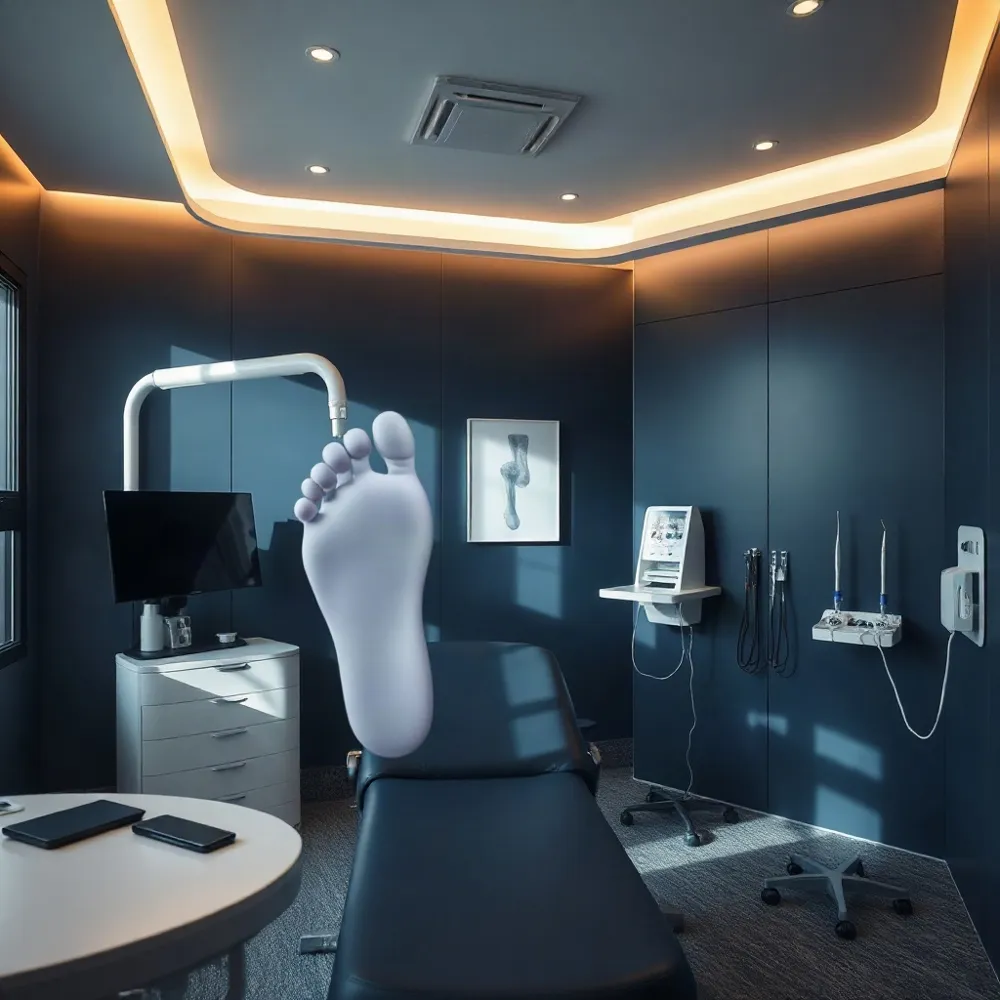 HyProCure is an extra-osseous talotarsal stabilization procedure, meaning the implant sits outside the bones. A small titanium implant is placed in the sinus tarsi, the natural space between the talus, or ankle bone, and the calcaneus, or heel bone. The procedure is intended for selected cases of symptomatic, flexible flatfoot, not for everyone with low arches. Learn more about how the HyProCure implant supports alignment.
The implant is designed to limit excessive inward rolling of the foot and help support the talus in a more stable position. Unlike a fusion, it does not join the bones together, and the intended correction preserves motion in the foot. The procedure uses a small incision and, as described in the patient guide, does not require drilling or screwing the implant into bone.
These are mechanical aims, not a promise that pain will resolve or alignment will be corrected in every case. A pediatric study reported improved pain and foot-function scores after treatment, but its findings apply to the children studied and cannot predict an individual result (study of HyProCure for pediatric flexible flatfoot).
At advancedfootcareil.com, an experienced surgeon evaluates foot and ankle concerns at the clinic’s NW Chicago and South Florida locations. An assessment helps determine whether the pattern of flexibility and symptoms fits this approach or calls for another plan.
Who May Be Considered for Treatment
 Flatfoot describes a shape, not a diagnosis or an automatic reason for surgery. At advancedfootcareil.com, a foot-and-ankle clinician evaluates symptoms and foot mechanics before discussing treatment, including whether a flexible alignment pattern may be contributing to a patient’s problems.
Selected children or adults with symptomatic flexible flatfoot and excessive inward rolling, or overpronation, may be assessed for HyProCure. Candidacy depends on pain or activity limits, flexibility, alignment, anatomy, and overall health. A rigid foot or a more complex deformity may need a different approach, so the same procedure is not suitable for everyone. [Learn more about who may be considered for HyProCure](./understanding-the-hyprocure-procedure-for-flat-feet#who-is-a-good-candidate-for-hyprocure-).
What care is usually considered first?
Observation, orthoses, and physical therapy are common initial options. They may ease symptoms or support function, and surgery is not inevitable if someone has flat feet. In children, arches can develop naturally as they grow, so persistent pain or difficulty with daily activities matters more than age alone.
A 2022 retrospective study examined selected patients aged 10 to 18 whose symptoms had not improved after six months of conservative care. It excluded rigid and neurological flatfoot, which limits how broadly its findings apply. The study of HyProCure for pediatric flexible flatfoot offers evidence about that specific group, not a rule for every child or adult.
For adults, the same principle applies: symptoms and the source of the deformity should guide the discussion, not foot shape alone. An individual examination can help determine whether nonsurgical care remains appropriate or whether HyProCure or another procedure merits consideration.
What the Evidence Can Tell Us
 Research can help frame expectations, but it cannot predict how a particular foot will respond. A 2022 retrospective study examined HyProCure treatment in 69 children and adolescents involving 107 feet, with a mean follow-up of 35.9 months. The implant was used alone in some feet and alongside gastrocnemius recession, a procedure that lengthens a calf muscle tendon, in others. That means the study cannot isolate the implant’s effect in every case. The study’s methods and findings apply to this pediatric group, not to every age or type of flatfoot.
On average, participants’ pain scores fell from 4.06 before surgery to 0.64 at follow-up, while their Maryland Foot Scores, which measure pain, function, and appearance, rose from 71.36 to 90.39. X-ray measurements of foot alignment also improved. These are group averages, not promised results for an individual. At advancedfootcareil.com, treatment planning is based on a patient’s specific foot and symptoms, rather than assuming that study results will apply directly.
The study also reported complications: sinus tarsi pain in 14 of 107 feet, prolonged skin healing in one, and implant extrusion in one. Four feet ultimately had the implant removed after other treatment did not resolve symptoms. Implant depth was associated with a higher likelihood of a lower postoperative function score, highlighting the importance of placement, but it does not establish any one patient’s prognosis.
The findings are encouraging for selected children with symptomatic flexible flatfoot, but the study was retrospective, involved a relatively small group, and had limited follow-up. Longer-term outcomes remain uncertain, including whether alignment and symptoms stay improved over time. Surgery may improve function and discomfort, but permanent correction cannot be guaranteed; the type and severity of the deformity, related tendon or joint problems, and healing all matter. Some patients may still need supportive care after surgery.
Other Flatfoot Surgery Options
Flatfoot surgery is not one standard operation. The choice depends on what is causing the deformity, which structures are affected, and how severe or flexible the foot is. Surgery is generally considered when symptoms continue to limit daily activities despite appropriate nonsurgical care.
Examination and imaging help identify whether the problem involves tendons, ligaments, bones, or joints. At advancedfootcareil.com, an experienced podiatric surgeon evaluates the foot and ankle to guide treatment planning, including whether one procedure is likely to address the problem or additional correction may be needed.
What types of surgery are used to treat flatfoot?
Depending on the findings, surgery may include lengthening a tight calf or Achilles tendon, repairing a damaged tendon, or transferring a tendon to help support the arch. A heel-bone osteotomy repositions the heel to improve alignment. Other bone procedures may reshape or reposition parts of the foot, while fusion may be considered when a joint is rigid, arthritic, or too damaged to preserve.
These reconstructive procedures are not interchangeable with HyProCure, which is an implant-based option intended to stabilize alignment in selected cases of flexible flatfoot. It may not correct tendon damage, arthritis, or every structural problem, and a surgeon may recommend other procedures when those issues are present. A review of adult acquired flatfoot reconstruction describes surgical approaches for adult deformity, underscoring that treatment must match the structures involved.
Some reconstructions involve cutting and fixing bone or fusing joints, so recovery can be longer than after an isolated implant procedure. The exact restrictions and timeline depend on the operation and the individual; the surgical plan should include a clear discussion of expected healing, weight-bearing, and rehabilitation.
For a broader overview of how clinicians weigh nonsurgical care and surgery, see other flatfoot surgery options.
Recovery Depends on the Procedure
Recovery after HyProCure varies with the patient and surgical plan. The patient guide reports that many patients may bear weight the same day, but the tissue around the implant needs at least four to six weeks to anchor. It advises waiting at least six weeks before running or jogging. These are general source-reported timelines, not instructions for every patient.
Your treating surgeon should set the plan for walking, footwear, and return to sport. At advancedfootcareil.com, treatment planning is part of individualized foot and ankle care, and postoperative guidance should reflect the procedure performed and the patient’s progress. For more on the stages of healing, see what to expect during HyProCure recovery.
Some patients have early soreness or swelling, or notice a firm area near the incision that may relate to scar tissue. Sensation and healing differ between individuals. Contact the surgeon about worsening pain, redness, drainage, or other concerning changes, and attend recommended follow-up visits.
Recovery can take longer when flatfoot correction involves bone procedures, tendon work, or other reconstruction. One adult reconstruction pathway describes about six weeks without weight-bearing, followed by a gradual transition to weight-bearing in a boot after clinical review and imaging. Rehabilitation and a return to regular footwear and usual activities come later; full recovery may take many months.
There is no single recovery timeline for overpronation surgery. The exact procedure, the deformity being treated, general health, and healing all matter. Activity usually increases in stages under the surgeon’s direction, and strength and mobility can continue to improve after initial healing. Ask your surgeon which milestones apply to your operation rather than relying on a general schedule.
Costs and Treatment Planning
There is no standard HyProCure price established for patients treated through advancedfootcareil.com. Fees published by an Arizona pediatric practice reflect that provider’s setting and should not be used to estimate costs in Chicago or South Florida.
Out-of-pocket costs may depend on insurance benefits, surgeon and facility fees, anesthesia, evaluation appointments, and whether one or both feet are treated. Additional procedures can also change the total. Coverage varies by plan, so confirm network status and any prior authorization requirements with both the insurer and treating clinic.
Ask for a personalized estimate that explains what is included and what may be billed separately. Before deciding, review the proposed procedure alongside alternatives, expected benefits, risks, and the recovery plan. For more on planning costs for this treatment, see HyProCure cost and insurance considerations.
Nerve Symptoms After Foot Surgery
Numbness, tingling, burning, or pain after foot surgery can have several causes. Temporary effects of anesthesia or swelling may play a role, while nerve irritation or injury is less common. Symptoms alone cannot identify the cause.
The available HyProCure research does not establish a specific timeline for nerve healing after the procedure. Recovery varies, so contact your surgeon if symptoms worsen, limit normal activities, or fail to improve as expected. New weakness or loss of movement needs prompt medical assessment. For more on possible causes of nerve symptoms after surgery, see nerve health and warning signs during foot-surgery recovery.
An Individualized Decision
HyProCure may be an option for selected people with symptomatic flexible flatfoot, but it is not a universal fix or a substitute for identifying what is causing the symptoms. A pediatric study reported improved pain and foot-function scores in its participants, but its findings do not predict outcomes for every patient or apply to every type of flatfoot (the 2022 cohort study).
A foot-and-ankle clinician can help weigh nonsurgical care against HyProCure or other procedures, and explain evidence limits, risks, costs, and likely recovery steps. At advancedfootcareil.com, treatment planning should reflect the individual’s anatomy, symptoms, and examination findings, rather than a standard result or timeline.
Before deciding, ask how each option fits your goals and what outcomes are realistic for your specific condition. A clear discussion of benefits, uncertainties, and alternatives can help you make an informed choice with your care team.