A Modern Solution for Flat Feet
Flat feet (pes planus) are a common condition affecting an estimated 20% to 30% of the population. When the arch of the foot collapses, the entire sole makes contact with the ground. For many people, this causes no issues, but for others, it leads to pain in the feet, ankles, knees, hips, and lower back. Over time, untreated misalignment can contribute to conditions such as plantar fasciitis, bunions, and tendonitis.
HyProCure® is a minimally invasive surgical procedure that addresses the root cause of flat feet. A small titanium stent is placed into a natural space called the sinus tarsi, just outside the ankle joint, to stabilize the talotarsal joint. This corrects the excessive inward rolling (overpronation) that leads to flattening of the arch, without cutting bones or tendons.
The procedure has received FDA clearance since 2004 and is backed by over 20 years of peer-reviewed clinical evidence. Studies report permanent correction in more than 93% of patients and an implant success rate of 98.96% at eight years. Most people walk within days and return to full activity in a matter of weeks, a much faster recovery than traditional reconstructive flatfoot surgery. The following sections walk through candidacy, the procedure itself, recovery expectations, and long-term outcomes, so you can have an informed conversation with your podiatric surgeon.
What Is HyProCure and How Does It Work?
 HyProCure is a medical-grade titanium stent, roughly the size and shape of a small thimble, designed to correct the underlying misalignment that causes flat feet. It is classified as an extra-articular arthroereisis device, meaning it stabilizes the subtalar joint from the outside without crossing the joint surfaces, thereby preserving natural range of motion.
The device is placed into the sinus tarsi, a small, naturally occurring bony canal on the outside of the ankle, located between the talus (ankle bone) and the calcaneus (heel bone). Through a single incision of less than 2 cm, the surgeon repositions the talus to open this space and then inserts the titanium stent. The implant acts as a mechanical block, preventing the talus from collapsing inward and downward onto the calcaneus — the core problem known as talotarsal displacement.
By holding the talus in its correct position, the stent directly addresses hyperpronation, or excessive inward rolling of the foot. This realignment restores the foot's natural gait cycle — the heel-to-arch-to-toe propulsion — effectively correcting flat foot deformity at its source rather than merely masking symptoms. Studies have documented that HyProCure significantly improves key radiographic parameters, such as the Meary angle and calcaneal pitch, confirming objective structural correction.
Unlike orthotics, which only offer temporary support, HyProCure treats the root cause of flat feet by stabilizing the joint and allowing the foot to function properly on its own. The titanium implant is inert, non-reactive with MRI and CT imaging, and designed to remain permanently in place, with over 20 years of peer-reviewed clinical evidence supporting its safety and efficacy.
Who Is a Good Candidate for HyProCure?
 Determining the right candidate for the HyProCure implant relies on a few specific clinical criteria. The procedure is designed for individuals with flexible flatfoot, meaning the arch reappears when the foot is lifted off the ground, and who continue to experience pain or functional limitations after at least six months of conservative treatment such as orthotics, physical therapy, or activity modification. Studies show that in young patients (average age 10.7 years) with flexible flatfeet who had failed conservative care, HyProCure produced significant improvement in foot posture and radiographic parameters with no major complications.
Ideal vs. Less Suitable Candidates
Ideal candidates. Those with flexible flatfoot, a normal range of motion in the subtalar joint, and persistent symptoms (arch pain, fatigue, overpronation) despite wearing custom orthotics or undergoing therapy.
Less suitable candidates. Patients with rigid flatfoot (the arch does not reappear on toe-standing), significant arthritis in the foot or ankle, or severe talotarsal displacement that may require additional reconstructive procedures (e.g., calcaneal osteotomy, tendon transfer, or fusion) to achieve proper alignment. The HyProCure implant is not appropriate for these conditions because it cannot correct fixed deformities or joint degeneration.
A formal in-office evaluation with a podiatric surgeon is needed to confirm candidacy. The specialist examines foot posture, gait, and range of motion and may order weightbearing X-rays, CT, or MRI to rule out rigid deformity or tendon pathology. At advancedfootcareil.com, the clinic's experienced surgeon assesses each patient's specific foot structure and symptoms to determine whether HyProCure or a combination of minimally invasive procedures is the best path forward.
Pediatric vs. Adult Candidacy
Candidacy differs by age group. In children, the procedure is most often considered between ages 7 and 13, when foot bones are still developing but conservative measures have failed. Early intervention can prevent long-term knee, hip, and back issues; a study noted a 32.8% reduction in forces on the medial knee joint in adults who had undergone extraosseous talotarsal stabilization, supporting treatment before chronic compensation patterns become permanent. Adults may also be candidates at any age if they have flexible flatfoot with persistent pain that limits daily activity. However, adults are more likely to have concurrent conditions (e.g., posterior tibial tendon dysfunction or arthritis) that may require adjunct procedures.
For both children and adults, the evaluation includes a review of the patient's symptoms, activity goals, and overall health. The decision is individualized. The surgeon at advancedfootcareil.com works with each patient to weigh the benefits of a minimally invasive approach against any more complex needs, ensuring realistic expectations for recovery and long-term outcome.
How the HyProCure Procedure Is Performed
 The HyProCure procedure is performed as an outpatient surgery under local anesthesia, with optional intravenous sedation for patient comfort. A podiatric surgeon makes a small incision — typically 1.5 to 2 cm — just below the outer ankle bone to access the sinus tarsi, a natural space between the talus and calcaneus bones.
Through this tiny opening, the surgeon repositions the ankle bone to open the sinus tarsi, then inserts the medical-grade titanium stent. The stent locks into place without pins, drills, or screws, relying on scar tissue forming around its grooves to hold it stable. The entire process takes about 20 minutes.
HyProCure was cleared by the FDA in 2004 and is manufactured by GraMedica under ISO 13485, CE MDR, and Health Canada approvals. At AdvancedFootCareIL.com, experienced surgeons guide patients through preoperative consultation, the procedure itself, and postoperative care — offering a proven, minimally invasive correction for flat feet with recovery in days, not months.
Recovery Timeline and What to Expect
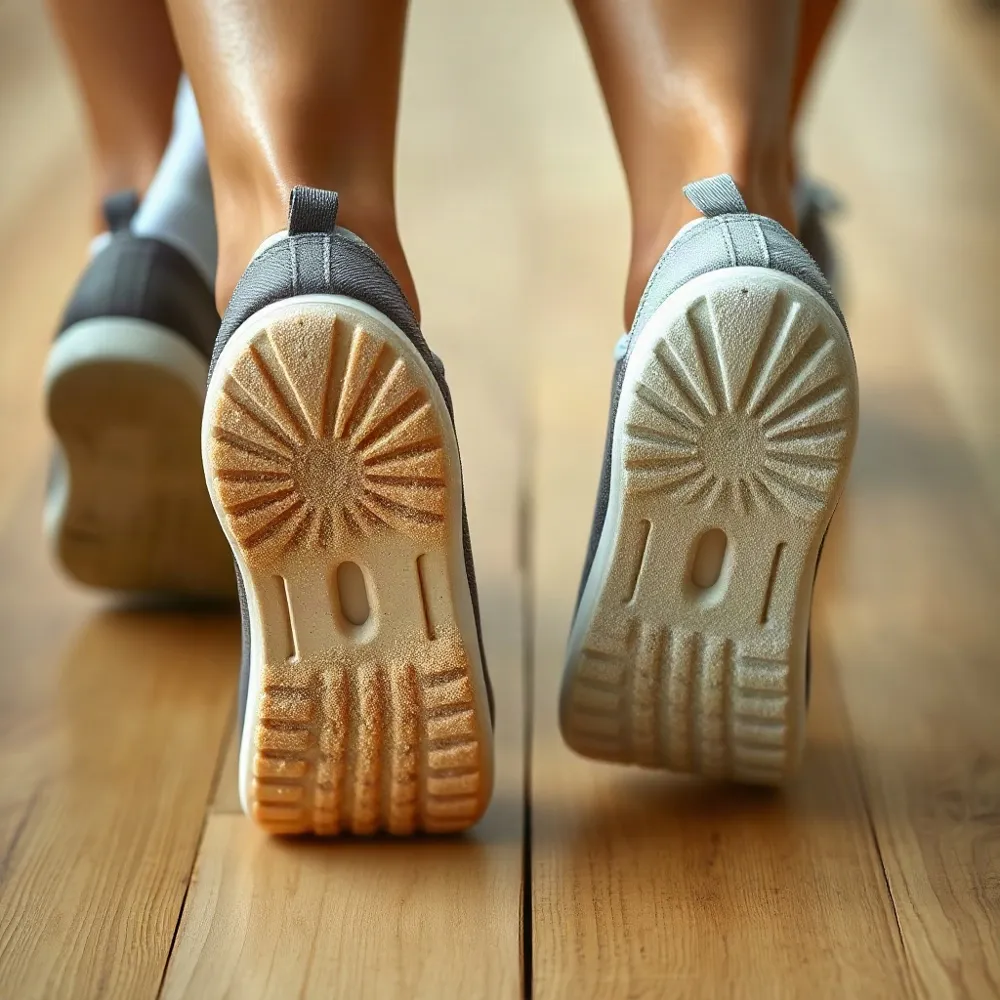 The recovery from HyProCure surgery is notably quicker than traditional flatfoot reconstruction. Most patients are walking in regular shoes within two weeks and return to normal activity levels within six to eight weeks, according to studies on the procedure. In contrast, traditional flatfoot reconstruction requires non-weightbearing for 2-6 weeks initially, with a cast or splint and crutches, and full recovery often takes 12 to 18 months.
Immediately after the HyProCure procedure, patients are placed in a CAM walker boot and use crutches for the first one to two weeks. Many patients can bear weight in the boot by the end of the first week. A study cited by GraMedica reports that most patients are walking within 3–4 days after surgery. After the first two weeks, patients typically transition out of the boot and into supportive athletic shoes.
Between weeks three and six, most people can return to daily activities such as walking and light exercise. Return to full activity, including running and sports, often occurs by weeks 6–8. A 2025 study in Orthop Surg found return to full activity occurs in 2–3 weeks post-procedure for many patients. Continued improvement in strength and mobility can occur over the following months.
Compared to Traditional Flatfoot Surgery
A key advantage of HyProCure is its significantly shorter recovery period. Traditional flatfoot reconstruction procedures, which involve cutting bones and transferring tendons, require 6-12 weeks of non-weightbearing in a cast, followed by months of rehabilitation. Full recovery and return to unrestricted activity often take 12-18 months. Patients recover far more quickly with HyProCure, often returning to wearing regular shoes within a week and to sports within a couple of months.
Recovery Stage. HyProCure Recovery
Walking in boot. Within first few days to 1–2 weeks
Return to regular shoes. 1–2 weeks
Return to full activity / sports. 6–8 weeks
Full recovery. Approximately 2–3 months
For more detail on the initial recovery period, including when you can expect to put weight on your foot, see our guide on what to expect during recovery after foot surgery.
Success Rates and Long-Term Outcomes
 For patients considering the HyProCure procedure, the most pressing questions often revolve around durability: can flat feet be corrected for good, and is the surgery worth it? The published evidence provides clear answers. Across multiple studies, HyProCure demonstrates a permanent correction rate between 94% and 98.96% in both children and adults, with particularly strong results in pediatric patients [source: GraMedica, citing Fu et al. 2025 and pediatric clinical data]. This means the vast majority of patients experience lasting realignment of the foot's architecture.
The implant's safety profile is reinforced by its low removal rate. Long-term follow-up data show an overall stent removal rate of 4.37%, and in pediatric patients the rate drops to just 1.04% at 8 years [source: GraMedica, citing Fu et al. 2025]. When removal does become necessary — typically due to persistent sinus tarsi pain that does not respond to conservative care — the procedure is straightforward and does not lead to recurrence of the flatfoot deformity. This contrasts sharply with traditional flatfoot reconstruction, which is far more invasive and difficult to reverse.
Objective Radiographic and Biomechanical Improvement
Beyond patient-reported outcomes, objective measurements confirm the mechanical correction. A biomechanical study using the HyProCure® II stent found a 32.8% reduction in forces on the medial knee joint in adult patients [source: GraMedica, citing published biomechanics data]. Radiographic parameters such as the talus–second metatarsal angle improved by 58.92% with HyProCure, compared to only 3.20% with orthotics — an 18-fold greater correction [source: GraMedica, citing Steber & Kolodziej, 2015]. The same study showed that HyProCure-style correction matched lateral calcaneal lengthening osteotomy on AOFAS scores while achieving significantly higher family satisfaction [source: GraMedica, citing Tahririan et al. 2021, Int Orthop].
For patients weighing the value of surgery, these numbers offer a data-driven answer: when performed on appropriately selected candidates who have failed conservative therapy, HyProCure offers a safe, minimally invasive route to permanent correction with very low long-term risk. At Advanced Foot Care of Illinois, our experienced surgeons evaluate each patient's specific foot posture and symptoms to determine candidacy and set realistic expectations for recovery and outcomes.
Can the HyProCure Implant Be Removed?
 One common question patients ask is whether the HyProCure implant can be removed if needed. The answer is yes — removal is a straightforward outpatient procedure that is considered safe and generally returns symptoms to pre-operative levels. The need for removal is uncommon, but when it occurs, it leaves no lasting restrictions and avoids the hardware-related complications that can accompany more invasive reconstructive surgery.
Low Removal Rates and High Implant Retention
Long-term clinical data indicate that the HyProCure implant stays in place for the vast majority of patients. The overall removal rate is reported at 4.37% across all age groups, with an even lower rate of 1.04% in pediatric patients at an 8-year follow-up. These figures reflect the device's long-term stability and its success in correcting hyperpronation without the need for future intervention.
When removal is performed, patients can return to normal activities without restrictions. No complications from hardware removal have been reported in the literature, and the procedure does not compromise the foot's alignment or function.
Cost and Insurance Considerations
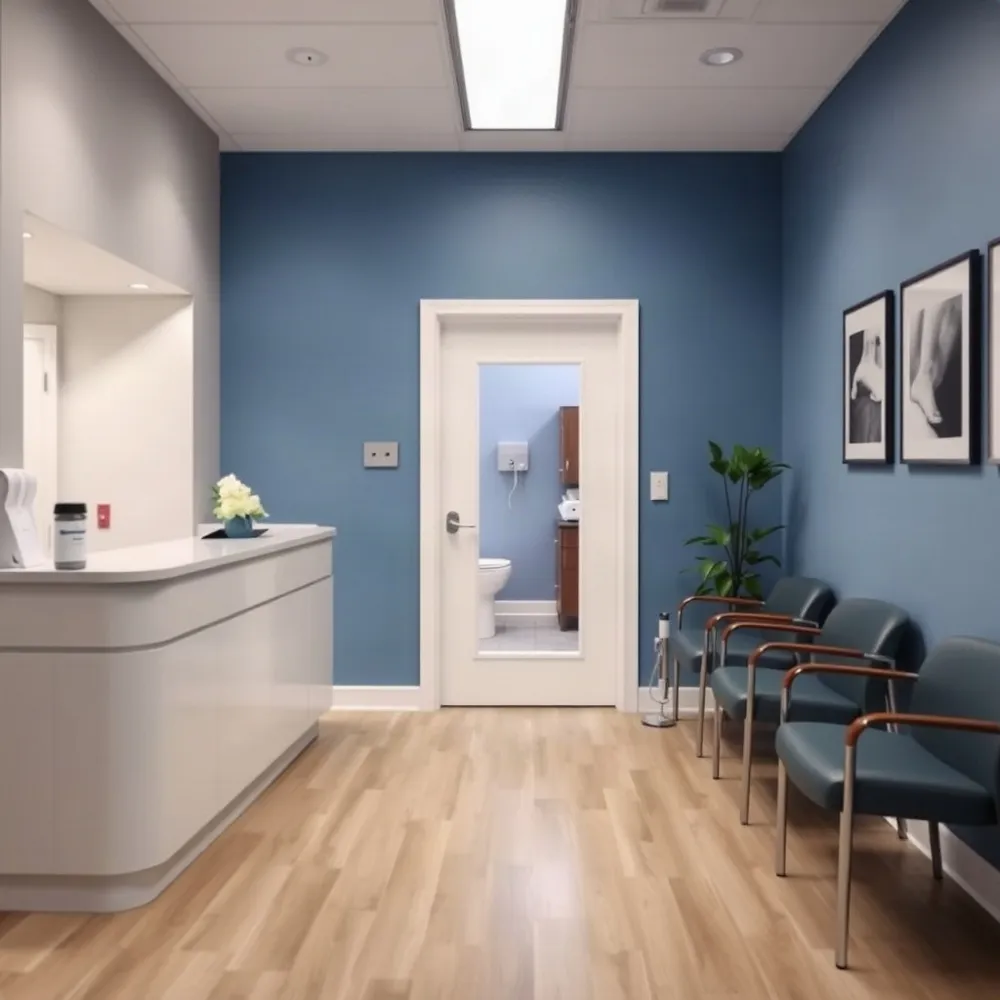 Understanding the financial side of HyProCure surgery is an important step. The procedure is often not covered by insurance, so most patients pay directly. Self-pay fees typically range from about $6,295 per foot at an outpatient surgery center to around $3,800 per foot for an in-office procedure. For both feet, the total at a facility can reach roughly $12,590, while an in-office procedure for both feet totals about $7,600.
The cost difference between an outpatient facility and an in-office setting is notable. Facility fees, anesthesia costs, and the physician fee are the main drivers of the higher price at a surgery center. In contrast, an in-office procedure bundles these elements into a single lower fee, making it a cost-effective option for eligible patients. At Advanced Foot Care, a consultation will clarify which setting is right for your specific case and provide a personalized estimate.
Other surgical options for flatfoot correction can also carry significant costs, often exceeding $15,000 depending on the complexity. Traditional reconstruction may involve longer recovery times and additional expenses for physical therapy. For many patients, the reduced downtime and bundled pricing of HyProCure make it a financially attractive alternative when insurance coverage is limited. The most reliable estimate comes from a direct consultation where the surgeon evaluates your foot and outlines the necessary treatment plan.
Taking the Next Step Toward Relief
For people with persistent flat-foot pain who have not found relief with orthotics, physical therapy, or lifestyle changes, the HyProCure procedure offers a minimally invasive path toward lasting correction. With FDA clearance since 2004, a peer-reviewed implant success rate of 98.96% at eight years, and recovery measured in weeks rather than months, it stands as a well-supported alternative to traditional reconstructive surgery.
The first step is a formal evaluation with a podiatric surgeon. At advancedfootcareil.com, the consultation includes a physical exam and imaging to confirm that your flatfoot is flexible and that no significant arthritis is present — the two criteria that make HyProCure a strong option. If you have tried conservative care for six months or more and still experience arch pain, knee discomfort, or a noticeable inward roll of the ankle, it is time to schedule an assessment.