Introduction: Understanding Your Foot Surgery Recovery
Overview of recovery process
Recovery following foot and ankle surgery is often an extended journey requiring patience and commitment. It typically begins with a rest period to allow the surgical site to heal, followed by gradual increases in mobility and weight-bearing as advised by your surgeon. Protection of the operated foot through boots or splints is common early on to prevent injury and promote healing.
Importance of mindset and support
Having a positive mindset and a strong support system is crucial for a successful recovery. Emotional resilience helps manage frustrations during limited mobility phases, and assistance from caregivers ensures safety and adherence to post-operative instructions. Engaging with healthcare providers and family can facilitate better outcomes.
General timeline expectations
Recovery times vary depending on the surgery type and individual health but generally range from a few weeks to several months or up to two years for full restoration of function. Early weeks involve rest and protection, followed by physical therapy to restore strength and flexibility. Patients might resume daily activities within six months, though ongoing care and lifestyle adjustments remain important for optimal joint health.
Typical Recovery Timeline and Initial Post-Operative Care

What is the typical recovery timeline for foot surgery?
Recovery from foot surgery recovery timeline depends largely on the type of procedure performed and its complexity. Generally, patients can expect an initial phase of pain and swelling lasting several weeks, with the most intense symptoms during the first week post-operation. Swelling and tenderness may persist for 3 to 4 months, but gradual improvement follows.
Weight-bearing restrictions are critical in the early recovery period, with non-weight bearing or limited weight bearing typically required for 6 to 8 weeks. During this time, patients often use crutches, walkers, or a protective boot to immobilize and protect the surgical site. After this phase, a gradual transition back to normal footwear and activities is encouraged.
Full recovery and return to routine mobility and recreational activities can take anywhere from 6 months to a year, particularly for surgeries involving bone realignment or tendon repair. Adherence to prescribed physical therapy after foot and ankle surgery is essential for restoring strength, flexibility, and balance.
How long should I keep my foot elevated after surgery?
Elevating the foot above heart level is a fundamental part of Post Operative Instructions to reduce swelling and improve circulation. Patients are advised to keep the foot elevated strictly for the first 4 to 5 days following surgery. This practice helps minimize fluid accumulation and controls inflammation at the surgical site.
Elevation should continue as part of swelling management for up to two weeks post-operation, with gradual reduction in frequency and duration as swelling subsides. Consistent elevation during this period supports faster healing and reduces discomfort.
When can I stop elevating my foot after surgery?
Most surgeons recommend maintaining foot elevation for about two weeks, adapting this based on individual healing progress and the specific surgical procedure. Continuous use of elevation early in recovery is crucial in preventing complications such as deep vein thrombosis.
Patients should follow their surgeon’s detailed instructions regarding the duration and extent of elevation, as premature discontinuation may prolong swelling or delay healing.
How long does it take for a foot surgery incision to heal?
The surface incision from foot and ankle surgery recovery typically heals within two to three weeks. This healing phase involves closure of the skin and initial tissue repair.
Complete internal healing, including bone and soft tissue repair, can be significantly longer and depends on patient factors such as age, health status, and adherence to Post Operative Instructions. During healing, it is important to keep the incision clean, dry, and protected from pressure or trauma to avoid infection or wound complications.
Regular monitoring for signs of infection—such as increased redness, swelling, discharge, or fever—is essential during the healing process.
| Aspect | Typical Duration | Important Notes |
|---|---|---|
| Pain and Swelling | Several weeks to 3-4 months | Most intense first week; managed with meds |
| Weight-bearing Restriction | 6-8 weeks | Use crutches/boot as prescribed |
| Foot Elevation | 4-5 days strictly; up to 2 weeks total | Elevate foot above heart level |
| Incision Healing | 2-3 weeks (surface) | Keep clean and dry; monitor for infection |
| Full Recovery | 6 months to 1 year | Includes physical therapy and lifestyle changes |
Effective Post-operative care instructions, including elevation, controlled weight bearing, pain management, and wound care, significantly influences successful recovery outcomes after foot surgery. Patients should maintain close communication with their surgeon to tailor care to their individual healing trajectory.
Managing Pain and Mobility: The Early Recovery Phase

What are the most painful days following foot surgery?
The highest intensity of pain after Foot surgery recovery typically occurs within the first 48 to 72 hours, peaking around day three. This acute pain phase is marked by swelling, bruising, and discomfort at the surgical site. Minimally invasive foot surgery usually result in less pain and quicker relief than traditional open procedures.
Pain management strategies
Effective pain control after foot surgery is crucial during this early period. Patients are advised to start prescribed pain medications proactively before the anesthesia wears off, often continuing for the first 3 days. Pain relief may include a combination of narcotics, acetaminophen, and nonsteroidal anti-inflammatory drugs, always following physician guidance. Applying ice packs for swelling with a protective barrier and elevating the foot above heart level significantly reduce swelling and alleviate pain.
Use of assistive devices and mobility limitations
Weight bearing instructions after foot surgery are generally limited initially. Patients often use assistive devices such as crutches or knee scooters, walkers, knee scooters, or surgical boots to protect the foot and avoid putting weight on the affected limb. Mobility is restricted to short distances as tolerated, emphasizing non-weight-bearing or partial weight-bearing as directed by the surgeon.
Importance of rest and elevation
Rest after surgery and elevation are essential to manage pain and swelling. Elevating the foot higher than heart level for almost all waking hours during the first week minimizes fluid accumulation and discomfort. Limiting activities that stress the foot allows tissues to heal appropriately and prevents complications.
Attention to these strategies during the early recovery phase supports optimal healing and sets the foundation for gradual mobility restoration and rehabilitation.
Work, Activity, and Lifestyle Adjustments During Recovery

What is the recommended duration off work after foot surgery?
Recovery time off work varies mainly by the type of surgery and the physical demands of a patient's occupation. For those with desk jobs or sedentary roles who can maintain foot elevation, a return to work may be possible within about two weeks following surgery. In contrast, patients whose jobs require extended standing, walking, or physical labor often need a longer recuperation period, commonly ranging from six to twelve weeks, and sometimes up to three months.
Surgeons usually customize activity restrictions and anticipated timelines according to how well a patient progresses in healing. This personalized approach helps mitigate complications and promotes optimal recovery. For more detailed information, see Recovery times for podiatry surgeries.
How is activity gradually reintroduced during recovery?
Patients are advised to keep weight off the affected foot initially, often using assistive devices such as crutches or walkers. Gradual weight-bearing is initiated only when cleared by the surgeon, often after several weeks, progressing slowly with physical therapy aimed at restoring strength, balance, and foot function.
During the first weeks, rest, icing, and foot elevation remain crucial to reduce swelling and pain. As healing advances, light activities and non-impact exercises like swimming or cycling are encouraged to support circulation and overall fitness without overstressing the surgical site. Guidance on this can be found under Post Operative Instructions.
What lifestyle modifications support healing?
Lifestyle changes play a significant role in post-surgical recovery. Smoking cessation is highly recommended due to smoking's negative impact on blood flow and bone healing. Maintaining a healthy weight lowers stress on the foot and ankle joints, while a nutrient-rich diet abundant in proteins, vitamins, and minerals supports tissue repair.
Consistent medical follow-up and adherence to the prescribed rehabilitation regimen ensure early detection of potential complications and promote long-term surgical success. For additional advice, refer to Lifestyle changes after foot and ankle surgery.
What footwear recommendations help during and after recovery?
Supportive footwear is vital throughout recovery and beyond. Patients should avoid tight, narrow, or high-heeled shoes. Instead, wide-toed, cushioned shoes with good arch support help accommodate swelling and prevent deformity recurrence.
Initially, patients wear specialized post-operative shoes or boots designed to protect and stabilize the foot. Transitioning back to regular sneakers occurs gradually, typically after 6 to 8 weeks, depending on the individual case. For specific footwear guidance, see Supportive footwear for foot health and Post-operative care for bunion surgery.
What challenges do patients commonly face during recovery?
Physical challenges include managing persistent swelling and stiffness that may last several months, pain control, and limited mobility requiring adaptation to assistive devices. Emotional challenges such as frustration, isolation, and restlessness are also common due to activity restrictions.
Patients are encouraged to practice patience and maintain realistic expectations throughout their recovery journey. Engaging in safe activities, using social support networks, and communicating openly with care providers can mitigate these difficulties and enhance the healing experience. More about managing recovery challenges can be found at Foot and ankle surgery recovery.
Nerve Health and Identifying Complications Post-Surgery
What are signs of nerve damage in the foot after surgery?
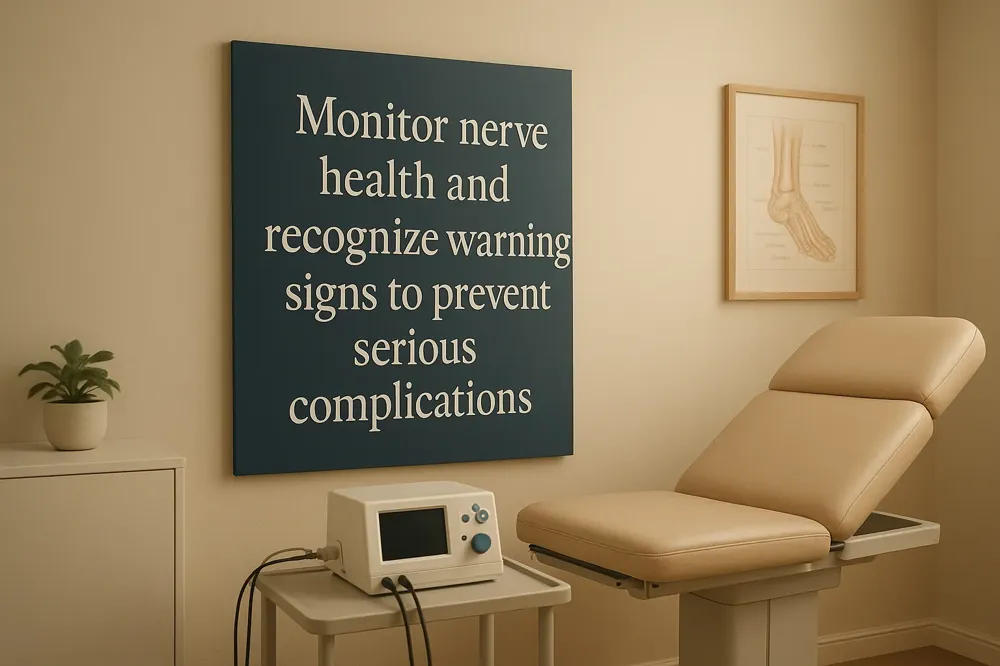
Signs of nerve damage following foot surgery recovery include persistent numbness, tingling, burning sensations, or shooting and electric shock-like pain around the surgical site. Patients may also experience weakness or altered sensation in the foot. If these symptoms worsen or extend beyond the expected healing timeline, it is crucial to seek specialist evaluation promptly to avoid further complications.
How long does it take for nerve damage to heal after foot surgery?
Minor nerve irritation typically improves within weeks to a few months. However, more significant nerve injuries may take several months or even over a year to heal due to the slow nature of nerve regeneration, which occurs at roughly 1 millimeter per day. Continuous follow-up appointments are essential for monitoring nerve recovery and managing any ongoing symptoms.
What are common warning signs after foot surgery?
Patients should be alert for worsening redness, increased swelling or warmth, and escalating pain at the surgical site. The presence of discharge or foul-smelling drainage, persistent high fever, or numbness accompanied by severe pain unrelieved by medication signals the need for urgent medical assessment. Additionally, swelling or pain in the leg or calf could indicate blood clots, requiring immediate attention.
Importance of monitoring and reporting symptoms
Close monitoring of symptoms after foot surgery recovery allows for early identification of complications, including nerve injury and infection. Prompt reporting of any unusual or worsening signs to the surgical team facilitates timely interventions, potentially preventing lasting damage or more severe outcomes.
Emergency indicators
Emergency signs include sudden severe foot pain, inability to move toes, spreading redness, chest pain, shortness of breath, or known symptoms suggesting blood clots such as significant calf pain or swelling. These require immediate medical care to ensure patient safety and optimal recovery.
Advantages of Minimally Invasive Techniques and Rehabilitation Importance

What are the benefits and recovery differences of minimally invasive bunion surgery?
minimally invasive bunion surgery (MIS) is characterized by small incisions and the use of specialized instruments that minimize damage to surrounding tissues. This approach leads to markedly less postoperative pain, swelling, and scarring compared to traditional open surgery. Patients frequently experience the ability to bear weight on the foot almost immediately after the procedure, often without requiring crutches, accelerating their return to daily activities. Typically, patients transition to regular supportive shoes within six to eight weeks, which is considerably faster than the recovery timeline seen with conventional surgical methods.
Faster healing and reduced pain
The reduced soft tissue trauma inherent in minimally invasive bunion surgery (MIS) contributes to diminished inflammation and lower pain levels early in recovery. This facilitates a more comfortable postoperative period and can reduce the necessity for stronger pain medications. Additionally, the smaller incisions reduce the risk of infection and improve cosmetic outcomes.
Early weight-bearing protocols
Unlike many traditional foot surgeries that require extended periods of non-weight bearing, minimally invasive bunion surgery (MIS) often allows early protected weight bearing. This is facilitated by specialized postsurgical footwear or boots that support the foot while protecting surgical corrections. Early weight bearing supports circulation and promotes tissue healing, speeding functional recovery.
Role of physical therapy
Physical therapy is integral to the postoperative rehabilitation process, especially following MIS. Early guided exercises help maintain joint flexibility, muscle strength, and balance, minimizing stiffness. Progressive strengthening and gait training facilitate a return to regular walking patterns and reduce the likelihood of reinjury. Tailored exercise regimens continue well beyond initial healing to ensure restoration of foot function.
Long-term care and lifestyle to maintain results
Sustaining the benefits of foot surgery requires long-term lifestyle adaptations. Patients are advised to wear supportive footwear with adequate toe room to prevent deformity recurrence. Engaging in low-impact exercises such as swimming and cycling aids in maintaining joint health without overloading healing tissues. Regular medical follow-ups help monitor surgical outcomes and address any emerging concerns early. Lifestyle factors including maintaining a healthy weight and proper nutrition further optimize recovery and foot function longevity.
Summary: Optimizing Healing After Foot Surgery
Importance of Following Surgeon’s Instructions
Adhering strictly to post-operative care plans, including weight-bearing restrictions and wound care, is crucial to avoid complications and support healing.
Patience During Gradual Recovery
Recovery from foot surgery is a slow process often requiring months; patience helps manage expectations and reduces risk of setbacks.
Value of Physical Therapy and Lifestyle Adjustments
Physical therapy aids restoration of strength, flexibility, and balance, while lifestyle changes such as wearing supportive footwear and maintaining a healthy weight enhance long-term outcomes.
Monitoring for Complications
Regular follow-ups and vigilance for symptoms like increased pain, swelling, or signs of infection allow early intervention and prevent serious complications.
Collaborative Approach with Healthcare Team
Active communication with surgeons, therapists, and caregivers ensures personalized care and adjustments throughout recovery, optimizing functional restoration.