When Standing Leaves Your Arches Sore
Aching arches after a long day on your feet can reflect simple strain, but recurring or persistent pain should not automatically be dismissed as ordinary fatigue. The arch depends on the plantar fascia, muscles, ligaments, and tendons working together to support the foot. Standing for long periods, particularly on hard surfaces, can place repeated stress on these tissues. Plantar fasciitis is one possible source of arch discomfort, but it is not the only explanation.
This article looks at common patterns behind standing-related arch pain, practical steps that may ease discomfort, and ways to reduce repeated strain. It also explains when symptoms call for professional assessment. At advancedfootcareil.com, podiatric care is led by an experienced surgeon and includes advanced, minimally invasive foot and ankle treatments. The right approach depends on what is causing the pain, so ongoing symptoms deserve an individual evaluation rather than guesswork.
Why Arches Hurt After Long Periods Standing
 Long periods of standing or walking repeatedly load the tissues that support the arch. Hard floors offer little cushioning, while worn or poorly supportive shoes can leave the foot with less support. A sudden increase in activity may add further strain, especially if the feet have had little time to adapt. Being on your feet all day can stress the plantar fascia, the strong band running from the heel toward the toes that helps form the arch, as described by the Cleveland Clinic.
One possible cause is plantar fasciitis, in which the plantar fascia becomes irritated or damaged. It can cause pain in the heel or arch, often most noticeable with the first steps after sleeping or sitting. The discomfort may ease as you move, then return after prolonged standing or activity. Similar symptoms can have other causes, so this pattern alone does not confirm plantar fasciitis.
Foot structure and other conditions can also contribute. Flat feet or unusually high arches may affect how pressure is distributed. Problems with the posterior tibial tendon, overuse, joint conditions, or nerve irritation are other possibilities. Arch and heel pain can overlap, and symptoms by themselves cannot establish which tissue is responsible. A podiatry practice such as advancedfootcareil.com evaluates foot and ankle conditions through clinical care rather than assuming that standing is the only cause.
Sudden arch pain may follow a jump in activity, prolonged standing, or a change to less supportive footwear. Plantar fascia irritation or an individual’s foot mechanics may also play a part. Sharp pain after a twist, impact, or strenuous activity could signal an injury, particularly if there is swelling or bruising. The NHS guide to pain in the bottom of the foot notes that a sprain can cause pain, swelling, and bruising.
If pain is severe, makes it difficult to bear weight, worsens, or does not settle, arrange a professional assessment. Sudden injury-related pain deserves prompt attention. An evaluation can help distinguish among possible causes and guide care suited to the tissues involved.
Patterns That May Help Explain the Pain
Plantar fasciitis can cause pain along the bottom of the heel or arch. A familiar pattern is soreness with the first steps after sleep or sitting, followed by brief relief as you walk, then renewed pain after prolonged standing or activity. This pattern can be a clue, but it does not confirm the cause. Learn more about plantar fasciitis symptoms.
Pain in a different location, or discomfort accompanied by tingling, swelling, or weakness, may have another explanation, such as a tendon problem, stress injury, nerve irritation, or joint condition. Symptoms can overlap, so it is not possible to identify the cause from one feature alone. A podiatrist can review when the pain occurs, locate tenderness, and assess foot movement; imaging may be considered if another problem is suspected.
Advanced Foot Care provides podiatric evaluation and minimally invasive foot and ankle treatment, allowing assessment to focus on the individual symptoms and foot mechanics rather than assuming every sore arch is plantar fasciitis.
Foot shape can affect how weight is distributed. Fallen arches may increase strain on the arch, heel, or ankle, but many people with low arches have no symptoms. High arches may place added pressure on the heel and ball of the foot. Neither shape is a diagnosis by itself, and discomfort can have other causes. The range of possible causes of arch pain includes foot mechanics as well as tendon, joint, and nerve problems.
Arrange an evaluation if pain persists, worsens, limits walking, or follows an injury. Sudden severe pain, marked swelling or redness, fever, or inability to bear weight calls for prompt medical attention. At Advanced Foot Care, an experienced foot and ankle surgeon can assess persistent symptoms and discuss appropriate care, which may include supportive footwear, orthotics, or exercises.
Practical Steps for Relief at Home
 Start by reducing or pausing activities that clearly aggravate your arch, then return to them gradually as comfort allows. Choose cushioned shoes with arch support for indoor and outdoor use. Avoid walking barefoot on hard floors, and set aside footwear that is worn out or offers little support. These measures can ease strain, but they do not identify the cause of pain.
After activity, place a cloth-wrapped cold pack on the sore area for 15 to 20 minutes. Cold may temporarily ease discomfort, but it is not a cure. For plantar fasciitis, Mayo Clinic self-care guidance also describes icing, supportive shoes, stretching, and modifying activities that trigger pain.
Gentle calf and plantar fascia stretches may help reduce tension. Keep each movement within a comfortable range and stop if it increases pain. The MyHealth Alberta arch-pain exercise guide advises starting slowly and checking with a healthcare professional about which exercises are appropriate.
Gentle rolling over a tennis ball or chilled water bottle, or light hand massage, may offer temporary comfort. Use light pressure rather than pressing hard on a painful spot. Massage cannot diagnose or treat the underlying cause, and it should not replace supportive footwear, appropriate rest, or an assessment when symptoms persist.
An over-the-counter insert may provide extra support, while custom orthotics are shaped for an individual foot. A clinician can help determine whether either option suits your symptoms and foot mechanics. If you consider an over-the-counter anti-inflammatory medicine, follow its product directions and ask a clinician or pharmacist whether it is safe for you.
For pain that continues despite these steps, Advanced Foot Care offers podiatry evaluation and advanced, minimally invasive foot and ankle treatments at locations in NW Chicago and South Florida. Seek prompt care for severe pain or pain after an injury, and arrange an evaluation if symptoms persist or keep returning.
Reducing Strain During Work and Exercise
Small changes to a workday can reduce repeated pressure on the arches. When possible, take brief seated breaks and shift your stance or position rather than standing still for long stretches. On hard floors, choose shoes with cushioning and arch support, and replace athletic shoes when their support and cushioning have worn down. For broader advice on managing foot fatigue during a standing job, see practical ways to reduce strain at work.
Increase running and other high-impact activity gradually, allowing time to recover after demanding sessions. If walking or jogging aggravates your arches, consider low-impact options such as swimming or bicycling while symptoms settle. These adjustments can help limit repeated stress, but no particular shoe or activity change can prevent every cause of foot pain.
Regular calf and arch stretches, along with exercises that maintain foot and calf strength, can be part of a balanced routine. Start gently and stop or ease back if an exercise causes pain; a clinician or physical therapist can advise on suitable movements. Arch-pain exercise guidance includes stretches and strengthening exercises, with instructions to begin slowly.
Body weight is one of several factors that can affect the load on the feet. If relevant, gradual weight management may reduce some mechanical stress, but weight alone does not explain arch pain. At advancedfootcareil.com, a podiatry evaluation can account for a person’s foot structure, symptoms, and daily activity when persistent discomfort needs closer attention.
Pay attention to when soreness begins, which shoes you are wearing, and whether it improves after changing position or activity. Adjusting those patterns early may help avoid repeatedly aggravating the area. If pain keeps returning or begins limiting normal activities, seek professional advice rather than relying on prevention measures alone.
When Arch Pain Needs Professional Care
Mild arch discomfort may settle when you reduce aggravating activities, wear supportive shoes, and stretch gently. Recovery varies with the cause and the amount of strain on the foot. Plantar fasciitis, for example, can take several weeks to several months to improve, so return to activity gradually.
Arrange an evaluation if pain is not improving after a short period of self-care, keeps returning, worsens, or interferes with walking, work, exercise, or everyday tasks. The NHS guidance on pain in the bottom of the foot also advises seeking medical help when pain affects normal activities or repeatedly returns.
Seek prompt assessment for swelling or bruising, a visible change in arch shape or ankle alignment, or pain that began after an injury. Inability to bear weight, severe pain, or inability to walk may require urgent local medical care. People with diabetes or reduced sensation should contact a healthcare professional about foot pain rather than waiting for it to pass.
An early examination can help distinguish plantar fascia irritation from tendon, bone, nerve, or joint problems and guide suitable care. A podiatric specialist can provide assessment and treatment options for foot and ankle conditions. Until you are evaluated, limit painful activities and choose comfortable, supportive footwear.
What a Podiatry Evaluation May Involve
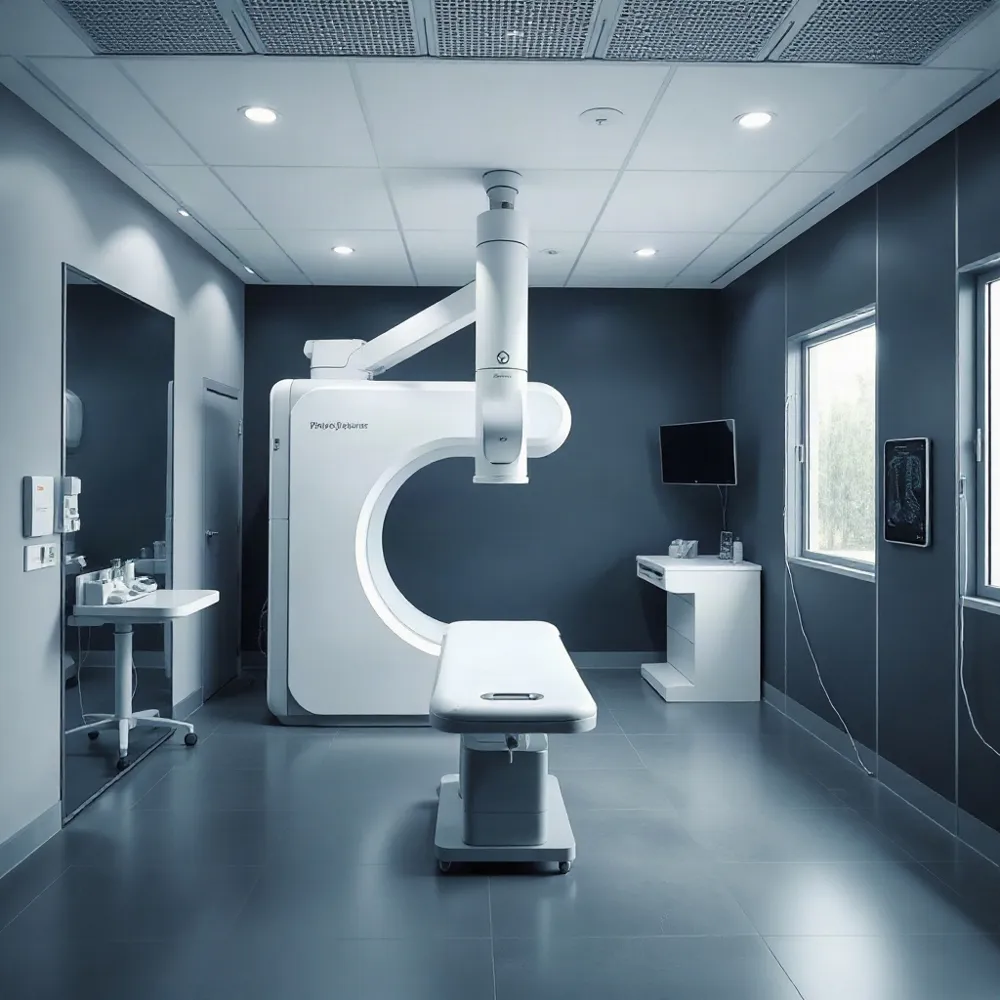 A podiatry visit starts with your account of the problem. The clinician may ask when the pain began, where you feel it, whether it changes during the day, what eases or aggravates it, and how it affects walking or other activities.
Bring details about your usual shoes, work demands, exercise routine, and any recent changes in activity. These clues help the clinician consider how your daily routine may contribute to symptoms. A plantar fasciitis assessment typically includes questions about when pain occurs and a physical examination.
The examination may include checking the skin, swelling, tenderness, range of motion, strength, and arch shape. The podiatrist may also observe your feet while you stand or walk to assess alignment and how they move. At Advanced Foot Care, an experienced surgeon provides podiatric care, with locations in NW Chicago and South Florida.
Imaging is not automatically needed when plantar fasciitis appears likely. If your symptoms or examination suggest another cause, such as a bone or joint problem, the clinician may consider an X-ray or other imaging. The choice depends on what the examination indicates.
After discussing the likely cause, the podiatrist can outline an individualized plan. Depending on the findings, this may involve changes to activity, supportive shoes, inserts or orthotics, exercises, physical therapy, or other clinician-directed treatment. Guidance on podiatry consultation expectations can also help you prepare questions and describe how pain affects your routine.
Support Your Feet and Take Persistent Pain Seriously
Arch pain after standing can reflect plantar fasciitis, changes in foot mechanics, tendon strain, or other problems. When and where symptoms occur may offer clues, but they cannot confirm the cause on their own.
For now, reduce activities that worsen discomfort and choose supportive, cushioned shoes. A clinician can help determine whether inserts, activity changes, or other care suit your situation. Advanced Foot Care provides podiatry care led by an experienced surgeon, with locations in NW Chicago and South Florida.
Arrange an assessment if pain persists, worsens, follows an injury, or interferes with walking. The NHS guidance on pain in the bottom of the foot also recommends medical advice when pain repeatedly returns or does not improve with home care. A tailored evaluation can identify the likely source and guide appropriate next steps.