Start With the Source of Pain
Persistent arch discomfort can make standing, walking, or exercise difficult. But arch pain has many possible causes, including strain, tendon problems, and changes in foot structure. Pain by itself does not show that someone has flatfoot or hyperpronation, the excessive inward rolling of the foot.
HyProCure may be considered when an examination identifies a relevant alignment problem. The implant is intended to help stabilize the foot while preserving joint motion, but it is not a general remedy for chronic arch pain or a suitable choice for everyone. Diagnosis and treatment decisions require an individual assessment.
This guide explains how the implant works, who may be assessed for it, and what potential benefits and risks to discuss with a clinician. It also covers recovery and cost. At Advanced Foot Care, an experienced surgeon provides advanced, minimally invasive foot and ankle care at locations in NW Chicago and South Florida; whether HyProCure is offered or appropriate should be confirmed directly with the clinic.
How the HyProCure Implant Works
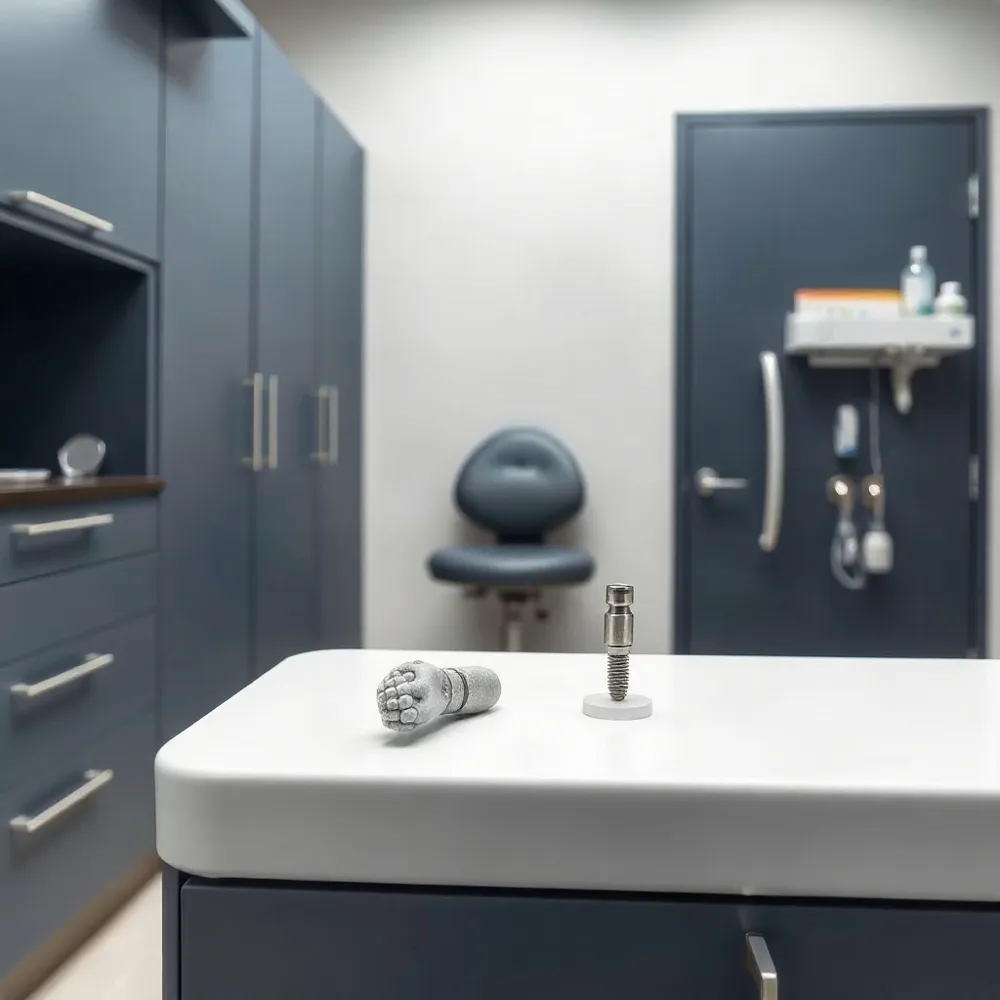 HyProCure is a form of extraosseous subtalar joint implantation. A small titanium implant is placed in the sinus tarsi, a natural space between the talus, or ankle bone, and the heel bone. You can read more about how the HyProCure implant works.
The implant is intended to limit excessive inward rolling and help steady the bones in a better-aligned position. Unlike a fusion, which joins bones and restricts motion at a joint, this approach aims to preserve useful movement in the subtalar joint, which helps the foot adapt to uneven ground.
HyProCure generally does not require cutting or repositioning bones. A surgeon may recommend other procedures alongside it when an assessment finds additional structural problems that need treatment. Research on selected patients with progressive collapsing foot deformity describes subtalar implants as one part of treatment, with other procedures often combined as needed in the reported surgical cohort.
The mechanical goal is to address alignment, not to guarantee that pain will disappear. Persistent discomfort may have more than one cause, so a foot-and-ankle surgeon should explain what the implant can and cannot be expected to address.
Before deciding, ask about possible ongoing pain, irritation or inflammation, implant movement or intolerance, and the possibility of removal or further surgery. The right plan depends on an examination and discussion of alternatives. At advancedfootcareil.com, patients can seek evaluation from a podiatry clinic focused on minimally invasive foot and ankle care, with locations in NW Chicago and South Florida.
Symptoms and Conditions It May Address
Symptomatic hyperpronation means the foot rolls inward excessively, sometimes alongside misalignment of the heel and ankle bones and flexible flatfoot. This pattern may affect how the foot bears weight and moves during standing, walking, or other activity.
When alignment contributes, a person may notice foot or ankle discomfort, fatigue, a sense of instability, or changes in gait. These symptoms can vary, and none on its own confirms hyperpronation or identifies the cause of arch pain.
A clinical assessment can help determine whether flexible flatfoot or another alignment issue is contributing. Evaluation of progressive collapsing foot deformity may include a medical history, physical examination, and weight-bearing X-rays, as described in a clinical study of HyProCure for flatfoot deformity. A consultation at advancedfootcareil.com can relate examination findings to symptoms before treatment options are considered.
HyProCure may be considered for selected cases of symptomatic hyperpronation, but it is not appropriate for every type of flatfoot, rigid deformity, or source of foot pain. The procedure should not be chosen from a symptom list alone. A foot-and-ankle clinician must assess the underlying problem and discuss whether this implant or another approach fits the individual case.
Assessing Adult Candidacy
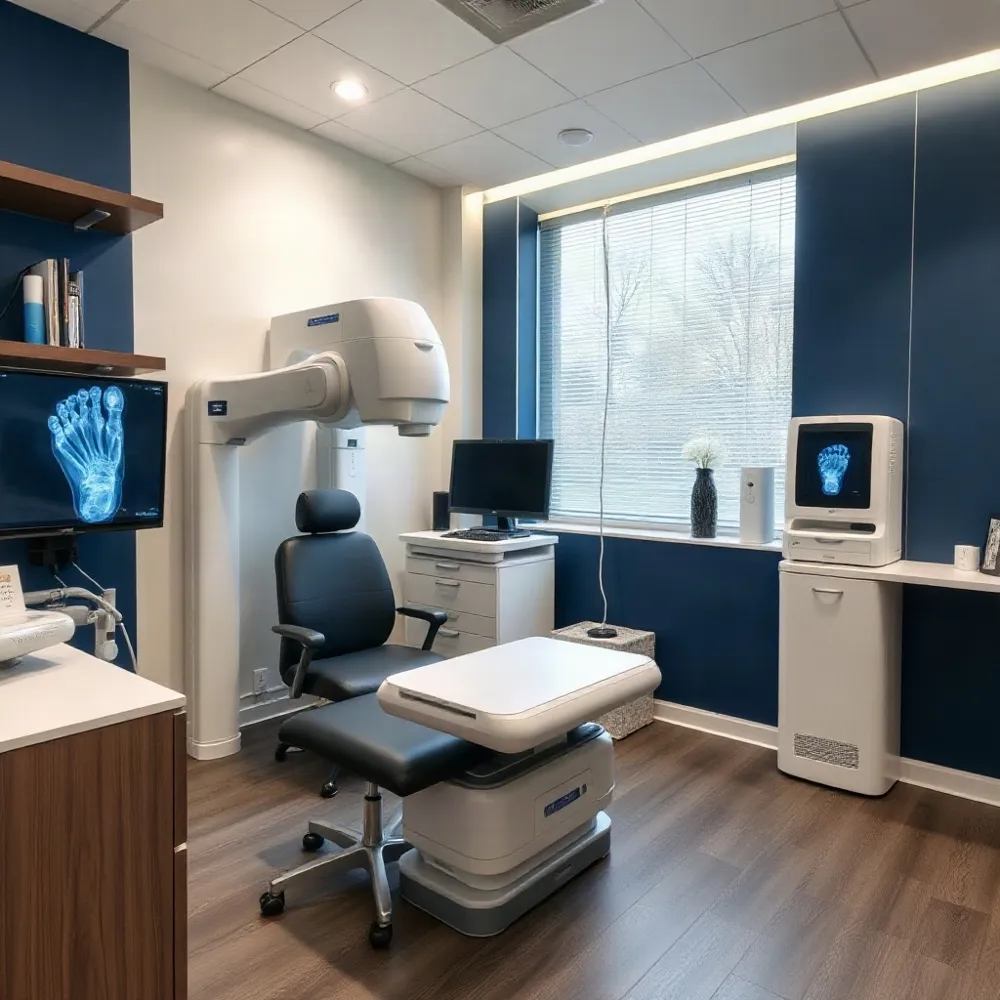 Adults can undergo HyProCure, but age or arch pain alone does not determine whether surgery is appropriate. Some clinic guidance focuses on children, so its age-specific advice and recovery expectations should not be applied automatically to adults.
A clinician may consider the procedure for an adult with symptomatic, flexible flatfoot or hyperpronation-related instability, particularly when suitable nonsurgical care has not provided enough relief. The decision depends on the underlying foot structure and the source of symptoms, not simply on a diagnosis of flat feet.
Assessment is individualized and may include medical history, a physical examination, foot structure, symptom pattern, imaging, and other health factors. A study of progressive collapsing foot deformity describes evaluation with history, examination, and weight-bearing X-rays, with weight-bearing CT sometimes used to examine the deformity and joint condition in more detail. The study of HyProCure for progressive collapsing foot deformity involved selected adults with flexible deformity who remained symptomatic after six months of conservative treatment. Its findings do not establish that HyProCure is suitable for everyone with arch pain.
That study provides clinical context, not a universal candidacy checklist. Before considering surgery, discuss other possible causes of pain, treatment alternatives, and the potential risks and benefits with a qualified foot-and-ankle clinician. Confirm directly with advancedfootcareil.com whether the procedure is available at its locations and whether a clinician with relevant experience can assess your case.
Weighing Benefits Against Risks
For a carefully selected patient, HyProCure is intended to improve foot alignment while preserving joint motion. Better alignment may ease pain or support walking and other daily activities, but improvement is not assured, and symptoms from another foot condition may remain. Correcting foot mechanics should not be presented as a way to prevent or treat knee, hip, or back pain.
A 2024 retrospective study examined 202 people with flexible progressive collapsing foot deformity, covering 213 treated feet. At an average follow-up of about 14 months, researchers reported improved radiographic alignment and clinical scores. However, 200 of the 213 feet also had at least one additional procedure, so the results do not show what the implant alone would achieve. The study’s population and design also limit how broadly its findings apply. Read the study.
Complications deserve careful consideration. The study recorded 58 complications, with sinus tarsi pain the most common. The paper reports 53 cases, or 24.88% of the cohort, in its results, while its discussion gives a different figure of 26.76%. It also reports that 36 of 213 feet underwent implant removal. These findings show why a patient should ask about persistent discomfort, the possibility of removal, and whether further treatment could be needed.
The researchers note limits including the retrospective, single-center design and short follow-up after removal, and call for longer-term, multicenter prospective research. For patients considering care at Advanced Foot Care, a discussion with the treating surgeon should cover non-surgical options, individual risks, possible additional procedures, and goals that are realistic for the diagnosis. The clinic describes its practice as focused on minimally invasive foot and ankle treatments, but candidacy and likely outcomes still require an individualized assessment.
Planning for Recovery
 Recovery after HyProCure surgery varies with the patient, the procedure performed, and the surgeon’s postoperative plan. Soreness and swelling may occur early on, and healing can take time even when the incision is small.
Your clinician may recommend elevation, wound care, a boot or other protective footwear, and a gradual increase in activity. Follow-up visits allow the surgeon to check the incision and monitor your progress. A published study describes one postoperative protocol, but its instructions are study-specific, not a plan for every patient (clinical study of HyProCure for progressive collapsing foot deformity).
Ask your surgeon when to bear weight, transition to regular shoes, resume exercise, and return to sports or other demanding activities. These decisions depend on your healing and any additional procedures. Do not assume that pediatric recovery estimates or manufacturer-reported timelines apply to adults, and avoid rushing or comparing your progress with someone else’s.
Because recovery guidance differs across procedures and patients, plan around the instructions from your treating clinician. You can also review what recovery depends on after HyProCure for more on why timelines should not be treated as guarantees.
Understanding Expected Results
Before treatment, a person with flexible flatfoot may have misalignment, discomfort, fatigue, or changes in walking. HyProCure is intended to stabilize foot alignment while preserving joint motion, but the procedure cannot promise that every symptom will resolve.
Some selected patients may experience better alignment, gait, pain, or everyday function. The degree of change varies, and pain can have causes beyond foot mechanics. Advanced Foot Care, a podiatry clinic serving NW Chicago and South Florida, focuses on minimally invasive foot and ankle care; an individual evaluation is needed to connect symptoms with a treatment plan.
A retrospective study of 202 patients with flexible progressive collapsing foot deformity reported improvements in alignment measures, pain scores, and functional scores at an average follow-up of about 14 months. The results are not typical-outcome guarantees: most treated feet also had additional procedures, and the findings apply to the selected study group, not everyone with arch pain. The study also reported sinus tarsi pain and implant removal, underscoring the need to discuss potential complications.
Changes on an X-ray or in alignment do not ensure personal pain relief. Ask the surgeon which outcomes are realistic for your diagnosis, how success will be assessed, and whether other treatment may be needed. You can also review expected results and joint motion when preparing questions for your consultation.
Clarifying Cost and Coverage
How much does HyProCure surgery cost, and may insurance cover it? There is no single standard price. The total depends on the surgeon, where the procedure is performed, and which services are included. A price quoted by an outside clinic may not reflect the fees or care arrangements at Advanced Foot Care.
Ask the treating clinic for a written estimate before scheduling. Check whether it includes the surgeon’s professional fee, facility charges, anesthesia, follow-up visits, and any other expected costs. Ask about payment arrangements as well, and clarify which services could be billed separately.
Insurance coverage, medical-necessity decisions, and prior-authorization requirements vary by insurer and location. Contact both the insurer and clinic to confirm benefits, whether authorization is required, and your deductible and copay. Requesting this information in advance can help you understand potential out-of-pocket costs, but it does not guarantee coverage or approval.
Make the Decision With Your Clinician
Persistent arch pain calls for an assessment of its cause, not an assumption that surgery is needed. HyProCure may be considered when examination supports a flexible alignment problem, but it is not a treatment for every source of pain.
At advancedfootcareil.com, a podiatry evaluation can help clarify the diagnosis and discuss appropriate care. Ask whether nonsurgical options remain suitable, what procedure-specific risks apply, how strong the evidence is for your condition, and what recovery may involve. You can also confirm costs, insurance questions, and whether the clinic offers the procedure.
A clinical study of HyProCure for progressive collapsing foot deformity reported both improved measures and complications, including implant removal, in its selected patient group. Its findings cannot predict an individual outcome or establish suitability for every patient. The study provides context for discussing benefits and uncertainties with a clinician. Seek an individualized assessment before deciding on treatment.