Why Foot Health Matters When You Travel
Long periods of sitting on a plane, train, or car cause blood to pool in the lower legs, leading to edema, calf stiffness, and an increased risk of deep‑vein thrombosis (DVT). The same prolonged standing or walking in airports, city tours, and hiking trails stresses the foot’s arch, plantar fascia, and ankle joint, often resulting in blisters, foot fatigue, and overuse injuries. Common travel‑related foot problems include swelling (long‑flight foot swelling), blisters from ill‑fitting shoes, cramping from dehydration, and fungal infections caused by damp socks or public showers.
Proactive foot care can prevent these issues. Wear well‑fitted, breathable shoes with good arch support and cushioning; consider moisture‑wicking socks to keep feet dry. Compression stockings or socks (15‑20 mmHg) improve venous return and reduce swelling on trips longer than four hours. Perform simple in‑seat exercises every 30–60 minutes—ankle circles, heel‑raises, toe pumps—to stimulate calf muscles and maintain circulation. Stay hydrated, limit alcohol and caffeine, and elevate feet whenever possible (e.g., on a carry‑on bag). Pack a travel foot‑care kit with blister pads, moisturizer, and a mini ice pack for immediate relief. By integrating these evidence‑based strategies, travelers can keep their feet comfortable, reduce swelling, and enjoy a pain‑free journey.
Everyday Foot Fatigue Relief
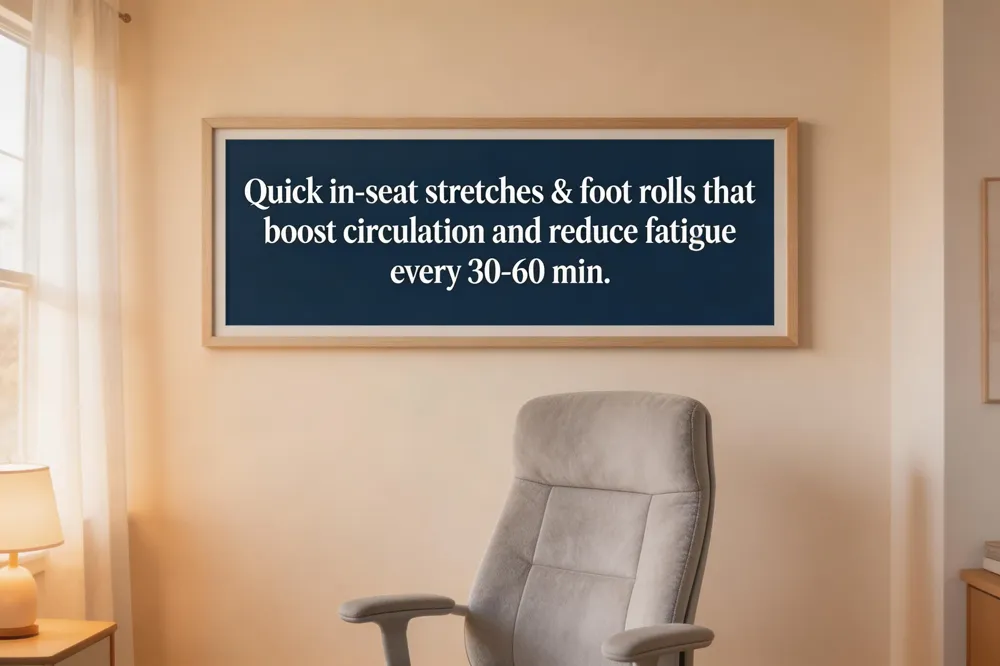 Travelers can combat foot fatigue with low‑impact exercises that stretch and strengthen the foot and calf muscles. Simple in‑seat routines—ankle circles, heel‑to‑toe pumps, and “writing the alphabet” with your toe—stimulate circulation, while hotel‑room stretches such as a forward fold, hip‑flexor lunge, and calf raise keep muscles loose. Integrate these moves by doing a quick set every 30–60 minutes on a flight, car ride, or after a long walk, and elevate the feet on a carry‑on bag when possible. Improved blood flow reduces swelling, eases muscle tightness, and lowers the risk of DVT.
How to relieve foot fatigue? Perform toe spreads, standing calf raises, alphabet writing, towel pulls, bent‑knee heel raises, band ankle strengthening, and short single‑leg hops. These actions boost circulation and prevent pain.
How to relieve foot pain from walking too much? Rest and elevate, ice the area, wear supportive shoes, stretch calf and plantar fascia, use NSAIDs if appropriate, massage with a tennis ball, and consider orthotic inserts. Persistent pain warrants a podiatrist visit.
Preventing Swelling on the Road
 Hydration, compression, and movement – Drink plenty of water, limit caffeine/alcohol, and wear well‑fitted, breathable shoes. Use graduated compression socks (15‑20 mm Hg) on long flights or car trips and perform simple in‑seat exercises (ankle circles, heel raises, toe pumps) every 30‑60 minutes to keep blood flowing.
Managing post‑flight edema – If swelling lingers, elevate the feet above heart level for 15‑20 minutes several times daily, continue gentle calf stretches and ankle pumps, and apply a cool compress for 10‑15 minutes. Compression socks for 24‑48 hours and light massage (upward strokes from ankle to heart) further reduce fluid buildup.
Rapid recovery tips – Elevation, massage, and regular movement are key. Walk around the cabin or hotel lobby at least once per hour, and keep a travel foot‑care kit (blister pads, moisturizer, mini ice pack) handy.
FAQ
- How to prevent swollen feet while traveling? Wear supportive shoes, stay hydrated, move frequently, elevate when possible, use compression, limit salt, massage, and stretch before/after travel.
- Swollen feet 2 days after flying? Elevate, hydrate, walk, wear compression, apply ice, massage; seek care if pain, redness, or warmth develop.
- How to depuff feet after flying? Walk, do ankle pumps, massage upward, elevate, use cool compresses, and wear compression socks for the first day.
Travel Foot Comfort Strategies
 Long journeys can leave feet swollen, sore, and fatigued. Proactive measures include wearing well‑fitted, breathable shoes with arch support, packing moisture‑wicking socks, and using compression stockings to boost venous return. A lightweight travel yoga mat or portable foot roller lets you stretch hamstrings, hip flexors, and calves in hotel rooms, while in‑seat exercises—ankle pumps, heel raises, and toe curls—keep circulation flowing every 30‑60 minutes.
Quick‑relief tools you can pack in a carry‑on: a pair of compression socks, gel cold or warm compresses, blister pads, a mini ice pack, and a massage ball. These items address inflammation, friction, and muscle tightness on the spot.
Integrating movement and compression for optimal circulation: combine short walks or aisle strolls with periodic ankle circles and calf pumps, and elevate feet on a carry‑on bag whenever possible.
What helps foot pain when traveling? Use supportive shoes, stay hydrated, wear compression socks, take regular movement breaks, and apply cold/warm compresses or a foot roller for immediate relief.
Sore feet on vacation – how to manage them? Choose cushioned, properly fitted footwear, elevate and stretch regularly, use compression socks, apply ice after long walks, massage the arches, and keep hydrated; seek podiatrist care if pain persists.
Special Conditions: Plantar Fasciitis Management
 Plantar fasciitis is inflammation of the thick band of tissue (plantar fascia) that runs across the bottom of the foot, often triggered by repetitive strain, improper footwear, tight calf muscles, or sudden increases in activity. Conservative management is first‑line: regular calf and plantar‑fascia stretches (towel, wall, gastrocnemius), night splints or custom orthotics to maintain dorsiflexion, ice packs 15‑20 minutes after activity, NSAIDs for pain, and targeted physical‑therapy strengthening. If symptoms persist beyond 6‑8 weeks, minimally invasive options such as ultrasound‑guided corticosteroid injections, platelet‑rich plasma, or endoscopic fascia release may be considered by a board‑certified podiatrist. Seek professional care promptly when pain is severe, swelling, redness, or numbness develop, or when you have risk factors for DVT, diabetes, or chronic foot deformities. Early intervention, proper footwear with arch support, and a personalized rehab plan reduce recovery time and prevent progression.
Gear and Routine for Healthy Travel Feet
 Choosing the right footwear and socks is the foundation of a pain‑free trip. Opt for breathable, moisture‑wicking socks and shoes that provide firm arch support, cushioning, and a roomy toe box; slip‑on sneakers or supportive sandals are easy to remove for in‑seat stretches. Compression stockings or graduated‑compression socks (15‑20 mmHg) should be worn on long flights or road trips to promote venous return, curb swelling, and lower DVT risk. A lightweight travel yoga mat lets you perform hamstring, hip‑flexor, and back stretches in hotel rooms, while a compact foot‑care kit—compression socks, blister pads, moisturizer, antifungal powder, and a mini ice pack—offers on‑the‑spot relief. Daily habits reinforce these measures: drink plenty of water, limit alcohol and caffeine, eat balanced meals rich in electrolytes, and maintain a regular sleep schedule to support circulation and muscle recovery. Periodic ankle pumps, calf raises, and short walks every 30–60 minutes keep blood flowing, preventing stiffness and fatigue.
Your Next Step to Pain‑Free Adventures
Traveling can strain feet. Key takeaways: wear supportive shoes, compression socks, stay hydrated, do in‑seat exercises, elevate feet, pack a foot‑care kit. Before you depart, schedule a podiatry check‑up to assess existing conditions, get custom orthotics if needed, and learn personalized strategies. Our clinic offers a quick tele‑visit or in‑office exam. Finally, download our free Travel Foot‑Care Checklist, which outlines daily stretches, packing essentials, and emergency steps. Stay proactive, protect your feet, and enjoy a pain‑free adventure. Remember to drink water regularly, limit alcohol, and keep your socks dry. Use a lightweight travel yoga mat for stretches in hotel rooms. Elevate feet on a carry‑on when seated for optimal circulation and check your feet for blisters after long walks.