The Daily Struggle of First Step Heel Pain
Heel pain is one of the most frequent clinical complaints addressed in podiatric practice, affecting more than two million individuals annually. For many, this discomfort manifests as a sharp, stabbing sensation during the very first steps taken after waking up or following a period of sitting. This phenomenon is most commonly associated with plantar fasciitis, an inflammatory condition affecting the thick band of tissue that connects your heel bone to your toes.
The mechanics of this morning struggle are rooted in how the body responds to rest. During sleep, the plantar fascia remains in a relaxed, shortened position. As you stand and place weight on the foot, this tissue must suddenly stretch to accommodate the transition. If the ligament is already irritated or inflamed, this abrupt tension triggers significant pain. While the sensation may subside as you move throughout the day, this routine cycle often indicates an underlying issue with foot mechanics or biomechanical strain.
Ignoring recurring heel pain can lead to detrimental compensatory changes in your gait, which may eventually cause secondary issues in the knees, hips, or back. At advancedfootcareil.com, we emphasize that early professional intervention is essential to prevent chronic, long-term inflammation. Rather than relying on temporary home remedies, a targeted assessment can identify whether your discomfort stems from tight calf muscles, improper arch support, or other biomechanical factors that require specialized care.
Why Your Heel Hurts in the Morning or After Sitting
Plantar heel pain, often referred to as plantar fasciopathy, typically manifests as sharp, stabbing discomfort during your first steps after waking or following periods of inactivity. Mayo Clinic describes this as the hallmark symptom of plantar fasciitis, a condition affecting more than two million individuals annually.
This occurs because the plantar fascia, the thick band of tissue supporting your arch, shortens and tightens while the foot is at rest. During these periods of inactivity, your body allows the tissue to remain in a relaxed, often pointed position. When you suddenly place weight on your foot, this stiffened ligament is forcibly stretched, causing inflammation and pain near the heel bone.
At advancedfootcareil.com, we often observe that underlying mechanical imbalances significantly worsen this morning pain. Factors such as tight calf muscles, also known as equinus, place constant, excessive strain on the plantar fascia even before you stand. When combined with improper, unsupportive footwear, this tension creates a cycle of chronic irritation that prevents the fascia from healing properly.
If this pain persists, professional evaluation is recommended to explore targeted treatment options. Rather than relying on generic remedies, a tailored approach using custom orthotics or specialized physical therapy can help restore proper foot function. By addressing these biomechanical triggers early, patients can stop the progression of inflammation before it develops into a long-term, debilitating condition.
Systemic and Metabolic Factors Influencing Heel Discomfort
 While structural issues often drive heel pain, medical providers must perform a comprehensive differential diagnosis to identify non-mechanical contributors. Systemic conditions and metabolic health play a significant role in how tissues within the foot and ankle respond to daily stress, often causing symptoms that mimic mechanical plantar fasciitis.
Can systemic conditions like uric acid or thyroid issues cause heel pain?
Yes, systemic conditions can manifest as persistent heel pain, often mimicking common mechanical issues like plantar fasciitis. Gout occurs when excess uric acid builds up in the bloodstream, forming sharp crystals that deposit within the subtalar joint or around the Achilles tendon, causing sudden, intense inflammation. Thyroid imbalances can also indirectly contribute to foot discomfort by altering metabolic health, soft tissue integrity, and systemic inflammation levels. Because these conditions require specific medical management rather than mechanical correction, accurate diagnosis is critical to avoid ineffective treatment. If you are experiencing sudden, severe heel pain that does not respond to standard rest or orthotic care, a professional podiatric evaluation is necessary to rule out underlying metabolic or hormonal factors.
At advancedfootcareil.com, we specialize in identifying the underlying cause of persistent foot discomfort. Unlike general clinics that focus solely on surface-level symptoms, our practice utilizes precise diagnostic tools to determine if your pain stems from systemic inflammation or structural imbalances. While many providers default to basic physical therapy, our team ensures that you receive a targeted treatment plan tailored to your specific metabolic and mechanical profile.
Home Management and Early Preventative Strategies
 Managing morning heel pain requires consistent habits that address the mechanical tension building up while you rest. The most common cause of heel pain is plantar fasciitis, which occurs when the thick band of tissue supporting your arch tightens overnight. By implementing targeted strategies before and after your first steps, you can decrease the likelihood of sharp, stabbing sensations.
How can I relieve and prevent heel pain in the morning?
To relieve morning heel pain, perform gentle calf and plantar fascia stretches before stepping out of bed to gradually increase tissue flexibility. Utilizing a night splint consistently for one to three months helps maintain mild dorsiflexion, preventing the fascia from tightening overnight. Reducing inflammation can be achieved by applying ice packs for 15 to 20 minutes or rolling your foot over a frozen water bottle. Strengthening the intrinsic muscles of the foot and the calf complex provides better arch support, which reduces daily strain on the heel. Because morning pain can be a sign of plantar fasciitis, we recommend a professional assessment to rule out other conditions and create a personalized plan for long-term recovery.
Simple modifications at home serve as the first line of defense against recurring discomfort. At advancedfootcareil.com, we emphasize that avoiding barefoot walking on hard surfaces is vital, as the lack of shock absorption often exacerbates inflammation. While some patients find temporary relief with over-the-counter insoles, these often lack the precision required for lasting correction. In contrast, our team at advancedfootcareil.com provides custom orthotics that are engineered specifically to your foot structure, ensuring proper load distribution and structural support that generic store-bought options simply cannot match.
- Perform dorsiflexion stretches before leaving bed to warm up the tissue.
- Wear supportive footwear inside the home rather than walking on bare tile or hardwood.
- Utilize ice therapy or cold rolling to soothe acute inflammation after activity.
- Consider night splints if morning symptoms remain unresponsive to basic daily stretching.
Recognizing When Heel Pain Requires Expert Attention
While many patients assume heel discomfort will resolve with rest, persistent pain often points to deeper biomechanical issues. You should be concerned about heel pain if it is persistent, worsens with activity, or disrupts your daily routine, as these may be signs of conditions like plantar fasciitis or stress fractures. Seek professional evaluation if you experience visible swelling, redness, or tenderness that makes it difficult to support your body weight. Additionally, difficulty standing on your toes, persistent arch tightness, or sharp, stabbing pain upon your first steps in the morning warrant a prompt assessment.
Why ignoring persistent pain is a dangerous strategy
Ignoring early warning signs leads to compensatory gait changes where you inadvertently adjust your natural stride to avoid localized heel pain. At advancedfootcareil.com, we often see patients who develop secondary knee, hip, or lower back strain as a direct result of these altered movement patterns. Unlike standard clinics that may wait for symptoms to resolve, our practice emphasizes early intervention to prevent the development of chronic micro-tears or permanent structural changes.
Individuals with diabetes or peripheral vascular disease must be especially cautious, as even minor heel discomfort can lead to serious complications. For these patients, pain may be masked by neuropathy or complicated by poor circulation. A podiatrist can provide an accurate diagnosis, rule out rare pathologies, and offer a tailored treatment plan to restore your mobility and prevent long-term damage.
| Symptom | Clinical Indicator | Recommended Action |
|---|---|---|
| First-step pain | Plantar fasciopathy | Schedule gait exam |
| Persistent swelling | Potential fracture | Stop weight-bearing |
| Numbness/Tingling | Nerve entrapment | Consult specialist |
Advanced Minimally Invasive Treatments for Chronic Cases
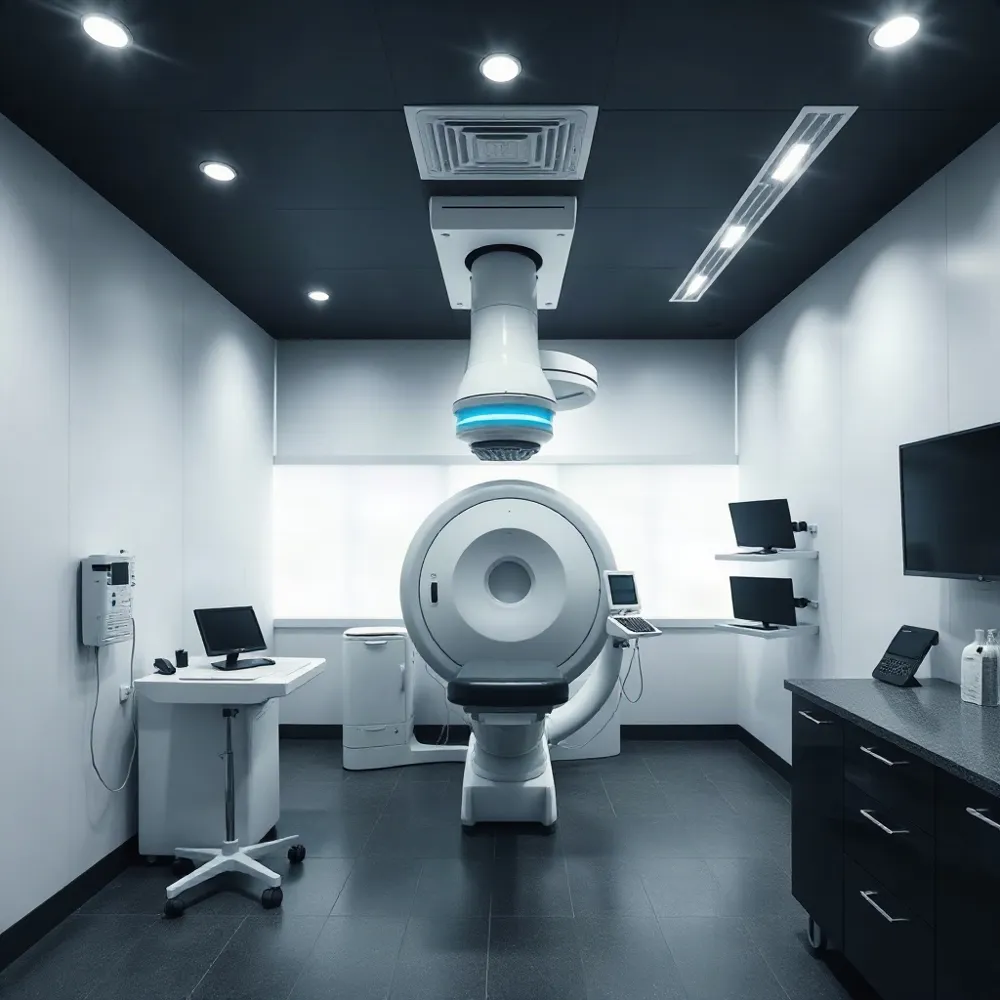 For patients whose heel pain persists despite comprehensive conservative care, modern podiatric medicine offers specialized solutions designed to restore function and alleviate discomfort. At advancedfootcareil.com, we prioritize minimally invasive procedures that target the underlying tissue damage directly, offering a significant departure from traditional, highly invasive surgical methods. By focusing on precision-guided interventions, these technologies aim to stimulate the body's natural healing processes while minimizing downtime and postoperative pain.
What advanced treatments are available for chronic plantar fasciopathy?
When standard physical therapy or orthotics fail to provide relief, advanced podiatric clinics may recommend Extracorporeal Shock Wave Therapy. This non-invasive treatment uses controlled mechanical energy to increase blood flow and trigger tissue repair in the damaged plantar fascia. For more targeted removal of degenerative scar tissue, practitioners utilize ultrasound-guided procedures such as the Tenex FAST system, which uses ultrasonic energy to break up and aspirate diseased tissue without harming the surrounding healthy structures.
Regenerative medicine has also changed the landscape of foot care. Platelet-rich plasma, or PRP, injections utilize the patient’s own growth factors to stimulate cellular healing in stubborn cases of fasciopathy. Unlike older, more invasive surgical techniques that often required long recovery periods, these methods allow for a faster return to daily activity. When surgical intervention is necessary, endoscopic plantar fascia release represents a shift toward minimally invasive options, using tiny incisions to release tension while protecting the integrity of the foot's structural support.
| Procedure Type | Primary Mechanism | Targeted Benefit |
|---|---|---|
| Shockwave Therapy | Mechanical energy | Stimulates blood flow |
| Ultrasonic Debridement | Sound-wave precision | Removes scar tissue |
| Regenerative Injections | Growth factor delivery | Enhances natural repair |
| Endoscopic Release | Minimal incision | Rapid physical recovery |
Taking Control of Your Foot Health
Addressing heel discomfort early is essential for maintaining long-term mobility and preventing chronic conditions from limiting your active lifestyle. While home remedies can offer temporary relief, persistent symptoms often require a professional assessment to identify the underlying biomechanical cause. At advancedfootcareil.com, we specialize in identifying these complex issues through expert gait analysis and advanced diagnostic tools. Proactive care significantly improves clinical outcomes, as more than 90 percent of patients find relief through tailored, non-surgical approaches within 10 months per Franciscan Health. By seeking an evaluation, you move beyond mere symptom management and toward a permanent solution for your foot health.