Start With Comfort and Fit
A bunion forms when the joint at the base of the big toe shifts out of alignment, creating a bump that can change the shape and width of the forefoot. Shoes that once felt comfortable may then press or rub against the joint, causing irritation during everyday activities.
Footwear cannot straighten the toe or guarantee that a bunion will stop progressing, but a better-fitting shoe may reduce pressure and friction. A roomy toe box and soft, flexible materials are common features to look for, though the right fit depends on the individual foot. UPMC's guidance on choosing shoes for bunions also emphasizes room across the toes and materials that limit rubbing.
This guide covers fit, materials, and styles that may feel more comfortable, along with signs that call for individualized advice. At advancedfootcareil.com, podiatric care includes assessment by an experienced foot and ankle surgeon, which can help distinguish footwear-related irritation from concerns that need clinical evaluation.
Features That Make a Shoe Bunion Friendly
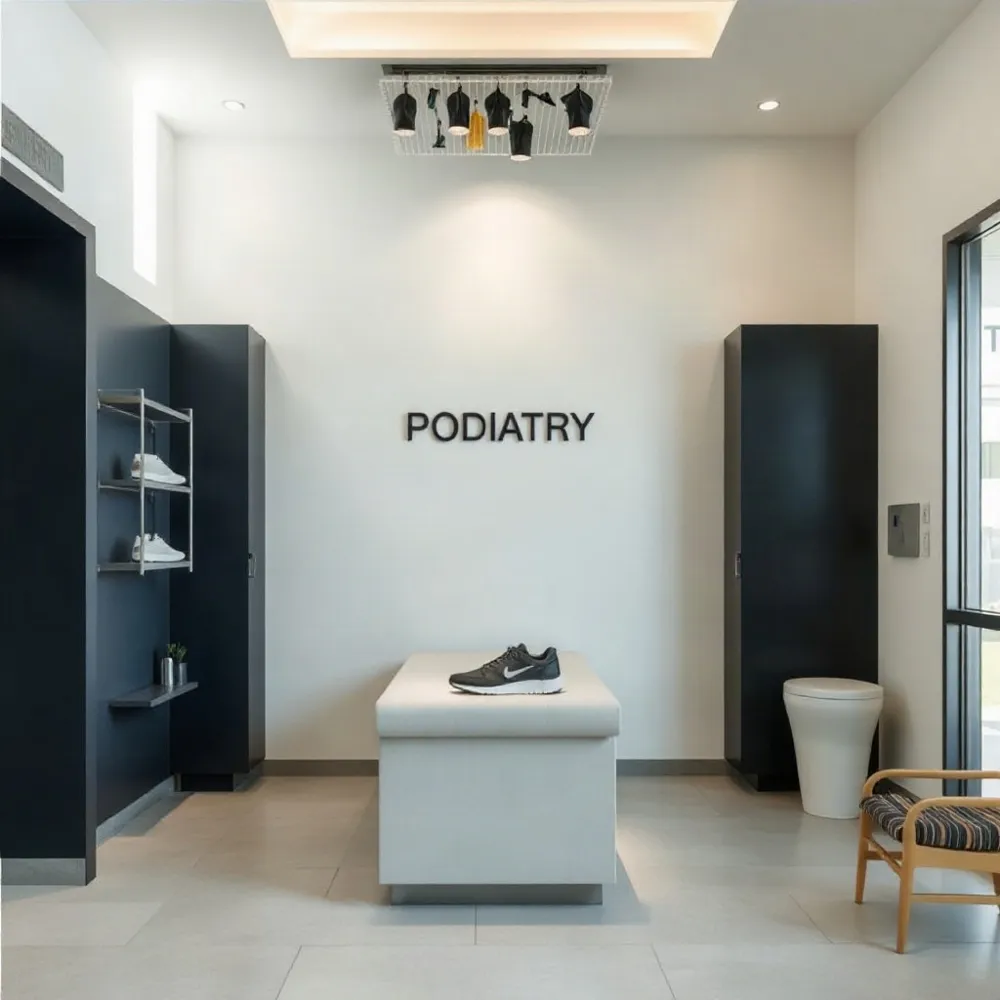 A shoe should make room for the shape of your forefoot, not force it into a narrow outline. A roomy, rounded or foot-shaped toe box can leave space around the bunion and let the toes rest and move naturally. The UPMC guide to choosing shoes for bunion symptoms also recommends a wide toe box to limit pressure and rubbing.
Check the height of the toe box as well as its width. If the material presses down on the tops of your toes, the shoe may still cause irritation even when its label says wide. A shoe’s shape and the way it fits your foot matter more than the width label alone.
Soft, flexible uppers made from knit, mesh, leather, or suede can give the bunion more room without rubbing. Avoid stiff seams, overlays, or straps that sit directly over the bump. Adjustable laces or straps can help secure the midfoot while leaving the forefoot uncompressed; a stable heel and sole can also help prevent the foot from sliding inside the shoe.
Low heels, cushioning, and supportive flats may improve comfort, but the right amount of cushioning and arch support varies by person. Removable insoles can make room for a clinician-prescribed orthotic if one is appropriate. They are not necessary for everyone, and footwear can ease pressure without correcting the bunion’s alignment.
For a practical fit check, shop later in the day, when feet may be more swollen. Stand and walk in both shoes, and check that each foot feels comfortable right away. Do not count on a painful shoe to become comfortable as it breaks in.
Styles That Can Increase Pressure
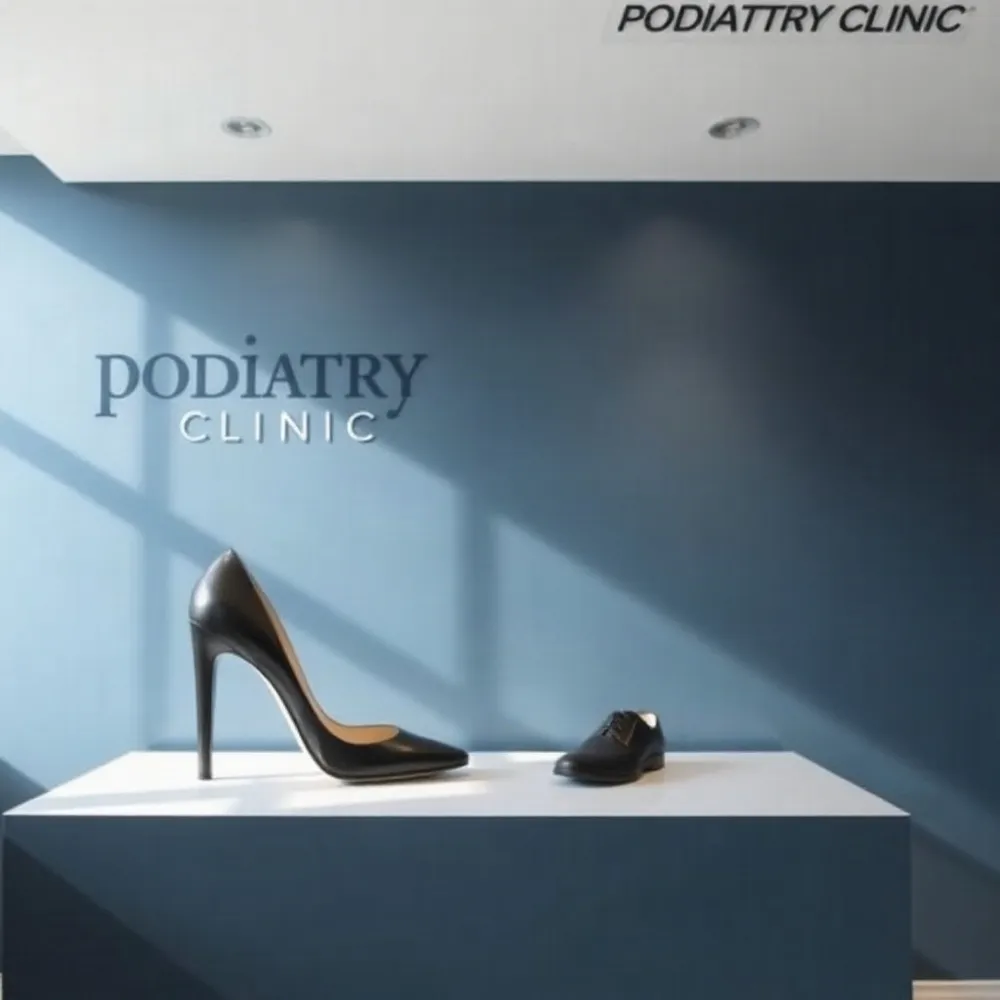 Some shoes press on a bunion even when their size label suggests a roomy fit. A tapered toe box can crowd the forefoot and push against the prominence, so a wide width alone may not provide enough space. For guidance on choosing footwear to limit irritation, see UPMC HealthBeat’s advice on bunion symptoms and shoes.
High heels shift body weight toward the forefoot, adding pressure around the big toe joint. Stiff uppers can rub the bump with each step, while tight sandal straps that cross it may cause further friction, redness, or soreness. At Advanced Foot Care, a podiatrist can assess whether symptoms relate to shoe pressure, foot mechanics, or both.
These styles can aggravate discomfort, but footwear is not the only factor behind a bunion. Foot structure and mechanics also play a role, so shoes alone do not usually explain why the deformity develops. Completely flat, poorly structured shoes may also feel uncomfortable for some people during longer walks, although the amount of support needed varies. A podiatrist at Advanced Foot Care can help match footwear advice to an individual’s symptoms and foot structure.
How Footwear Can Ease Bunion Discomfort
When a shoe gives the bunion room instead of pressing against it, walking and standing may feel more comfortable. A deep, roomy toe box allows the toes to rest naturally, while a soft upper can limit rubbing over the joint. UPMC HealthBeat’s footwear guidance also recommends flexible materials and adjustable closures to reduce pressure and accommodate changes in foot shape.
Cushioning or a properly fitted orthotic may help distribute pressure across the foot, although the right support depends on the individual. A nonmedicated bunion pad can provide a layer between the shoe and the bump to reduce friction. It cushions the area but does not realign the toe.
These measures can ease symptoms, but shoes and pads cannot reverse the structural change or guarantee that pain will go away. At advancedfootcareil.com, a podiatry assessment can help distinguish shoe-related irritation from other causes of forefoot pain and guide care, including whether an orthotic may be appropriate.
If discomfort persists or begins to interfere with daily activities, seek clinical advice rather than relying on footwear changes alone. A podiatrist can assess the joint and discuss options based on your symptoms and foot mechanics.
Dress Shoes With Room for Your Forefoot
A polished look does not require a pointed toe or a tight fit. Choose dress shoes with a rounded or square toe box and enough depth for your toes to spread without pressure on the bunion. The right shape matters more than the width printed on the label.
Soft leather or suede may reduce rubbing because these materials can flex with the foot. Check that seams and decorative details do not sit against the bunion, and that the upper does not feel tight over the prominence. Adjustable laces or straps can help secure the midfoot while leaving the forefoot comfortable. UPMC’s shoe guidance also recommends flexible materials and adjustable closures to limit friction and pressure.
Look for a stable, low heel and cushioning underfoot where available. A supportive flat, loafer, or other classic style can work well if its shape and construction suit your foot. Comfort varies by person and by shoe, so no particular style guarantees relief. At advancedfootcareil.com, podiatrists can assess bunion symptoms and discuss footwear needs alongside other care options.
Try shoes later in the day, when feet may be more swollen, and wear the socks or inserts you expect to use with them. Walk around and check the forefoot, heel, and midfoot: the toes should not be squeezed, and the heel should feel secure. A podiatrist-recommended shoe guide can offer ideas, but fit on your own foot is the deciding factor.
Polished flats, loafers, and dress shoes in classic colors or textured materials can look refined without sacrificing room. If pain persists or suitable dress shoes are difficult to find, seek an assessment from a podiatrist. At advancedfootcareil.com, a foot specialist can evaluate the bunion and discuss individualized options.
Use Product Guides as a Starting Point
Consumer shoe guides can help narrow the options by comparing features such as toe-box space, cushioning, stability, and stretchy uppers. Their rankings reflect a particular testing process, though, not a medical prescription or a guarantee that a shoe will suit your foot.
For example, the Health.com bunion shoe guide named Kuru Atom its best-overall pick, Keen WK400 Leather Walking Shoe its walking pick, and ECCO Soft 7 Slip-On Sneakers its choice for women and tailor’s bunions. Those categories point to different priorities, but they do not mean every wearer will find the same model comfortable.
The guide also reported trade-offs: testers found that Kuru Atom can run wide, while the Keen’s curved sole may take time to adjust to. Before buying, check the specific model’s current size and width options, return policy, and fit. A brand’s reputation or a product’s place in a ranking cannot substitute for trying the shoe on and checking for pressure or slipping.
Match the shoe to your foot shape and intended activity, then walk in it to see how it feels. At advancedfootcareil.com, podiatry care is led by an experienced foot and ankle surgeon, who can assess persistent symptoms and discuss whether footwear changes or other options fit your needs. A product guide can inform shopping, but it cannot provide that individualized assessment.
When to Ask a Podiatrist for Guidance
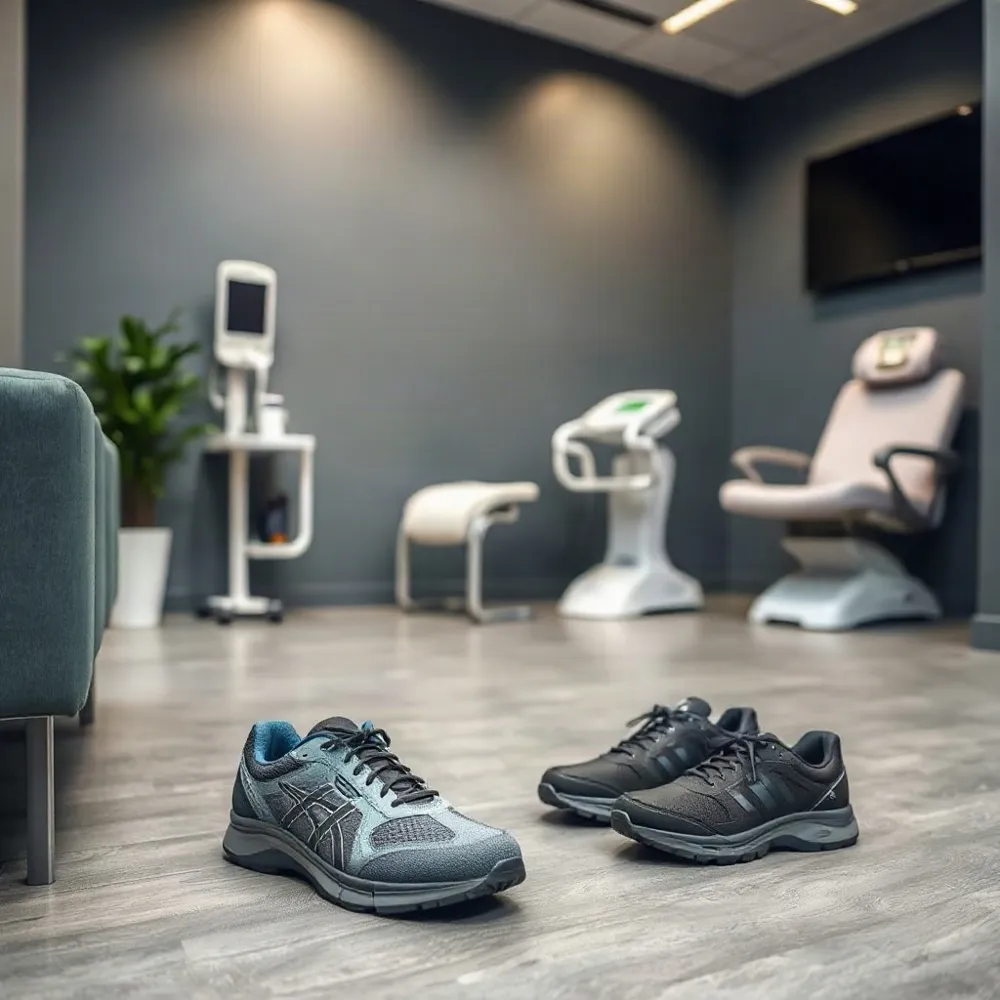 A podiatrist can examine the bunion, foot shape, and walking pattern to identify where a shoe may be creating pressure. At advancedfootcareil.com, care is led by an experienced foot and ankle surgeon, who can assess how the bunion affects your foot and discuss footwear considerations as part of your care.
A fitting assessment may include checking foot length and width while standing and comparing them with the shoe’s interior. A longer shoe is not a reliable way to gain forefoot width: excess length can make the foot slide and affect stability. A roomy toe box, suitable support, or cushioning may help, depending on your needs. Padding or an orthotic may also be considered, but an orthotic is not necessary for everyone. UPMC HealthBeat’s shoe guidance also emphasizes room around the bunion and flexible materials to reduce rubbing.
Seek medical assessment for persistent pain, swelling, redness, numbness, difficulty walking or bearing weight, or symptoms that interfere with daily activities. These signs warrant attention, as UPMC advises. If footwear changes do not provide enough relief, a clinician can review the situation and discuss other options without assuming that a particular treatment is needed. Learn more about when to seek podiatric guidance.
Let Fit Guide the Final Choice
When comparing shoes, prioritize immediate comfort, room around the bunion, and a secure fit at the heel and midfoot. A brand name, size label, or current style cannot tell you whether a particular shoe will suit your foot. Walk around in the pair before buying, and do not count on a tight spot to loosen with wear. UPMC’s footwear guidance also emphasizes space and soft, flexible materials to limit pressure and rubbing.
Well-chosen footwear may ease pressure and friction, but it cannot realign the joint or guarantee that discomfort will go away. If pain, swelling, or difficulty walking persists or limits daily activities, seek assessment from a podiatrist. At advancedfootcareil.com, care is led by an experienced surgeon and includes minimally invasive foot and ankle treatments; an evaluation can help determine whether footwear changes or other care may be appropriate.