
A Less Invasive Approach
Minimally invasive surgery treats selected foot and ankle conditions through small incisions, using specialized instruments and, in some procedures, X-ray guidance. The aim is to address the problem while disturbing less of the surrounding tissue than an open approach. Techniques may be considered for conditions such as bunions, hammertoes, or big toe arthritis, depending on the diagnosis.
Smaller incisions may mean smaller scars and less early pain or stiffness, and some patients recover more quickly. These are possible benefits, not guarantees. The American Orthopaedic Foot & Ankle Society’s overview of minimally invasive surgery notes that recovery and risks depend on the procedure, and that minimally invasive techniques are not suitable for everyone.
At advancedfootcareil.com, care focuses on minimally invasive foot and ankle treatments, with an experienced surgeon assessing each patient’s condition. The choice of procedure should reflect the diagnosis, overall health, and personal goals, alongside imaging and a discussion of likely benefits, limitations, and risks.
How Minimally Invasive Surgery Works
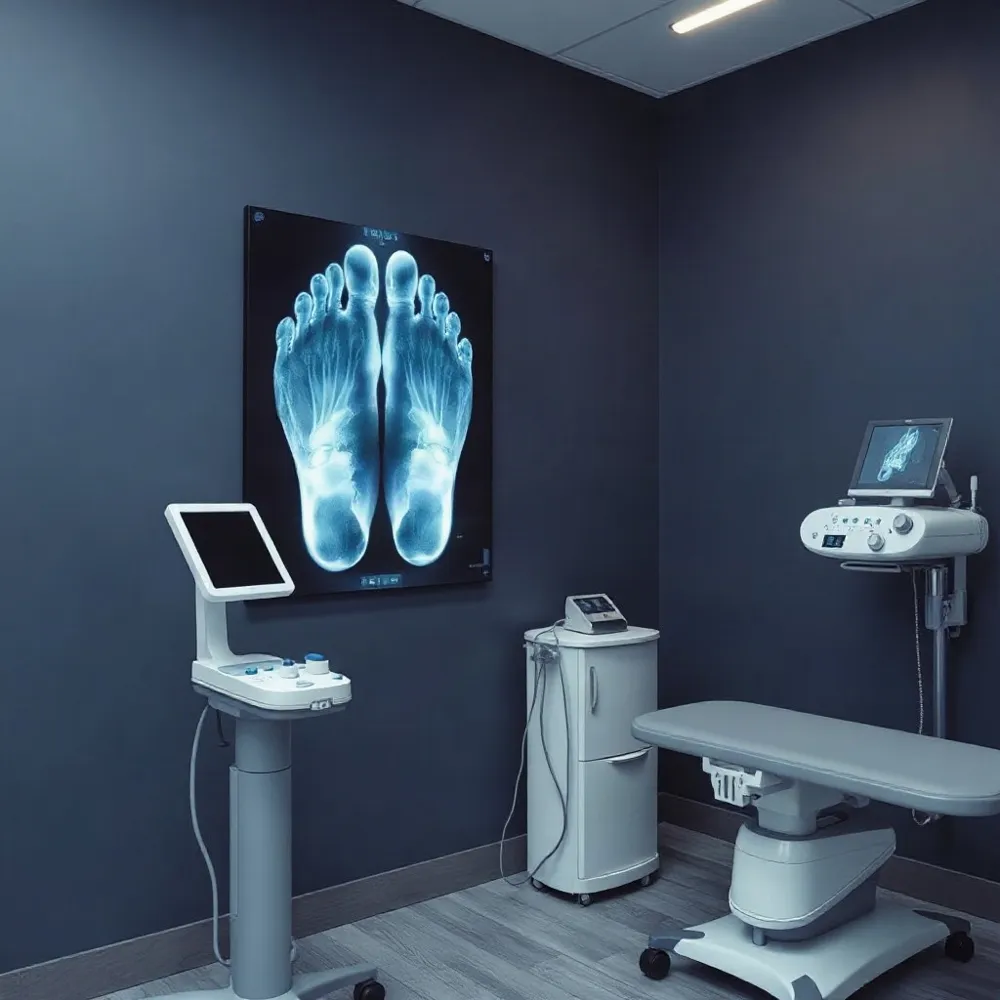 For bunion correction, minimally invasive surgery uses small skin incisions to reach and realign bone. Specialized instruments and X-ray guidance help the surgeon see bone position during the procedure, while limiting the need to expose the full area. Bone cuts and fixation may be part of both minimally invasive and open bunion surgery; the main difference is how the surgeon accesses the bones.
One technique is MICA, short for minimally invasive chevron and Akin osteotomies. The surgeon makes a chevron-shaped cut in the first metatarsal, the long bone behind the big toe, and may make a second cut in the toe bone to refine alignment. Small screws hold the bones in position as they heal. The MICA technique is one option, not a universal approach; an examination and standing X-rays help determine whether it fits the bunion and the patient.
At advancedfootcareil.com, an experienced podiatric surgeon evaluates the foot and ankle before recommending a procedure. The same principles of small-incision access can apply to selected hammertoes, big toe arthritis, and bunionettes, but the instruments and correction vary with the problem.
A bunionette, sometimes called a tailor’s bunion, affects the outer side of the foot near the base of the fifth toe. When pain or shoe-wearing difficulty continues despite nonsurgical care, a surgeon may use a small incision and a specialized burr to reshape or reposition the fifth metatarsal. The exact correction depends on bone alignment and deformity severity. As with other procedures, smaller incisions do not remove surgical risks, and recovery instructions are specific to the patient and operation.
Comparing Surgical Approaches
 For bunion correction, minimally invasive surgery reaches the bones through small skin incisions, while open surgery uses a larger incision that gives the surgeon more direct access. Both approaches can involve cutting, repositioning, and stabilizing bone.
Smaller incisions may disturb less soft tissue and leave smaller scars, and some patients experience less pain early in recovery. Those possible advantages do not guarantee faster healing, less pain, or a better final result. The American Orthopaedic Foot & Ankle Society’s overview of minimally invasive surgery notes that recovery and risks depend on the procedure, and that small incisions do not remove the possibility of complications.
A 2022 meta-analysis comparing minimally invasive and open hallux valgus surgery examined 22 studies involving 790 feet treated with minimally invasive surgery and 838 treated with open surgery. Across the included studies, minimally invasive surgery was associated with less early postoperative pain and shorter operating time and hospital stay. However, the analysis found no statistically significant difference in several final measures, including pain scores, function, alignment angles, and complication rates.
Results also varied across techniques and outcomes. A separate review of minimally invasive foot and ankle surgery cautions that much of the evidence comes from small or retrospective studies, with a need for larger research. A surgeon can assess imaging, bunion severity, bone alignment, overall foot health, and experience with each method before discussing likely benefits, risks, and recovery. Neither approach is best for every patient.
Who May Be a Candidate
Minimally invasive bunion surgery may be worth discussing when pain or difficulty wearing shoes, walking, or managing daily activities continues despite options such as wider footwear, padding, or other conservative care. Surgery is generally considered for symptom relief and improved function, not simply to change the foot’s appearance. The HSS guidance on bunion surgery likewise describes persistent pain and activity limits as reasons to consider an operation.
A foot and ankle surgeon assesses how the bunion affects you, the deformity and joint, your overall health, and imaging such as standing X-rays. The size of the bump alone does not determine whether surgery is appropriate. At advancedfootcareil.com, evaluation and treatment planning should account for symptoms and foot function, rather than relying on appearance alone.
The extent of the deformity and any related foot problems can affect the surgical plan. Severe deformities or joint instability may call for open surgery or another approach, while some health conditions may make a particular procedure unsuitable. FootCareMD’s overview of minimally invasive surgery notes that not every patient is a candidate and that surgeon experience matters.
Deciding whether surgery is worthwhile means weighing expected benefits, risks, alternatives, recovery demands, and personal goals with a foot and ankle surgeon. If symptoms remain manageable, continuing nonsurgical care may make sense for now. A consultation at advancedfootcareil.com can help clarify which approach fits the condition and the patient’s priorities.
Risks and Important Limitations
Small incisions do not make foot surgery risk-free. Minimally invasive procedures can involve complications also associated with open surgery, including infection, bleeding, blood clots, anesthesia problems, nerve or tendon injury, delayed bone healing, and incomplete or otherwise unsatisfactory correction. The overall risks are similar to those of open surgery, although smaller incisions may reduce wound-healing problems, according to FootCareMD's overview of minimally invasive surgery.
Because the surgeon works through a smaller opening and has less direct visibility, nearby nerves, tendons, and other structures can be harder to see. FootCareMD notes that research has not shown a higher rate of these injuries with minimally invasive surgery, but careful technique and experience matter. At advancedfootcareil.com, treatment is provided by a podiatry clinic led by an experienced surgeon who specializes in minimally invasive foot and ankle treatments.
The approach is not suitable for every patient or deformity. Severe deformity, joint instability, or additional foot problems may call for an open procedure to achieve the needed correction. A surgeon may also need to adjust the plan if examination or findings during surgery show that another approach is more appropriate. Research comparing minimally invasive and open bunion procedures reports similar complication rates overall, while results vary by technique and outcome (systematic review and meta-analysis).
Recovery is not guaranteed to be faster, and weight-bearing and rehabilitation instructions depend on the operation and the patient. Before deciding, ask the surgeon to explain the procedure-specific risks, likely benefits, alternatives, and their experience with the proposed technique. Discussing those details helps you weigh whether minimally invasive surgery fits your diagnosis and goals, rather than assuming that a smaller incision means a simpler or safer recovery.
Recovery and Returning to Activity
 Small incisions do not mean an effortless recovery. Soreness and swelling can still occur after minimally invasive bunion surgery, although reduced disruption to nearby tissue may lessen discomfort for some patients. Elevation, pain relief, ice if approved, and limits on standing or walking should follow the surgeon’s instructions.
Some patients can walk with protected weight-bearing soon after surgery in a postoperative shoe, while others need to limit weight-bearing or use an assistive device. Early walking is not a signal to resume normal shoes or usual activity. The treating surgeon’s plan depends on the procedure, the bunion’s severity, and progress in bone healing. The American Orthopaedic Foot & Ankle Society’s guidance on minimally invasive surgery notes that weight-bearing instructions vary by procedure.
Recovery usually progresses in stages: protected walking in a surgical shoe or boot, a gradual transition to roomy, supportive footwear, and then a measured return to exercise and other demanding activities. The timing differs from person to person, and higher-impact activity may take several weeks or longer. At advancedfootcareil.com, treatment is provided by a podiatry clinic focused on minimally invasive foot and ankle care, so activity guidance should be tailored to the specific procedure and the patient’s healing.
Follow-up visits let the care team assess healing and advise when to change footwear or increase activity. Swelling and stiffness may continue after the initial recovery period, so a gradual return is often safer than pushing through symptoms. For more on managing soreness, swelling, and activity limits after surgery, see these recovery and post-operative care considerations.
Choosing an Experienced Surgeon
A surgeon’s experience with the specific condition and proposed technique matters as much as the label “minimally invasive.” Look for relevant credentials and surgical training, and ask whether the surgeon is board-certified or board-qualified in their specialty. Hospital or surgical-center privileges can also help clarify the setting in which they are qualified to perform the procedure.
Ask why the surgeon recommends a particular approach, whether nonsurgical care or another operation is an option, and how the choice fits your examination and imaging. A systematic review found that comparisons between minimally invasive and open bunion surgery vary by outcome, which is one reason to discuss the evidence and its limits for your case (review of hallux valgus surgery.
Before deciding, ask what benefits and risks are realistic, what recovery and rehabilitation may involve, and which activities may need to change temporarily. The American Orthopaedic Foot & Ankle Society notes that not every patient is suited to minimally invasive surgery and that experience with the technique is worth discussing (guidance on minimally invasive surgery).
Clear communication should include a plan shaped around your health, goals, and daily activities. At Advanced Foot Care, care focuses on minimally invasive foot and ankle treatments, with locations in NW Chicago and South Florida. Ask about insurance coverage, travel to appointments, and how follow-up will work so practical needs are part of the decision. For more guidance, see how to assess a surgeon’s qualifications and experience.
A Decision Made Together
Minimally invasive surgery is one option, not the right choice for every foot problem or a promise of faster recovery. The appropriate approach depends on the diagnosis, the person’s health, and the procedure’s expected benefits and risks.
For persistent symptoms, an evaluation at Advanced Foot Care can help connect the decision to daily function, examination findings, and imaging. Discuss nonsurgical alternatives and recovery priorities with your surgeon, then decide together whether a minimally invasive or open procedure best fits your circumstances. FootCareMD’s overview of minimally invasive surgery also emphasizes that candidacy and recovery depend on the individual.