Understanding the Decision
Bunion surgery is a personal decision based on more than the size or appearance of a bump. Pain, limits on walking or daily activities, the foot’s alignment, and overall health all help shape whether surgery may be appropriate. Nonsurgical care can ease symptoms, while surgery aims to correct the underlying deformity.
This article answers common questions about symptom relief, surgical approaches, recovery, risks, and costs. At advancedfootcareil.com, an experienced surgeon provides podiatric care focused on advanced, minimally invasive foot and ankle treatments at locations in NW Chicago and South Florida. An individual assessment is essential to weigh options and set realistic expectations.
Recognizing a Bunion and Managing Symptoms
 A bunion, medically known as hallux valgus, is a change in foot alignment: the big toe angles toward the smaller toes, and a prominence forms at the joint on the inside of the foot. Pressure from shoes, walking, and altered alignment can contribute to pain, redness, swelling, or stiffness. Some people also feel discomfort elsewhere in the forefoot. Learn more about bunion symptoms and nonsurgical management.
Bunions may progress, though the rate varies from person to person. Pads, toe spacers, and splints can cushion the area or ease pressure, but they do not realign the bones or remove the deformity. A clinical overview of bunion care explains that comfortable footwear and orthotics may help manage symptoms.
Conservative care may include shoes with a roomy toe box and low heels, bunion padding, cushioned inserts or custom orthotics, and changes to activities that aggravate pain. Icing as directed may also help. Pain medicines or injection therapy may be options for some people, but a clinician should advise whether they are suitable. At advancedfootcareil.com, podiatry care includes assessing foot and ankle conditions and discussing treatment options at its NW Chicago and South Florida locations.
If pain persists despite these measures, limits walking or daily activities, or makes comfortable shoes difficult to find, a podiatrist can assess whether surgery is appropriate. The decision focuses on symptoms and function, not appearance alone.
When Surgery May Be Appropriate
A bunion’s size or appearance alone does not determine whether surgery is needed. Clinicians generally consider an operation when pain or limits on daily activities continue despite nonsurgical care, rather than to change appearance or prevent the bump from growing. This distinction is also discussed in guidance on bunion surgery.
Symptoms that may prompt an evaluation include persistent pain, swelling or stiffness, difficulty walking, trouble finding comfortable shoes, or reduced movement of the big toe. Wider footwear, padding, orthotics, and activity changes may help manage symptoms, and observation can be reasonable when discomfort remains manageable.
A foot and ankle surgeon considers symptoms alongside examination findings, the deformity and joint condition, activity goals, and overall health. At advancedfootcareil.com, an experienced podiatric surgeon provides minimally invasive foot and ankle care, but the appropriate approach depends on each patient’s assessment. Surgery may not suit someone who cannot safely undergo an operation or follow the recovery plan.
The decision should weigh likely symptom relief against possible complications, recovery demands, and the activities a patient hopes to resume. Discussing these factors with a surgeon supports a shared, informed choice; Harvard Health’s discussion of bunion surgery also emphasizes considering symptoms and personal circumstances before proceeding.
Choosing a Surgical Approach
Who may be a candidate for minimally invasive bunion surgery?
A minimally invasive approach may be considered when bunion symptoms continue to interfere with walking, daily activities, or comfortable footwear despite nonsurgical care. The decision is not based on appearance alone. A surgeon assesses the deformity, foot structure, joint condition, and overall health, often using a physical examination and weight-bearing X-rays. These findings help determine whether a small-incision correction can address the problem safely and effectively. Minimally invasive surgery is not suitable for every patient or every bunion. Hospital for Special Surgery’s overview describes how examination and imaging guide that choice. At advancedfootcareil.com, minimally invasive foot and ankle treatments are part of the clinic’s services, but suitability still depends on an individual assessment.
What types of bunion surgery are available?
An osteotomy cuts and repositions bone, often the first metatarsal, and may include balancing nearby soft tissues. In selected cases, the surgeon may remove or reshape the prominence; removing the bump alone may not correct the underlying alignment. Fusion may be considered when arthritis, instability, or a severe deformity makes it appropriate. The operation is matched to the foot rather than chosen by label.
Percutaneous corrections are evolving techniques that use small incisions and specialized instruments, sometimes to reposition both the first metatarsal and the big-toe bone. There is no single newest procedure that suits everyone. Small incisions may disrupt less surrounding tissue, while open surgery provides direct access that can help with severe or complex deformities. Neither approach is universally better; candidacy for minimally invasive foot surgery depends on anatomy and the condition being treated.
What should patients know about recovery?
Both approaches may use screws or other fixation to hold bones in position as they heal, and either may require protected weight-bearing. The surgeon’s plan should explain the procedure, expected benefits and risks, and activity restrictions. The team at advancedfootcareil.com provides minimally invasive foot and ankle care; patients should discuss which approach fits their findings and what recovery will involve.
The Operation and Anesthesia
Bunion surgery aims to improve the alignment of the big toe and foot, not simply remove the visible bump. The surgeon tailors the correction to the deformity and joint condition, which may involve removing a prominence, cutting and repositioning bone, adjusting nearby tendons or ligaments, or fusing a damaged joint. Screws, plates, or pins may hold bones in position as they heal. Johns Hopkins Medicine describes how the procedure varies with the bunion and joint condition.
Many procedures are performed on an outpatient basis, so patients often return home the same day. Some operations take about an hour or less, but complexity and the individual treatment plan affect the timing. At advancedfootcareil.com, bunion correction is part of a clinic practice focused on minimally invasive foot and ankle care, with the surgical plan based on the patient’s needs.
Anesthesia may numb the foot or leg with a local or regional technique, numb the lower body with spinal anesthesia, or put the patient to sleep with general anesthesia. The care team selects an approach according to the procedure, health history, and patient needs; no single option suits everyone.
Before surgery, patients should follow their care team’s instructions about medications, supplements, eating, and drinking. Arrange a ride home, since driving after surgery is generally not permitted. The surgical team can explain what to expect and answer questions about preparation.
Pain, Walking, and Recovery
 Anesthesia prevents pain during bunion surgery, and a nerve block may also help with discomfort immediately afterward. Once the numbing medicine wears off, soreness, aching, or throbbing is common. How much discomfort you feel depends on the correction performed, the surgical approach, swelling, and your own sensitivity. Follow your surgeon’s directions for medication, icing, elevation, dressing care, and weight-bearing.
The first days after surgery can be the most uncomfortable, but pain and swelling generally ease over time. Minimally invasive techniques may involve less soft-tissue disruption for some patients, but they do not guarantee a painless or faster recovery. The plan should reflect the procedure and your healing, as described in this bunion surgery recovery guidance.
How soon can I walk after bunion surgery?
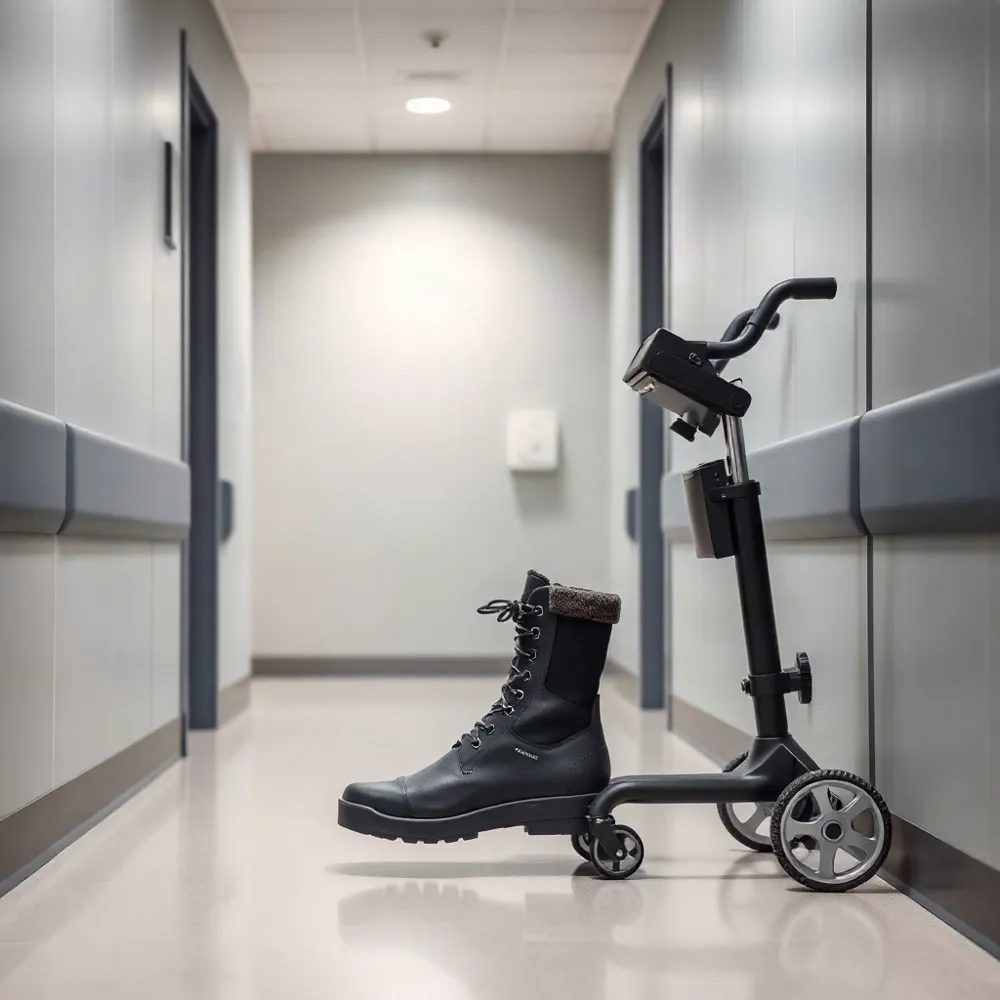
Some patients can walk soon after surgery in a protective shoe or boot, while others need limited or no weight-bearing for a period and may use crutches, a walker, or a knee scooter. Walking with protection is not the same as walking normally. Do not increase pressure on the foot or switch footwear until your surgeon advises it.
What does recovery look like over time?
The first weeks focus on protecting the foot, controlling swelling, and attending follow-up visits. Stitches may be removed around two weeks, depending on the closure. As healing allows, your care team may guide a gradual move to supportive shoes, more walking, or physical therapy. Follow-up examination and, when appropriate, X-rays help determine whether it is safe to progress.
Bone healing often takes several weeks, while a return to comfortable everyday walking and regular footwear may take weeks to months. Swelling or stiffness can persist for months, especially after longer periods on your feet. Recovery varies by procedure and individual healing, so wait for your surgeon’s clearance before running or other high-impact activity. For practical preparation and care advice, see these foot surgery recovery tips.
Risks, Planning, and Costs
What should I know before deciding to have bunion surgery?
Surgery is generally considered when bunion pain continues despite nonsurgical care and limits walking or daily activities. The goal is to improve alignment and function, not guarantee a normal-looking foot. At advancedfootcareil.com, an experienced podiatric surgeon provides minimally invasive foot and ankle care at locations in NW Chicago and South Florida; an individual assessment helps determine which correction fits the foot and the patient’s health and goals.
Discuss personal risks and expected benefits with a foot and ankle surgeon. Possible complications include infection, stiffness, numbness or nerve injury, persistent pain, delayed or failed bone healing, hardware irritation, overcorrection, and recurrence. The risks differ by procedure and patient health, as outlined in this bunion surgery guide.
Recurrence is possible, and surgery cannot promise that a bunion will never return or that every shoe will feel comfortable. Following postoperative instructions and choosing comfortable, supportive footwear may help maintain the correction, but neither removes the risk. Before deciding, ask about nonsurgical alternatives, the surgeon’s experience with the proposed procedure, pain management, weight-bearing limits, equipment, time away from work, driving and exercise restrictions, rehabilitation, recurrence, and whether surgery can safely wait.
How much does bunion surgery cost, and does insurance cover it?
U.S. costs vary with the procedure, surgeon, facility, anesthesia, and location, so a general estimate may not reflect an individual bill. Some insurers cover surgery when it is medically necessary, but coverage is not guaranteed and plan rules differ. Confirm network status and any authorization requirements with the insurer and surgeon’s office.
Request a written estimate that identifies covered services and expected out-of-pocket costs, including the deductible, copay, and coinsurance. Reviewing these details before scheduling can help you compare the financial cost with the expected benefits and recovery demands.
Make an Individualized Plan
A bunion does not automatically call for surgery. The decision should account for pain and daily function, examination and X-ray findings, overall health, and personal goals. As MyHealth Alberta’s decision aid emphasizes, the suitable procedure and likely outcome vary by individual.
A consultation at Advanced Foot Care can help patients weigh continued nonsurgical care against surgery. Discuss the available procedures, expected recovery, potential risks, and insurance coverage with a qualified foot and ankle surgeon before deciding. The clinic provides advanced, minimally invasive foot and ankle treatments at locations in NW Chicago and South Florida.