Understanding the Procedure
Minimally invasive bunion surgery corrects the bones that have shifted out of alignment through small incisions in the skin. The surgeon uses specialized instruments to cut and reposition bone, then typically secures it with screws. X-ray imaging during surgery can help guide the correction. Compared with a longer open incision, this approach disturbs less soft tissue, though it is not suitable for every foot or every bunion.
The operation is selected according to the deformity’s severity and the patient’s foot structure. A clinician assesses alignment through an examination and weight-bearing X-rays before recommending an approach, as described in guidance on minimally invasive bunion surgery. At advancedfootcareil.com, an experienced podiatric surgeon provides minimally invasive foot and ankle care, with treatment planning based on the individual’s needs.
Recovery also varies with the procedure and healing progress. This overview is general information, not an individual treatment plan; the treating surgeon’s instructions should guide decisions about walking, footwear, and activity.
When Surgery May Be Considered
A bunion, or hallux valgus, is a prominence at the base of the big toe that develops as the toe shifts toward the smaller toes. Pain can come from the bump pressing against a shoe, the toes rubbing together, or altered pressure beneath the ball of the foot. Bunion symptoms and causes can vary from person to person.
Wider or softer shoes, padding, toe spacers, and anti-inflammatory medication may ease discomfort. These measures do not permanently realign the toe or remove the bunion, but they may be enough when symptoms are manageable.
Surgery may be considered when pain or difficulty wearing shoes continues to interfere with daily activities despite nonsurgical care. A bunion that causes little or no discomfort may not need an operation, and surgery should not be performed for cosmetic reasons alone. A clinician can help weigh continued symptom management against surgical treatment.
Persistent symptoms may prompt an assessment for surgery, but they do not by themselves determine whether a minimally invasive approach is suitable. The decision depends on the deformity and the person’s foot; an examination and standing, weight-bearing X-rays help guide the choice of procedure, as explained in FootCareMD’s overview. At advancedfootcareil.com, an experienced surgeon focuses on minimally invasive foot and ankle treatments, with care locations in NW Chicago and South Florida. Learn more about minimally invasive bunion surgery.
Choosing the Surgical Approach
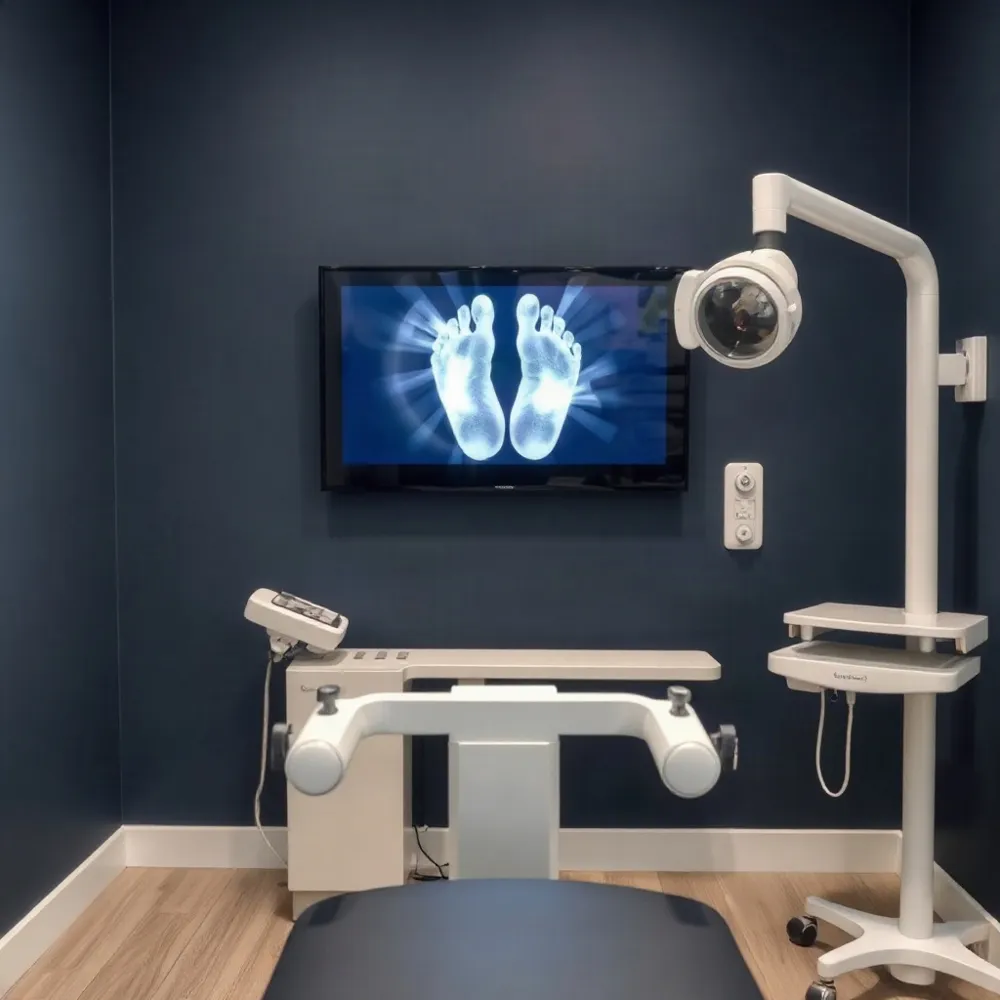 Choosing an operation starts with understanding the foot’s alignment and the demands of the deformity. A foot-and-ankle surgeon examines the foot, including while the patient is standing, and reviews weight-bearing X-rays to assess severity and guide procedure selection. At advancedfootcareil.com, this assessment helps match the treatment plan to the individual foot rather than assuming one technique fits everyone. Weight-bearing X-rays and surgical planning
For mild-to-moderate bunions, one option is PECA, or Percutaneous Chevron Akin. It repositions the first metatarsal, the bone behind the big toe, and cuts and realigns the big-toe bone. For some severe bunions, minimally invasive Percutaneous Lapidus correction may be considered. It repositions and fuses a joint nearer the arch and also cuts the toe bone.
Minimally invasive surgery uses small incisions and specialized instruments, sometimes with X-ray imaging to guide the correction. Smaller openings may disrupt less soft tissue and leave smaller scars, with less early pain for some patients. Open surgery uses a larger incision and may provide a more powerful correction for very severe deformities. Neither approach is universally best; the choice depends on the alignment, joint condition, and other features of the foot. Minimally invasive bunion surgery options
Who may not be a suitable candidate?
A severe deformity, a bunion accompanied by flat foot, very weak bones related to osteoporosis, or other complex foot problems may make a minimally invasive technique unsuitable. In such cases, a different or more involved operation may be considered. Patients can ask how each option addresses their specific deformity, what risks apply, and what recovery plan to expect. Persistent pain or difficulty with daily activities despite nonsurgical measures is a reason to discuss options, not a reason to presume that minimally invasive surgery is the right choice.
What Happens During the Operation
 The operation is planned around the bones and joints that need correction, rather than following one fixed sequence for every bunion. In general, bunion correction cuts and repositions bone to improve big-toe alignment and reduce the prominence, then holds the corrected bones in place with screws. The exact cuts and fixation depend on the procedure selected for the individual foot.
In minimally invasive surgery, the surgeon uses a small burr to make bone cuts through tiny incisions, instead of using a saw through a longer incision. The bones are shifted into a better position and secured, with imaging used as needed to check alignment. This approach limits the size of the skin openings, but it is still bone surgery and the planned correction varies by deformity.
For a PECA procedure, the surgeon cuts and repositions the first metatarsal and the bone in the big toe. A Lapidus correction is different: it repositions and fuses a joint closer to the arch, and may also include a cut in the toe bone. These techniques address different patterns of deformity, so their operative steps are not interchangeable.
Another approach is MICA, or minimally invasive chevron and Akin osteotomies. It uses a chevron cut in the first metatarsal and an Akin cut in the big-toe bone; screws hold the realigned bones, while X-ray imaging during surgery helps guide the correction. The MICA procedure is one technique, not a description of every minimally invasive operation.
At advancedfootcareil.com, minimally invasive podiatric surgery is part of a clinic focus on small-incision treatment, but the appropriate technique depends on examination findings and weightbearing X-rays. A closer look at bunion surgery explains the general purpose of realigning and stabilizing bone; a surgeon can clarify which specific cuts and fixation method fit a patient's foot.
Anesthesia and Early Pain Control
Anesthesia is used for bunion surgery, but there is no single plan established for every minimally invasive operation. General bunion-surgery guidance describes options that numb the foot or a wider area, and notes that general anesthesia is often unnecessary. The surgeon and anesthesia team choose an approach based on the procedure and the patient, so ask what is planned for your case. Cleveland Clinic’s overview of bunion surgery explains common anesthesia options.
A nerve block may keep the foot numb for about 24 hours, according to one surgeon’s practice, but this is not a standard promise for every patient. After the block wears off, some discomfort and swelling are expected. Smaller incisions may reduce pain compared with open surgery, but they do not eliminate it.
That practice commonly uses ibuprofen and acetaminophen for the next few days, though medication choices and needs vary. The treating clinician should advise what is safe, especially for patients with other health conditions or medicines. For more on early recovery and pain management after foot surgery, see guidance on managing pain and mobility.
Rest and frequent elevation can help limit swelling and discomfort during early recovery. At advancedfootcareil.com, individualized planning is part of podiatric care; follow the specific medication, activity, and elevation instructions from your own surgeon rather than assuming another patient’s plan will apply.
Protected Walking and Recovery
 How soon you can walk after minimally invasive bunion surgery depends on the correction performed. After PECA, a surgeon may allow weight-bearing about 24 hours after surgery, once sensation returns. After a minimally invasive Lapidus correction, weight-bearing may be delayed for two to four weeks. These are general estimates, not instructions for every patient, as HSS explains in its recovery guidance.
A protective postoperative shoe helps support the foot while the bones heal. Follow your surgeon’s specific directions about when and how much to walk. Do not assume that immediate walking is appropriate, or switch to regular shoes or increase activity without approval.
The first two weeks call for particular care: rest, limit time on your feet, and elevate the operated foot frequently to help manage swelling and support wound healing. HSS offers approximate guidance of elevating the foot about 80% of the time during week one and 50% during week two, but your own care team’s instructions should take priority.
The transition to normal sneakers also varies. The HSS guidance estimates about six weeks after PECA and eight weeks after minimally invasive Lapidus, while swelling, comfort, bone healing, and additional procedures can affect timing. Running and jumping may be restricted for 12 weeks; lower-impact activities can increase as tolerated under the care team’s direction.
There is no single set of days that is hardest for everyone. The early weeks require close attention to rest, elevation, wound healing, and weight-bearing limits. Later, progress may be slowed by swelling, which can persist for six to 12 months. Full recovery may take several months to a year, so gradual activity and follow-up remain part of the process.
At advancedfootcareil.com, an experienced foot and ankle surgeon plans care around the individual correction and provides procedure-specific guidance. For more on how weight-bearing can differ between procedures, see protected walking and recovery.
Expected Results and Possible Risks
Before surgery, a bunion may appear as a prominent bump and cause pain or difficulty finding comfortable shoes. The goal of correction is to improve the bones’ alignment and reduce the bump, not simply change the foot’s appearance. Your surgeon can explain what improvement is realistic for your foot.
Small incisions may disturb less soft tissue and leave smaller scars than open surgery. They may also be associated with less pain and swelling and an earlier return to activity, but these benefits are not guaranteed. A report from one surgeon’s practice described less pain medication use, better big-toe motion, and an earlier return to regular shoes among minimally invasive patients; these observations should not be treated as a prediction for an individual patient. At Advanced Foot & Ankle Care, the approach is planned around the patient’s foot and deformity, with minimally invasive techniques using small portals and specialized instruments.
Possible complications include delayed bone healing, numbness near an incision, infection, bleeding, blood clots, anesthesia-related problems, and painful screws or other hardware. The bunion can also recur after any type of correction. One source estimates lifetime recurrence at about 20%, while noting that significant recurrence requiring another operation is much less common according to HSS. Overcorrection, in which the big toe shifts too far in the opposite direction, is less common.
Following your individualized postoperative plan helps protect the correction as the bones heal. Wear comfortable, sensible footwear when possible, and contact your care team with concerns about healing, pain, or changes in toe alignment. Swelling may last for months, so shoe comfort and activity should increase according to your surgeon’s guidance.
Costs and Individual Planning
How much minimally invasive bunion surgery costs, and whether insurance may cover it, depends on the planned care and your coverage. The available sources do not establish a dependable price range or confirm coverage for any particular plan. Ask the clinic for a procedure-specific estimate, then check directly with your insurer what is covered and what you may owe out of pocket. You can also review cost and insurance considerations for foot surgery as you prepare questions.
Before deciding, ask how the proposed procedure fits your deformity, what recovery may involve, and which risks apply to you. It is reasonable to ask about the surgeon’s experience with the technique and how your health or daily activities may affect the plan. An examination and weightbearing X-rays help guide individualized recommendations, as explained in bunion surgery guidance from Harvard Health. General educational information cannot replace an examination or advice from your treating clinician.
A Decision Made for Your Foot
Minimally invasive surgery is one option for correcting a bunion, not the right choice for every foot. The procedure depends on the deformity, joint condition, and other factors found during an individual assessment.
A foot-and-ankle surgeon can review your examination and weight-bearing X-rays, explain which techniques may suit your case, and discuss potential risks and recovery. At Advanced Foot & Ankle Care, treatment planning is part of its minimally invasive foot and ankle care. Ask for clear instructions on weight-bearing, wound care, and activity, and follow the plan provided by your surgeon. Weight-bearing X-rays help guide bunion procedure selection.