Beyond the Ache: A New Era in Foot Care
Chronic foot and ankle conditions often impose a hidden tax on quality of life, limiting everything from morning commutes to favorite hobbies. While traditional approaches often focused solely on temporary relief, modern podiatric care emphasizes transformative care that prioritizes functional restoration. This shift moves beyond mere symptom management toward long, active lives.
True healing requires an integrated approach that views the patient as a partner, not a passive recipient. At advancedfootcareil.com, we mirror this philosophy, designing personalized recovery paths that address the underlying biomechanical or neurological origins of pain. This commitment to patient-centered design ensures treatments are aligned with actual life needs, helping to bridge the gap between clinical intervention and everyday mobility.
Navigating these paths is easier when you see what is possible. By utilizing patient stories as a form of community inspiration, patients can better understand their own journeys, fostering resilience even when managing complex multimorbidity. This focus on the whole person ensures that every step toward recovery is both supported and sustainable.
The Patient as the Hero of the Story
 Every recovery at advancedfootcareil.com follows a distinct narrative arc, shifting the focus from the initial challenge of chronic pain to a celebrated transformation. By centering the patient-centered research experience, healthcare providers acknowledge that the journey toward healing is as much about restoring identity as it is about physical repair.
Sharing these personal accounts builds a vital sense of community, helping those in pain feel less isolated during their recovery process. Patient stories act as powerful testimonials, offering others a concrete roadmap and the necessary inspiration to commit to their own treatment plans.
Authenticity remains the core strength of these accounts. When former patients describe their own experiences in their own words, the narrative gains an emotional depth that dry clinical statistics simply cannot replicate. This approach turns a patient from a recipient of care into a beacon of hope for others currently navigating similar obstacles.
Understanding Your Path to Recovery
 Recovery timelines for foot and ankle surgery vary significantly depending on the complexity of the procedure, whether bone or soft tissue is involved, and your overall health. While minor procedures may allow a return to standard footwear within 2-3 weeks, surgeries typically requiring bone work often involve a non-weight-bearing period of 4-6 weeks, as noted by Minimally Invasive Bunion Surgery. General healing, including the gradual resolution of tenderness and swelling, typically happens over 3-4 months, though reaching full recovery for more complex reconstructions can take up to a year.
The evolution of surgical precision
Modern podiatry has shifted from large, traditional incisions toward microscopic, percutaneous techniques that prioritize tissue preservation. Minimally invasive approaches use specialized instrumentation to guide bone alignment through minute openings, starkly contrasting with traditional methods that often require lengthy incisions and extended immobilization. This evolution allows for less tissue trauma and significantly faster recovery trajectories.
- The first two weeks: Focus is on inflammation control, requiring strict rest and limb elevation to support initial healing.
- The 6-week milestone: Many patients transition from surgical boots into normal footwear as initial bone stability is achieved.
- The 3-12 month phase: This period marks the resolution of lingering swelling and the return to full functional range of motion and high-impact activity.
- Adherence to protocols: As documented regarding multimorbidity, successful outcomes rely on a partnership between patient and provider, particularly in adhering to specific physical therapy regimens and weight-bearing schedules.
Setting realistic functional goals remains a foundation of effective podiatric care. Rehabilitation plans are tailored to the individual's specific needs, ensuring that each step of your recovery is monitored for optimal progress.
Minimally Invasive Bunion Surgery: A Faster Return to Life
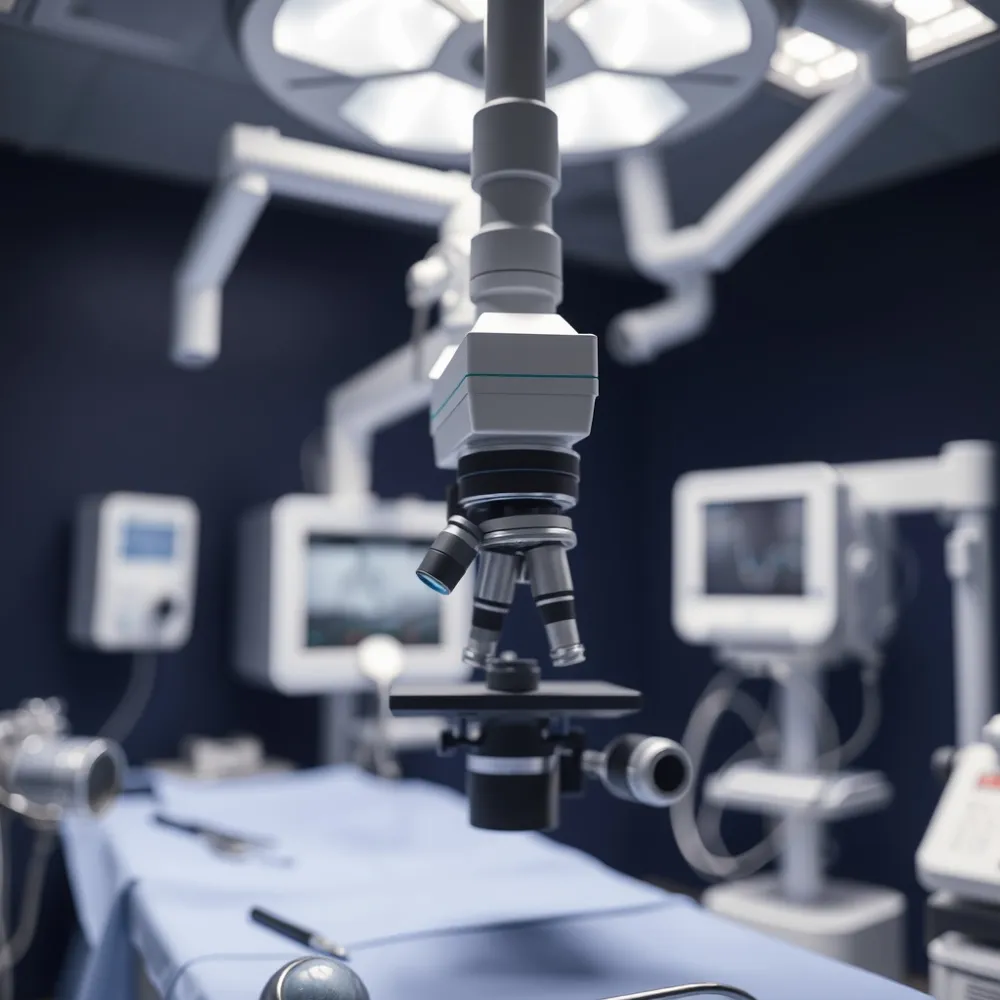 A bunion, medically known as hallux valgus, is a bony protrusion at the base of the big toe that occurs when foot bones move out of alignment, forcing the big toe toward smaller ones. While conservative strategies like bunion pads, toe spacers, and orthopedic footwear can alleviate friction, they cannot correct the underlying structural deformity. Surgery becomes a necessary consideration when daily pain persists or shoe-fitting becomes impossible despite consistent use of non-surgical interventions.
Modern techniques like the Percutaneous Chevron Akin (PECA) procedure have transformed the patient experience. Unlike traditional open surgeries that require long incisions, these methods use microscopic punctures and live X-ray guidance to perform bone cuts with precision. At advancedfootcareil.com, this approach minimizes soft tissue trauma and joint disturbance, often resulting in less post-operative pain and smaller, less visible scars than traditional methods.
What is the typical recovery timeline for minimally invasive bunion surgery?
Minimally invasive bunion surgery allows for immediate weight-bearing in a specialized protective boot, which significantly differentiates it from the prolonged non-weight-bearing periods often required after traditional open procedures. Patients typically progress to wearing comfortable, wide-toed sneakers by approximately six to eight weeks post-operatively, depending on the specific technique used and the severity of the correction. Because the procedure utilizes tiny incisions that cause less soft tissue disruption, many patients experience reduced swelling and faster bone healing compared to historical methods. While the initial healing phase focuses on protection and managing swelling, activity levels are systematically increased based on a patient's unique progress and comfort. Most individuals can expect a much quicker return to their baseline activity levels, with full athletic or high-impact transitions generally occurring after the three-month recovery milestone has been met.
Who is considered a suitable candidate for minimally invasive bunion surgery?
A suitable candidate for minimally invasive bunion surgery is typically an individual suffering from symptomatic, mild-to-moderate bunions with flexible deformities that have not responded to conservative treatments, such as footwear modifications or anti-inflammatory medications. Patients should be experiencing significant pain that limits their daily activities, chronic joint inflammation, or toe stiffness. This procedure is generally best suited for those without severe arthritis or advanced joint degeneration, as those conditions often require more traditional surgical approaches. Because this technique uses smaller incisions to minimize soft tissue disruption, it is an ideal option for patients looking to prioritize reduced scarring and a faster recovery period. Ultimately, a consultation with an experienced podiatric surgeon is required to review your imaging results and determine if this approach is the most effective solution for your specific foot structure and clinical needs.
Success rates for these advanced surgical interventions are high, though patients should be aware of a lifetime recurrence rate of approximately 20% due to factors like hypermobility or hereditary predisposition. Choosing a specialist who prioritizes functional outcomes ensures that candidates are well-screened for long-term alignment success rather than temporary relief. Through careful adherence to post-operative instructions at advancedfootcareil.com, patients can optimize their healing and reach their new normal significantly faster than they might with older, traditional techniques.
Total Ankle Replacement: Preserving Motion, Restoring Ambition
When end-stage ankle arthritis makes daily movement feel like an insurmountable challenge, patients often face a critical choice between surgical fusion and modern total ankle replacement. While ankle fusion permanently locks the joint to eliminate pain, it often alters a patient's natural gait and limits long-term mobility. In contrast, total ankle replacement aims to reduce pain while maintaining functional joint motion, allowing for a more natural walking experience.
For patients at advancedfootcareil.com, the decision to move forward with a replacement is often driven by a desire for an active lifestyle. This procedure is typically recommended for individuals aged 40 and older who maintain good baseline range of motion but suffer from debilitating arthritic pain. Modern implants, such as the Wright Medical Prophecy Infinity Adaptis, have significantly advanced the field, offering better longevity and personalization compared to outdated designs.
What are the common benefits and potential downsides of total ankle replacement surgery?
A primary benefit is the restoration of more natural gait mechanics compared to traditional fusion procedures, which completely eliminate joint flexibility. Despite these advantages, the surgery is technically demanding and carries risks, including potential hardware wear or loosening over time. Prospective patients must consider that these implants typically last 10 to 15 years, meaning revision surgery may be necessary in the future. Ultimately, determining if this procedure is the right fit depends on a patient's individual age, activity level, and specific joint alignment, making a thorough consultation with an experienced podiatric surgeon essential.
Successful outcomes require patient commitment throughout a structured recovery journey. Standard protocols typically involve six weeks of non-weight-bearing immobilization, followed by a transition to a walking boot and diligent physical therapy. While full recovery of strength can take up to a year, many patients report significant clinical improvement within the first three to six months, enabling them to resume activities that were previously restricted by chronic pain.
Managing Pain and Managing Expectations
Following foot surgery, patients typically experience peak discomfort during the first 48 to 72 hours as the initial anesthesia wears off and the body begins its inflammatory healing response. While the intensity of this pain varies based on the specific procedure and individual pain tolerance, clinical observations often identify the three-day mark as the period of maximum severity. Patients who undergo specialized, minimally invasive procedures at advancedfootcareil.com may report less intense pain compared to traditional open surgeries due to reduced soft tissue trauma and smaller incision sites. Regardless of the surgical technique, consistent elevation of the foot and adherence to prescribed pain management protocols are essential during this initial window. By the six-week mark, most patients experience a significant reduction in pain as the primary healing phase concludes and normal function begins to return.
Why might a surgeon advise against bunion surgery?
A surgeon may advise against bunion surgery if a patient is asymptomatic, as the procedure is intended to relieve pain rather than improve the foot's aesthetic appearance. Because bunion surgery is elective, physicians typically exhaust all conservative, non-surgical options, such as footwear modifications, orthotic inserts, and padding, before considering an operation. At advancedfootcareil.com, the clinical team emphasizes that surgery is not recommended as a preventative measure to keep a bunion from worsening. Furthermore, a surgeon may decide against intervention if the patient's underlying health conditions, age, or overall physical status present significant surgical risks. Ultimately, the decision depends on a thorough evaluation of the severity of the deformity, the patient's activity level, and the specific condition of the joint, ensuring that the potential benefits outweigh the inherent risks of surgery.
Compliance with post-operative instructions is the single most important factor for achieving successful outcomes. Diligent adherence to weight-bearing restrictions and ice application protects the surgical site, preventing complications that can set back recovery timelines. Surgeons often set functional goals early, such as returning to desk work, resuming driving once pain medication is no longer necessary, and incorporating low-impact exercise like swimming or stationary cycling, to help patients maintain a positive, transformative outlook on their recovery journey.
Holistic Care: Treating the Whole Person, Not Just the Foot
Effective foot health requires looking beyond the localized injury to understand the broader context of your physical and emotional well-being. Research shows that multimorbidity, such as the coexistence of diabetes, hypertension, or back pain, is strongly linked to poorer outcomes and increased difficulty in managing chronic discomfort. At advancedfootcareil.com, our clinical philosophy mirrors modern multidisciplinary standards, which prioritize a person-centered model over a single-disease focus.
True healing often demands more than surgical precision. It integrates nutritional counseling, mental health support, and lifestyle adjustments to ensure long-term stability. For patients navigating chronic conditions, this integrative strategy helps address the complexities of transformative care by focusing on functional recovery rather than just temporary symptom management.
What is the expected recovery timeline for minimally invasive flatfoot surgery?
The recovery timeline for minimally invasive flatfoot surgery is a gradual process that can take up to a year for complete healing. In the initial phase, patients typically begin weight-bearing after 6 to 8 weeks, progressing to full weight-bearing by 10 to 12 weeks. Transitions to regular footwear usually occur after 12 weeks, often accompanied by the use of orthotic inserts or ankle braces for added support. Because surgical plans are tailored to the specific needs of each patient's deformity, individual milestones may vary based on the complexity of the procedures performed. Throughout this journey, patients should remain committed to their postoperative rehabilitation plan to ensure optimal alignment and long-term functional recovery.
Prevention remains the cornerstone of care, particularly for diabetic patients. Early assessment and consistent monitoring allow for timely interventions, such as specialized offloading and patient education, which are vital for reducing diabetic foot ulcer recurrence. By engaging in these proactive measures, patients gain the tools needed to maintain their independence and quality of life.
The Role of Community and Shared Inspiration
Recovery from chronic foot conditions is rarely a solitary endeavor. Engaging with patient success stories offers more than just information. These narratives help reduce the sense of isolation that often accompanies long-term pain by providing relatable examples of regained mobility. Seeing others traverse the path from chronic discomfort to an active lifestyle helps potential patients feel less alone, alleviating the anxiety frequently associated with surgical interventions.
Social proof remains a vital component of medical decision-making. At advancedfootcareil.com, we recognize that these accounts provide necessary clinical context while building trust. Our team shares HyProCure® Success Stories to show how innovative, minimally invasive treatments can help restore long-term function.
This process often creates a cycle of inspiration. Former patients who transition into what some describe as a beacon of hope frequently become vocal advocates, helping others understand that structural foot or ankle issues do not have to define their physical potential. By integrating lived experiences into our care model, we ensure that our patients feel heard and supported throughout their journey toward permanent pain relief.
Realizing Your New Normal
True recovery extends well beyond the initial days of post-operative healing. After the early phases of surgical recovery, the final months involve a gradual maturation of surgical sites and the systematic restoration of full physical strength. Over a 6 to 12 month timeframe, patients at advancedfootcareil.com typically see scars fade and muscle function stabilize, confirming the long-term success of their procedure compared to traditional, more invasive surgical methods that often require longer periods of reduced activity.
Achieving lasting results requires active engagement in guided physical therapy. While some clinics rely on generic advice, the team at advancedfootcareil.com tailors activity modifications to your specific lifestyle, ensuring you strengthen surrounding muscles without overloading vulnerable joints. This personalized approach is essential for maintaining long-term foot health and preventing recurring issues that can plague patients who lack a structured transition to high-impact activities.
The culmination of this journey is the return to daily joy and function. When you move past chronic pain, the focus shifts from symptom management to a life of restored mobility. By participating in your own recovery process, you transform from a patient into an active advocate for your own well-being, finally reclaiming the hobbies and daily tasks that were previously limited by foot discomfort.
Your Story of Transformation Starts Here
True recovery is not merely the absence of pain. It is a return to the activities that define your identity, supported by patient-centered research that prioritizes your unique functional goals.
At advancedfootcareil.com, we combine advanced surgical precision with a commitment to sustainable restoration. By shifting focus from temporary symptom relief to long-term functional recovery, we empower you to reclaim your lifestyle.
Your path toward relief begins with a single conversation. Whether you seek minimally invasive solutions or complex reconstruction, we invite you to schedule a consultation to build a tailored plan for your future. When innovative expertise meets shared inspiration, the possibility for change becomes a reality.