Understanding the Vital Role of Proper Arch Support
Your feet serve as the foundation for your entire body, and the arch of the foot acts as a vital shock absorber that stabilizes movement. By distributing weight evenly across various surfaces, a healthy arch protects the musculoskeletal system. Improper footwear can hinder this natural function, leading to a breakdown in the kinetic chain where rotational changes in the feet translate upward to the knees, hips, and back.
Using unsupportive or ill-fitting shoes contributes to chronic pain and common ailments such as plantar fasciitis, bunions, and joint alignment issues. While mass-market retailers often prioritize aesthetics, Advanced Foot Care emphasizes that choosing functional footwear is essential for long-term health. Unlike generic off-the-shelf options, professional guidance at our offices in NW Chicago and South Florida ensures your footwear matches your unique anatomy, whether you have flat, neutral, or high arches as identified through a wet test.
- Consistent use of supportive footwear prevents long-term joint stress in the ankles and hips.
- Properly aligned arches reduce the likelihood of developing painful conditions like hammertoes or neuromas.
- Regular podiatric evaluation is the most effective way to address biomechanical imbalances before they cause permanent damage.
Identifying Your Unique Foot Arch Structure
 The human foot contains three primary arch classifications: flat (low) arches, neutral arches, and high arches. The neutral or normal arch is the most common and is often considered the standard for efficient biomechanical function because it distributes body weight evenly across the entire sole. This architecture allows the foot to act as a natural shock absorber, stabilizing the body during movement while minimizing the risk of strain.
How can I determine my foot arch type?
The most effective home assessment is the wet foot test, which reveals your specific foot arch structure. By dampening your sole and stepping firmly onto a piece of paper or cardboard, you create a clear footprint. A flat arch leaves a near-complete image of the sole due to a lack of significant curvature. Conversely, a high arch typically displays only the heel and ball of the foot, often with a very thin connection or no mark appearing for the midfoot region at all. If you notice persistent discomfort, a formal clinical gait evaluation can identify if your specific structure requires tailored intervention, such as custom orthotics.
What is the difference between a high instep and a high arch?
Though often confused, these represent two distinct anatomical features. A high instep refers to the volume across the dorsal surface, or the top of the foot, which frequently creates challenges when finding shoes with sufficient vertical clearance. A high arch, however, describes the structural curvature of the plantar surface on the bottom of the foot, directly influencing how you absorb shock. It is possible to possess both traits simultaneously, but having a high arch does not automatically imply a high instep. At advancedfootcareil.com, we prioritize these architectural distinctions to ensure patients select footwear that prevents pressure hotspots and maximizes long-term joint health.
Recognizing Signs You Require Enhanced Arch Support
 Understanding when your footwear fails to provide adequate structural backing is essential for preventing chronic discomfort. Identifying a need for arch support often begins with recognizing persistent foot, heel, or arch pain, particularly when symptoms such as plantar fasciitis occur. If you suffer from frequent fatigue during weight-bearing activities, or notice secondary aches in your knees, hips, or lower back, your arch structure may be failing to provide adequate shock absorption. These symptoms highlight the body's kinetic chain, where alignment issues in the feet translate upward to influence joint health throughout the frame.
Observing your habits and gear offers clear diagnostic indicators. You should examine your current footwear for uneven wear patterns, such as excessive thinning on the inner or outer edges of the soles, which often indicates overpronation or underpronation. Furthermore, individuals with noticeably flat feet or high arches often lack the natural biomechanical alignment required for efficient movement. While generic stability shoes exist, patients at Advanced Foot Care often require precision-tailored solutions to address these specific structural deficits.
How do I know if I need arch support footwear?
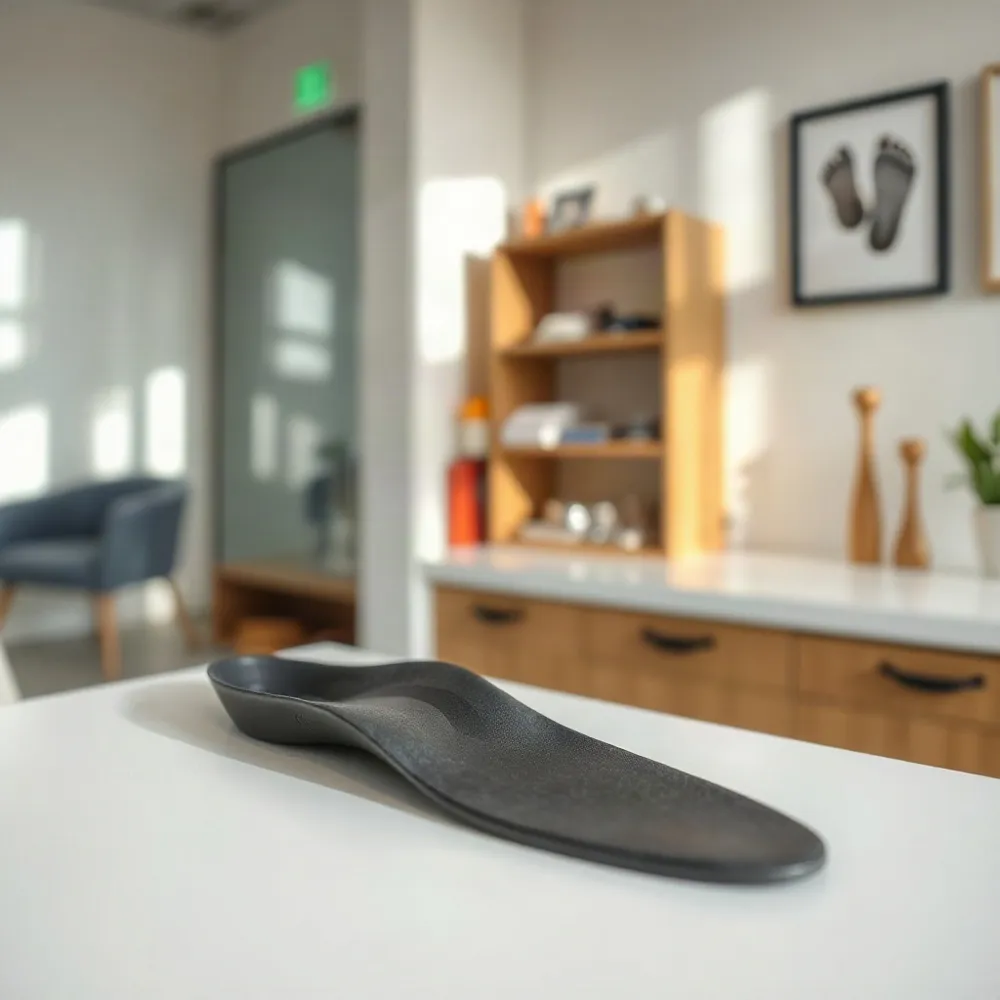
If you experience these signs or feel a general lack of stability, consult a professional for a formal evaluation. A podiatric physician can perform a comprehensive gait analysis to identify underlying issues like muscular weakness or structural collapse that simple store-bought insoles cannot resolve. While over-the-counter options like those from PowerStep or Superfeet may offer temporary relief, those with chronic pain or extreme arch types often benefit from the custom orthotics provided through advancedfootcareil.com, which ensure your support system is engineered to your unique anatomy.
Essential Features of Supportive and Functional Footwear
 Selecting appropriate footwear requires evaluating specific design elements that protect your foot's structural integrity. At advancedfootcareil.com, we emphasize that a wide toe box is vital for allowing natural toe splay, which helps prevent painful issues like bunions and hammertoes. In contrast to many fashion-forward brands that prioritize narrow silhouettes, functional footwear utilizes a broader forefoot to maintain natural alignment.
What features should I look for in arch-supportive footwear?
Look for adequate cushioning and shock absorption to reduce impact on the arches, as well as firm heel counters to provide stability and prevent excessive inward or outward roll of the foot. Shoes should incorporate a rigid shank as specified by the APMA that resists bending in half, ensuring the arch remains protected during weight-bearing movement.
- Neutral designs provide balanced support for standard arch structures, offering moderate cushioning without forcing the foot into proprietary positions.
- Stability footwear utilizes midfoot support elements to manage mild overpronation, helping the foot maintain a neutral path during the gait cycle.
- Motion control designs incorporate stiffer materials and wider bases, specifically engineered to support flat feet or significant inward tilting that can lead to chronic plantar fasciitis.
The level of required shock absorption varies significantly by activity. High-impact sports often generate pressures three to five times a person's body weight, requiring durable cushioning that exceeds the standards found in casual lifestyle sneakers per Mayo Clinic Health System data. When standard retail options fail to provide the necessary correction, experienced practitioners at the advancedfootcareil.com clinic can evaluate if custom orthotics are needed to address specific biomechanical imbalances that off-the-shelf shoes cannot resolve.
Best Practices for Selecting and Buying New Shoes
Correct shoe selection is a fundamental aspect of maintaining long term joint alignment and preventing common ailments like plantar fasciitis. Because foot structure can change due to aging, pregnancy, or physical activity, periodic professional foot measurement is recommended to ensure both length and width remain accurate. At Advanced Foot Care, we emphasize that while national retail chains often provide basic sizing, a podiatric evaluation ensures your gear accommodates specific anatomical needs that mass-produced options frequently overlook.
What tips should I follow when shopping for new shoes?
To ensure optimal comfort, visit stores in the late afternoon or evening. Your feet naturally accumulate minor swelling throughout the day, and fitting shoes when your feet are at their maximum volume prevents mid-day constriction. Aim for a thumb’s width of space between your longest toe and the front of the shoe to allow for natural movement. Always wear the specific type of socks you intend to use with that pair for an accurate fit.
Prioritize immediate comfort over the hope that a shoe will stretch. A required break-in period is frequently a sign of an inherent mismatch between the foot and the shoe last. If you struggle to find comfort, consider that some patients find relief through custom orthotics rather than relying on standard over-the-counter options. Unlike generic, poorly fitted footwear that may aggravate chronic conditions, Advanced Foot Care utilizes advanced, minimally invasive diagnostics to ensure your footwear supports your unique gait. Always test potential pairs by walking in the store; if the shoe feels unstable or forces your foot into an unnatural shape, it will likely contribute to future injury.
Podiatric Perspectives on Recommended Brands and Orthotics
Navigating the options available for supportive footwear can feel overwhelming. At advancedfootcareil.com, we emphasize that the primary criteria for any choice should be functional support rather than brand recognition alone. While major manufacturers like Brooks, New Balance, Asics, and Saucony are frequently cited for their athletic performance, they serve as starting points that must be matched to your unique biomechanical needs, such as arch height and pronation tendencies.
Which shoe brands are commonly recommended by podiatrists for arch support?
Podiatrists prioritize structural integrity including firm heel counters and sufficient shank rigidity. For casual or daily wear, brands like Vionic, Dansko, Aetrex, and Naot are often integrated into treatment plans due to their specific focus on anatomical foot health. When evaluating potential purchases, look for the American Podiatric Medical Association Seal of Acceptance, which indicates that the footwear meets rigorous standards for quality and support. Unlike generic fashion footwear that may sacrifice structural stability for aesthetic appeal, these recognized options help distribute pressure evenly and support the natural kinetic chain.
Generic off-the-shelf inserts like those from PowerStep, Superfeet, or Spenco can offer cost-effective relief for mild discomfort. However, patients with chronic conditions or significant structural deviations often require custom orthotics tailored by a specialist. At advancedfootcareil.com, we determine the necessity of these devices through comprehensive gait analysis rather than trial and error. Regardless of the insert type, monitoring for material fatigue is vital. As the cushioning and structural components of both shoes and insoles degrade over time, replacing them every 6 to 12 months is standard practice to avoid the return of alignment issues and subsequent discomfort.
Integrating Specialized Care for Chronic Conditions
Individuals living with chronic conditions like diabetes or arthritis require rigorous attention when selecting footwear to avoid complications such as ulcerations or infections. While standard supportive shoes offer baseline protection, patients with diabetes often necessitate extra-depth designs with seamless interiors to minimize pressure points. At advancedfootcareil.com, we specialize in identifying these structural needs through comprehensive clinical evaluations, ensuring that patients receive tailored guidance that typical retail advice often overlooks.
When pain persists despite upgrading your footwear, it may indicate an underlying structural issue rather than a simple need for more cushioning. We utilize minimally invasive interventions at advancedfootcareil.com to address chronic arch pain and correct deformities that render store-bought shoes ineffective. Unlike generic advice, these expert interventions target the mechanical root of misalignment, often providing relief where mass-market solutions fail.
Proper management of these conditions is paramount to maintaining mobility. Following a professional consultation, patients often find that custom orthotics provide the specific pressure redistribution necessary to accommodate permanent structural changes. Prioritizing these interventions over aesthetic trends ensures that chronic foot conditions do not limit your daily quality of life.
Taking Proactive Steps Toward Lasting Foot Comfort
Prioritizing functional features like arch support and shock absorption over aesthetic trends is the most effective strategy for maintaining long-term foot health. While many popular brands prioritize style, clinics like Advanced Foot Care advocate for a focus on biomechanical alignment, which helps prevent chronic conditions such as plantar fasciitis and stress fractures. Unlike mass-market retailers that emphasize seasonal designs, professional podiatric guidance ensures you select gear that addresses your specific arch type and gait requirements.
Foot structure remains dynamic, often shifting due to age, injury, or activity levels. Frequent professional monitoring acts as a preventative measure, allowing for the timely adjustment of supportive interventions or the implementation of custom orthotics when standard footwear falls short. Investing in high-quality, health-grade footwear is not merely an expense, but a foundational commitment to mobility and pain-free activity for years to come.