Introduction to Custom Orthotics and Their Importance
Understanding Custom Orthotics
Custom orthotics are specialized shoe inserts designed to fit the unique contour of an individual’s feet. Crafted through detailed foot measurements, digital scans, or plaster molds, these devices provide precise support aimed at correcting foot alignment and biomechanical issues.
Common Foot Conditions Addressed
These orthotic devices help alleviate symptoms related to a wide range of foot and ankle conditions including plantar fasciitis, bunions, hammertoes, flat feet, high arches, heel pain, tendonitis, Morton’s neuroma, and more. They are also effective in managing foot problems related to systemic conditions like diabetes and arthritis.
Role in Injury Prevention and Function Enhancement
Custom orthotics enhance foot function by redistributing pressure evenly, improving stability, and providing shock absorption. This correction of foot mechanics helps prevent injuries such as ankle sprains, knee pain, and Achilles tendonitis. Additionally, orthotics support proper body alignment, which can alleviate stress on knees, hips, and the lower back, ultimately contributing to better overall mobility and reduced pain.
Understanding Custom Orthotics: Types, Design, and Functionality
What Are Custom Orthotics and How Are They Made?
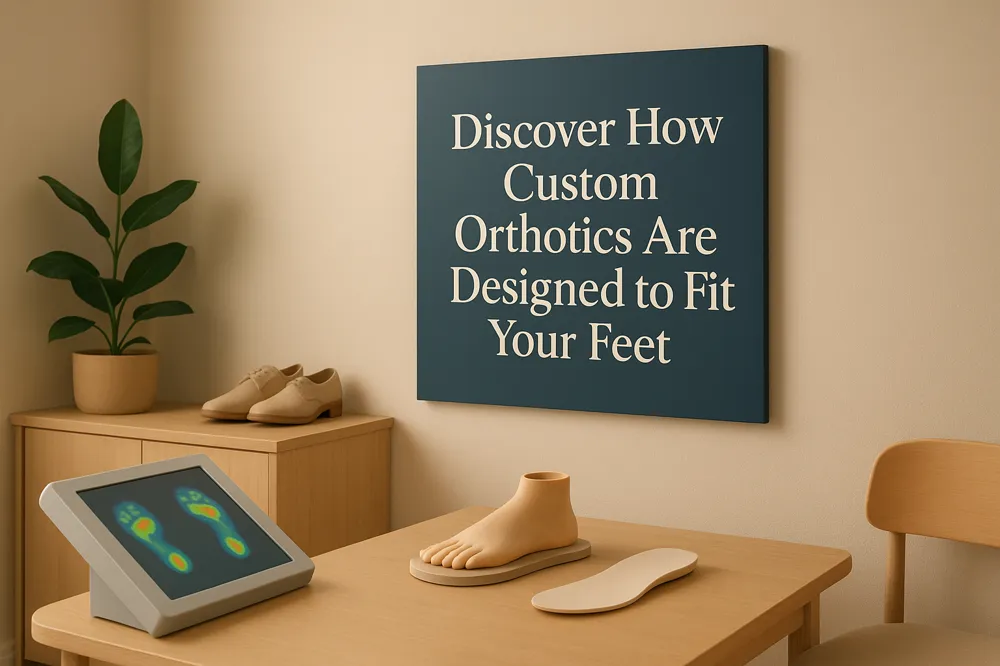
Custom orthotics are specially crafted shoe inserts designed to fit precisely to the unique contours and biomechanics of an individual's feet. Unlike off-the-shelf insoles, they are created based on detailed measurements such as plaster molds, foam impressions, or 3D computerized scans that capture the shape, structure, and gait dynamics of the patient’s foot. For more details, see Custom orthotics for foot pain.
Difference Between Functional and Accommodative Orthotics
There are two primary categories of custom orthotics. Functional orthotics are semi-rigid devices typically made from durable materials like graphite, carbon fiber, or plastic. Their main purpose is to control abnormal foot motion, improve alignment, and reduce pain by stabilizing foot mechanics. On the other hand, accommodative orthotics are softer and more flexible, designed to cushion and mold to the foot’s surface. They provide extra support and pressure relief, especially beneficial for conditions such as diabetic ulcers and sensitive foot deformities. Learn more about Functional vs accommodative orthotics.
Materials Used and Customization Process
Materials for custom orthotics range from rigid plastics to soft cushioning foams. The selection depends on the patient's needs, activity level, and specific foot issues. During the fabrication process, detailed gait and biomechanical analyses are performed, often including podiatric assessments and imaging studies. This information guides the orthotic design to ensure optimal pressure redistribution and alignment support. Read more on Orthotics design process.
How Orthotics Redistribute Pressure and Improve Foot Alignment
Custom orthotics function by evenly distributing body weight across the foot, reducing focal pressure points that can cause pain or deformities. They provide targeted arch support and improve stability by correcting biomechanical faults such as overpronation or supination. By enhancing foot alignment, orthotics relieve strain on the feet, ankles, knees, hips, and lower back, promoting better posture and reducing injury risk. Discover more about Improved foot alignment.
What Should Patients Expect During a Consultation at a Specialized Podiatry Clinic?
Patients can expect a comprehensive evaluation during their visit which starts with reviewing their medical history and addressing any existing foot symptoms. A physical examination of the skin, nails, bones, and gait is conducted along with diagnostic imaging like X-rays or CT scans when necessary. Foot pressure assessments may be performed to analyze weight distribution and movement patterns. Based on the evaluation, a personalized treatment plan is developed that may include a prescription for custom orthotics tailored to provide maximum support and comfort. For more information, see Prescription custom orthotics.
The Role of Custom Orthotics in Injury Prevention and Biomechanics
How orthotics correct gait and foot mechanics
Custom orthotics are designed to precisely match the contours of an individual’s feet, addressing abnormalities such as overpronation (inward rolling) and supination (outward rolling). By providing targeted arch support and stabilizing the heel, these devices redistribute pressure evenly across the foot. This correction improves overall Foot alignment and injury prevention, resulting in better gait mechanics and reduced strain on muscles and joints.
Preventing common sports injuries and overuse conditions
Misaligned foot mechanics can lead to injuries like plantar fasciitis, shin splints, Achilles tendinitis, and runner’s knee. Custom orthotics help prevent these conditions by realigning foot structure and supporting proper weight distribution during movement. Athletes benefit from decreased injury risk and faster recovery times, as orthotics help maintain biomechanical balance during high-impact activities. Learn more about Prevent sports injuries with orthotics.
Shock absorption and stabilization benefits
Orthotics act as effective shock absorbers, lessening impact forces on the feet and lower limbs. This reduces stress on bones, tendons, and ligaments, thereby lowering the risk of overuse injuries such as stress fractures and tendonitis. Additionally, orthotics enhance foot stability and balance, which is crucial for Preventing ankle sprains and improving overall mobility.
Impact on knees, hips, and lower back
Poor foot alignment can cause biomechanical imbalances that extend upwards, affecting knees, hips, and the lower back. By correcting foot posture and improving gait, custom orthotics help alleviate associated joint pain and discomfort. Patients often experience Improved posture and alignment.
Benefits for athletes and active individuals
Athletes especially benefit from custom orthotics as these devices optimize foot function and energy transfer during activities. The enhanced support and cushioning reduce foot fatigue and improve endurance. Many athletes find that orthotics contribute to better Improving athletic performance, fewer injuries, and the ability to engage in sports more confidently and comfortably.
Additional notes
While custom orthotics greatly contribute to injury prevention and biomechanical correction, it is essential to use them alongside appropriate footwear and strength exercises to maximize benefits. Proper assessment by podiatrists ensures Custom orthotics explained that effectively support individual biomechanics.
Related clinical insight
Minimally invasive foot surgery, often utilized when conservative measures like orthotics are insufficient, offers advantages such as smaller incisions, less post-operative pain, and quicker recovery times compared to traditional surgery. Both approaches have similar clinical outcomes and complication rates, with the choice tailored to patient needs and surgeon expertise. For more about When to see a podiatrist for orthotics.
Clinical Advantages of Custom Orthotics Over Over-the-Counter Inserts
Customization vs. Generic Inserts
Custom orthotics are precisely molded to the unique contours of an individual's feet using advanced methods such as plaster molds, foam impressions, or 3D computer scans. This tailored approach allows them to correct specific biomechanical abnormalities including overpronation, supination, and uneven weight distribution. In contrast, generic over-the-counter inserts provide generalized support and cushioning without addressing individual foot structure or gait abnormalities.
Durability and Material Quality
Custom orthotics are fabricated from high-quality materials such as carbon fiber, graphite, or durable plastics. These materials not only enhance longevity but also provide a balance between rigidity and flexibility needed for corrective function. Over-the-counter options often use softer, less durable materials, limiting their lifespan and effectiveness, especially under high-impact activities or strenuous use.
Precision in Addressing Biomechanical Abnormalities
Professional podiatry clinics conduct comprehensive evaluations—including gait analysis, weight-bearing X-rays, and biomechanical assessments—to design orthotics that specifically target pathological motion or deformity. This precision reduces pain and corrects abnormal foot mechanics more effectively than generic inserts, which lack individualized calibration. For more information, see Biomechanical and gait analysis.
Long-term Foot Health Benefits and Pain Relief
By restoring proper alignment and distributing pressure evenly, custom orthotics alleviate foot pain associated with conditions such as plantar fasciitis, bunions, tendonitis, and arthritis. They also improve stability and balance, potentially reducing falls and secondary injuries. Prolonged use supports posture and decreases strain on knees, hips, and lower back, contributing to overall musculoskeletal health.
Role in Reducing the Need for Invasive Treatments
Clinically tailored orthotics can prevent or delay the progression of deformities and chronic conditions, minimizing the necessity for surgery or invasive procedures. Their use promotes foot function restoration while providing a non-invasive solution for managing complex biomechanical issues. Visit Orthotics definition to learn more.
What benefits are offered by choosing a professional podiatry clinic led by an experienced surgeon?
Experienced podiatry clinics provide accurate diagnosis and utilize sophisticated diagnostic tools to assess foot health comprehensively. Their personalized treatment plans, including custom orthotics, are supported by extensive expertise, ensuring optimal device performance and patient comfort. Minimally invasive options and advanced foot care from such clinics improve mobility, prevent complications, and foster sustained foot health improvements.
Integrating Custom Orthotics into Comprehensive Foot and Ankle Care

What advanced, minimally invasive treatments are available for foot and ankle conditions?
Advanced minimally invasive treatments, such as arthroscopic surgery, endoscopic plantar fasciotomy, percutaneous tendon repair, and minimally invasive foot surgery procedures, are increasingly incorporated into foot and ankle care. These innovative procedures minimize tissue trauma, reduce pain, accelerate recovery, and permit early weight-bearing, enhancing overall patient outcomes and cosmetic results.
How do custom orthotics complement these advanced treatments?
Custom orthotics serve as a vital adjunct to minimally invasive therapies by providing tailored support and cushioning that maintain foot and ankle alignment post-procedure. They help offload pressure from sensitive or healing areas, redistribute forces evenly, and stabilize gait, which aids in preventing recurrent injury and promotes effective rehabilitation.
What complementary therapies and offloading techniques assist patient outcomes?
Orthotic use is often combined with offloading strategies such as specialized footwear, padding, bracing, and activity modification to protect vulnerable areas. Physical therapy focusing on strengthening, stretching, and balance exercises complements orthotics by improving foot mechanics and enhancing overall lower limb function.
How is patient education and maintenance important for sustained benefits?
Educating patients on proper orthotic use, gradual adaptation, shoe selection, and hygiene ensures optimal effectiveness. Regular follow-up allows timely adjustments to orthotics according to activity levels and anatomical changes. Sustained foot care, including monitoring for skin integrity and prompt treatment of symptoms, is essential, especially in chronic conditions.
What impact do custom orthotics have on diabetic foot care, arthritis, and limb preservation?
In diabetic foot care, orthotics play a critical role by offloading pressure areas to prevent ulcers and infections, effectively supporting limb preservation efforts. For arthritis patients, they improve joint alignment, reduce painful pressures, and enhance mobility. Integrating orthotics within comprehensive management helps maintain independence, reduce complications, and support long-term foot health.
Practical Considerations: Patient Experience, Longevity, and Care of Custom Orthotics
Adjustment period and usage recommendations
Patients typically require up to one month to fully adjust to custom orthotics adjustment period. During this time, gradual wear is advised to allow the feet to acclimate comfortably. Consistent use thereafter is important for maintaining symptom control and maximizing benefits.
Durability factors including materials and activity levels
The lifespan of custom orthotics varies based on materials such as rigid plastics or carbon fiber, which tend to last longer, and soft materials which may wear faster. High-impact activities and patient weight also affect longevity.
Importance of professional evaluation and follow-up
A thorough evaluation by a podiatrist includes biomechanical assessment, gait analysis, and sometimes imaging, to produce custom orthotics tailored for your feet and pathology. Follow-up visits ensure the orthotics fit well and continue to align with patient needs.
Role in managing chronic conditions and aging populations
Orthotics are critical for supporting foot function in chronic conditions like arthritis, diabetes, and in aging patients who face increased risk of falls and foot deformities. Proper use helps improve stability and reduce pain.
Tips for maximizing orthotic effectiveness
Patients should combine orthotic use with appropriate footwear, maintain proper foot hygiene, and perform exercises such as calf stretches and arch strengthening to enhance outcomes. Regular cleaning and monitoring of comfort are essential.
What should patients expect during a consultation at a specialized podiatry clinic?
During a specialized podiatry clinic consultation, patients can expect a detailed foot evaluation, custom molding or digital scanning, education on use and adjustment, and personalized follow-up to optimize orthotic performance and injury prevention.
Conclusion: Enhancing Foot Health and Preventing Injuries with Custom Orthotics
Custom orthotics provide significant benefits by supporting foot structure, improving alignment, and reducing pain associated with various foot and ankle conditions.
They help prevent injuries by correcting biomechanical issues, enhancing balance and stability, and reducing strain on related joints such as knees and hips.
Professional evaluation by a podiatrist ensures orthotics are precisely tailored to individual needs, maximizing effectiveness and comfort.
As a cornerstone of advanced foot care, custom orthotics promote long-term foot health, delay the need for invasive treatments, and improve overall mobility and quality of life.