
A Story With Important Limits
Stories of dramatic nail transformations are appealing, but the available sources do not document named patients whose toenails cleared after laser treatment. A personal account can show why people look for alternatives, but it cannot stand in for evidence of a lasting result.
In an April 2025 UCLA Health article, a reader described living with toenail fungus for years and stopping oral antifungal pills after a severe headache. The article reports no laser treatment or outcome for that reader. It instead notes that evidence for laser therapy is mixed and that infection can return.
For patients weighing treatment, the more useful story is what the evidence and clinical assessment can tell them. At advancedfootcareil.com, podiatric care focuses on minimally invasive foot and ankle treatments, while an individual’s options depend on the nail findings and health history. This section considers available treatments, research on lasers, and realistic expectations without promising a cure.
The Main Treatment Options
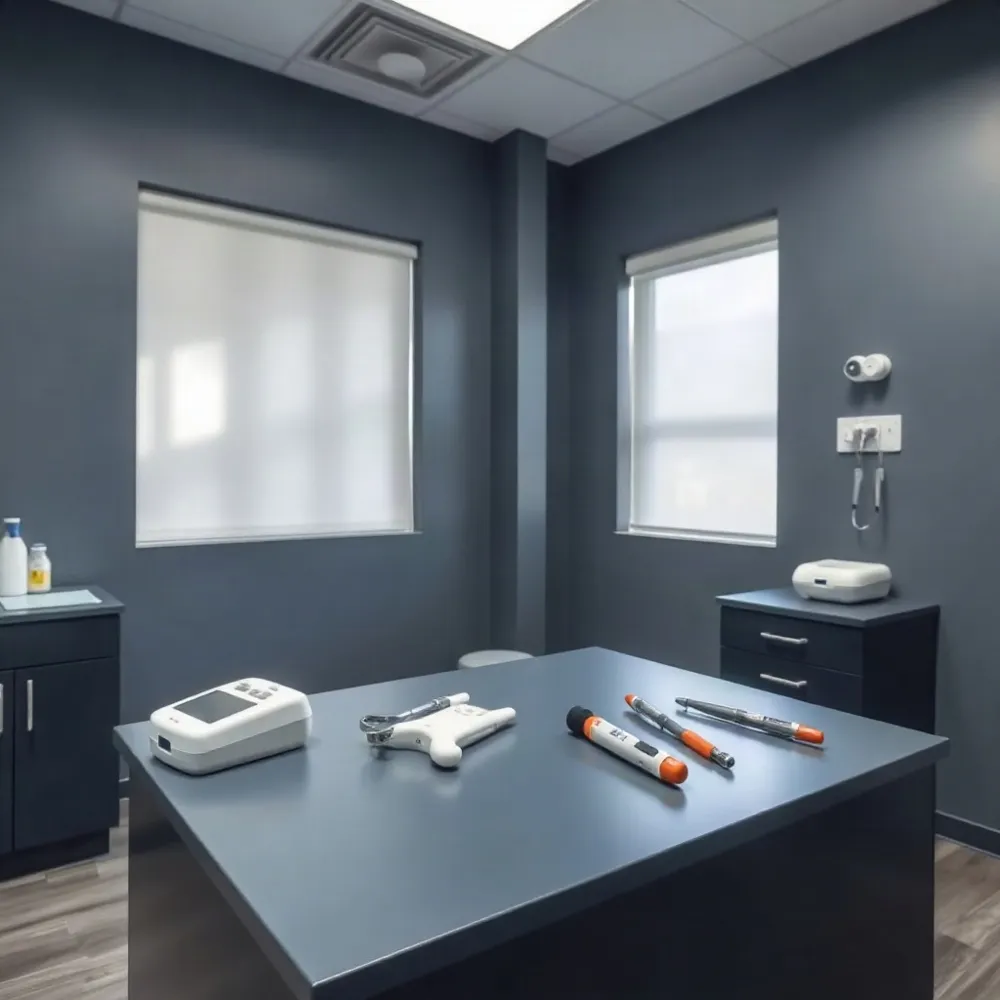 Common approaches to toenail fungus include oral antifungal medicine, prescription topical treatments and, in selected cases, removal of the affected nail. A podiatrist weighs the extent of the infection, previous treatment and the patient’s health when discussing options.
The nail plate can make treatment difficult: fungus may take hold in the nail bed, while creams and liquids may not reach it in sufficient amounts. Oral medicine travels through the bloodstream to the nail and can be effective, but it may cause side effects or interact with other medicines. A clinician can review medical history and medications before recommending it. UCLA Health’s overview of toenail fungus treatment discusses these limits.
Because conditions other than fungus can change a nail’s appearance, assessment may include testing before treatment begins. At Advanced Foot & Ankle, an experienced surgeon leads care at locations in northwest Chicago and South Florida; evaluation can help guide a treatment discussion suited to the patient. Read more about professional treatment options.
Whatever approach is chosen, visible improvement is gradual as healthy nail grows in. A nail may remain discolored while damaged portions grow out, and follow-up can help assess progress or recurrence.
What the Evidence Says About Lasers
 Laser devices use focused light or pulses to target tissue, but the type of laser and the treatment protocol can differ. At advancedfootcareil.com, a podiatrist can assess the nail and discuss whether laser treatment, medication, or a combined approach fits the patient’s diagnosis and health history.
How effective is laser treatment for toenail fungus? The answer remains uncertain. UCLA Health reports mixed results: a nail may look better at first, but visible improvement does not prove the fungus has been eliminated, and infection can return even after multiple sessions. A mycological cure means testing shows the fungus itself has cleared, a different outcome from a clearer-looking nail.
A 2024 systematic review and meta-analysis found promising results, including efficacy comparable to terbinafine in the studies it examined. The authors called for larger randomized controlled trials before laser therapy can be established as a standard treatment. The review synthesized nine studies, not personal testimonials, and its findings are neither a universal cure rate nor a prediction for an individual patient.
Because results vary, a podiatrist should confirm the diagnosis and consider infection severity, how many nails are affected, prior treatment response, and relevant health factors. UCLA Health’s overview also advises seeking laser treatment in a medical setting from a clinician experienced with this condition.
Potential Advantages and Tradeoffs
For people who cannot tolerate oral antifungal medicine or are concerned about side effects and drug interactions, laser therapy offers a noninvasive option delivered in a clinic. It does not require taking a systemic antifungal as part of the laser procedure, though a clinician may recommend other treatments alongside it.
A 2024 systematic review found promising results and fewer reported adverse effects than oral terbinafine, but the authors said larger, stronger trials are needed before laser’s role is settled. Pain or bleeding near the treated nail can occur, so “noninvasive” does not mean risk-free. The review also does not establish that laser reliably produces lasting clearance or prevents recurrence. The review describes laser as a possible option, not a proven replacement for medication.
There is no established best laser type or treatment schedule, and some patients may need repeat visits. Cost is another practical consideration: coverage varies, so patients should check with their insurer and ask the clinic about fees before starting. At advancedfootcareil.com, laser treatment is presented as a clinic-based toenail fungus option, and an evaluation can help determine whether it fits the individual case.
A podiatrist should first assess whether nail changes are caused by fungus and consider infection severity, medical history, medications, and previous treatment. UCLA Health notes that results can be mixed and fungus may return after laser treatment, underscoring the need for realistic expectations rather than a promise of a clear nail. UCLA Health’s guidance recommends care from a clinician experienced in treating this condition.
Safety and Nail Changes
Laser treatment should be performed in a medical setting by a clinician experienced in using lasers for toenail fungus, advises UCLA Health. An examination beforehand can help the clinician assess the nail and decide whether laser therapy is appropriate.
Treatment is not risk-free. A systematic review of laser therapy notes that pain or bleeding around a treated nail can occur. The available evidence does not establish that laser treatment typically causes a nail to fall off, so claims that it is always painless or free of risk overstate what is known.
Fungal infection itself can damage a nail or cause it to separate from the nail bed. Separation after treatment therefore does not, on its own, show that the laser caused the change or that the fungus has cleared. Nail appearance alone cannot confirm the cause.
At advancedfootcareil.com, a podiatry evaluation can help guide treatment decisions and identify changes that need attention. Contact a clinician if pain worsens, bleeding occurs, or the nail begins to separate. Follow-up can help assess the change and determine whether further care is needed.
The Slow Timeline of Nail Growth
Laser treatment does not remove or instantly replace a damaged toenail. Even if treatment affects the fungus, the discolored or thickened portion must grow out as healthy nail emerges from the base. The nail’s appearance right after a session therefore cannot, by itself, show whether treatment has worked.
A laser session may take about 30 to 45 minutes, and some treatment plans use several sessions spaced weeks apart. The schedule depends on the device, the infection and the clinician’s assessment, so there is no single plan that fits everyone. A podiatrist can discuss an appropriate schedule and what changes to watch for.
A clearer band may become visible near the cuticle after a few months, but full regrowth takes much longer. A big toenail may need roughly 9 to 12 months to grow out, and timing varies. Nail growth expectations after laser treatment can help explain why gradual progress, rather than an immediate cosmetic change, is typical. A clinician at advancedfootcareil.com can assess the nail over time and help distinguish slow growth from persistent infection.
Why Fungus Can Return
 Yes, toenail fungus can return after laser treatment. The original infection may persist, or the nail may become infected again after it begins to grow out. UCLA Health reports that recurrence can occur even after multiple laser sessions, and says results vary with the laser used. Evaluation by a podiatric clinician can help assess nail changes and discuss suitable care rather than assuming that a clear-looking nail means the infection is gone.
The evidence does not establish how reliably laser treatment produces lasting clearance or provide a single long-term recurrence rate. A 2024 systematic review found promising results but called for larger trials. UCLA Health also describes mixed findings and notes that fungus often returns after treatment. These limits make follow-up and realistic expectations important.
Everyday habits may help reduce the chance of reinfection. Keep feet clean and dry, change socks regularly, and avoid sharing nail clippers or files. If discoloration or thickening returns, arrange an assessment with a podiatrist. Fungal infection is not the only cause of nail changes, so confirming the diagnosis can guide the next step. Learn more about preventing nail fungus from returning.
Questions to Ask About Cost
How much does laser treatment for toenail fungus cost, and is it covered by insurance? There is no generally applicable price: fees can vary by clinic, the number of sessions recommended, and follow-up care. The available sources do not establish a price or coverage policy for advancedfootcareil.com, so prices advertised by other practices should not be treated as local estimates.
Laser treatment may be classified as elective or cosmetic and excluded from coverage, but benefits depend on the individual plan. Ask the clinic for a written estimate, then confirm details directly with your insurer before scheduling.
Request separate costs for the evaluation, nail testing, prescriptions, laser sessions, and follow-up visits. Ask whether prior authorization is needed, what exclusions apply, and whether any part of care may qualify for HSA or FSA payment. Confirm eligibility with your plan or benefits administrator.
Cost is only one part of the decision. Discuss the uncertain long-term benefit of laser treatment alongside medication and other appropriate options. A podiatrist can help weigh the expected care plan, possible costs, and your health history before you commit.
For background on the factors that can shape an estimate, see this overview of laser-treatment costs.
Keep the Story Honest
A reader’s question about laser therapy is not a treatment success story. The account described by UCLA Health concerns someone who stopped oral medication after a severe headache; it does not document that person receiving laser treatment or experiencing clearer nails. The available research also reports study findings, not verified personal transformations.
Laser therapy may be worth discussing, but it is not a guaranteed cure. A 2024 review found promising results while calling for larger trials to confirm them (systematic review and meta-analysis). A podiatrist can assess whether the nail changes are fungal, consider health history and prior treatment, and explain realistic expectations and follow-up. At advancedfootcareil.com, an experienced podiatry team provides evaluation for foot and ankle conditions, helping patients discuss options in a medical setting.