Why Foot Care Is Essential for Travelers
Common Causes of Foot Fatigue During Travel
Travel often involves prolonged walking, standing, or sitting, which can restrict blood flow and cause swelling and discomfort. Hard surfaces like airport floors and city sidewalks increase stress on the feet. Unsupportive footwear lacking arch support and cushioning can irritate foot tissues, exacerbating soreness.
Importance of Proper Foot Care
Maintaining foot health ensures mobility and comfort throughout a trip. Proper supportive shoes and moisture-wicking socks help prevent blisters, fungal infections, and pain. Regular foot hygiene and hydration reduce swelling and skin issues.
Hacks to Minimize Foot Soreness
- Wear well-fitted, cushioned shoes with built-in arch support.
- Alternate shoes to reduce repetitive strain.
- Use compression socks to improve circulation.
- Take frequent breaks to stretch and elevate feet.
- Massage feet or roll a tennis ball under the soles to relieve fatigue.
- Pack a travel foot care kit with blister pads and antiseptic ointments.
Implementing these strategies can significantly enhance travel comfort and prevent common foot problems.
Key Facts List: Footwear and Treatment for Travel and Surgical Recovery
- Choosing supportive, well-fitting shoes with proper arch support helps prevent foot fatigue and injuries during travel.
- Using custom or over-the-counter orthotics can significantly reduce foot strain, prevent plantar fasciitis, and enhance comfort on trips.
- Moisture-wicking socks are essential to prevent blisters, fungal infections, and maintain foot hygiene during extended walking or outdoor activities.
- Incorporating foot exercises and stretches maintains flexibility, reduces fatigue, and improves circulation during travel.
- Wearing compression socks supports circulation, diminishes swelling, and lowers the risk of deep vein thrombosis during flights and long walks.
- Regularly elevating feet and taking sitting breaks minimizes fluid pooling, swelling, and discomfort during extended travel periods.
- Proper protective footwear like flip-flops or shower shoes in public wet areas reduces the risk of athlete’s foot and other infections.
- Maintaining hydration and foot hygiene with regular washing, drying, and moisturizing prevents infections and skin issues during trips.
- Minimally invasive foot and ankle treatments lead to smaller scars, less pain, shorter recovery, and better long-term outcomes compared to traditional surgery.
- Patients should seek qualified, experienced podiatrists with credentials, surgical specialization, and good patient feedback to ensure optimal care in advanced foot treatments.
1. Choose Supportive, Well-Fitting Footwear
Selecting Shoes with Good Arch Support and Cushioning
Choosing footwear with arch support and adequate cushioning is essential to reduce foot fatigue during travel. Shoes designed with firm heel counters, shock-absorbing midsoles, and a wide toe box help protect the feet from impact and prevent common conditions such as plantar fasciitis and stress fractures.
Importance of Proper Fit with Sufficient Toe Room
Proper shoe fit requires enough space in the toe box, generally at least a thumb's width, to prevent blisters and calluses. Shoes that are too tight can restrict circulation and cause discomfort, while overly loose shoes often lead to instability and increased injury risk.
Breaking in New Shoes Before Travel
To avoid blisters and foot pain, it's advisable to break in new shoes 2 to 3 weeks prior to a trip. This process allows the shoes to conform to the wearer's foot, minimizing irritation caused by unfamiliar footwear during extended walking.
Alternating Shoes to Reduce Repetitive Stress
Rotating between different pairs of supportive shoes during travel can reduce repetitive strain on foot muscles and tendons. This practice helps distribute pressure more evenly, thereby lowering the risk of soreness and overuse injuries.
| Consideration | Recommendation | Benefit |
|---|---|---|
| Arch Support | Choose built-in arcuate support | Reduces foot fatigue and pain |
| Fit | Ensure ample toe space | Prevents blisters and discomfort |
| Shoe Preparation | Break in new shoes early | Minimizes travel-related blisters |
| Shoe Rotation | Alternate pairs | Limits repetitive strain |
2. Utilize Custom Orthotics or Inserts for Enhanced Support
Benefits of custom and over-the-counter orthotics in reducing foot strain
Custom orthotics and over-the-counter inserts can significantly alleviate foot strain during travel. They provide targeted arch support and cushioning that absorb shock, reducing stress on feet during prolonged walking or standing. This improved support helps prevent common travel-related foot problems such as fatigue, plantar fasciitis, and heel pain. For more detailed information, see Proper footwear for summer vacation and prevent foot pain during summer.
Upgrading less supportive shoes with inserts
Many fashionable shoes lack sufficient arch support or cushioning. Using orthotic inserts transforms these shoes into more supportive options, making stylish footwear travel-friendly without compromising comfort. Inserts help distribute pressure evenly and enhance stability, which is essential during long travel days. Learn about Orthotic inserts and custom orthotics and Using orthotic devices for foot support.
How orthotics help prevent common travel foot issues like plantar fasciitis
Orthotics maintain correct foot alignment and support the arch, preventing excessive strain on the plantar fascia—the tissue connecting the heel to the toes. This protection reduces inflammation and the risk of plantar fasciitis flare-ups, especially when walking on hard surfaces or spending hours in unsupportive shoes during travel. For more on Plantar Fasciitis Tips for Travelers and Preventing plantar fasciitis, see these resources.
Incorporating orthotic devices into your travel footwear is a proactive way to maintain foot health and comfort throughout your trip.
3. Wear Moisture-Wicking Socks and Change Them Regularly
The Role of Moisture-Wicking Socks in Preventing Blisters and Fungal Infections
Moisture-wicking socks benefits are designed to pull sweat away from the skin, helping to keep feet dry. This dryness reduces friction between the sock and the skin, significantly lowering the risk of blisters during long walking days. Moreover, by controlling moisture, these socks help prevent athlete's foot and fungal infections such as athlete’s foot and toenail fungus, which thrive in damp environments.
Changing Socks to Keep Feet Dry During Extended Walking Days
Changing into fresh, dry socks regularly is crucial, particularly during vacations involving prolonged walking. Damp socks trap moisture, leading to discomfort and increased susceptibility to skin conditions. Travelers are advised to carry multiple pairs of moisture-wicking socks and switch them out whenever feet become damp.
Benefits for Foot Hygiene and Odor Control
Aside from protection against infections and blisters, moisture-wicking socks enhance overall foot hygiene. They minimize bacterial growth that causes unpleasant odors, keeping feet fresher throughout travel days. This sock type also contributes to a comfortable environment for the skin, reducing sweat build-up and maintaining foot health during extended periods of activity.
4. Incorporate Foot Exercises and Stretching During Travel
Simple foot and calf stretches before and after walking
Travel often involves extended periods of walking or standing, which can lead to foot fatigue and discomfort. Performing gentle foot and calf stretching tips before and after walking helps maintain muscle flexibility and reduces stiffness. Effective stretches include toe raises, ankle circles, and calf stretches, which target key muscle groups and improve overall foot health.
Using a tennis ball to massage and relieve foot tension
A practical and portable method to alleviate foot soreness during travel is rolling a tennis ball for foot massage under the foot. This technique massages the plantar fascia and other soft tissues, promoting relaxation and reducing muscle tightness. Spending 1–2 minutes on each foot with a tennis ball can significantly decrease discomfort after long walking days.
Exercises to improve circulation and reduce swelling
Prolonged sitting during flights or car rides can cause foot and ankle swelling due to impaired circulation. Simple exercises such as ankle pumps, heel raises, and toe flexing engage the lower limb muscles, promoting blood flow. Wearing compression socks benefits combined with these exercises further aids in preventing swelling and stiffness, particularly for individuals susceptible to circulation issues.
Taking sitting breaks for foot mobility
Incorporating frequent breaks during travel to stand up, stretch, and walk around is critical for foot health while traveling. Sitting breaks help to alleviate pressure, promote mobility, and prevent fluid accumulation in the feet. These movements stimulate circulation and help maintain foot comfort over long journeys.
5. Use Compression Socks on Long Flights and Walking Days
How do compression socks improve circulation and reduce swelling?
Compression socks for circulation apply gentle pressure to the feet and lower legs, which supports the veins and helps maintain blood flow. This compression prevents fluid buildup and reduces swelling caused by prolonged sitting or standing during flights and busy walking days. Enhanced circulation also reduces the risk of preventing Deep Vein Thrombosis while flying, a dangerous blood clot condition.
What are the specific benefits for travelers prone to swelling or with health risks?
Travelers with diabetes, circulatory issues, or those prone to leg swelling benefit significantly from compression socks benefits. These socks help prevent discomfort related to edema and improve oxygen delivery to tissues, reducing travel fatigue. For pregnant women, supportive shoes for pregnant women and compression socks mitigate hormone-induced swelling and support foot health during extended walking.
Why is wearing socks during air travel and busy walking days recommended?
Wearing compression socks during flights or moisture-wicking socks benefits during flights not only prevents swelling but keeps feet dry and comfortable by reducing sweat accumulation. On walking-intensive travel days, compression socks provide cushioning and support, easing muscle fatigue and enhancing overall foot comfort, ensuring healthier, more enjoyable travel experiences.
6. Take Regular Breaks to Elevate and Rest Your Feet
Importance of elevating feet to reduce fluid pooling and swelling
Elevating your feet periodically during travel helps counteract the effects of gravity that lead to fluid pooling in the lower extremities. This simple action reduces swelling and discomfort commonly experienced after long periods of sitting or standing. For more details, see Elevating Feet to Reduce Swelling.
Scheduling walking and sitting breaks to minimize fatigue
Planning frequent breaks to stretch and walk around enhances blood circulation and alleviates foot and ankle fatigue. Alternating between sitting and moving prevents stiffness and promotes overall foot comfort on your trip. Learn about Stretching and walking breaks for foot health.
Avoiding prolonged standing or immobility on trips
Standing or remaining immobile for extended times restricts blood flow and increases the risk of swelling and soreness. To maintain foot health, avoid long stretches of inactivity and incorporate gentle movement or seated rest throughout your travel itinerary. Find helpful advice on Taking Care of Feet While Traveling.
7. Protect Feet in Public and Wet Areas with Proper Footwear
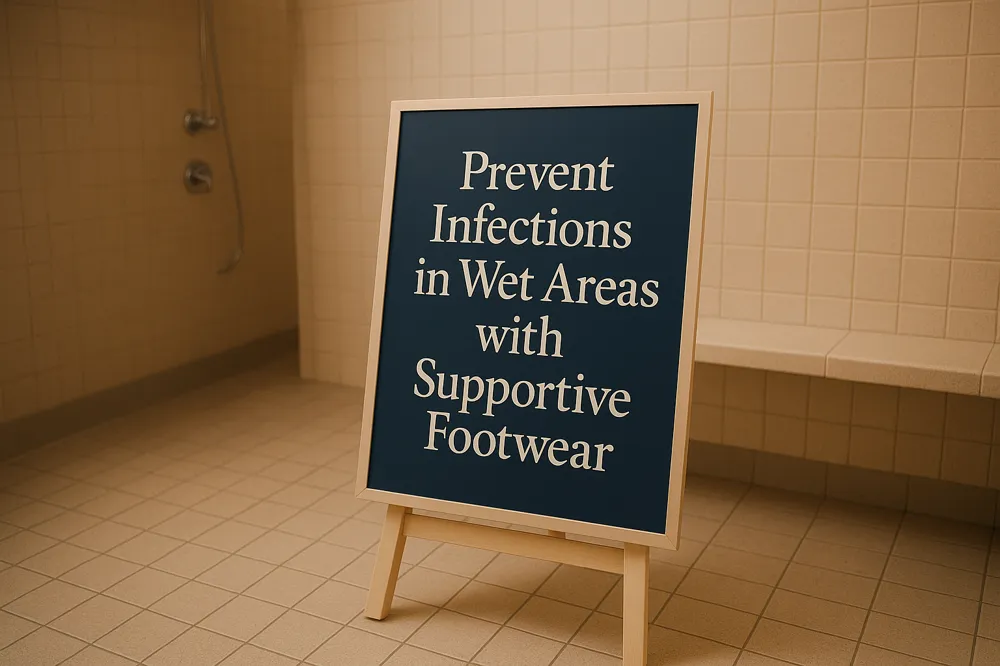
Why Is It Important to Wear Proper Footwear in Communal Wet Areas?
Walking barefoot in communal areas such as hotel showers, pools, or locker rooms increases the risk of fungal infections like athlete's foot and plantar warts. These environments harbor moisture and bacteria that can easily infect unprotected feet. For more on avoiding foot infections in hostels and hotels, see relevant travel foot care advice.
How Do Flip-Flops or Shower Shoes Prevent Infections?
Wearing flip-flops or shower shoes creates a protective barrier between your skin and the wet, potentially contaminated surfaces. This simple measure reduces direct contact with fungi and bacteria, significantly lowering infection risks. Learn more about using inserts to improve shoe support and protective footwear for travel.
What Are the Benefits of Choosing Flip-Flops with Arch Support?
Not all flip-flops are created equal. Those with built-in arch support provide better foot stability and help reduce fatigue during travel. Supportive flip-flops for travel comfort can alleviate pressure on the plantar fascia and maintain proper alignment, making them a healthier choice for tired feet.
Why Should Barefoot Walking Be Avoided During Travel?
Going barefoot in public spaces or on unfamiliar terrain exposes feet to cuts, bruises, and infections. Footwear, even in casual forms like flip-flops with supportive features, protects feet from injury and microbial hazards. For additional tips on preventing foot infections and keep feet dry and clean, consider expert recommendations.
Selecting flip-flops designed for foot health, combined with their protective benefits in communal wet areas, ensures comfort and safety during travel. Refer to foot care tips for sweaty, tired feet for more comprehensive guidance.
8. Stay Hydrated and Maintain Foot Hygiene Throughout Your Trip
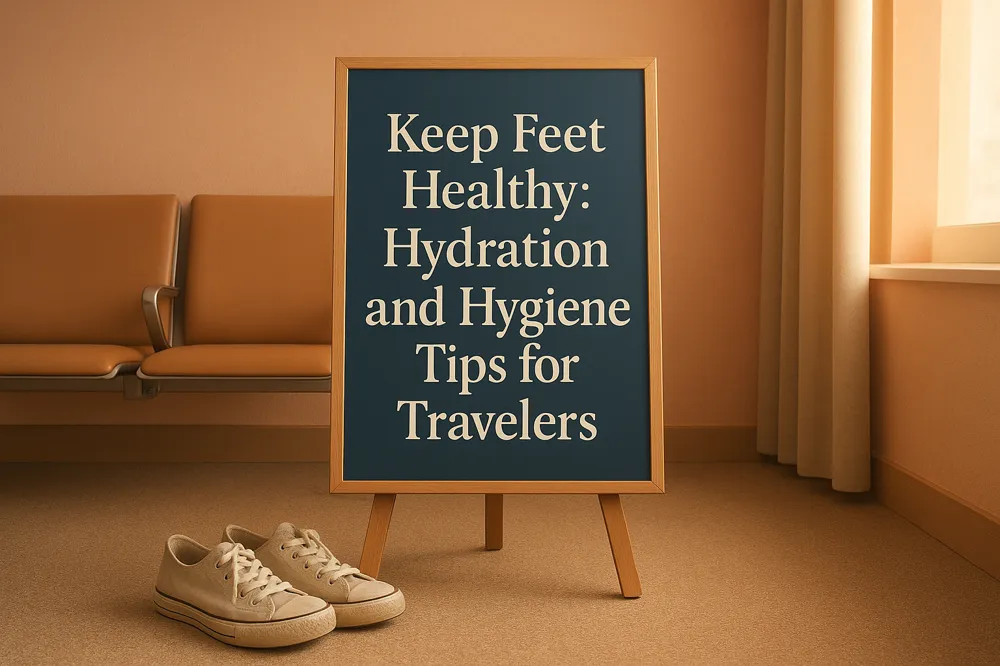
Why is drinking ample water important for foot health during travel?
Staying well-hydrated helps prevent foot swelling and muscle cramps, common complaints after long periods of walking or sitting during travel. Proper hydration supports healthy circulation and reduces fluid retention, making your feet feel more comfortable throughout the day.
How should you care for your feet daily while traveling?
Daily foot hygiene is essential for preventing infections and skin problems. Wash your feet thoroughly with gentle soap, paying close attention to areas between the toes. After washing, dry your feet completely to avoid moisture buildup that can lead to fungal infections such as athlete's foot.
What are helpful products for foot skin maintenance during trips?
Using foot wipes can quickly freshen your feet and remove sweat during busy days on the go. Applying moisturizing creams, especially after exposure to water or dry environments, helps maintain skin elasticity and prevents cracking and dryness. Products containing natural emollients like shea butter and coconut oil are ideal for soothing tired feet.
How do these practices prevent common travel-related foot issues?
Consistent hydration combined with meticulous foot hygiene preserves skin integrity, preventing common travel ailments like blisters, calluses, and infections. Keeping feet clean, dry, and moisturized minimizes irritation and protects against bacterial and fungal growth, ensuring your feet remain healthy and pain-free during your trip.
How Do Minimally Invasive Foot and Ankle Treatments Improve Recovery?
What are the benefits of minimally invasive foot and ankle treatments compared to traditional methods?
Minimally invasive foot and ankle treatments offer significant advantages over conventional surgery. By employing tiny incisions combined with advanced imaging technology, these procedures minimize tissue damage and postoperative pain. Compared to traditional open surgeries, patients experience smaller scars, reduced risk of infection, and less blood loss.
These treatments often require shorter surgical times and can sometimes be done under local anesthesia in outpatient settings. This approach enables patients to recover more rapidly, with many resuming daily activities within weeks instead of months. Preserving soft tissues and blood flow supports better healing, decreasing the chance of stiffness or nerve damage.
Effects on recovery time, pain, and scarring
Recovery following minimally invasive procedures is typically quicker and more comfortable. The reduced trauma to the foot or ankle structures translates to less swelling and discomfort during healing. Smaller surgical wounds heal faster and leave minimal scarring, improving cosmetic outcomes.
Patients can often mobilize sooner, which helps maintain joint flexibility and circulation, further speeding recovery. By minimizing disruption to surrounding tissues, these procedures usually result in less postoperative pain and lower dependence on analgesics.
How these treatments aid long-term foot health
Long-term benefits include preservation of normal foot mechanics due to the limited tissue disruption. This helps prevent chronic issues such as joint stiffness, scarring-related discomfort, and poor circulation. Reduced surgical trauma also lowers risks of complications like infections and promotes stronger overall recovery.
Minimally invasive techniques provide effective correction of many foot and ankle conditions while supporting healthier, more durable outcomes. In combination with appropriate post-operative care and rehabilitation, these treatments enhance patient satisfaction by restoring function and reducing downtime.
| Aspect | Traditional Surgery | Minimally Invasive Surgery |
|---|---|---|
| Incision Size | Larger, more tissue disruption | Small, minimal tissue damage |
| Pain and Swelling | Greater postoperative pain | Less pain and reduced swelling |
| Recovery Time | Weeks to months | Days to weeks |
| Scarring | Noticeable scars | Minimal, cosmetically favorable |
| Risk of Complications | Higher infection risk | Lower risk due to less exposure |
| Anesthesia | General or regional | Often local, outpatient possible |
Overall, minimally invasive foot and ankle procedures provide a safer and more efficient path to recovery, helping patients return to their active lives sooner with decreased discomfort and better long-term foot health. For more information on consulting a podiatrist for foot issues, and essential foot care supplies, you can explore these resources.
What Advanced Podiatry Treatments Are Available for Foot and Ankle Conditions?
What types of advanced podiatry treatments are commonly offered for foot and ankle conditions?
Advanced podiatry treatments encompass both surgical and non-surgical interventions designed to restore function and relieve pain effectively. Minimally invasive surgeries, such as bunion corrections and hammertoe repairs, are commonly performed to alleviate deformities while ensuring minimal recovery periods. Procedures targeting plantar fasciitis also fall under this category, often addressing chronic heel pain.
Non-surgical therapies play a significant role and include custom orthotics for foot support, such as custom orthotics to provide structural support and correct abnormal foot mechanics. Injectable treatments like cortisone help reduce inflammation linked to tendonitis and arthritis. Innovative options such as laser therapy and shockwave treatments stimulate tissue healing and reduce pain in conditions like Achilles tendonitis and plantar fasciitis.
Reconstructive surgeries are integral to correcting severe deformities or repairing traumatic injuries affecting the foot and ankle complex. Preventative care strategies complement these treatments; these focus on proper footwear selection, meticulous foot hygiene, and managing systemic conditions such as diabetes to avoid complications.
Together, these advanced interventions prioritize improving mobility, reducing symptoms, and preventing long-term issues to ensure optimal foot and ankle health.
What Should Patients Look for When Choosing a Podiatric Surgeon?
What qualifications and experience should patients look for in a podiatric surgeon specializing in advanced foot and ankle treatments?
Patients looking for a podiatric surgeon with expertise in advanced foot and ankle care should prioritize those who hold a Doctor of Podiatric Medicine (DPM) degree from an accredited podiatric medical school. Board certification in podiatric surgery is also a critical marker of specialized training and proficiency.
Experience matters greatly; surgeons who have extensive hands-on practice with both minimally invasive foot and ankle treatments and complex foot and ankle surgeries tend to provide better outcomes. Continuous professional development and staying updated on the latest surgical technologies and techniques reflect a surgeon’s commitment to advanced patient care.
Equally important are communication skills and patient rapport. A surgeon should be approachable, providing clear explanations and fostering a supportive environment that builds trust. Reading patient reviews can offer insight into the surgeon’s interpersonal abilities and overall satisfaction.
Choosing a podiatric surgeon who collaborates well within a healthcare team enhances comprehensive care, especially for complex or chronic conditions. This interdisciplinary approach often leads to improved recovery and long-term foot health.
By focusing on these criteria—formal qualifications, surgical experience, communication, and patient feedback—patients can confidently select a podiatric surgeon skilled in advanced treatments, ensuring both expert technical care and compassionate support.
What Are the Risks and Limitations of Minimally Invasive Treatments?
Are there any risks or limitations associated with advanced minimally invasive foot and ankle treatments?
Minimally invasive foot and ankle surgeries offer significant advantages like faster recovery, reduced scarring, and less soft tissue trauma compared to traditional open procedures. However, these techniques also carry certain risks and limitations.
One of the main complications includes potential nerve or blood vessel damage due to limited direct visualization during surgery. This can lead to sensory disturbances or vascular issues post-operatively. Infection and wound healing problems are also concerns, although generally less than with open surgery.
Another limitation is the cautious application in complex or severe foot deformities and injuries. Some conditions may be unsuitable for minimally invasive methods and might require conventional open surgery to achieve the best functional and structural outcomes.
The surgeon’s expertise plays a critical role in minimizing risks. Early experience with these advanced techniques can increase the chance of complications such as secondary displacement of bone cuts or osteotomies. Hence, thorough patient selection based on individual anatomy and pathology is vital.
In summary, while minimally invasive foot surgeries provide compelling benefits, understanding their risks and tailoring treatment to patient needs ensures safe and effective results. For more detailed information on minimally invasive foot and ankle treatments, please refer to expert resources.
How Does Minimally Invasive Surgery Affect Recovery and Long-Term Outcomes?
How does minimally invasive foot and ankle surgery impact patient recovery and long-term outcomes?
Minimally invasive foot and ankle surgery offers significant advantages in recovery and long-term results by minimizing tissue damage during the procedure. This reduction in soft tissue trauma lowers postoperative pain and decreases scarring, which facilitates faster healing and improves overall function.
Typically, patients experience an initial recovery phase of about 4–6 weeks focused on rest and swelling reduction. Following this, gradual resumption of daily activities and light recreation occurs over several months. Many individuals return to work and low-impact activities within a few weeks, aided by enhanced surgical techniques such as early weightbearing and precise bone correction that promote quicker rehabilitation.
These approaches also result in fewer complications like infections and blood clots, contributing to higher patient satisfaction. Strict adherence to postoperative care instructions, including wound management and lifestyle considerations, is essential to optimize healing and reduce risks of recurrence or chronic problems. For more information, see Taking Care of Feet While Traveling.
In summary, minimally invasive foot surgeries provide faster recovery timelines, reduced postoperative morbidity, and better long-term foot and ankle health outcomes, making them a preferred option for many patients requiring surgical intervention. Additionally, the role of minimally invasive foot and ankle treatments has been highlighted as a game-changer in surgical outcomes and patient satisfaction.
Prioritize Your Foot Health for Enjoyable, Fatigue-Free Travel
Essential Travel Hacks to Minimize Foot Fatigue
Supportive and well-fitted shoes with good arch support and cushioning are vital to prevent foot pain during travel. Regularly changing moisture-wicking socks keeps feet dry, reducing the risk of fungal infections. Incorporating foot stretches, breaks for elevation, and rolling a tennis ball under your feet can relieve soreness and improve circulation.
Preparing and Caring for Your Feet
Start by selecting appropriate footwear for your planned activities and breaking in new shoes before the trip. During travel, maintain good foot hygiene, stay hydrated, and use compression socks especially on long flights to reduce swelling. After travel, inspect your feet for any signs of injury or discomfort, and use moisturizing and stretching to promote recovery.
Professional Support Enhances Care
Consulting a podiatrist before and after travel ensures personalized care and proper management of any pre-existing foot conditions. Experts can provide custom orthotics, recommend effective treatments, and address persistent pain, helping travelers maintain optimal foot health throughout their journeys.