Introduction to Technological Transformations in Foot Care
Embracing Innovation in Podiatry
The field of podiatry is undergoing a remarkable transformation driven by cutting-edge technologies aimed at improving foot and ankle care. With advancements in digital imaging, artificial intelligence, and 3D printing, podiatrists are now equipped to deliver highly personalized treatments that cater precisely to individual patient needs.
Significance of Advanced Foot Care Techniques
Innovative methods, such as minimally invasive surgeries, robotic-assisted procedures, and regenerative therapies, are enhancing outcomes by reducing recovery times, minimizing discomfort, and preserving foot function. These approaches allow clinicians to address common and complex foot conditions more effectively while improving patient satisfaction.
Emerging Trends in Personalized and Minimally Invasive Care
Current trends highlight a shift towards customized orthotics created with 3D printing and AI-driven patient assessments that predict and prevent foot disorders. Integration of telemedicine expands access to expert care remotely, and sophisticated surgical techniques provide precision with minimal tissue disruption. Together, these advancements represent a new era of foot care focused on precision, efficiency, and compassionate patient-centered management.
The Rise of Minimally Invasive Foot and Ankle Treatments

What are the benefits of minimally invasive foot and ankle treatments?
Minimally invasive foot and ankle treatments provide significant advantages compared to traditional surgical approaches. These procedures use very small incisions, often less than 5 mm, which result in less scarring and better cosmetic outcomes. By employing advanced imaging technologies such as fluoroscopy and precision instruments like Minimally Invasive Foot/Ankle Surgery burrs, surgeons can accurately target foot and ankle issues without damaging surrounding soft tissues.
Patients benefit from reduced postoperative pain, swelling, and stiffness. Recovery times are notably shorter, with many patients able to resume regular activities and wear shoes within just a few weeks. Most surgeries are performed in outpatient settings under local anesthesia, which minimizes anesthesia-related risks and avoids the need for internal devices. Overall, these modern techniques promote faster, more natural healing, enhanced comfort, and fewer complications.
What conditions can be treated by an experienced podiatric surgeon using minimally invasive techniques?
A broad spectrum of foot and ankle conditions can be managed through Minimally Invasive Foot/Ankle Surgery. Skilled podiatric surgeons address issues such as bunions, hammertoes, heel pain, plantar fasciitis, Achilles tendon injuries, toe deformities, neuromas, and bone spurs using small incisions typically measuring 2 to 3 millimeters.
These targeted treatments reduce tissue trauma and postoperative discomfort, resulting in smaller scars and quicker rehabilitation. Procedures are commonly done on an outpatient basis, allowing patients to return home the same day and accelerate their return to normal routines with less downtime. While minimally invasive approaches suit many patients, thorough evaluation by a foot and ankle specialist ensures personalized, effective care.
How are specialized surgical instruments and imaging utilized?
Minimally invasive foot and ankle surgeries rely heavily on innovative tools and imaging. Instruments such as low-speed, high-torque burrs facilitate precise bone cutting without harming ligaments, tendons, or nerves. Simultaneously, intraoperative imaging methods like fluoroscopy and endoscopy provide real-time visualization, guiding surgeons during delicate procedures.
This synergy of technique and technology aids in performing complex corrections—such as bunion realignment or cartilage repair—through tiny portals, preserving blood supply and surrounding tissue integrity. Learn more about Minimally Invasive Surgery in Podiatry.
What are the expectations for outpatient procedures and recovery?
Minimally invasive foot and ankle surgeries are predominantly outpatient procedures, meaning patients often go home the same day without requiring extended hospital stays. The less invasive nature leads to lowered risks of infection and other complications commonly associated with open surgery.
Patients typically experience reduced swelling and postoperative pain, enabling faster mobilization and quicker return to work, sports, or daily activities—sometimes cutting recovery from six weeks down to as little as two. Follow-up care includes targeted rehabilitation to restore strength and balance, ensuring long-term success. These advancements reflect a major shift in podiatric surgery, delivering effective solutions that prioritize patient comfort and faster healing. For details, see Minimally invasive foot surgery advances.
Accelerating Recovery: What Patients Can Expect After Minimally Invasive Surgery

What should patients expect during recovery after minimally invasive foot and ankle surgery?
Patients undergoing Minimally Invasive Foot/Ankle Surgery typically experience a faster and less painful recovery compared to traditional open procedures. Early on, post-surgical swelling and pain are reduced due to the smaller incisions and less tissue trauma. Recovery timelines often allow patients to bear weight sooner and begin light activities within 3 to 6 weeks.
Typical recovery timelines
The initial recovery phase usually involves wearing specialized orthopedic footwear to protect the surgical site and aid mobility. Many patients transition from this footwear to regular shoes by around 6 weeks post-surgery. Full return to normal activities, including sports or work, generally occurs within 10 to 12 weeks, depending on the specific procedure and individual healing rates.
Postoperative care approaches
Postoperative care emphasizes elevating the foot to minimize swelling, adhering to wound care instructions to prevent infection, and gradual reintroduction of movement. Follow-up visits allow the surgeon to monitor healing progress through clinical evaluation and imaging as needed.
Use of orthopedic footwear and physical therapy
Orthopedic shoes or boots stabilize the foot in the early recovery days, protecting delicate structures. Physical therapy is introduced progressively to restore strength, balance, and gait mechanics, helping patients regain full function safely and efficiently.
Benefits of reduced swelling and pain
Reduced swelling and pain from Minimally Invasive Foot/Ankle Surgery techniques enable quicker mobilization, minimizing complications such as stiffness or muscle atrophy. This contributes to improved patient satisfaction and faster rehabilitation.
Importance of follow-up care and rehabilitation
Consistent follow-up care ensures optimal healing and early identification of any complications. Personalized rehabilitation programs tailored to patients' needs promote complete recovery and help prevent recurrence of foot or ankle deformities.
| Recovery Aspect | Description | Benefit |
|---|---|---|
| Small incisions | Less tissue damage and scar formation | Reduced pain and quicker healing |
| Orthopedic footwear | Protects surgical site during early healing | Stabilizes foot, allows early weight bearing |
| Physical therapy | Gradual restoration of mobility and strength | Promotes functionality and minimizes stiffness |
| Follow-up appointments | Monitoring healing and addressing issues | Ensures effective recovery and complication avoidance |
This approach to recovery highlights the advancements in foot and ankle care, offering patients a more comfortable and efficient healing journey after Minimally Invasive Foot/Ankle Surgery.
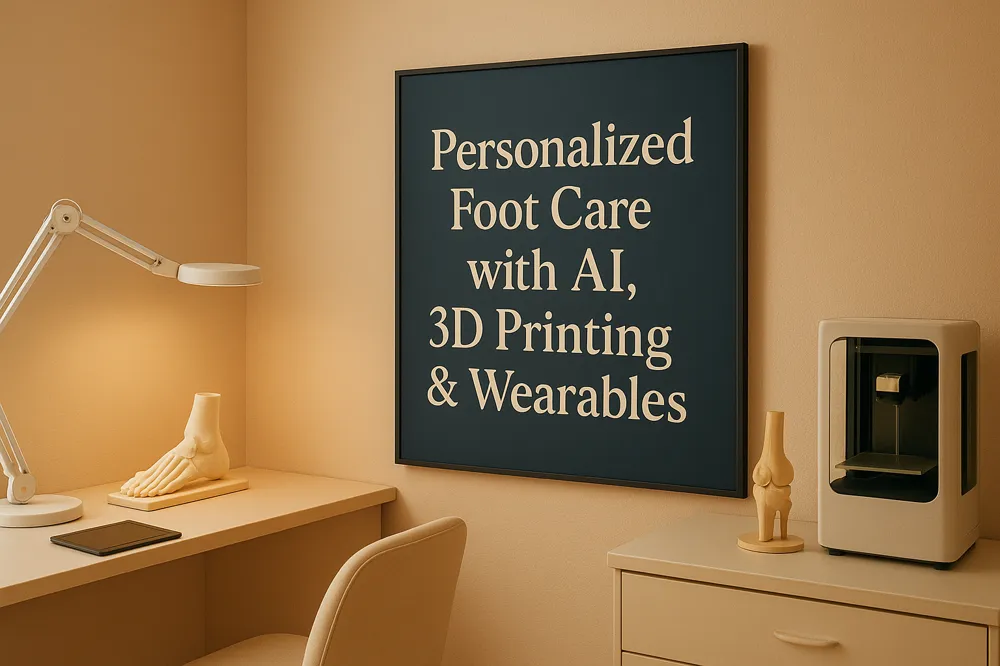
Personalized Foot Care Through AI, 3D Printing, and Wearable Technology
Artificial intelligence in diagnosis and treatment planning
Artificial intelligence (AI) has revolutionized podiatry by automating the analysis of medical image analysis, patient histories, and gait pattern analysis. AI algorithms enable rapid, accurate diagnosis of conditions such as plantar fasciitis, diabetic neuropathy, bunions, and foot deformities. Furthermore, AI systems generate personalized treatment plans by integrating patient lifestyle data and health metrics. This technology also predicts potential foot issues early, particularly in high-risk populations like diabetics, supporting proactive intervention and improved outcomes.
3D printing for custom orthotics
The advent of 3D printing for custom orthotics technology has markedly advanced orthotic fabrication. Using high-resolution 3D scanning, podiatrists capture detailed models of an individual's foot anatomy. These digital models guide the printing of 3D-printed orthotics benefits tailored to the patient's unique contours. This precision enhances comfort and support, leading to better management of conditions such as flat feet and plantar fasciitis. Unlike traditional labor-intensive methods, 3D printing allows rapid production with high accuracy, improving patient satisfaction.
AI-powered gait analysis and smart insoles
AI-enhanced digital gait analysis technology tools equipped with sensors assess walking patterns in real-time. Smart insoles collect continuous data on pressure points and biomechanics, alerting patients and practitioners to abnormalities. This feedback facilitates personalized corrective strategies, rehabilitation, and monitoring of chronic foot conditions. Such wearable technologies empower patients with ongoing insights into their foot health and assist clinicians in tailoring interventions effectively.
Use of data to predict foot health issues early
By aggregating gait data, imaging results, and medical histories, AI systems can forecast the onset of foot problems before clinical symptoms emerge. Early identification enables timely preventative measures, reducing the risk of ulcers, tissue damage, or other severe complications. This data-driven approach is particularly vital for populations susceptible to limb-threatening conditions, enabling targeted surveillance and limb preservation efforts.
Impact on patient-specific treatment outcomes
Integrating AI, 3D printing in podiatry, and wearable devices delivers truly personalized foot care. These technologies enhance diagnostic precision and treatment customization, minimizing recovery times and improving functional results. Patients benefit from orthotics that fit perfectly, early detection of complications, and ongoing management tools. Collectively, these innovations support a patient-centered model that elevates comfort, efficacy, and quality of life in modern podiatry.
Robotic and Laser Technologies Enhancing Surgical Precision and Patient Outcomes
Robotic-Assisted Surgeries in Foot and Ankle Care
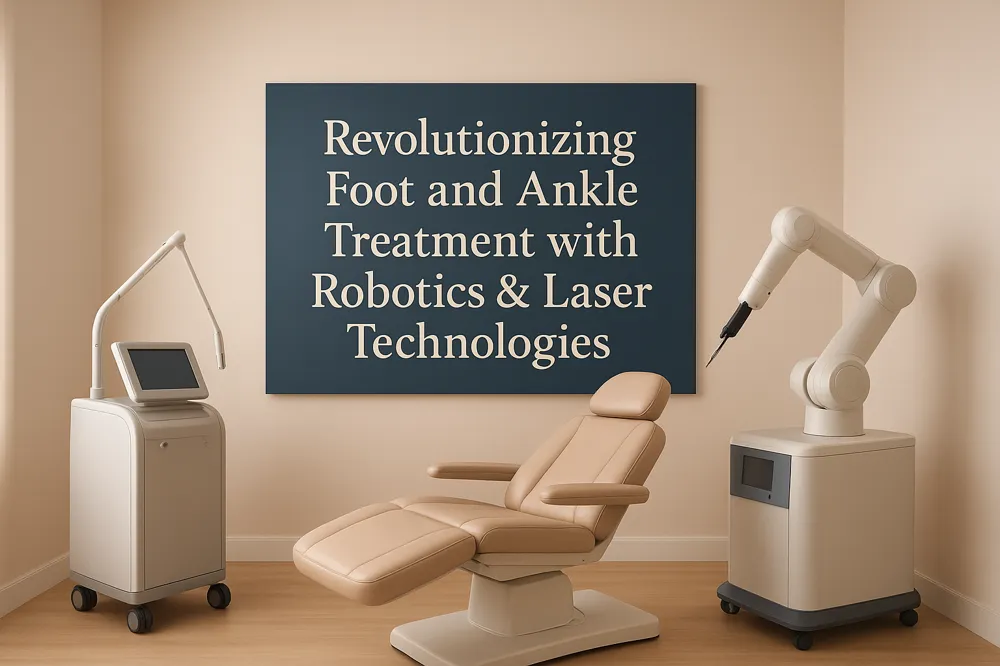
Robotic-assisted foot surgeries systems, such as the Mazor X™ robotic surgical system, are revolutionizing foot and ankle surgeries by offering unmatched precision. These systems enable surgeons to perform highly accurate, minimally invasive foot and ankle surgery procedures that significantly reduce tissue damage. This enhanced precision not only improves surgical outcomes but also shortens recovery times and lowers complication risks.
Minimally Invasive Laser Treatments for Infections and Pain
Laser therapy for foot treatment and advances like MLS Laser Therapy for Inflammation and Hyperblue Laser Therapy for Toenail Fungus are increasingly used as non-invasive treatment options for foot conditions including fungal infections, plantar warts, and chronic pain. Techniques like MLS Laser Therapy and Hyperblue Laser Therapy allow for targeted treatment that minimizes discomfort and accelerates healing. Laser interventions also reduce reliance on pharmaceuticals and decrease the risk of side effects.
Technology Improving Surgical Accuracy and Reducing Complications
Advancements in imaging and real-time guidance, including X-ray guided surgery fluoroscopy and endoscopic foot surgery visualization, complement robotic-assisted foot surgeries systems by providing surgeons with live feedback during procedures. These technologies preserve blood supply, protect soft tissues such as nerves and tendons, and help minimize scarring and infection risks. Together, they foster safer, more effective surgeries.
Current Limitations and Future Potential of Robotic Systems
Despite their benefits, robotic surgical systems face limitations including high costs and accessibility, which currently restrict widespread adoption. However, ongoing research and technological refinements predict broader integration into podiatric surgery practices. Future advancements may incorporate AI in podiatry to further enhance procedural planning and automate rehabilitation programs.
Examples of Real-Time Imaging and Guidance Tools
Tools such as minimally invasive burrs guided by intraoperative X-rays and specialized endoscopes improve bone-cutting precision and surgical navigation during keyhole procedures. These instruments enable outpatient surgeries with quicker return to activities, playing an essential role in addressing conditions from bunions to Achilles tendon repairs with minimal invasiveness.
The Critical Role of Surgeon Experience in Advanced Foot and Ankle Treatments

How does the experience of the surgeon impact the outcomes of advanced foot and ankle treatments?
Surgeon experience significantly impacts the success of advanced foot and ankle procedures. Surgeons who handle a high volume of cases — performing 24 or more ankle fixations yearly — demonstrate greater surgical precision. They achieve more accurate anatomic reductions, with success rates around 96.5%, and faster healing times, averaging just over four months radiographically.
Higher surgeon volume correlates with fewer complications, as evidenced by a remarkably low reoperation rate of 1.3% and reduced need for hardware removal. This suggests more durable surgical outcomes and minimized patient risk.
Surgeons with additional subspecialty training, particularly in trauma, consistently deliver superior long-term results for complex interventions such as ankle fractures and total ankle arthroplasty. This expertise helps avoid complications and improves functional recovery.
Patient satisfaction also rises with surgeon experience. More skilled surgeons not only optimize healing but also decrease post-surgical pain and promote quicker returns to normal activities.
In summary, advanced foot and ankle care benefits greatly from experienced, high-volume surgeons with focused training, translating to improved precision, lower complications, and enhanced patient outcomes. For more on Foot & Ankle Surgery in Mount Pleasant, SC.
Embracing Innovation for the Future of Foot Care
Technological advances have revolutionized podiatry, enhancing diagnosis, treatment, and patient outcomes.
Custom 3D-printed orthotics offer superior comfort by precisely matching individual foot contours. Advanced AI systems analyze medical images and gait data to detect conditions early, enabling proactive care. Minimally invasive surgeries, supported by robotics and precise instruments, reduce recovery times and post-operative pain. Telemedicine and laser therapies expand access and provide non-invasive treatment options.
Patients benefit greatly from these innovations.
Faster, more accurate diagnostics lead to timely, personalized treatments. Surgical advances decrease tissue trauma and promote rapid healing, allowing quicker return to daily activities. Non-surgical therapies reduce pain without side effects. Remote consultations improve access, especially for those in rural areas.
The future of podiatry is promising.
Ongoing research in regenerative medicine, wearable technology, and virtual reality ensures continuous improvement. Emerging tools will offer even more convenience and effectiveness, fostering a patient-centered approach that prioritizes comfort, accessibility, and long-term foot health.