Why Footwear Matters for Foot Health
Bunions and hammertoes are common forefoot deformities that often cause pain and difficulty finding comfortable shoes. While genetics play a significant role, the wrong footwear can worsen these conditions or accelerate their progression. Choosing the right shoes helps reduce friction, relieve pressure on affected joints, and slow the development of deformities, which is essential for maintaining mobility and comfort.
When selecting footwear for bunions and hammertoes, focus on a few critical features. A wide toe box allows toes to spread naturally without crowding, which reduces pressure on the bunion joint and prevents rubbing. Look for shoes with a firm heel counter to stabilize the rearfoot and control excessive motion, and choose low heels (under one inch) to minimize forefoot pressure. Materials with some stretch, such as soft leather or knit uppers, accommodate deformities without pinching.
Prioritize Fit and Flexibility
What Makes a Shoe Podiatrist-Approved?
 When a shoe comes off mid-run, the immediate instinct is to stop, turn around, and head back. That is usually the right move, but how you handle the lost shoe, and your barefoot steps along the way, can affect your feet and your stride for days. Acting quickly and sensibly keeps a frustrating moment from turning into blisters, cuts, or lingering arch pain.
Step Back Carefully and Assess the Scene
Before anything else, do not chase the shoe while traffic or other runners are near. Find a safe spot, slow to a walk, and look back along your route. If the shoe is visible and the ground is clear, return at a normal walking pace. If it is not visible, pick a close landmark to avoid wandering into unsafe areas. Running barefoot on pavement, even for a short distance, exposes the soles to heat, debris, and rough surfaces, so limit any barefoot walking to a few careful steps.
Once you have the shoe back, check it for damage. Lace fatigue, a worn outsole, or a stretched heel counter can make a shoe slip off again. If the laces are broken or the upper is torn, the shoe may no longer provide the cradle your heel needs, and continuing may cause blisters or instability. If everything looks intact, retie with a snug but not tight fit, and consider a lace-lock or heel-lock pattern to keep the foot from sliding forward.
Clean and Protect Your Foot Before Continuing
Even a short barefoot detour on concrete can leave tiny cuts or irritated skin, especially if you have calluses, bunions, or sensitive arches. Rinse the foot with clean water if possible, pat it dry, and cover any raw spots with a small adhesive bandage. If you have an oil-blotting sheet or a travel-size foot powder, use it to keep the area dry, because moisture can quickly lead to blisters or fungal irritation.
Do not ignore pain that lingers after you resume. A sudden sharp pain under the ball of the foot or along the heel could signal a stress reaction, and continuing on it makes things worse. If the discomfort does not ease after a day of rest, it is worth having a professional look at it, especially if you have a history of plantar fasciitis or hammertoes.
Rethink Your Shoe Choices to Prevent It Happening Again
- Use a heel-lock lacing technique to lock the ankle in place and reduce heel slippage.
- Make sure the shoe has a firm heel counter and a deep heel cup that cradles the back of the foot.
- Shop later in the day when feet are slightly swollen, to get a more accurate fit.
- Check the laces and upper material before each run for signs of wear.
- If the shoe slips despite a proper fit, consider a half-size down or a different width.
Choosing the right running shoe is a key part of preventing this problem. A shoe with a snug heel, a wide toe box, and a cushioned midsole helps keep your foot securely in place during impact. For more guidance on features that support foot health and prevent deformities, start with our guide to supportive features in footwear, which covers arch support, cushioning, and heel counter design.
If you regularly lose a shoe mid-run, it may be a sign that your shoes are worn out. Most running shoes lose their cushioning and stability after 300 to 500 miles, so track your mileage and replace them on schedule. A worn midsole no longer absorbs shock, which can throw off your gait and make the foot more prone to injury.
| Issue | Common Cause | What to Do |
|---|---|---|
| Heel slips out of shoe | Worn heel counter or wrong size | Try heel-lock lacing or smaller size |
| Laces come untied | Old or frayed laces | Replace laces and use a double knot |
| Barefoot steps after loss | Running on debris or heat | Clean and cover any cuts before continuing |
| Instant pain after loss | Possible stress reaction | Rest and consult a professional if it persists |
Losing a shoe while running is annoying, but it is rarely serious if you handle the aftermath smartly. Clean and protect your foot, check the shoe for damage, and address any fit issues so your next run feels secure from the first step to the last.
Top Shoe Brands Recommended by Podiatrists
 The right pair of shoes does more than complete an outfit. It absorbs shock, supports the arch, and keeps the foot aligned with the ankle and knee. On the other hand, ill-fitting or overly flexible shoes can increase strain on the plantar fascia, aggravate bunions, and contribute to long-term deformities. Simple practices like checking the heel counter, feeling for arch support, and ensuring toe box space can prevent these issues before they begin. For a full breakdown of what to look for, podiatrists at Advanced Footcare Illinois explain the mechanics behind supportive design.
Before you buy, consider the shoe's structure. A firm heel counter locks the foot in place and reduces excessive motion, while a stiff midsole prevents the foot from rolling inward too much. Toe box width matters just as much, as cramped toes can push against the shoe and worsen conditions like bunions or hammertoes. Your activity level and foot type should guide these choices, whether you need extra cushioning for long standing shifts or a stability shoe for overpronation.
Key features to look for in supportive shoes
- Arch support that matches your foot's natural curve to distribute weight evenly.
- A firm heel counter that minimizes rearfoot motion and prevents slipping.
- Adequate toe box space to allow natural toe splay and reduce pressure points.
- A shock-absorbing midsole to cushion impact during walking or running.
These elements work together to maintain proper foot alignment and prevent overuse injuries. For more detailed guidance on how to evaluate these features in person or online, refer to our guide on choosing the right footwear for everyday wear.
Distinguishing casual vs. formal footwear
Not every occasion calls for the same level of support. Casual shoes, such as walking sneakers or athletic trainers, should prioritize cushioning and flexibility. Formal shoes, like dress shoes or heels, often sacrifice support for style, so they require extra scrutiny. Look for low-heeled dress shoes with a wide toe box, or add orthotic inserts to improve comfort without changing the look.
A helpful tip is to rotate between pairs, allowing each shoe to air out and maintain its shape. This extends the life of the footwear and reduces the risk of developing foot fatigue from repetitive strain. For specific recommendations on matching shoes to your foot condition, your podiatrist can offer personalized advice based on your gait and foot structure.
The role of proper fit and shoe materials
Proper fit is non-negotiable. Shoes that are too tight restrict circulation and irritate nerves, while overly loose shoes cause friction and blisters. Material matters as well. Breathable fabrics like mesh allow air flow to keep feet dry and reduce the risk of fungal infections. Leather, though less breathable, offers durability and molds to the foot over time. Both options should bend at the toe box, not the middle, to support natural movement.
| Feature | What to Look For | Why It Helps |
|---|---|---|
| Heel counter | Firm, does not collapse easily | Stabilizes rearfoot and reduces strain |
| Toe box | Wide enough for toe splay | Prevents bunions and hammertoes |
| Midsole | Shock-absorbing and supportive | Reduces impact on joints and soft tissue |
| Arch support | Matches your arch type | Distributes weight evenly and prevents overpronation |
Finding the Best Shoes for Plantar Fasciitis
 The type of shoe you wear each day directly influences how your feet, ankles, and even your knees and hips feel. Podiatrists repeatedly point out that a shoe with poor construction can turn a simple walk into a source of pain. When you understand what to look for, you can make decisions that protect your foot health and keep you active without discomfort.
Start by focusing on structure and fit. A good shoe should have a firm heel counter to stabilize the rearfoot, a structured arch support to maintain alignment, and a deep heel cup to cradle the foot. The toe box also matters: it should allow your toes to splay naturally rather than feel cramped. For a deeper look at these features, see our guide on Choosing Footwear That Supports Your Foot Health Every Day.
Motion control. Shoes labeled for motion control help limit excessive pronation, which reduces strain on the arch and heel. They are often recommended for flat feet or overpronation.
Stability. Stability shoes offer a balance of cushioning and support. They are a versatile choice for everyday wear and for those who need moderate arch support.
Heel counter. A firm heel counter wraps the back of the foot to lock the heel in place. This prevents excessive motion that can lead to heel pain.
Arch support. Proper arch support distributes pressure evenly across the foot. It is especially important for people with flat feet or plantar fasciitis.
Toe box. A wide toe box gives your toes room to spread. It prevents crowding, which can cause bunions and hammertoes over time.
When you try on shoes, do it later in the day when your feet are naturally slightly swollen. Wear the same type of socks you plan to use, and walk around to check for any pressure points. There should be about a thumb's width of space between your longest toe and the end of the shoe.
Spot the Signs of a Poorly Fitting Shoe
Common red flags include a toe box that pinches, a heel that slips, or a sole that bends in the middle rather than at the ball of the foot. If you notice any of these, the shoe is not providing the support your feet need. Over time, wearing ill-fitting shoes can contribute to deformities like bunions and hammertoes. For a review of how footwear affects long-term foot health, read our article on How Proper Footwear Prevents Future Foot Deformities.
Different activities call for different support. For everyday walking, a sturdy walking shoe with good shock absorption works well. For sports, you need a shoe designed for side-to-side motion, while for work, a slip-resistant sole and a roomy toe box are priorities. Our guide on Choosing the Best Footwear to Support Your Foot Health explains these distinctions in detail.
Walking. Choose a shoe with flexibility at the ball, a firm heel counter, and ample cushioning. This reduces impact on the heel and arch.
Running. Running shoes need more forefoot cushioning and a slightly raised heel to absorb the higher impact. They also need good traction.
Work. For long hours on your feet, prioritize a wide toe box, slip resistance, and removable insoles so you can replace them with custom orthotics.
Even the best shoes won't prevent every issue, but they dramatically reduce the risk of overuse injuries and chronic conditions. If you're dealing with persistent foot pain, consulting a podiatrist is the most reliable way to address the root cause. A professional can assess your gait, recommend specific shoe types, and suggest orthotics when needed.
| Feature | What to Look For | Why It Matters |
|---|---|---|
| Heel counter | Firm, snug fit around the heel | Stabilizes the rearfoot, prevents slipping |
| Arch support | Structured, not flat | Distributes weight, reduces strain |
| Toe box | Wide enough to splay toes | Prevents bunions, hammertoes, and numbing |
| Cushioning | Adequate under the heel and forefoot | Absorbs shock on hard surfaces |
The Best Shoes for Bunions and Other Conditions
 Most shoes sold today pinch the toes together and force the foot forward. For someone with bunions or hammertoes, that narrow shape repeatedly pushes the big toe toward the second toe and jams the knuckles against the upper, which speeds up joint damage. What your footwear allows the foot to do while you walk matters far more than its brand name or style. Look for construction details that give the toes room, soften each step, and hold the heel securely in place.
The single most important feature is a wide, deep toe box that lets the toes lie flat and spread slightly apart. Podiatrist-recommended footwear guidance emphasizes that a toe box which is too narrow or shallow causes the toes to crowd and rub, which aggravates both bunions and hammertoes. The right shape does not squeeze, pinch, or compress the forefoot, even after hours of standing or walking.
Upper Materials and Flexibility
Soft, flexible materials reduce friction and pressure over the bunion and the hammer toe joints. Look for uppers made of supple leather, stretchy knit, or mesh that give rather than resist. A firm, rigid upper can act like a clamp on a deformed joint, making pain worse with every step. When the material flexes naturally, the shoe adapts to the foot instead of forcing the foot to adapt to the shoe.
Arch Support and Cushioning
Even though bunions and hammertoes sit at the front of the foot, the support under your arch changes how your whole foot functions. Proper arch support helps distribute pressure evenly and reduces overpronation, which can take strain off the forefoot. Look for adequate cushioning that absorbs impact under the ball of the foot while maintaining a firm heel counter that holds the rearfoot steady.
Heel Counter and Fastening System
A snug heel counter, adjustable laces or straps, and a proper fit prevent the foot from sliding forward inside the shoe. Sliding forces the toes against the front of the toe box, which stiffens the hammertoes further and presses on the bunion. Shoes with laces or adjustable straps let you customize the width over the midfoot, which is essential when a bunion or a hammer toe makes one foot larger than the other.
Extra Depth and Removable Insoles
Extra-depth shoes give the hammertoes room to sit flat instead of bending upward to rub against the upper. A removable insole is another advantage because it allows you to swap in custom orthotics or add a mild lift. The ability to adjust the internal volume turns a standard shoe into a more accommodating one for a foot that is already dealing with deformities.
| Feature | Why It Helps | What to Look For |
|---|---|---|
| Wide toe box | Lets toes lie flat and spread | Enough room to wiggle all five toes |
| Soft, flexible upper | Reduces pressure over joints | Stretchy knit, mesh, or supple leather |
| Arch support | Distributes pressure evenly | Firm but cushioned midsole |
| Heel counter | Prevents foot sliding forward | Firm cup that hugs the heel |
| Adjustable fastening | Customizes width and fit | Laces or straps |
Summary: The shoes that soothe bunions and hammertoes share a simple philosophy: give the foot room to function and cushion every step. A spacious toe box, flexible yet supportive upper, steady heel counter, and adjustable fit work together to limit friction and pressure on the joints. These features matter whether you choose a dedicated orthopedic shoe or a roomy everyday sneaker.
Matching Shoes to Activities and Foot Types
 Your arches act as your body's natural shock absorbers, but too much flexibility or too little support can lead to pain in your feet, knees, and lower back. The good news? The right shoes can make a genuine difference in how your feet feel by the end of the day. Before you shop, it helps to understand your arch type and what kind of support your feet actually need.
Identify Your Arch Type
A simple way to check your arch at home is the wet test. Wet your foot, step onto a surface that shows a footprint (like a paper bag or a dark towel), and look at the imprint. A nearly complete footprint with little to no inward curve suggests a low arch, which often overpronates. A visible curve with a thin band of connection suggests a medium arch, while a very narrow band or nearly broken footprint points to a high arch that tends to underpronate.
If you have flat feet, your foot rolls inward and your shoe's heel counter and arch area work harder to keep you stable. For high arches, that lack of natural cushioning means you need more shock absorption to protect the ball of your foot and heel. Knowing this one detail helps you narrow down which shoes deserve your attention.
Key Shoe Features by Arch Type
Arch Support. For flat arches, look for a firm medial post or a structured midsole that controls overpronation. For high arches, a more cushioned arch area with a slightly elevated heel helps distribute pressure evenly. Many neutral shoes work well for both, but a podiatrist can help you decide which firmness matches your foot.
Cushioning. High-impact activities like running demand more midsole foam, especially in the heel and forefoot. For high arches, extra cushioning reduces the force that travels up your leg. For flat feet, too much softness can be counterproductive; you want a balance of support and shock absorption rather than a marshmallow-soft bed.
Heel Counter. A firm heel counter wraps around your heel and keeps your foot from sliding side to side. This is especially important if you have flat feet or a history of ankle instability. Test it by pressing your thumb into the back of the shoe; it should resist moderate pressure without collapsing inward.
Matching Shoes to Your Activities
The shoes you wear for a 5K should not be the same ones you wear for a long day of standing on concrete. Running shoes provide more energy return and forward propulsion, while walking shoes offer a flexible forefoot and a smoother heel-to-toe transition. If you're on your feet all day for work, a supportive everyday shoe with a rocker sole can reduce strain on your plantar fascia.
- Running: Look for a curved last, a firm heel counter, and moderate cushioning in the forefoot.
- Walking: A straight last with a beveled heel helps with a natural stride and reduces heel strike impact.
- Everyday wear: A versatile cross-trainer or a lace-up sneaker with a removable insole lets you customize arch support.
If you already know your foot type from previous fittings, refresh your memory with Choosing the Right Shoes for Foot Health or the Recommended Shoe List to see which models match your arch type.
Why Trying On at the Right Time Matters
Feet tend to swell slightly by the end of the day, so a pair that fits in the morning may feel tight by evening. Always shop in the afternoon or evening, and bring the socks you plan to wear with you. A good rule is to leave about a half-inch of space between your longest toe and the end of the shoe. Choosing the Right Footwear for Optimal Comfort and Health reinforces these fitting principles.
| Arch Type | Key Feature | What to Look For |
|---|---|---|
| Flat / Low | Motion control | Firm heel counter, medial post, structured midsole |
| Medium / Neutral | Versatility | Balanced cushioning, moderate flexibility |
| High / Rigid | Shock absorption | Inset or recessed heel, air or foam cushioning in forefoot |
If you're still unsure whether your arches need extra support or stability, a podiatrist can examine your gait and recommend the right shoe category for your foot structure. Book a visit at Advanced Footcare IL or call (773) 631-7000 to get a professional fitting that protects your feet for the long haul.
When to Replace Your Shoes
 Worn-out shoes stop supporting your feet when you need them most. The cushioning that absorbs shock compresses with use, the midsole loses its spring, and the outsole wears down unevenly. Over time, these changes alter your gait and transfer excess stress to your arch, heel, and ankles. Replacing your shoes on a consistent schedule is one of the simplest ways to protect your foot health and avoid preventable injuries.
As a general rule, plan to replace your walking shoes every 300 to 500 miles or every 6 to 12 months; whichever comes first. If you walk about 30 minutes a day, five days a week, that translates to roughly 6 to 10 miles each week, so a new pair is needed every 6 to 12 months. These ranges are not arbitrary. They reflect how long modern midsoles typically take to break down under regular impact, and they align with recommendations from podiatrists who study foot mechanics. For a closer look at how shoe structure affects your feet, see this guide on choosing the right footwear.
Mileage: The Most Reliable Measure
Mileage is the most objective way to track when to retire a pair of shoes. A 150-pound walker who logs 10 miles per week will feel significant midsole compression by the 300-mile mark. Lighter individuals may extend that to 500 miles, while heavier individuals or those with pronounced pronation may need replacement closer to 250 miles. The key is to track your actual distance, not just the calendar. Many fitness trackers and smartphone apps log walking miles automatically, so you can check your progress without extra effort.
If you cannot remember when you bought your current pair, start a mental or written note. Y
Extra Tips for Choosing Supportive Footwear
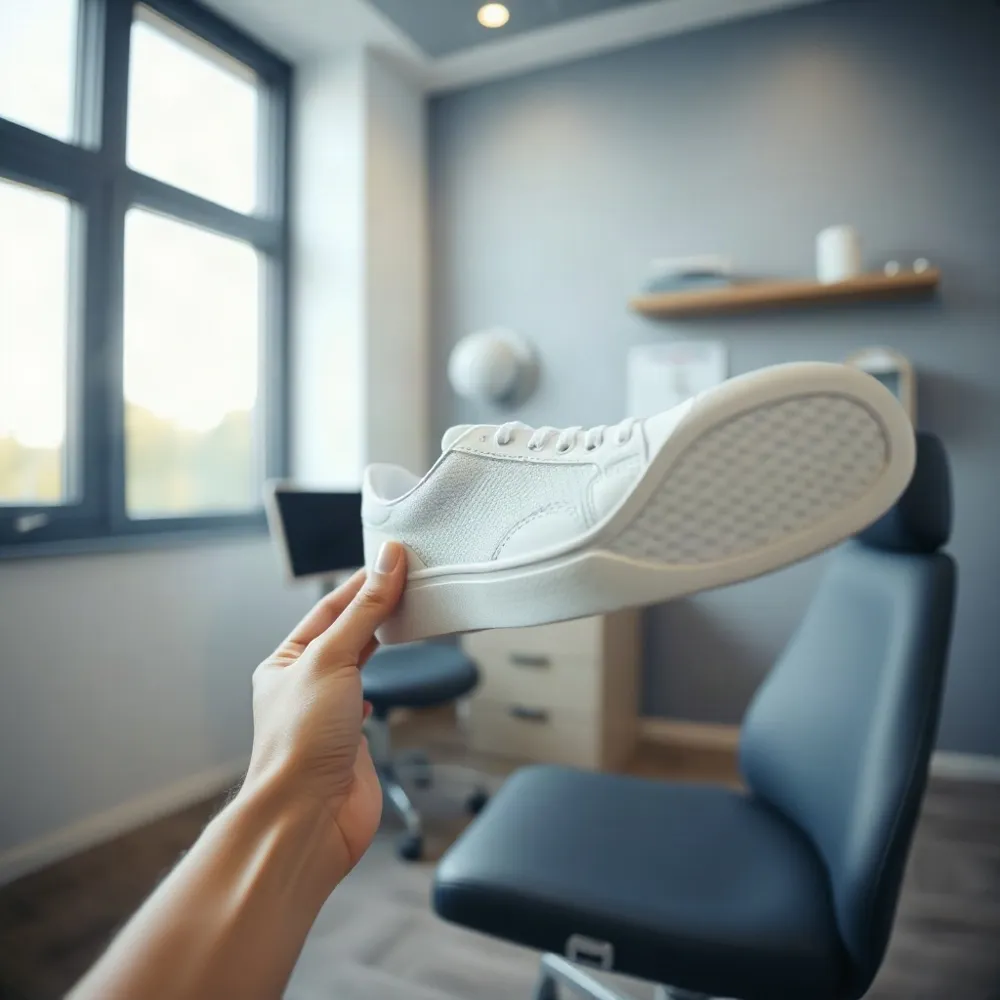 When you rely on custom orthotics, your footwear has one demanding job: to hold your foot securely while giving your insert the space it needs to do its work. A shoe that fits poorly can push the orthotic out of position or let your foot slide, which cancels out the benefit of the device and can even trigger new discomfort. Fortunately, finding orthotic-friendly shoes is straightforward once you know what features actually matter.
The Two Non-Negotiables: Removable Insoles and a Secure Fit
The first thing to check is whether the shoe has a removable insole. A removable footbed lets you lift out the original lining and set your custom orthotic directly on the shoe's internal base. This keeps the orthotic at the proper depth so your heel sits level and your toes have room to splay. Shoes with fixed, glued-in insoles leave no room for an insert, so your orthotic ends up stacked on top and lifts your foot too high.
The second essential is a secure fit through the heel and midfoot. Look for a firm heel counter, the reinforced cup at the back of the shoe, and a lacing system that lets you lock your foot in place. A stable heel keeps your foot from sliding forward, and a snug midfoot wrap prevents the sideways motion that can turn a well-made orthotic into a source of friction. This is where podiatrist-recommended features like a wide toe box and proper arch support come into play, as covered in this guide to choosing the right shoes for foot health.
Depth. Look for a shoe marketed as having a "deep" toe box. Extra depth is what makes room for both your foot and a removable orthotic, so your toes never press against the upper.
Stability. A firm heel counter and a midsole with torsion control reduce excess motion. This helps your orthotic work as intended rather than fighting your foot's natural movement.
Lacing. Adjustable laces or straps let you customize the fit. They are especially important if you need to fine-tune the snugness around the instep to keep the orthotic from shifting.
For those with specific conditions like bunions or hammertoes, the same principles apply, but you may need to look for a wider forefoot or a deeper toe box. The footwear experts at Advanced Foot Care Center encourage patients to bring their orthotics when trying on shoes. A shoe that fits perfectly without an insert can still be too tight with one in place, so testing the combo is the only way to be sure.
If you are on your feet all day, prioritizing orthotic-friendly design becomes even more important. Shoes with removable insoles and a supportive structure are the most reliable way to keep your custom devices effective, whether you are heading to work, traveling, or just running errands. And when you find a pair that checks every box, your feet will thank you for the difference.
Empowering Your Feet for Better Health
Many foot problems that podiatrists treat trace back to what people wear every day. Shoes that are too tight, too loose, or unsupportive can contribute to bunions, hammer toes, plantar fasciitis, and other painful conditions. Choosing footwear with the right structure helps keep the foot aligned and reduces stress on joints and soft tissues.
Look for features that support natural foot function. A wide toe box lets toes spread freely without crowding, which is important for preventing deformities like bunions. Firm heel counters stabilize the rearfoot, and adequate arch support distributes pressure evenly. The American Podiatric Medical Association certifies shoes that meet these standards, and podiatrists often recommend looking for their seal when selecting footwear. For more detailed guidance on what makes a shoe healthy, check out this podiatrist-reviewed shoe list.
Matching your shoes to the activity matters too. Running shoes, walking shoes, and dress shoes all serve different purposes. A podiatrist at Sanford Health recommends choosing shoes designed specifically for your planned activity to prevent overuse injuries. For example, wearing running shoes for everyday walking may not provide the lateral support your feet need for that activity.
Shoe Features Podiatrists Recommend
Wide toe box. Enough room for toes to splay naturally without crowding, which helps prevent bunions and hammertoes.
Arch support. Distributes pressure evenly across the foot, reducing strain on the plantar fascia and supporting the arch.
Firm heel counter. Stabilizes the heel and reduces excessive motion, lowering the risk of overuse injuries.
Cushioning. Absorbs shock during walking or running, protecting joints and reducing fatigue.
When choosing shoes, also consider the material. Breathable fabrics like mesh help prevent moisture buildup, which reduces the risk of fungal infections. Leather shoes often provide good durability and support but may not breathe as well. For more on how to pick the right pair, see this footwear selection guide and this piece on preventing foot deformities.