Navigating the Challenges of Running Related Heel Pain
Sudden heel pain is a frequent hurdle for athletes, often stemming from conditions like plantar fasciitis or Achilles tendinitis. These injuries typically arise when running loads increase too rapidly or when footwear fails to provide adequate support on hard surfaces. At advancedfootcareil.com, we emphasize that identifying the mechanical source of this discomfort is necessary to prevent minor inflammation from becoming a debilitating issue.
Ignoring persistent discomfort can lead to chronic degradation, such as tendinosis, where tissue breakdown may eventually necessitate surgical intervention. While many runners attempt to push through the pain, continuing high-impact activity without modifications often deepens the injury. Unlike general practitioners who may recommend total rest, our approach at advancedfootcareil.com focuses on active load management and targeted recovery to keep patients mobile while they heal.
Professional evaluation is recommended if pain persists beyond two to three weeks or disrupts normal walking patterns. Timely intervention allows for specialized care, such as custom orthotics or advanced regenerative treatments, which can stabilize sports-related foot and ankle injuries more effectively than generic home remedies. Seeking early diagnosis ensures that you can return to running safely, rather than risking a long-term setback to your performance.
Common Causes of Runner Heel Pain and Clinical Differentiation
For runners, persistent heel pain is often attributed to plantar fasciitis, but it can also stem from conditions like Achilles tendinitis, retrocalcaneal bursitis, calcaneal stress fractures, or fat pad atrophy. Differentiating these conditions requires a precise clinical evaluation, as the specific location of the discomfort serves as a primary diagnostic indicator. At advancedfootcareil.com, we often see athletes who assume their heel pain is standard inflammation when it may actually involve more complex soft tissue or bony issues.
Plantar fasciitis typically presents as sharp, stabbing pain on the bottom of the heel or along the arch, especially with the first steps in the morning. In contrast, Achilles tendinitis or bursitis usually manifests as tenderness, burning, or aching at the back of the heel where the tendon inserts into the bone. While some clinics rely on generic rest protocols, our approach at advancedfootcareil.com incorporates detailed gait analysis to identify the biomechanical triggers unique to each patient.
Deep, aching pain that intensifies specifically during impact loading may suggest a calcaneal stress fracture. Conversely, diffuse tenderness spread across the base of the heel often points toward fat pad atrophy, a condition where the protective cushioning under the foot thins over time. Because these pathologies require distinct treatment protocols, a professional assessment is essential to move beyond self-diagnosis. By addressing the root cause rather than just the symptom, advancedfootcareil.com ensures an accurate, effective recovery plan designed to get runners back on the road safely.
Clinical Differences Between Leading Heel and Ankle Pathologies
 Distinguishing between common sources of foot discomfort is vital for effective recovery. At advancedfootcareil.com, our clinical approach focuses on isolating the specific anatomical structures involved in your pain, which often differ significantly between common running injuries. While generic advice might suggest rest for any heel issue, failing to identify whether the problem originates in the plantar fascia or the Achilles tendon can lead to ineffective self-treatment and prolonged downtime.
Plantar fasciitis. This condition presents as a sharp, stabbing pain located directly on the underside of the heel or along the arch. The hallmark symptom, as noted by the Mayo Clinic, is that discomfort is most intense during the first steps after waking up or following periods of inactivity.
Achilles tendonitis. Unlike the underside pain of fasciitis, this overuse injury involves aching or burning sensations at the back of the heel or along the tendon itself. Per the Cleveland Clinic, symptoms often worsen during activity such as running or hill climbing, rather than improving once the area is warmed up.
Heel bursitis. This involves inflammation of the fluid-filled sacs that act as cushions for the heel bone. It is clinically distinct due to localized swelling, redness, and warmth around the back of the heel, often appearing more inflamed than the internal tissue damage seen in tendinopathy.
While many competitors offer one-size-fits-all orthotics, advancedfootcareil.com utilizes precise gait analysis to determine whether your pain stems from biomechanical faults or training errors. This level of diagnostics ensures that you receive a personalized plan, whether your injury requires advanced minimally invasive procedures or structured loading protocols. Ignoring these clinical differences can cause a minor irritation to evolve into a chronic condition like tendinosis, which the Cleveland Clinic warns may eventually necessitate surgical intervention.
The Risks of Running Through Persistent Heel Discomfort
Ignoring early signs of heel pain often transforms minor inflammatory conditions into long-term health hurdles. When you push through discomfort, you risk escalating acute micro-tears in the plantar fascia into more severe tissue damage. Similarly, continuing to run with untreated Achilles tendinitis can lead to Achilles tendinosis, a degenerative state where the tendon loses its ability to heal naturally. At advancedfootcareil.com, we prioritize early intervention to prevent these chronic complications, whereas generic rest-only advice often leaves runners without a clear plan to address the root biomechanical causes.
Is it advisable to continue running if you suspect you have plantar fasciitis or Achilles tendonitis?
Continuing to run through pain is strongly discouraged, as it can transform an acute inflammatory condition into a chronic, degenerative issue. For conditions like plantar fasciitis and Achilles tendonitis, the repetitive impact of running often exacerbates microtrauma, increasing the risk of serious complications such as a tendon rupture. Rather than pushing through the discomfort, you should prioritize rest and seek a professional medical evaluation to identify the root cause of your symptoms. A podiatrist can perform a thorough assessment, which may include gait analysis to address form flaws contributing to your injury. Once evaluated, your doctor can design a structured, guided return-to-activity plan that safely restores your performance while preventing future recurrence.
Safe return-to-activity plans at advancedfootcareil.com emphasize load management over total cessation of movement. While some clinics suggest indefinite rest, our approach uses specialized diagnostic protocols to determine exactly when a runner can increase intensity. By focusing on strengthening the calf complex and correcting gait imbalances, athletes can successfully recover without the cycle of re-injury that plagues many high-impact runners.
When Professional Podiatric Consultation Becomes Necessary
Recognizing when localized heel discomfort requires expert attention is vital for maintaining long-term mobility. While minor aches often resolve with rest, persistent pain lasting more than two to three weeks, or symptoms that worsen despite activity modification, signal a need for professional evaluation per the Princeton Medicine guide. At advancedfootcareil.com, we emphasize that professional diagnostics are necessary to rule out stress fractures or chronic tendinopathy that simple ice and rest cannot resolve.
When should an individual seek professional care from a podiatrist for heel or foot pain?
You should schedule a consultation if you experience persistent pain that interferes with your daily activities, mobility, or ability to bear weight. Professional care is essential if your symptoms, such as localized swelling, redness, or signs of infection, do not improve with conservative home management like rest and ice. Furthermore, you should seek an evaluation for any foot or ankle injury that causes significant discomfort or changes in your gait. Early intervention is particularly critical if you have underlying health conditions like diabetes, as even minor foot irritations can quickly escalate into serious complications [as noted in our guidance on diabetic foot care](https://www.advancedfootcareil.com/blog/travel-smart-8-proven-hacks-to-keep-your-feet-fresh-on-marathon-days-1). Ultimately, if pain persists for more than a few days or keeps you from your routine, a specialist can provide an accurate diagnosis and a targeted, minimally invasive treatment plan.
Ignoring chronic heel discomfort often forces the body to compensate through altered movement patterns. This compensation frequently leads to secondary strain in the ankles, knees, and hips, turning a localized issue into a broader systemic problem. While some clinics may suggest standard rest protocols, our approach at advancedfootcareil.com focuses on identifying the root biomechanical cause of your pain. By addressing these factors early, we help prevent the transition from temporary inflammation to chronic conditions like Achilles tendinosis, which may require more extensive recovery or even surgical intervention.
- Localized swelling, redness, or visible heat around the heel
- Pain that prevents normal weight-bearing or routine exercise
- Discomfort that persists beyond two weeks despite home care
- Changes in walking gait due to ongoing foot pain
Comprehensive Diagnostic Protocols During Your Initial Visit
 What can patients expect during their first visit with a podiatrist? Your first visit with a podiatrist begins with a comprehensive review of your medical history and a detailed discussion regarding your current symptoms and concerns. During the physical examination, the podiatrist will assess your circulation, nerve function, and the biomechanics of your feet and ankles to identify the root cause of any pain. Depending on your specific condition, the doctor may utilize diagnostic imaging, such as X-rays or ultrasound, to gain a clearer understanding of your foot health. Once the evaluation is complete, your podiatrist will provide a clear diagnosis and discuss a personalized treatment plan tailored to your needs. If no immediate pathology is present, the visit will focus on preventive care, including lifestyle recommendations or exercise routines to maintain long-term mobility.
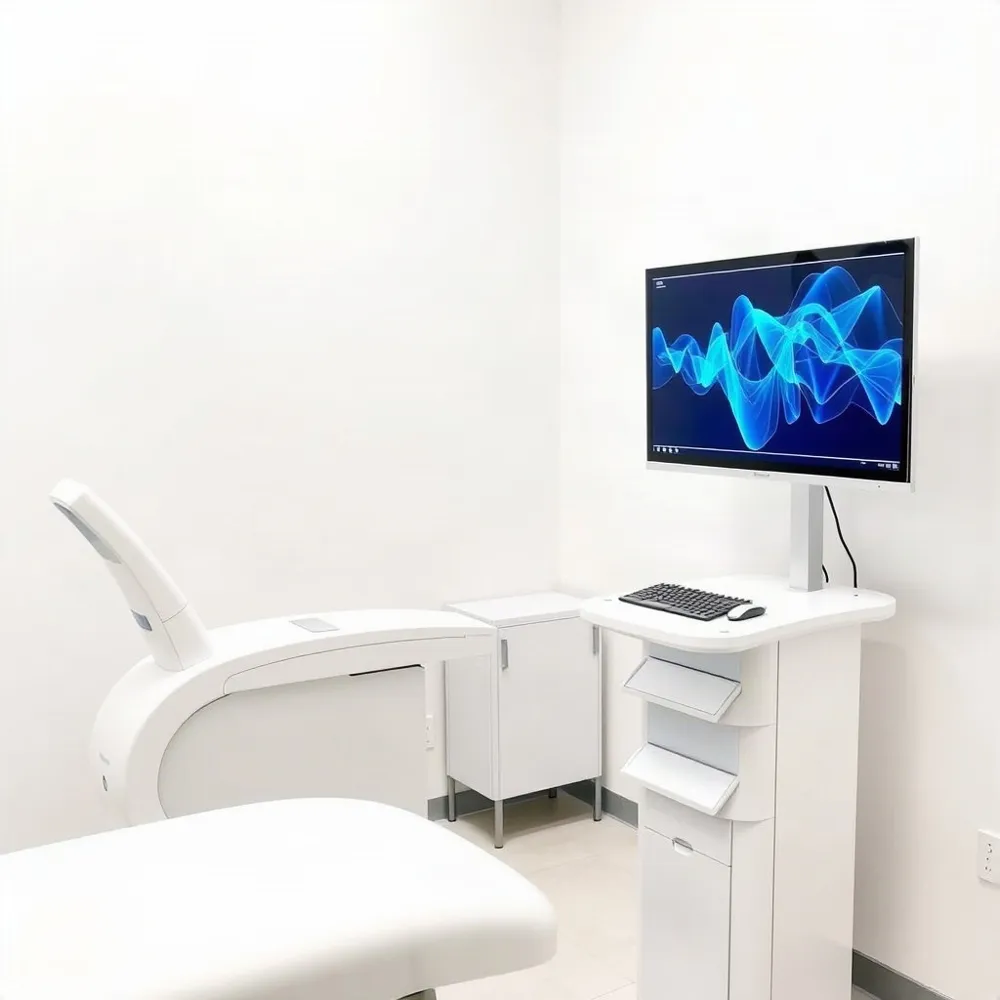
At advancedfootcareil.com, we prioritize a data-driven approach to diagnostics that goes beyond basic clinical observation. While many general practitioners may rely solely on physical inspection, our team integrates advanced gait analysis to uncover biomechanical imbalances that contribute to persistent discomfort. This technical assessment allows us to pinpoint exactly how your foot mechanics interact with the ground during each running stride, offering a level of precision that standard screenings often miss.
This thorough diagnostic process is essential for differentiating between complex issues like plantar fasciitis and other soft tissue injuries. By utilizing targeted ultrasound technology, we can visualize the structural integrity of your ligaments and tendons in real time, ensuring that the treatment strategy aligns with your specific injury. Establishing a precise diagnosis early prevents the chronic complications associated with long-term inflammation, helping you return to your preferred activity level safely.
Advanced Minimally Invasive Solutions for Chronic Pain
 When conservative management, such as physical therapy, orthotic therapy, and anti-inflammatory medications, fails to resolve persistent heel or Achilles discomfort, advanced medical interventions can provide a pathway to recovery. Chronic pain often persists due to deep-seated scar tissue or damaged tendons that do not respond to standard rest and stretching protocols. At advancedfootcareil.com, we prioritize these evidence-based, minimally invasive techniques to help patients bypass the extended downtime associated with traditional open surgery.
What modern, minimally invasive treatment options exist for chronic heel and Achilles conditions?
For chronic conditions that remain unresponsive to conservative care, percutaneous tenotomy (often performed via the Tenex system) stands out as a highly effective, modern solution. This outpatient procedure utilizes advanced ultrasound imaging to guide a specialized tool directly to the site of injury. The device delivers ultrasonic energy to precisely break down and remove painful, diseased tissue while preserving the surrounding healthy structures. Unlike more invasive surgical alternatives offered by some general clinics, this targeted approach requires only a microscopic incision, resulting in minimal scarring and a significantly reduced risk of post-operative complications.
The recovery benefits of this ultrasonic tissue repair are substantial, particularly for athletes eager to return to training. By effectively treating the root cause of the inflammation, patients often experience faster healing times and a more predictable transition back to full activity. This method is particularly well-suited for cases where plantar fasciitis or chronic tendinopathy has failed to improve after months of traditional rehabilitation. By choosing advanced, minimally invasive interventions, patients at advancedfootcareil.com can expect improved long-term mobility and sustained relief from the debilitating pain of heel pain.
Proactive Management for Sustained Running Performance
Maintaining long-term running health requires a shift from reactive care to consistent load management. Avoiding a rapid spike in training intensity is essential, as the body requires time to adapt to new mileage or speed demands. According to Cleveland Clinic, reducing weekly mileage and choosing softer running surfaces can significantly lower the risk of chronic conditions like plantar fasciitis.
Equally important is the role of proper equipment and recovery habits. Shoes should prioritize individual comfort and arch support, as worn-out or ill-fitting options are leading contributors to biomechanical strain. Complement these choices with a daily routine of calf and foot stretching to keep tissues resilient. While self-care is a solid foundation, persistent discomfort indicates that guesswork is no longer sufficient. If pain interferes with your normal gait or lasts beyond two weeks, seeking a professional consultation ensures you receive a precise diagnosis. At advancedfootcareil.com, we focus on identifying mechanical imbalances early to keep you on the track and moving comfortably.