Travel Smart: 8 Proven Hacks to Keep Your Feet Fresh on Marathon Days
Hydration and Moisture Management
Marathon distances cause feet to lose significant moisture, leading to dry, cracked heels that can bleed and become infected. Daily application of a deep-hydrating lotion, such as Eucerin Daily Hydration Lotion, in the morning and evening helps maintain skin suppleness. For extra reinforcement before a long race, apply lotion and sleep with socks overnight. However, avoid moisturizing right before a run, as slippery skin increases friction and blister risk.
Blister Prevention and Treatment
Blisters are a runner’s nightmare, but proper preparation can prevent most. Use moisture-wicking socks, apply anti-chafing balms or petroleum jelly to high-friction areas (heels, toes, top of foot), and pre-tape known hot spots with athletic tape or moleskin. During a run, treat any burning sensation immediately by stopping to reapply lubricant or tape. If a blister forms, drain it with a disinfected needle while keeping the skin intact; never tear away the outer layer. Cover with a sterile bandage to protect against bacteria and promote healing.
Callus and Skin Care
Calluses and corns develop from repeated friction and pressure, but they can become painful if too thick. An Epsom salt soak (or magnesium bath) for 15–20 minutes at least twice a week softens dead skin, followed by gentle exfoliation with a pumice stone or emery board. For runners prone to thick calluses, a specialized scraper can be used, but large or painful calluses should be evaluated by a podiatrist. Starting three weeks before a marathon, toughen the skin daily with an acid-based product, then moisturize each evening to prevent cracking.
Shoe Selection and Fit
Proper shoe fit is the foundation of marathon foot health. There should be a thumb’s width (2–3 cm) between the longest toe and the shoe’s end to prevent black toenails and toe cramping. The heel should sit snugly without slipping. Shop for shoes in the afternoon when feet are naturally swollen, and try them on with the socks and orthotics you plan to use. Break in new shoes gradually over short runs, never wear brand-new shoes on race day. Rotate different models based on terrain and distance to provide varied support and allow shoes to dry completely between uses.
Sock Selection
Cotton socks absorb sweat and create a wet environment that fosters blisters and fungal infections. Instead, choose moisture-wicking socks made from synthetic materials (polyester, nylon, acrylic) or merino wool. For runners who develop blisters between the toes, consider toe socks like Injinji. Double-layer socks or sock liners can further reduce friction. Always test your race-day socks during long training runs to ensure they fit smoothly inside your shoes without bunching.
Post-Marathon Recovery
After crossing the finish line, immediate care reduces inflammation and speeds recovery. Soak feet in cold (not ice) water for 10–15 minutes, then elevate them above heart level to control swelling. Wear graduated compression socks designed for recovery. Gently massage the soles, arches, and heels with moisturizing cream 24–48 hours post-race. Inspect feet for blisters, hot spots, and discolored toenails; treat accordingly. Avoid running for at least 3–7 days, and gradually return with short walks and low-impact cross-training.
Plantar Fasciitis and Other Injuries
Marathon runners are susceptible to plantar fasciitis (heel pain from inflamed fascia), Achilles tendonitis, stress fractures, and black toenails. Early warning signs include persistent localized pain that worsens with activity, swelling, numbness, or burning. Preventive measures include regular stretching of calves, hamstrings, and plantar fascia, foot-strengthening exercises (toe curls, heel raises, arch lifts), and gradually increasing mileage. Pain that does not improve after 48 hours or that limits walking requires evaluation by a podiatrist to rule out stress fractures or other serious conditions.
Orthotics and Insoles
Custom orthotics provide personalized arch support, improve foot alignment, and reduce shock absorption on impact. They can be particularly beneficial for runners with flat feet, high arches, or pronation issues. Even store-bought insoles with good arch support can extend comfort and prevent conditions like plantar fasciitis and bunions. Replace worn insoles regularly and consider a professional gait analysis to determine the best combination of shoes and orthotics for your foot type and running style.
Key Facts: Marathon Foot Care Marathon Runners
- Improper sock selection increases blister and fungal infection risk by trapping moisture against the skin; cotton socks are especially problematic for long-distance running.
- Lubricating friction-prone areas (heels, toes) with Vaseline or anti-chafing balm reduces blister risk by creating a low-friction barrier.
- Proper shoe fit requires at least a finger width of space at thumb's width of space between the longest toe and the shoe end to accommodate foot swelling and prevent black toenails.
- Breaking in new shoes gradually on shorter runs is essential; never run a marathon in new shoes to avoid unfamiliar pressure points.
- Daily hygiene (antibacterial soap, thorough drying) and moisture-wicking socks are the foundation for fighting foot odor and fungal infections.
- Soaking and gently exfoliating calluses with a pumice stone, combined with daily moisturizing, prevents cracked heels and maintains skin integrity before race day.
- Post-marathon cold water immersion and elevating feet reduce inflammation; prompt blister care with sterile dressings prevents infection.
- The 80/20 training rule—80% low-intensity runs, 20% high-intensity—reduces overload on the plantar fascia and lowers stress fracture risk.
- Fungal infections like athlete's foot require prompt treatment with OTC or prescription antifungals and keeping feet dry; UV shoe sanitizers can help.
- Moisture-wicking synthetic or Merino wool socks keep feet drier and reduce friction, making them superior for marathon training.
1. Choose the Right Socks for Dry, Blister-Free Feet
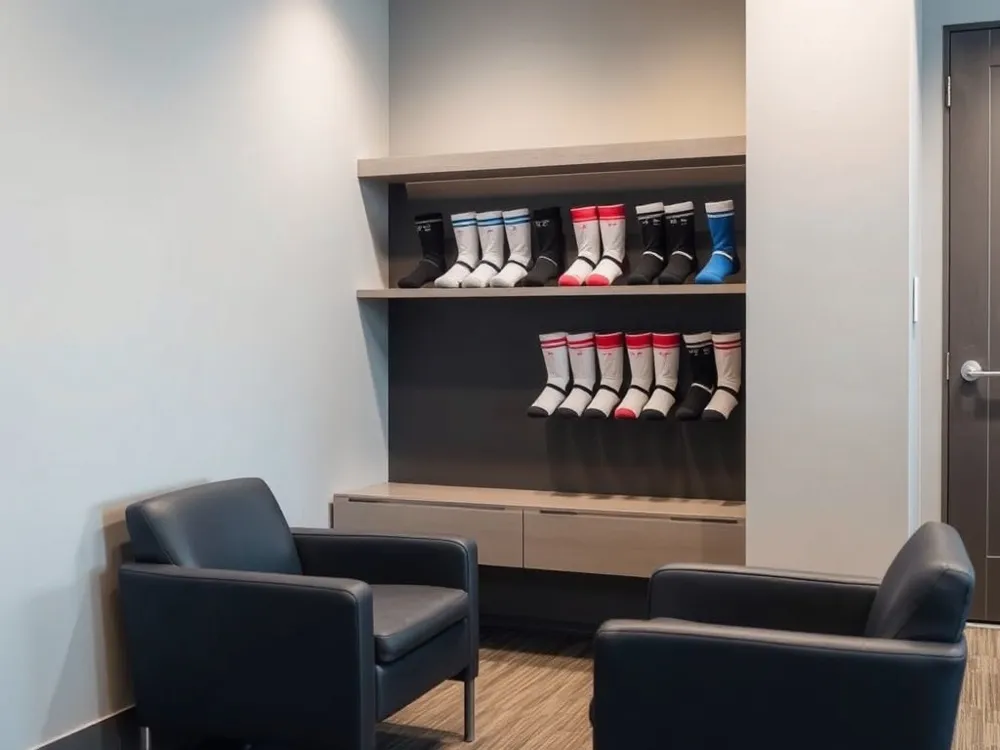
What is the Impact of Improper Sock Selection on Marathon Runners' Feet?
For marathon runners, the choice of socks is not a minor detail—it is a critical factor in foot health and race-day performance. The feet contain more sweat glands per square inch than any other part of the body, and during a marathon, they can produce significant moisture. When this moisture is trapped against the skin by inappropriate socks, it creates the perfect environment for blisters, hot spots, and fungal infections.
Cotton socks are particularly problematic for long-distance running. They absorb perspiration and hold it against the skin, causing the skin to become soft and more susceptible to friction damage. This moisture retention also increases the risk of athlete's foot, a fungal infection that thrives in dark, damp conditions. Experts consistently advise avoiding cotton athletic socks for any run over a few miles.
The consequences of improper sock choice extend beyond discomfort. A blister that forms mid-race can alter gait, leading to compensatory injuries. Fungal infections can sideline a runner for weeks. For marathoners, where every mile compounds stress on the feet, starting with the right base layer—socks—is essential.
Why are Synthetic and Merino Wool Socks Superior for Marathon Training?
Socks made from synthetic materials like polyester and nylon, or natural fibers like Merino wool, are the recommended choice for marathon runners. These materials are engineered to wick moisture away from the skin, moving it to the outer layers of the sock where it can evaporate. This keeps the feet drier and significantly reduces the friction that causes blisters.
Several podiatry sources and elite running resources highlight specific sock features that contribute to foot health during marathon training. The table below summarizes key sock types and their benefits.
| Sock Material | Key Benefits for Marathon Runners | Recommended Use Case |
|---|---|---|
| Synthetic (Polyester, Nylon) | Excellent moisture-wicking, durable, often includes antimicrobial properties to reduce odor and bacteria. | Primary choice for road and trail marathons; ideal for hot, wet conditions. |
| Merino Wool | Natural moisture-wicking, breathable, temperature-regulating (warm in cold, cool in heat), soft and comfortable. | Excellent for varying weather; good for runners with sensitive skin. |
| Toe Socks | Separates each toe to prevent interdigital blisters (between toes), allows toes to splay for better balance, and reduces friction on individual toes. | Runners prone to blisters between toes or who need to maximize toe splay and stability. |
| Double-Layer | Two layers of fabric reduce friction by allowing the outer layer to move against the inner layer, not the skin. Acts as a blister barrier. | Long-distance and/or trail runs where friction is a primary concern; also beneficial for long training runs. |
The importance of testing socks during training cannot be overstated. Experts recommend that using new socks, or any gear, on race day is a common mistake that leads to new pressure points and blisters. Runners should log several long runs with their intended marathon sock to ensure it fits well without bunching and interacts correctly with their shoes.
Which Specific Sock Features Should Marathon Runners Look For?
When selecting running socks, runners should consider more than just the material. Key features directly influence comfort and foot health on marathon day.
Seamless or Low-Seam Construction: Socks with bulky seams can rub against the toes or the top of the foot, creating hot spots that quickly turn into blisters. Choosing seamless or flat-seam socks minimizes this risk.
Cushioning Level: Socks come in varying degrees of cushioning, from ultra-thin to heavily padded. For marathon distances, a moderate level of cushioning underfoot can help absorb impact and reduce pressure on high-strike areas like the heel and ball of the foot. However, too much cushioning can make the shoe feel tight inside a shoe, leading to friction. The best approach is to match the cushioning to the shoe's internal volume.
Height and Fit: The sock should fit snugly but not be so tight that circulation is restricted. It should not bunch at the heel or ankle. The sock's height (ankle, crew) is largely personal preference, but it should rise above the shoe collar to prevent the material from rubbing against the ankle bone. Recovery socks with specific compression, while used post-run, are different from running socks and should be used for recovery specifically.
Anti-Friction and Moisture Management: Some socks incorporate advanced features like ventilation zones on the top of the foot to release heat and antimicrobial treatments to combat odor and bacteria. Some runners also benefit from applying a small amount of anti-friction balm or foot powder inside the sock before a long run as an additional measure.
How Do Socks Interact with Shoe Fit and Blister Prevention?
Proper sock selection is directly tied to shoe fit. A properly fitted sock should work together with a specific thickness of sock. If a runner switches from a thin synthetic sock to a thicker cushioned one without adjusting shoe size, the foot becomes compressed, increasing pressure, leading to pressure points and blister formation. Conversely, using a very thin sock in a shoe that is correctly sized for a thicker sock can cause the foot to slide around, creating friction blisters.
During runs, the feet swell, sometimes up to half a shoe size or more. The shoe, combined with the sock's properties, needs to accommodate this. Runners should try on shoes with the exact socks they plan to wear on marathon day, preferably in the afternoon when feet are naturally more swollen. This ensures the combination of shoe and sock allows for toe splay without excessive movement.
Podiatrists emphasize that the primary function of a sock is to serve as a friction barrier between the foot and the shoe. Its secondary function is moisture management. If either function is compromised, the risk of blisters, calluses, and bacterial or fungal infections rises substantially. For marathon runners, where feet endure thousands of repetitive steps, friction, and impact over hours, this team (sock and shoe) is non-negotiable for maintaining skin integrity.
What is the Role of Foot Hygiene and Skin Care in Sock Effectiveness?
Even the best wicking socks will fail if the underlying foot skin condition is poor. Moisturizing the feet is critical to prevent dry, cracked heels, but timing matters. While daily moisturizing (using a deep-hydration lotion, focusing on the heels and avoiding between toes) keeps skin supple, applying lotion right before a run can soften layers and increase friction inside the sock. A good practice is to moisturize in the evening after the post-run shower, allowing the skin to absorb the product overnight.
Dirt and dead skin cells can clump against the interior of a sock, acting as an abrasive. Washing feet daily with mild soap and thoroughly drying between each toe before putting on socks is a fundamental hygiene step. Additionally, regularly exfoliating calluses with a pumice stone or file after a warm Epsom salt soak prevents buildup that can lead to pressure points inside the sock.
How Often Should Socks Be Changed During a Marathon?
For a standard marathon (26.2 miles) on a dry day, many runners complete the race with one pair of well-chosen socks. However, for runners with particularly sweaty feet, or those tackling longer distances (ultra-marathons), changing socks mid-race is essential. Changing socks reduces the moisture and friction environment that leads to blister risk significantly.
Carrying a spare pair of dry socks in a drop bag or hydration vest allows for a mid-run change. This simple act has been cited by elite ultra runners as a critical component of their foot care strategy for completing extreme endurance events. After crossing the finish line, removing damp socks and letting feet dry is just as important for recovery and preventing post-marathon foot health issues.
| Common Foot Issue | Caused/Prevented By Proper Socks | Primary Prevention Tips |
|---|---|---|
| Friction Blisters | Moisture-wicking socks reduce friction by keeping skin dry. | Choose synthetic or wool; test on long runs; ensure snug no-bunch fit. |
| Interdigital Blisters | Toe socks separate toes, preventing skin-to-skin friction and moisture pooling. | Use toe socks if prone to blisters between toes. |
| Athlete's Foot | Moisture-wicking socks reduce the damp environment where fungus thrives. | Change socks mid-race if feet are excessively sweaty; avoid cotton. |
| Hot Spots | Cushioned, seamless socks reduce pressure and friction on sensitive areas. | Wear seamless or low-construction socks with proper cushioning. |
| Calluses and Corns | Proper fit between shoe, sock, and foot prevents excessive pressure buildup. | Replace socks regularly; moisturize feet nightly (not before run); exfoliate calluses. |
In conclusion, sock selection is a foundational element of marathon foot care. By choosing materials that wick moisture, ensuring a proper fit with running shoes, and maintaining clean, adequately moisturized skin, runners can drastically reduce their risk of the most common foot complaints. This proactive approach allows them to focus on performance and enjoy the race with healthy, comfortable feet.
2. Lubricate Strategically to Prevent Blisters and Hot Spots
Should You Put Vaseline on Your Feet Before a Marathon?
Yes, applying Vaseline (petroleum jelly) to your feet before a marathon is a proven strategy to reduce friction and lower your risk of developing painful blisters. Focus on blister-prone areas such as the heels, toes, and any other spots where your shoes or socks tend to rub. While Vaseline acts as an effective lubricant, also ensure your skin is adequately moisturized beforehand, as excessively dry skin can be equally prone to friction. For best results, pair this with well-fitting, moisture-wicking socks to keep your feet dry throughout the race. This simple step, combined with proper footwear, can help you maintain comfort and focus on your performance.
Why Lubrication Matters
Marathon running involves repetitive motion over 26.2 miles, generating significant friction between skin, socks, and shoes. When friction combines with moisture from sweat, the outer skin layers separate, leading to hot spots and eventually blisters. Lubrication creates a low-friction barrier that allows skin to glide against fabric rather than rub. Ultra-runner Greg Salvesen, who credits his foot care routine for finishing extreme races, emphasizes applying anti-chafing lubricant generously before every run. He uses Body Glide, scraping chunks onto the bottom of toes, heel, and pad of the foot, and also coats the top of toes, around ankles, and on the heel—areas often neglected but equally prone to chafing.
Types of Lubricants and How to Apply
Several lubricants can be used, each with advantages:
- Petroleum Jelly (Vaseline): Widely available and inexpensive. Provides a thick, long-lasting barrier. Apply a thin layer to all friction points. Note that it can stain fabrics and may feel greasy.
- Anti-Chafing Balms (e.g., Body Glide, Squirrel’s Nut Butter): Formulated specifically for sports, often in stick or cream form. They glide on smoothly and are less messy than Vaseline. Many contain natural ingredients (beeswax, shea butter) and some provide a bit of moisture without being greasy. Apply directly to clean, dry skin.
- Coconut Oil or Other Natural Oils: A budget-friendly alternative with moisturizing properties. However, oils can soak into socks quickly and may not last as long as balms. Reapplication may be needed during very long runs.
Application technique matters. Clean and thoroughly dry your feet first—Salvesen uses a baby wipe and lets feet air-dry. Then apply lubricant in a thick enough layer to create a protective film, but not so thick that it cakes. Pay special attention to the web spaces between toes, the ball of the foot, the heel, and any known hot spots from previous runs. Some runners turn their socks inside out and apply lubricant directly to the sock seams to reduce friction at stitch lines.
Timing Your Lubrication Strategy
Lubrication is not just a race-day afterthought. Begin your anti-friction routine at least 10–15 days before the marathon. According to Sidas, applying an anti-friction cream daily during this period helps protect the skin from the intense rubbing of marathon distance. For added protection, some runners use surgical spirit (isopropyl alcohol) on their feet 3–4 days before the race to toughen the skin, but this may sting and should be done cautiously. If you choose this method, moisturize in the evening to prevent excessive dryness.
On race morning, apply your chosen lubricant after showering and drying feet completely. Avoid applying right before putting on socks if your skin is still damp—moisture trapped under lubricant can actually promote blistering. Instead, let feet air-dry for a few minutes, then apply liberally.
Combining Lubrication with Other Blister Prevention Methods
Lubrication works best as part of a multi-layered prevention plan.
Moisture-Wicking Socks
Cotton socks are the enemy of blister-free running. Cotton absorbs sweat, stays wet, and increases friction. Synthetic materials (polyester, nylon, acrylic) or Merino wool wick moisture away from the skin. Toe socks (such as Injinji) keep each toe separate, preventing interdigital blisters. Many experts recommend dual-layer socks or sock liners that reduce friction between layers.
Foot Powder
Talcum powder, cornstarch, or specialized foot powders absorb excess sweat and help keep feet dry. Apply powder before putting on socks, especially if you are prone to sweaty feet. Powders can be used in combination with lubricants—apply lubricant to key friction points, then dust powder over the rest of the foot.
Pre-Taping
For persistent hot spots, pre-taping with athletic tape (e.g., Kinesio Tape, Leuko tape, or micropore tape) can provide a protective layer that absorbs friction instead of skin. Apply tape to clean, dry skin before applying lubricant. Some runners use benzoin tincture under the tape to help it stay in place during a sweaty marathon. Practice taping during training to find what works.
Proper Shoe Fit
Shoes that are too loose allow the foot to slide, creating friction. Shoes that are too tight compress toes and cause pressure points. Ensure at least a thumb’s width of space between your longest toe and the toe cap. Lace shoes snugly in the midfoot but not so tight that they restrict circulation. Different lacing techniques can relieve pressure on specific areas.
What to Do If a Hot Spot or Blister Develops During the Race
Even with the best prevention, hot spots can appear. At the first burning sensation, stop and reapply lubricant. This takes less than a minute and can prevent a full blister from forming. Carry a small tube or stick of lubricant in your pocket or belt for mid-run touch-ups.
If a blister forms, do not ignore it. According to podiatrists, small intact blisters are best left alone and covered with a sterile dressing or blister plaster to protect the skin underneath. If the blister is large, tense, or painful, you may drain it carefully:
- Clean the area with an antiseptic wipe.
- Use a disinfected needle or scalpel blade to puncture the edge of the blister.
- Gently press out fluid, but leave the outer skin intact—it acts as a natural bandage.
- Apply an antiseptic and cover with a sterile, non-adherent dressing or specialized blister plaster.
Never tear away the loose skin, as this exposes the raw underlying tissue to pain and infection. After the race, monitor the area for signs of infection (redness, warmth, pus) and see a podiatrist if it does not heal within a few days.
Table: Quick Guide to Blister Prevention and Treatment
| Method | When to Use | Key Tips |
|---|---|---|
| Vaseline / petroleum jelly | Before every run | Focus on heels, toes, any known hot spots; pair with moisture-wicking socks. |
| Anti-chafing balm (Body Glide, etc.) | Before every run | Less greasy; reapply during long runs if needed. |
| Foot powder | Before putting on socks | Use talc or cornstarch; helps keep feet dry. |
| Pre-taping | For persistent hotspots | Apply tape to clean, dry skin; use benzoin for adhesion. |
| Surgical spirit | 3–4 days before race (with caution) | May sting; always moisturize afterward. |
| Moisture-wicking socks | All runs | Avoid cotton; try toe socks or dual-layer socks. |
| Draining a blister | Only if large/painful | Sterilize needle; keep skin intact; cover with sterile dressing. |
Post-Race Care for Blisters and Feet
After the marathon, immediately inspect your feet. Clean any broken blisters with mild soap and water, apply antiseptic, and cover with a sterile dressing. Keep feet elevated and wear compression socks to reduce swelling. For intact blisters, leave them alone but keep them clean and dry. Avoid picking or popping blisters unnecessarily.
Moisturize your feet after the race to restore hydration, but avoid applying moisturizer between the toes or on open blisters. Use a pumice stone gently on calluses a few days after the event, once any blisters have healed. If you experience signs of infection or persistent pain, consult a podiatrist promptly.
By lubricating strategically—starting weeks before the race and using a combination of products—you can dramatically reduce your risk of blisters and hot spots, allowing you to focus on your performance and enjoy the marathon experience.
3. Break In Shoes and Choose the Right Fit

Why is proper shoe fit so critical for marathon runners, and what does "right fit look like?
On race day, your feet will endure thousands of repetitive strikes. A shoe that is too short can cause black toenails, nerve pain, and bunions. A shoe that is too wide allows the foot to slide, leading to friction and debilitating blisters. A shoe that is too narrow can pinch nerves, leading to numbness or burning.
For a proper fit, there should be minimal heel sliding and at least a finger width (about 1 cm to 2–3 cm) of space between your longest toe and the toe cap. This space is crucial because feet swell noticeably during a marathon—by as much as half a shoe size or more. Runners should try on new shoes in the afternoon when feet are at their most swollen, and always with the running socks and orthoses they plan to use on race day.
How should runners choose the right shoes for their foot type and running style?
Running shoes are not one-size-fits-all. The best choice depends on your foot type (flat, high, or neutral arches and your gait (overpronation, underpronation, or neutral). A professional gait assessment at a running store can help identify the level of support and cushioning you need. Stability features in a shoe help keep the foot aligned, reducing the risk of plantar fasciitis and other overuse injuries.
Consider also the running surface. Different terrain calls for different shoes. For example, a runner might use the Nike Wildhorse 7 for hills and mountains for its grip and protection, the Air Zoom Pegasus 38 for shorter road runs under 7‑mile road runs, and the Metcon 7 for longer road efforts over 7 miles, as each provides specific arch support and a secure fit for those conditions.
Why must new shoes be broken in before race day?
Running shoes are unlikely to stretch significantly, so they must feel comfortable from the first wear. Never run a marathon in new shoes. New gear can create unfamiliar pressure points that lead to blisters or pain. Shoes need to be progressively broken in during training on shorter runs to ensure they are not stiff on race day and that the cushioning and support have molded to your feet.
What is the role of shoe rotation and replacement to keep feet healthy?
Runners may rotate between different shoe models depending on the distance and terrain of each training run. This practice allows each pair to air out and dry completely between uses, reducing the risk of fungal infections wears.
Over time, cushioning and support degrade. Most running shoes should be replaced every 300 to 500 miles. Worn out shoes lose their shock absorption, which can lead to foot, knee, or leg pain and injuries like plantar fasciitis. For heavy runners or those with an uneven gait, replacement may be needed sooner.
Can insoles or lacing techniques make a difference?
If you are unsatisfied with the shoe's insole, replace it. Worn insoles can create undue pressure on the bottom of the feet, leading to pain and conditions like bunions, plantar fasciitis, calluses, or bone spurs. Quality running shoes allow replacement with cushioned insoles or custom orthoses that support your specific arch height and improve alignment and shock absorption.
Experimenting with different lacing patterns can also resolve many common issues. For example, using the extra top eyelet creates a snugger fit for low volume feet, while loosening laces over the toes and tightening over the midfoot can relieve pressure on the nerves on top of the foot. Specific lacing techniques can accommodate high insteps, wide or narrow feet, or bone spurs.
| Fit Consideration | Recommendation | Why It Matters for Marathon Day |
|---|---|---|
| Toe box length | At least a finger width (about 1 cm) between longest toe and shoe end | Prevents black toenails, bruising, and nerve compression |
| Heel fit | Snug heel cup with minimal to no sliding | Avoids blisters on heel, improves stability |
| Sock test | Try on shoes with same socks and orthoses you'll race in | Sock thickness affects fit; prevents surprises |
| Timing | Buy in afternoon (shop when feet are most swollen) | Emulates running conditions for better fit |
| Break‑in period | Train in new shoes on short runs for at least weeks | Familiarizes your feet and molds the shoe |
| Replacement mileage | 300 to 500 miles (sooner if signs of wear) | Ensures adequate cushioning and support |
| Insoles upgrade | Replace with cushioned or custom orthoses if stock | Improves alignment, reduces fatigue and pain |
| Lacing adjustment | Experiment for high instep, wide forefoot, etc. | Relieves pressure points, improves comfort |
| Terrain‑specific models | Rotate shoes for road, trail, or distance | Provides correct tread, support, and protection |
By carefully selecting, fitting, breaking in, and maintaining your running shoes, you can prevent many common marathon foot problems. This foundation of proper footwear helps ensure your feet stay comfortable, healthy, and capable of carrying you across the finish line.
4. Fight Odor and Fungus with Smart Hygiene Habits
Why do marathon runners often get smelly feet and how can I eliminate foot odor permanently?
Each foot contains approximately 125,000 sweat glands and can produce up to 4 ounces of moisture per day. During marathon training, feet remain enclosed in shoes for hours, creating the ideal breeding ground for bacteria and fungi. These microorganisms break down sweat into acidic byproducts that produce the characteristic strong odor.
To eliminate foot odor permanently, adopt a rigorous daily hygiene routine. Wash feet with antibacterial soap and dry thoroughly, paying extra attention between the toes. Apply medicated foot powder or cornstarch before running to absorb moisture and reduce friction. An Epsom salt foot soak (half cup in warm water for 20 minutes once a week) helps remove bacteria and soften calluses.
Soaks with diluted vinegar (two parts warm water to one part vinegar) can also reduce fungal growth. Avoid soaking if you have open cuts or sores. For persistent odor, consider using an antiperspirant cream on the soles, as reducing sweat output directly limits bacterial activity.
Why do marathon runners often get smelly feet and how can I eliminate foot odor permanently?
The combination of sweat and the warm environment inside shoes promotes fungal infections like athlete's foot, which produces its own foul odor alongside itching and burning. At the first sign of infection, treat promptly with over-the-counter antifungal creams or powders.
For comprehensive odor control, rotate between at least two pairs of running shoes, allowing each pair 24 hours to dry completely. Disinfect shoes regularly with rubbing alcohol spray, baking soda, or a UV shoe sanitizer. Never wear damp shoes or reuse sweaty socks.
Changing socks during long runs is a highly effective strategy. Ultra-runner Greg Salvesen changed socks 48 times during his 550-mile race to keep feet fresh and prevent fungal overgrowth. Replace running socks regularly, as they lose absorbency over time.
If home treatments fail after about 10 days, or if you notice pain, redness, or swelling, consult a podiatrist. Persistent odor may indicate hyperhidrosis (excessive sweating), a fungal nail infection, or other conditions requiring prescription-strength medications or professional treatments.
Moisture and sock choices
Cotton socks are the top cause of blisters and fungal problems. They absorb perspiration, hold moisture against the skin, and create an environment that encourages irritation. Marathon runners should choose moisture-wicking socks made from synthetic blends (acrylic, polypropylene) or natural fibers like Merino wool, which pull sweat away from the skin and dry quickly.
Seamless or low-seam designs minimize friction, and double-layer socks provide extra protection against blisters while keeping feet drier. Test your sock choice on long training runs before race day to ensure they work.
Breathable shoes made from mesh, leather, or fabric allow airflow and reduce sweat buildup. Avoid non-synthetic materials that trap moisture. After runs, remove insoles to air out shoes.
Daily hygiene habits
Wash feet daily with mild soap and water, then dry thoroughly, especially between toes. Use a clean towel each time. Apply foot powder or antiperspirant cream before putting on socks.
Inspect feet daily for redness, peeling, blisters, or changes in nail color. Prompt treatment of minor issues prevents them from worsening.
Let feet out when safe: going barefoot at home allows skin to dry naturally. Avoid walking barefoot in locker rooms or pool areas; always wear shower shoes to prevent picking up athlete's foot or other fungal infections.
When to seek professional help
A podiatrist can diagnose underlying causes of stubborn odor or fungal infections. Treatments may include prescription-strength antifungals, custom orthotics for hyperhidrosis, or surgical options for severe cases. Custom orthotics can also improve foot mechanics and reduce excessive sweating.
Regular foot check-ups, especially when training for a marathon, help keep feet healthy and odor-free.
5. Protect Against Plantar Fasciitis and Nerve Issues
Understanding Plantar Fasciitis in Marathon Runners
The repetitive pounding of marathon training places immense stress on the plantar fascia, the thick band of tissue running from the heel to the toes. Plantar fasciitis typically presents as a sharp, stabbing pain near the heel, most noticeable with the first steps in the morning or after prolonged rest. According to podiatrists, this condition often arises from a combination of overuse, inadequate shoe support, and tight calf muscles. Runners can reduce their risk by selecting shoes with proper arch support and cushioning, and by replacing them every 300–500 miles as support degrades. Daily stretching of the calves and plantar fascia, such as using a towel or foam roller, helps maintain flexibility. Strengthening exercises like toe curls and heel raises also improve foot stability, reducing strain on the fascia. Cross-training with low-impact activities like swimming or cycling allows the feet to recover while maintaining cardiovascular fitness. If pain persists despite these measures, custom orthotics, which provide targeted arch support, may be necessary. A podiatrist can assess gait and prescribe orthotics that integrate seamlessly with running shoes. For chronic cases, advanced treatments such as Platelet-Rich Plasma (PRP) therapy or minimally invasive surgery may be considered to promote healing and restore function. Early intervention is vital to prevent the condition from sidelining training or race day performance.
What Is Jogger’s Foot (Medial Plantar Nerve Entrapment)?
Jogger's foot, or medial plantar nerve entrapment, is a less common but impactful cause of arch pain in distance runners. It results from compression of the medial plantar nerve, often where it passes under the abductor hallucis muscle or through a tight fibrous tunnel. Symptoms include a burning or tingling sensation along the inner arch, often radiating to the big toe. Unlike plantar fasciitis, the pain may be more diffuse and associated with numbness. Diagnosis is primarily clinical, but ultrasound imaging can confirm nerve compression, especially when symptoms persist. The condition is more likely in runners with flat feet or those who wear shoes with inadequate medial support. Treatment begins conservatively: reducing mileage, cross-training, and performing nerve-gliding exercises along with stretching of the surrounding muscles. Switching to shoes with a roomy toe box and good arch support can alleviate pressure. If symptoms do not improve, a podiatrist may recommend custom orthotics to control pronation and offload the nerve. In some cases, ultrasound-guided nerve blocks serve both diagnostic and therapeutic purposes. For refractory cases, minimally invasive surgical decompression of the nerve can provide lasting relief, allowing runners to return to training without pain. As with any nerve issue, prompt evaluation prevents chronic changes and ensures the best outcome.
Preventing Other Common Nerve and Tissue Injuries
Beyond plantar fasciitis and jogger's foot, marathon runners face several other nerve-related and soft tissue injuries. Morton’s neuroma—a thickening of the nerve between the toes—causes sharp, burning pain in the forefoot, often felt during push-off. It is aggravated by tight shoes or high-impact training. Management includes wearing shoes with a wide toe box, using metatarsal pads, and applying anti-friction creams to reduce irritation. Achilles tendonitis, an inflammation of the heel tendon, can be prevented by gradually increasing mileage and performing eccentric heel-drop exercises. Shin splints, or medial tibial stress syndrome, respond to rest, ice, and a gradual return to activity with proper footwear. To avoid these issues, runners should incorporate a structured warm-up and cool-down, focusing on dynamic stretches for the calves and ankles. Strengthening the intrinsic foot muscles through towel scrunches and marble pickups enhances arch stability and reduces nerve strain. Periodic gait re-evaluations can identify biomechanical changes that might predispose to injury. If nerve pain or persistent soft tissue discomfort arises, consulting a sports podiatrist early can prevent progression to more serious conditions like stress fractures. Many podiatry clinics now offer regenerative medicine options, such as PRP or bone marrow concentrate, to accelerate healing of chronic tendonopathies and nerve injuries. Adopting a proactive, multidisciplinary approach to foot care keeps runners on track for long, healthy training cycles.
Treatment Approaches for Persistent Foot Pain
When conservative measures fail, a podiatrist-led care plan becomes essential. For plantar fasciitis, extracorporeal shockwave therapy (ESWT) can stimulate healing in chronic cases. Custom orthotics, as mentioned, correct alignment issues. For nerve entrapments like jogger's foot, ultrasound-guided injections of corticosteroid or platelet-rich plasma may reduce inflammation and promote nerve recovery. In severe, unresponsive cases, minimally invasive endoscopic decompression can release the entrapped nerve with small incisions and rapid recovery. Post-marathon foot pain that lingers for more than a few days warrants evaluation to rule out stress fractures or other structural damage. Ice baths (15 minutes) immediately after a race reduce inflammation, while compression socks aid circulation and swelling control. A gradual return to running, starting with walking and then short, easy runs on soft surfaces, allows tissues to adapt. The table below summarizes key prevention and treatment strategies for common marathon-related foot conditions:
| Condition | Prevention | Conservative Treatment | Advanced Options |
|---|---|---|---|
| Plantar Fasciitis | Arch-support shoes, calf stretching, gradual mileage | Rest, ice, rolling, orthotics | Shockwave therapy, PRP, surgery |
| Jogger’s Foot (Medial Plantar Nerve Entrapment) | Wide toe box, arch support, nerve-gliding exercises | Activity modification, ultrasound-guided blocks | Minimally invasive nerve decompression |
| Morton’s Neuroma | Wide shoes, metatarsal pads, avoiding tight lacing | Padding, anti-inflammatories, shoe changes | Cortisone injection, neurectomy |
| Achilles Tendonitis | Eccentric heel drops, gradual hill training | Rest, ice, stretching, heel lifts | PRP, tenotomy |
| Stress Fractures | Proper shoe rotation, cross-training, adequate nutrition | Rest, immobilization, vitamin D/calcium | Bone stimulator, surgery if nonunion |
By understanding the signs of these conditions and seeking timely podiatric care, marathon runners can protect their feet from long-term damage and continue enjoying the sport they love. Regular foot inspections, listening to pain signals, and maintaining a comprehensive foot hygiene and strengthening routine are the cornerstones of injury prevention. When in doubt, a consultation with a sports podiatrist can provide personalized strategies to keep feet fresh and injury-free through training and race day.
6. Care for Calluses and Cracked Skin Before Race Day
Understanding Callus Formation and Cracked Heels
Long-distance running places immense repetitive stress on the feet, leading the skin to develop calluses as a protective response. While a moderate callus can shield against friction, excessive buildup becomes painful and can crack. Cracked heels, particularly from moisture loss during long runs, may cause discomfort, bleeding, and risk of infection. Runners should manage these conditions proactively to maintain skin integrity and comfort throughout training and on race day.
Regular Soaking to Soften Dead Skin
A consistent soaking routine helps soften thickened skin, making exfoliation more effective. Use an Epsom salt or magnesium flake bath soak—such as one containing magnesium flakes—to soften dead skin and relax foot muscles. Soak feet in Epsom salt bath for 15–20 minutes in warm water, not hot, to avoid irritation. Perform this at least twice weekly during heavy training periods.
Gentle Exfoliation with a Pumice Stone or Emery Board
After soaking, gently exfoliate callused areas with a pumice stone or emery board. Use light, circular motions to file away dead skin without damaging the underlying healthy tissue. Focus on the heels, balls of the feet, and any hardened spots. Over-exfoliating can cause soreness and increase injury risk. For large or severe calluses, consult a podiatrist for professional removal rather than aggressive home filing.
Daily Moisturizing to Prevent Cracking
Running causes feet to lose moisture, leading to dry, cracked heels. Apply a deep-hydrating lotion daily, such as Eucerin Daily Hydration Lotion, to maintain skin suppleness and prevent cracks. Moisturize feet before and after runs after showering or bathing when skin is still slightly damp to lock in hydration. Avoid applying lotion immediately before a run, as it can increase friction inside the shoe and promote blisters. For enhanced moisture before a race, apply lotion and wear socks overnight.
Toughening the Skin Before Race Day
Starting three weeks before the marathon, apply an acid-based product (or half a lemon) each morning to sensitive areas of the feet. This process toughens the plantar fat pad and reduces friction during the race. Because acids dry the skin, follow each morning application with an evening moisturizing routine using anti-friction cream or moisturizing cream to restore hydration and prevent cracking.
Anti-Friction and Moisturizing Creams
Anti-friction creams serve double duty: they protect the skin from irritating rubbing and also help counteract dryness from acid treatments. Apply a product like a specialized anti-friction cream to the most sensitive foot areas daily for 10–15 days before the marathon. This reduces blister risk while maintaining skin health.
Managing Corns for Comfort
Corns, similar to calluses but often smaller and deeper, develop on or between toes due to friction and pressure. Treat corns with the same soak-and-file approach as calluses, but use extra caution around bony areas. If corns are painful or persistent, seek podiatric care rather than attempting over-the-counter removal pads, which may contain acids that can damage healthy skin.
Choosing the Right Tools and Products
Invest in a quality pumice stone, emery board, or specialized callus scraper. For daily moisturizing, use a deep-hydrating lotion free of fragrances to avoid irritation. Over-the-counter acid-based toughening products are available, but test them on a small area first to gauge skin reaction. Avoid cutting calluses with razors or sharp objects, as this can lead to infection and scarring.
When to Seek Professional Help
If calluses become painful, develop deep cracks that bleed, or show signs of infection (redness, warmth, pus), see a podiatrist. A professional can safely debride thick calluses and treat underlying biomechanical issues that cause excessive pressure. Similarly, persistent cracked heels that do not respond to moisturizing may require prescription-strength emollients or topical antibiotics.
Pre-Race Skin Care Checklist
| Step | Timing | Action | Purpose |
|---|---|---|---|
| Soak and exfoliate | At least twice weekly (training); once 2 days before race | Soak feet in Epsom salt bath, then gently pumice callused areas | Soften and remove dead skin to prevent cracking |
| Toughen skin | Daily starting 3 weeks before race | Apply acid-based product or lemon to sensitive areas | Reduce friction and blister risk |
| Moisturize | Daily (evening after acid treatment; morning after shower) | Apply deep-hydrating lotion; avoid before running | Keep skin supple, prevent cracks |
| Anti-friction protection | Daily for 10–15 days before race | Massage anti-friction cream into vulnerable spots | Prevent chafing and blisters |
| Night treatment | Night before hard long run or race | Apply thick lotion, cover with socks overnight | Intensify hydration for foot hardiness |
Final Checks Before Race Day
On the morning of the marathon, inspect feet for any new cracks, blisters, or irritation. Do not attempt to file or cut calluses on race day, as this can create raw spots. Instead, rely on the prior two months of consistent foot care. A well-maintained callus provides natural protection, while moisturizing keeps the skin flexible enough to endure 26.2 miles without tearing.
7. Prioritize Post-Marathon Recovery for Long-Term Foot Health
How should I care for my feet after a marathon to promote healing?
The moments after crossing the finish line don't end the race for your feet—their recovery period begins immediately. A proper post-marathon care routine is vital to reduce inflammation, prevent infection, and promote tissue repair. Start with a rapid foot assessment: check for blisters, hot spots, swelling, and discoloration of the toenails.
Immediate Post-Race: Reduce Inflammation and Swelling
As soon as you can, immerse your feet in cold water — not ice cold, but around 50–59°F (10–15°C). A 10–15 minute soak reduces inflammation and provides immediate relief. Elevate your feet above heart level to help drain excess fluid and wear compression socks specifically designed for recovery (with graduated pressure, not regular running compression gear). These steps minimize swelling and improve circulation. Change out of wet socks and shoes immediately and dry your feet thoroughly (especially between the toes).
24–48–72 Hours After the Marathon: Hygiene and Blister Care
Maintain exceptional foot hygiene for the next two to three days. Wash your feet daily with mild soap and lukewarm water, then gently pat them dry, paying special attention to the spaces between your toes. Apply a sterile dressing or specialized blister plaster to intact blisters. If a blister has broken, clean it with mild soap and water, apply an antiseptic, and cover with a sterile, non-adherent dressing. Never tear away the skin of a broken blister—it protects the raw skin underneath. Keep your feet aired out and nails trimmed straight across to prevent any trimmed corners and avoid ingrown issues. Change socks if they become damp and allow your feet fresh air whenever possible. Severe blisters or signs of infection (increased warmth, redness, spreading swelling, discharge, or fever) require professional podiatry care.
Days 1–3: Gentle Mobilization and Self-Massage
Once past the 24- to 48-hour mark, begin gentle self-massage: rub your feet in circular motions with a moisturizing cream, focusing on soles, arches, and heels. Roll a tennis ball or frozen water bottle under each foot for two to three minutes per foot to reduce tension and inflammation; a frozen lacrosse ball can specifically reduce inflammation. Perform toe spreads – separate your toes for 10 seconds and repeat five to 10 times. Do gentle ankle circles in both directions, rotating in both directions. Avoid standing for long periods (more than 30 minutes) during these first few days. Instead, opt for short, gentle walks of five to 10 minutes to boost circulation without stressing your feet. Activities like swimming are excellent, as they are non-weight-bearing. Hold off on running for at least three to seven days to allow soft and underlying tissues to recover.
Weeks 1–2: Rebuild Strength and Flexibility
During the first two weeks after the marathon, start rebuilding foot strength with simple exercises. Towel scrunches (curling a towel under your instep), marble pickups (picking up marbles with your toes), and calf raises (starting with both legs and progressing to single-leg) help restore stability and function. Foot doming – raising your arch without curling your toes – activates the intrinsic muscles deep in the foot. Incorporate gentle stretching for your calves, Achilles tendons, and plantar fascia two to three times daily. Walking barefoot on safe surfaces strengthens intrinsic muscles, but be cautious about sharp objects or uneven ground.
Long-Term Recovery: Supportive Footwear and Nutrition
Transition gradually from recovery sandals with arch support (avoid flat shoes) to stable, completely flat shoes, then back to your supportive everyday footwear. Use the recovery period to evaluate your athletic shoes and replace worn-out pairs – more on that later. Proper nutrition plays an essential role in healing: stay hydrated, consume enough protein, vitamin C (for collagen production), and minerals like zinc and copper (for wound healing and tissue regeneration). Avoid running in shoes beyond their lifespan (typically 300–500 miles). Consider seasonal gait analysis to detect changes in your mechanics that might require different footwear or custom orthotics.
Essential Recovery Practices Summarized
Phase | Actions | Duration
Immediate Finish | Assess feet + cold water immersion (10–15 min) + elevate feet + wear recovery compression socks | First few hours
48–72 Hours | Hygiene (daily wash/dry) + sterile dressing for blisters + antiseptic for open wounds | Days 1–3
Early Mobilization | Self-massage (moisturizer) + ball rolling + toe spreads + gentle walks | Days 1–3
Strength | Towel scrunches + calf raises + foot doming + flexibility stretches | First 1–2 weeks
Ongoing | Replace worn shoes + use supportive footwear + good nutrition + monitor for persistent pain | Weeks 2+
Most feet recover within a few days of concentrated care. If pain persists beyond three to five days, swelling worsens, or you notice numbness/tingling develops, schedule a visit with a podiatrist. Conditions like stress fractures, plantar fasciitis, or deep blisters may require professional treatment. Schedule consultations at least one week post-marathon before any high-impact activity. Investing in this article's tips helps you run another day.
8. Train Smart with the 80/20 Rule to Reduce Foot Strain
Training for a marathon demands a careful balance between pushing your limits and allowing your body to recover. Without a structured approach, overuse injuries such as plantar tendonitis, and fractures can be a major risk. How can one build endurance effectively without damaging feet?
What is the 80/20 rule in running and how can it benefit my feet?
This concept, popularized by sports scientist Dr. Stephen Seiler, suggests that 80% of your training should be done at very low intensity (conversational pace), and the remaining 20 percent at moderate or high intensity (tempo runs, intervals). This balanced approach reduces the constant pounding on your feet, by the months of marathon.
Benefits for Your Feet
- **Reduced overload risk for the plantar fascia (the tissue connecting heel to toes) because most miles are run at a force that allows it to heal rather than tear.
- Lower risk of stress fractures: High impact forces that can over time cause cracks in foot bones are reserved for only 20% of your training sessions. The bones have
- Improved recovery: Easy runs enhance blood flow and delivery of oxygen to the feet without exacerbating inflammation. This lets tendons, ligaments, and muscles adapt gradually.
- Better neuromuscular and joint health: The low-intensity nature encourages proper foot strike patterns, reducing risk of hip, knee, and foot imbalances that often lead to foot pain.
How to Apply the 80/20 Rule for Marathon Training
- Plan weekly volume: If you run 20 miles per week, make 16 miles easy and 4 miles moderate/hard.
- Use effort, not pace: On easy runs, maintain a conversational pace (3–4 out of 10). For hard sessions, push a 5–6 out of 10 for short intervals.
- Listen to signals: If you feel heel pain that gets worse with running, or a sharp bone sensation, replace a hard session with cross-training.
Plantar Fasciitis and Overuse Injuries: Prevention Strategies
Plantar fasciitis is one of the most common overuse injuries among marathon runners. It occurs when the fascia rips from the heel due to excessive strain and insufficient recovery. The 80/20 rule helps to keep this tissue healthy:
| Training Element | Effect on Plantar Fascia |
|---|---|
| Low intensity running | Maintains tensile strength without microtears |
| High intensity | Builds capacity for high loads without causing chronic injury |
| Rest days | Allows tissue remodeling |
| Gradual increases (≤10% per week) | Avoids overstretching, allows adaptation |
Other injuries—Achilles tendonitis, peroneal tendonitis, and tibial stress syndrome—also respond well to the 80/20 split because it builds a sound base.
Practical Implementation
Week 1-4: Run 3-4 days per week. Easy miles at low effort. Hard session one day tempo or strides. Week 5-8: Gradually increase volume (10% per week). Keep hard sessions short, like 4 x 400m at 5K pace. Week 9-12: One hard session per week. Do not do any increase if heel pain returns.
Signs Your Feet Are Overloaded
If you experience:
- nagging pain under the arch or heel that's worse in the morning
- sharp pain on the top of foot when running
- ankle stiffness that doesn't warm up
Stop hard training for a week and consult a podiatrist. Plantar fasciitis diagnosis and correct treatment (orthotics, exercises, lifestyle changes) will ensure your plan is appropriate.
Final Takeaway
The 80/20 rule isn't about running less—it's about preserving your feet. It's about balancing stress the right way. By keeping low running stress, you reduce foot injuries, including plantar fasciitis, and build strength. You'll finish the race pain-free, with feet that feel fresh and ready for the next challenge. Align this training structure with proper shoes, socks, and foot care (including moisturizing and stretching), and you'll optimize your foot health for miles to come. If foot pain persists beyond a few days, visit a podiatrist to rule out stress fracture. Your feet will thank you for the careful approach.
Consult a sports podiatrist before starting a new training plan or if you have foot pain.
Travel Smart: 8 Proven Hacks to Keep Your Feet Fresh on Marathon Days
Why do marathon runners often get smelly feet and how can I eliminate foot odor permanently?
Marathon runners frequently battle foot odor because each foot has approximately 125,000 sweat glands that can produce 4 ounces of moisture per day. During a marathon, feet remain in dark, warm shoes and socks for hours, creating an ideal breeding ground for bacteria and fungi. These microorganisms feed on sweat, oils, and dead skin cells, releasing chemicals that cause the characteristic unpleasant smell.
To eliminate foot odor permanently, adopt consistent hygiene is essential. Wash feet daily with antibacterial soap, dry thoroughly especially between toes. Soak feet for 20 minutes once a week in warm water with half a cup of Epsom salt or a solution of two parts water to one part vinegar to reduce bacteria. Apply talcum powder or antibacterial powder daily to absorb moisture.
Choose moisture-wicking socks made of synthetic blends or wool instead of cotton. Change socks mid-run if possible and after each workout. Wear breathable shoes of leather fabric or mesh. Rotate footwear to allow each pair to dry for at least 24 hours between uses. Disinfect insides with rubbing alcohol or a UV shoe sterilizer.
If odor persists with these measures, consult a podiatrist to check for hyperhidrosis or fungal infections, which may require prescription treatments.
Managing sweat and moisture
The best defense against foot odor is controlling moisture. Use a deep hydration lotion such as Eucerin Daily Hydration Lotion after running to prevent cracked heels but avoid moisturizing between toes, where moisture can encourage fungus. Using foot powder before putting on socks and shoes absorbs sweat and reduces friction.
Changing socks frequently is important for long runs. One ultra runner changed socks 48 times during a nine-day race. An alternative is to pack multiple pairs and switch mid-run.
Baking soda and shoes that are made of synthetic materials may trap heat and moisture. Choose models with mesh panels to make them more breathable. If running in wet conditions, dry shoes thoroughly before reuse.
Treatment and prevention of fungal infections
If odor is caused by a fungal infection like athlete's foot or fungal toenails, treat with OTC antifungal medications for 2 to 4 weeks. Switching between different active ingredients may help if resistance develops. For severe or persistent infections, visit a podiatrist for prescription-strength treatments.
Prevent athlete's foot by always wearing flip-flops in public showers, locker rooms, and public showers, and dry feet thoroughly after washing. Use a UV shoe sterilizer for 15 minutes after long runs to eliminate bacteria, fungi, and odors.
Hacks for race day and recovery foot freshness
Use antiperspirant cream or powder on soles before a marathon to reduce sweating. If hot spots develop, stop and reapply anti-chafing lubricant immediately to prevent blisters. After a marathon, soak feet in cold water for 10 to 15 minutes to reduce inflammation and refresh them.
Allow feet to air out when possible. Advanced foot care such as custom orthotics and injections can help runners address underlying issues that worsen foot odor, such as hyperhidrosis, and ensure healthy fresh feet for marathon day.
| Condition | Cause | Recommended Action |
|---|---|---|
| Foot odor | sweat, bacteria, and fungi in moist environment | daily cleaning, Epsom soak, foot powder, moisture-wicking socks |
| Fungal infection | damp environment | OTC or prescription antifungal medication, UV shoe sterilizer, keep feet dry |
| Moisture overload | 125k glands per foot | antiperspirant creams, moisture-wicking socks, frequent sock changes |
| Post-run swelling | inflammation | cold water immersion, elevation, recovery compression socks |
| persistent odor | hyperhidrosis or other complex issues | consult podiatrist for tailored prescriptions, orthotics |
Remember, foot odor is common but manageable. With consistent foot care, hygiene and strategic use of powders, sanitizers, and breathable gear you can keep your feet fresh through marathon training and race day.
Travel Smart: 8 Proven Hacks to Keep Your Feet Fresh on Marathon Days
Hydration and Moisture Management
Marathon training and race day strip moisture from feet, leading to dry, cracked heels that can bleed or become infected. Apply a deep‑hydration lotion (e.g., Eucerin Daily Hydration Lotion) every morning and evening, and intensify treatment before a long run by applying lotion and sleeping with socks on. To counter the inevitable sweat, use foot powders containing talc or cornstarch to absorb moisture, and change socks throughout the day. A UV shoe sterilizer (used 15 minutes daily after long runs) kills bacteria and fungi that thrive in damp, dark shoes, reducing athlete’s foot risk.
Blister Prevention and Treatment
Blisters form when moisture and friction combine. Prevent them with moisture‑wicking socks made of synthetic fibers or merino wool instead of cotton, which retains sweat. Apply anti‑friction balms or petroleum jelly to high‑friction areas (heels, toes, and the top of the foot) before every run. For persistent hot spots, pre‑tape with micropore tape or moleskin. If a blister develops, drain it with a disinfected needle along the edge, keeping the skin intact to protect raw tissue. Cover with a sterile dressing or a specialized blister plaster to create a controlled healing environment. Never tear away the skin, as this invites infection.
Callus and Skin Care
Calluses and corns from repetitive impact can become painful. Soak feet in warm water with Epsom salts (or magnesium flakes) for 10–15 minutes at least twice weekly to soften dead skin. Follow with gentle exfoliation using a pumice stone or emery board. Avoid over‑filing, which can lead to rawness. For extra protection during high‑mileage periods, apply a product containing acids (or half a lemon) to sensitive areas each morning for three weeks before a marathon to toughen the skin, but always moisturize every evening to counter the drying effect.
Shoe Selection and Fit
Proper shoe fit is the foundation of foot health. When buying, measure later in the day when feet are swollen, and wear the socks and orthotics you plan to run in. Ensure at least a thumb’s width (about 1 cm) between the longest toe and the toe cap, and minimal heel slip. Shoes that are too short cause black toenails; too wide invites blisters; too narrow leads to bunions, corns, and pinched nerves. Break in new shoes gradually over several shorter runs. Replace running shoes every 300–500 miles as cushioning and support degrade. For varied terrain, rotate different models (e.g., trail shoes for hills, road shoes for pavement) to match the demands of the course.
Sock Selection
Socks are your feet’s first line of defense. Choose moisture‑wicking materials such as acrylic, nylon, polyester, or merino wool—never cotton. Seamless or low‑seam designs minimize friction. Toe socks keep individual toes separated, preventing interdigital blisters. For very long distances, dual‑layer socks or a thin liner under a cushioned sock can reduce rubbing. Test your race socks on long training runs to identify any pressure points before race day. In warm weather, low‑rise or ultra‑thin running socks improve ventilation and help keep feet cool and dry.
Post‑Marathon Recovery
Immediately after crossing the finish line, assess feet for blisters, hot spots, swelling, and discolored toenails. Soak in cool (not ice‑cold) water for 10–15 minutes to reduce inflammation. Elevate feet above heart level and wear recovery compression socks with graduated pressure to minimize swelling. Avoid long periods of standing for 48–72 hours. Apply a gentle moisturizer and self‑massage with a tennis or golf ball to release tension. Rest for at least 3–7 days before running again, and incorporate low‑impact activities like swimming or cycling. Keep nails trimmed straight across and monitor for signs of infection. Hydrate well and consume protein, vitamin C, and zinc to support tissue repair.
Plantar Fasciitis and Other Injuries
Marathon runners frequently encounter plantar fasciitis (heel pain), Achilles tendinitis, stress fractures, black toenails, and Morton’s neuroma. Preventive strategies include daily stretching of the calves, Achilles, and plantar fascia, and strengthening exercises like toe curls, heel raises, and arch lifts. Increase mileage gradually to avoid overuse. If pain persists with rest or is accompanied by swelling, redness, or numbness, consult a podiatrist promptly. Early intervention—through rest, ice, custom orthotics, or physical therapy—can prevent minor issues from sidelining training.
Orthotics and Insoles
You can improve foot alignment and shock absorption by replacing worn‑out insoles or adding custom orthotics. Choose insoles designed for your arch type (low, medium, or high) and running surface. Custom orthotics, prescribed by a podiatrist after a gait analysis, can correct overpronation or supination, distribute pressure evenly, and reduce fatigue. Even store‑bought gel heel pads can enhance cushioning on hard pavement. Periodically re‑evaluate your insoles as they wear down, and experiment with different lacing techniques to accommodate high insteps, wide forefeet, or bone spurs. Proper orthotics not only keep feet fresh during a marathon but also help prevent common injuries.