A More Individual View of Foot Care
Foot care increasingly draws on information about each person’s symptoms, foot structure, movement, and daily needs rather than relying on a one-size-fits-all approach. Three-dimensional scans can capture foot shape for assessment or custom orthotic planning, while artificial intelligence may help clinicians review patterns in imaging or other data. These tools offer additional information, not a diagnosis on their own.
Digital measurements work best alongside a podiatrist’s examination and established methods such as imaging and hands-on assessment. Research discussed in Podiatry Today’s overview of scanning and orthotic casting emphasizes that scanning can complement casting, while positioning and clinical evaluation still matter. The sections ahead consider what scans show, where AI may assist, and how these approaches fit with orthotics and other advances.
Start With Symptoms and Clinical Assessment
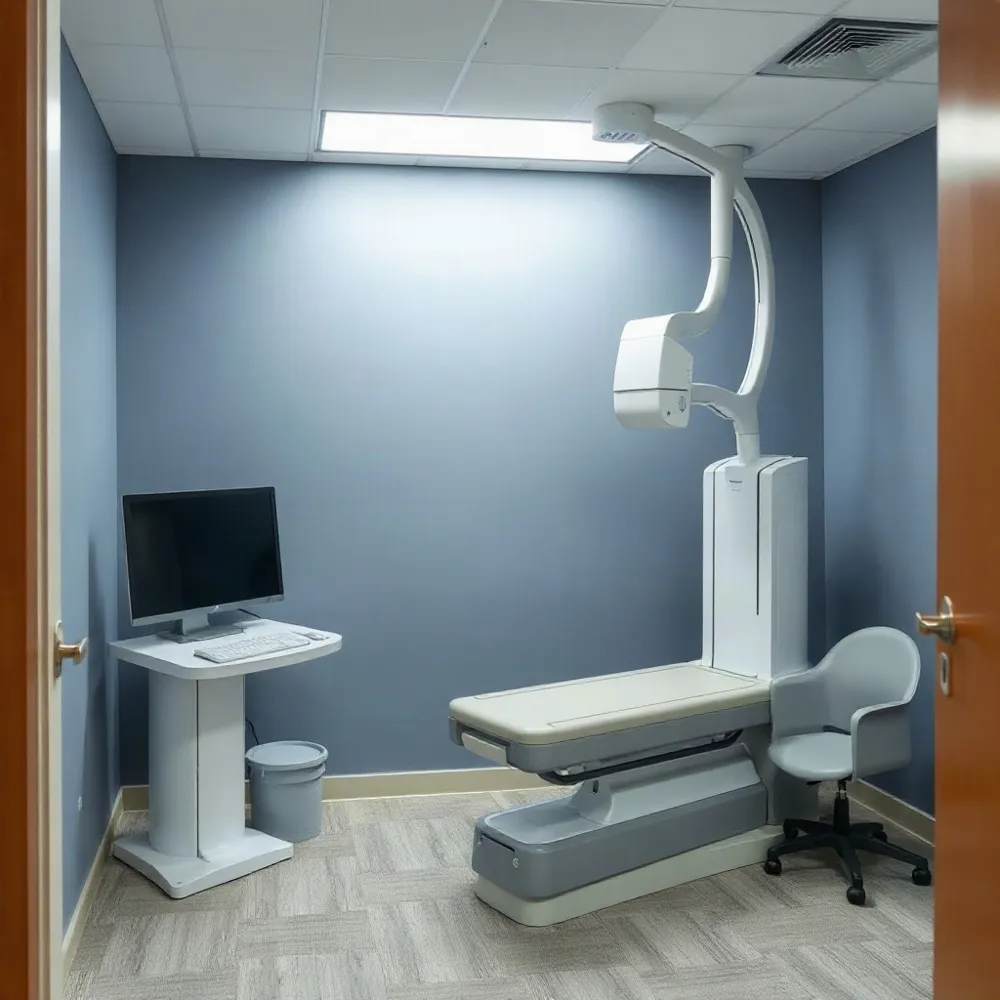 A podiatrist usually starts by asking when symptoms began, what makes them better or worse, and whether there have been prior injuries or relevant health conditions. The physical examination may assess movement, strength, stability, circulation, sensation, and walking pattern. For an overview of what to expect at an initial visit, see this guide to a first podiatry appointment.
Consider an evaluation when pain persists, worsens, or limits walking, or when heel or arch pain keeps returning. Swelling or redness that does not improve, numbness, tingling, burning, unusual sensitivity, or pale or bluish toes also warrant attention. Seek prompt care for a slow-healing wound, especially if you have diabetes, or a painful, infected ingrown nail. Sudden severe pain, inability to bear weight, spreading redness or warmth, fever with foot pain, or calf swelling calls for same-day medical attention.
Imaging is selected to answer a particular clinical question. X-rays can show bones and alignment, while ultrasound or MRI may help assess tendons and other soft tissues. CT can provide a closer view of complex bone problems. Imaging supports the assessment; it does not replace the examination or determine treatment on its own.
Care may begin with activity changes, supportive footwear, orthotics, medication, physical therapy, or bracing. In-office procedures or surgery, including minimally invasive approaches when appropriate, may be considered if other measures are not enough. At Advanced Foot Care, an experienced surgeon provides minimally invasive foot and ankle treatments at clinics in NW Chicago and South Florida, with recommendations based on the condition rather than the technology alone.
The right plan depends on the diagnosis, the patient’s goals and daily needs, and a discussion of expected benefits and risks. A clinician can explain the options and help decide whether conservative care, a procedure, or further evaluation is appropriate.
What a Three-Dimensional Foot Scan Shows
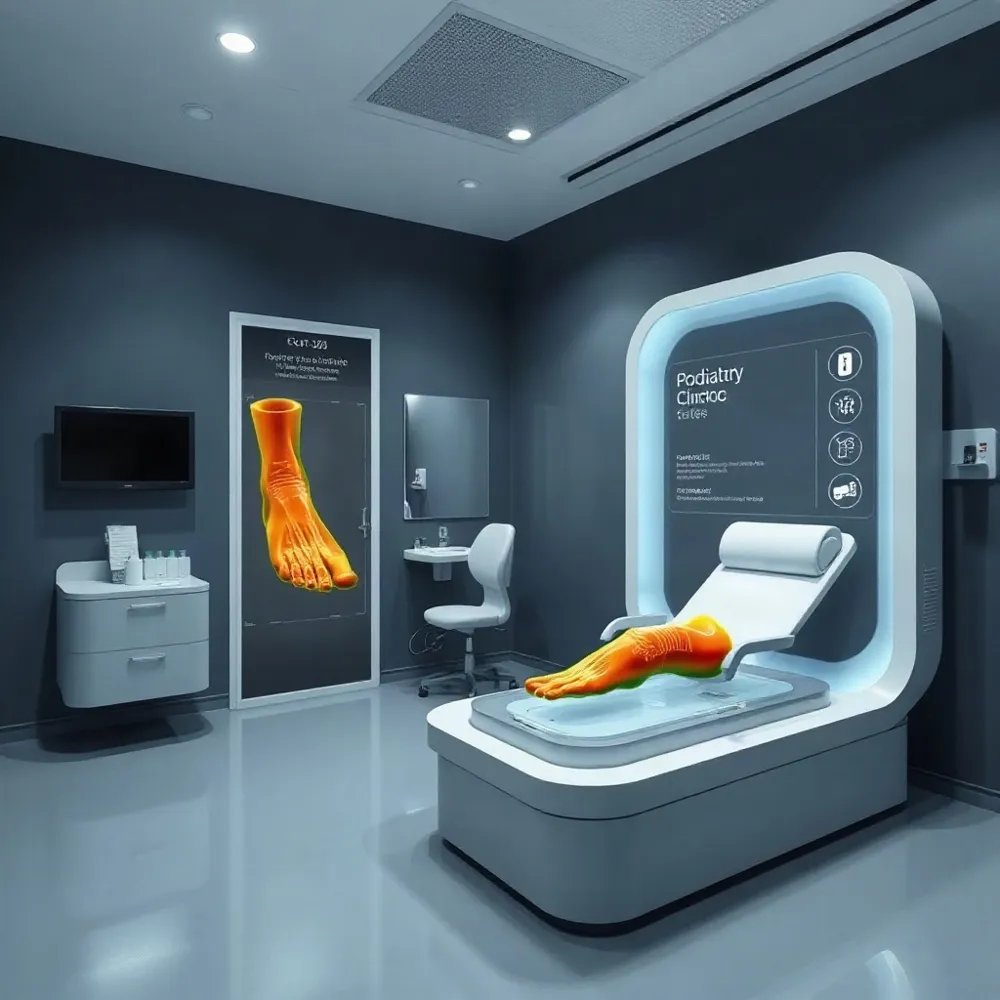 A three-dimensional foot scan uses a digital scanner to capture the foot’s contours and create a model for a podiatrist to review. The model may help assess foot shape and inform custom-orthotic design. Digital capture can also make it easier to share measurements with an orthotics laboratory or retain them for later review and possible adjustments. Research on scanning and orthotic casting describes scanning as an option alongside traditional casting, not a universal replacement.
A scan is quick and noninvasive, but the image is only one part of an evaluation. At advancedfootcareil.com, podiatric care is grounded in assessment by an experienced surgeon, who can interpret scan information alongside symptoms, examination findings, activity, and footwear. Foot position during scanning matters, and a clinician may choose plaster casting when greater control of foot position or contour is needed.
The scan does not diagnose a condition or determine treatment on its own. Whether custom orthotics are appropriate, and how they should be designed, depends on the patient’s needs and clinical findings. A scan may support decisions about support and pressure distribution, but a particular fit or improvement is not guaranteed.
How much does a 3D foot scan typically cost?
There is no single standard price: some clinics charge separately, while others include scanning in an evaluation or custom-orthotic fitting. Ask the clinic whether the scan is billed separately, what the fee includes, and whether insurance may cover any part of the service. A foot scan used to plan an orthotics device is different from medical imaging, such as a CT scan, so their costs are not directly comparable.
Where Artificial Intelligence May Assist
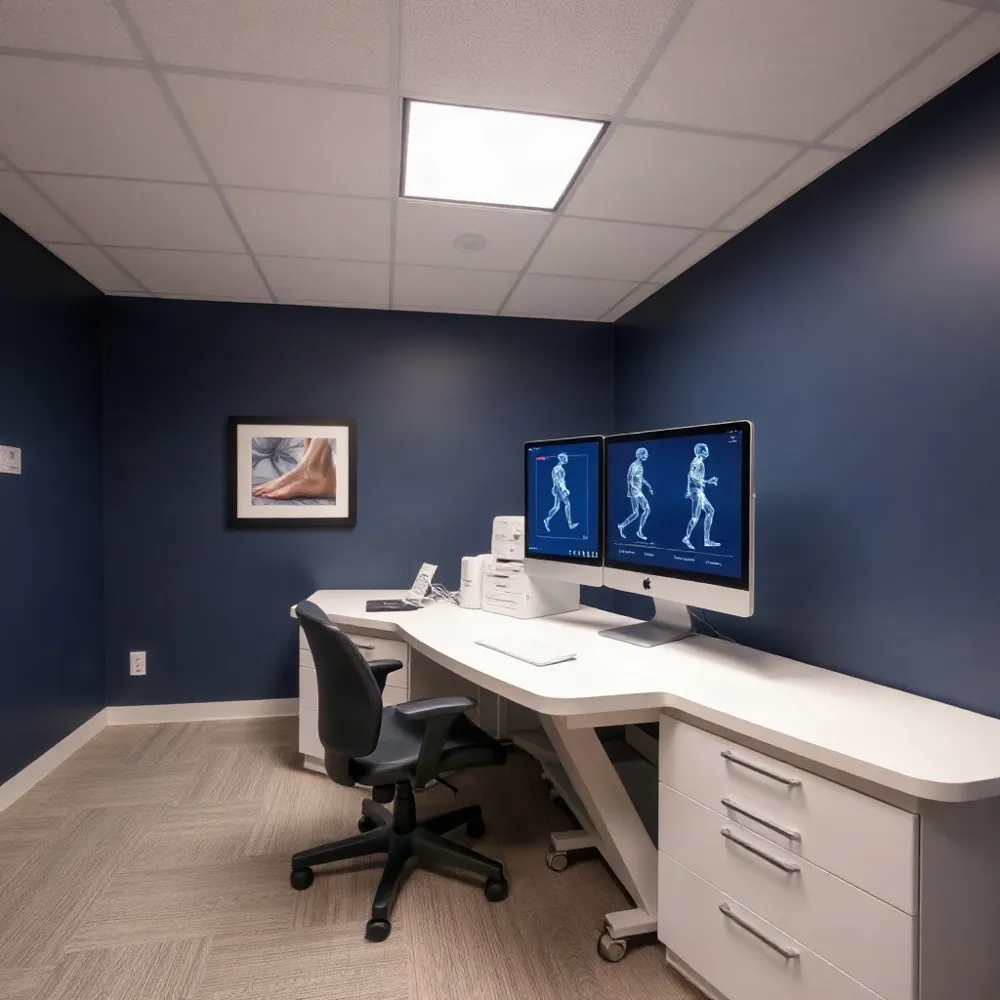 Artificial intelligence may help clinicians make sense of information gathered during an examination, but it does not replace a podiatrist’s assessment. For example, an AI-supported gait analysis could combine pressure-plate measurements with camera recordings to flag walking-pattern imbalances or areas of unusually high pressure. Those findings can guide further examination, rather than identify the cause of pain on their own. Research on trust in podiatrists’ use of AI underscores the importance of clinician oversight.
Algorithms may also analyze X-rays or MRI images for patterns that could be associated with conditions such as arthritis or stress fractures. A flagged area is a prompt for clinical review, not a diagnosis. At a clinic such as Advanced Foot Care, where treatment is led by an experienced foot and ankle surgeon, imaging findings need to be considered alongside symptoms, examination results, and a patient’s medical history.
Combining medical history with gait measurements and imaging may help clinicians assess a person’s risk of future problems, including diabetic foot ulcers. Risk estimates can inform preventive discussions and follow-up, but they cannot predict with certainty who will develop a complication or guarantee that one can be prevented. Decisions about monitoring and treatment still depend on the individual patient.
AI analysis is different from a three-dimensional foot scan. A scan captures the foot’s shape as digital data; AI may help examine that data alongside other clinical information. A scanner or app does not necessarily use AI simply because it produces a digital model. The clinical discussion of scanning and orthotic casting also emphasizes that digital capture does not replace assessment of foot structure and function.
Availability varies, and the information available does not establish that every podiatry clinic offers AI-assisted analysis. Nor does it show that using these tools leads to the same results for every patient. At Advanced Foot Care, technology is most useful when interpreted within a surgeon-led evaluation and an individualized care plan, rather than treated as a stand-alone answer.
Surgical Tools and Other Emerging Advances
Ankle replacement planning may combine imaging with tools that help a surgeon assess implant size, position, and alignment. CT-based three-dimensional planning, virtual simulations, and patient-specific guides can support preparation, while computer navigation or robotic assistance is available in selected centers. Research is still assessing whether these newer guidance methods improve long-term outcomes.
For some patients, an ankle replacement may be paired with procedures to correct alignment or address ligament and tendon problems. The choice depends on the person’s anatomy, condition, and goals. Careful selection and a coordinated recovery plan, including wound care and rehabilitation, remain important parts of treatment.
Innovation also extends beyond imaging and digital planning. A Podiatry Today feature on podiatry innovations describes minimally invasive tools for bunion and hammertoe procedures, fixation devices, and wound-care products such as grafts and dressings. These examples show how changes in instruments and materials may affect care across surgery and recovery.
Product descriptions and individual clinician experiences can offer useful context, but they are not proof that one device is superior. For example, claims about a fixation system’s design or a tool’s intended surgical use should be understood as product-specific information, not as comparative evidence.
Technologies are developing and reaching clinics at different rates. A tool that may help in one procedure or clinical setting may not suit another patient. At advancedfootcareil.com, treatment decisions are grounded in a surgeon’s assessment and the patient’s needs, rather than assuming that a newer device is appropriate for every case.
Technology Works Best With Clinical Judgment
Digital scans, imaging, and newer procedural tools can give podiatrists useful information or additional treatment options. They do not diagnose a condition or guarantee an outcome on their own. Even detailed scan data must be interpreted alongside symptoms, examination findings, and the patient’s goals.
People with persistent pain, swelling, numbness, wounds, or difficulty walking should seek an appropriate evaluation rather than rely on a device or online tool. At Advanced Foot Care, an experienced surgeon provides advanced, minimally invasive foot and ankle treatments at locations in NW Chicago and South Florida. Patients can discuss which assessment and care options suit their individual needs.