Two Paths to Foot Support
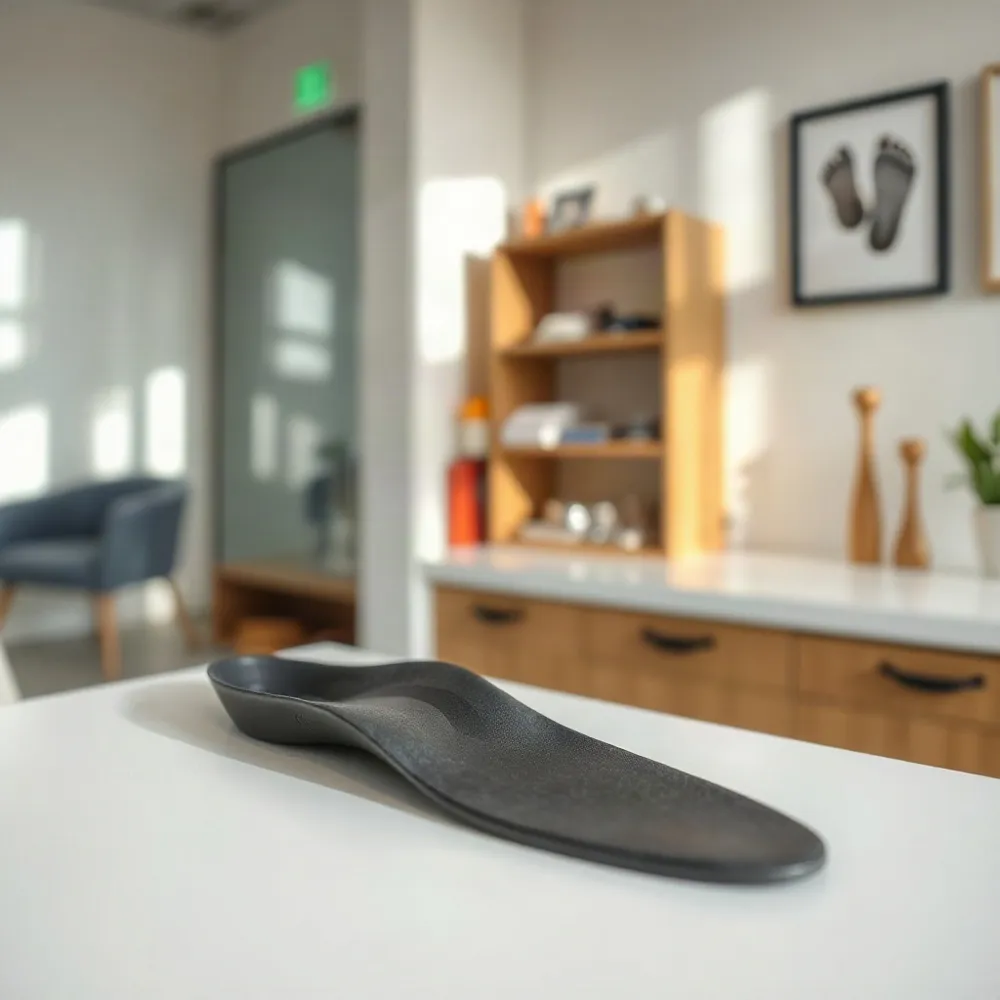
When foot discomfort leads you to consider extra support, the choice often comes down to a store-bought insert or a custom orthotic prescribed for your feet. Over-the-counter inserts are ready-made and can add cushioning or general arch support. Custom orthotics are designed around an individual’s foot shape and movement, following a clinical assessment.
Neither option is best for everyone. The right choice depends on how severe and persistent symptoms are, how an insert fits your shoe, and whether you need general cushioning or support tailored to a specific foot or movement concern. Custom devices generally cost more, while store-bought inserts are often less expensive. Cleveland Clinic’s overview of orthotics explains how clinicians may assess symptoms and choose between these approaches.
For mild discomfort, a ready-made insert may be a reasonable first step. If pain persists, worsens, or limits everyday activity, seek an assessment instead of relying on an insert alone. At advancedfootcareil.com, podiatric care is led by an experienced surgeon, with clinics in NW Chicago and South Florida; evaluation can help determine what support fits the problem.
What Orthotics Do
 Orthotics are devices worn inside shoes to support foot and ankle function and ease symptoms. They range from store-bought inserts to prescription supports made for an individual. For a broader overview of what orthotics are and how they are used, see Cleveland Clinic’s guidance.
Depending on their design, orthotics may cushion the foot, support the arch, guide movement, stabilize the heel, or spread pressure across the sole. These effects can reduce strain on painful areas during standing and walking. The aim is symptom management, not a cure: orthotics do not permanently correct structural problems such as fallen arches.
Prescription devices generally fall into two categories. Functional orthotics use firmer materials to help control foot motion, while accommodative orthotics are softer and focus on cushioning or relieving pressure on sensitive areas. Some designs combine both approaches. The American Podiatric Medical Association’s overview of orthotics explains the differences in more detail.
When Store Bought Inserts May Help
Over-the-counter inserts are mass-produced, so they offer general cushioning or light arch support rather than a fit tailored to one person’s foot. For mild, occasional discomfort or everyday foot fatigue, that added support may be enough to make walking or standing more comfortable.
They can be a reasonable first option for minor symptoms after a long period on your feet or an increase in activity, though results vary. The Cleveland Clinic’s guidance on orthotics suggests choosing an insert with a firm arch that does not easily give when extra support is the goal.
Check that an insert sits properly in the shoe and feels comfortable when you walk. A poor fit or unsuitable level of support can create pressure or aggravate discomfort. Stop using an insert if it increases pain rather than assuming the sensation will pass.
Generic inserts may not address chronic pain or more complex foot mechanics. At advancedfootcareil.com, a podiatric assessment can help identify whether persistent symptoms relate to foot structure or movement, rather than relying on trial and error with store-bought support. Seek professional evaluation if pain is severe, worsening, persistent, or affecting your ability to walk.
How Custom Orthotics Differ
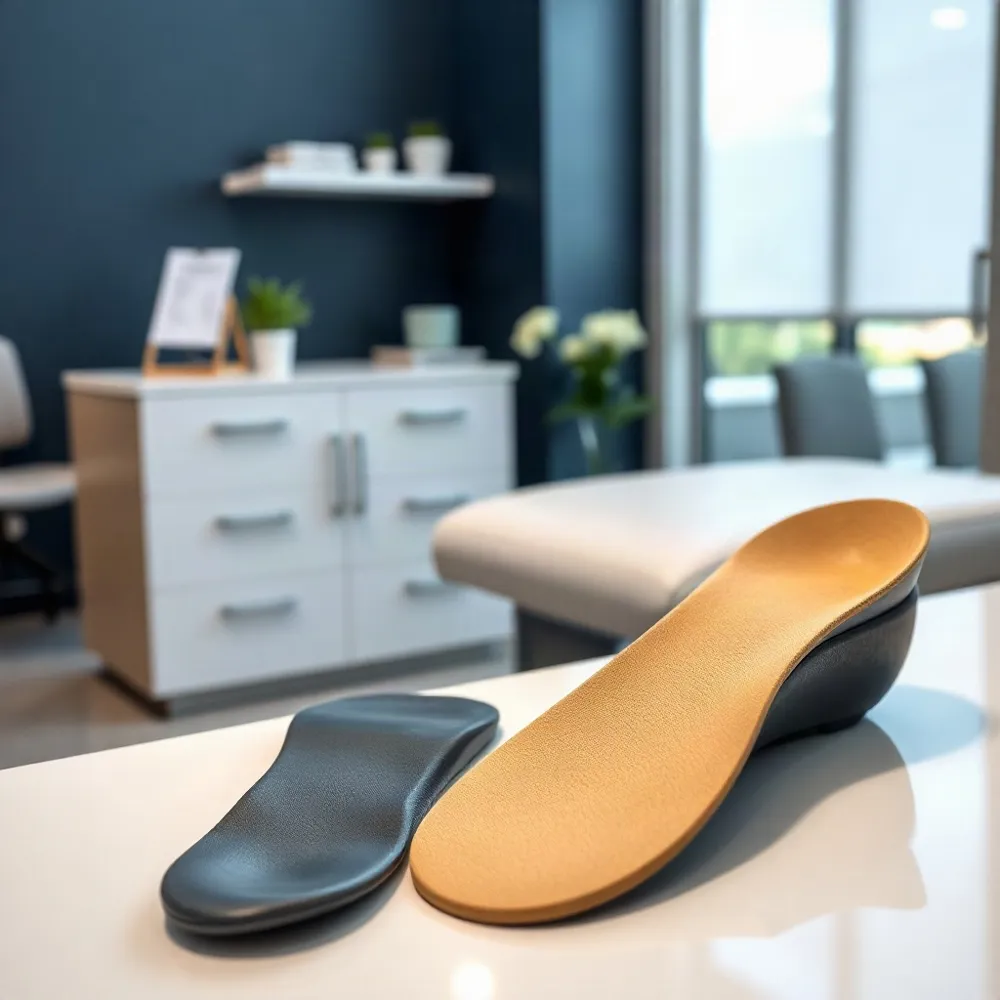 Ready-made inserts provide general cushioning or arch support and are easy to buy, usually at a lower initial cost. Prescription custom orthotics are made to match an individual’s foot contours and the way their feet move. The American Podiatric Medical Association’s guidance on prescription orthotics explains that a podiatrist evaluates the feet, ankles, and legs before prescribing a device.
An assessment may include a discussion of symptoms, examination of foot structure, and observation of gait. To capture the feet, a clinician may use a plaster mold, a foam impression, or computerized analysis that creates a three-dimensional image. At advancedfootcareil.com, custom support is considered within a podiatry assessment rather than selected from a shelf.
The prescription can address a particular diagnosis or movement need, with design choices intended to guide motion or redistribute pressure. Custom does not automatically mean effective, however: the diagnosis, prescription, fit, and instructions for use all matter. Hospital for Special Surgery’s advice on custom orthotics likewise cautions that an individualized device is not guaranteed to help if it is not appropriately prescribed.
For mild, occasional discomfort, an OTC insert may be a practical first option. Custom devices generally cost more, but they offer support tailored to the person’s feet and clinical needs. The choice should reflect symptoms and goals, not the assumption that the more expensive option is always better.
Support for Heel Pain and Flat Feet
For plantar fasciitis, an insert that supports the arch and cups the heel may spread pressure more evenly across the foot. This can reduce strain on the plantar fascia, the band of tissue along the sole, and may ease symptoms during walking. Orthotics manage symptoms rather than cure the underlying condition, as Cleveland Clinic explains.
For some people with flat feet, arch support and motion control may help limit excessive inward rolling and reduce stress on foot and ankle tissues. The right amount and type of support depend on the person’s symptoms and foot mechanics. At advancedfootcareil.com, a podiatry assessment can help determine whether general support is sufficient or individualized orthotics are appropriate.
A store-bought insert may be a reasonable first step for mild symptoms. If pain persists or worsens, a clinician can assess the cause and consider a custom device shaped to the feet and their movement. Custom orthotics do not necessarily change foot structure permanently, and they are only one part of care, which may also include footwear changes, exercises, or other treatment.
Evidence for orthotics in adults with flat feet remains uncertain: studies reviewed by Cleveland Clinic did not clearly establish a benefit, though they did not indicate harm. Persistent or severe pain deserves an assessment rather than relying on an insert alone.
For background on choosing footwear and support when managing plantar fasciitis, see the role of footwear and orthotics.
How a Podiatrist Assesses Fit
Choosing support starts with understanding what is causing the discomfort, not simply matching an insert to an arch. A podiatrist asks about symptoms, health history, activity, footwear, and previous injuries or foot conditions, then examines the feet and ankles.
The assessment may include checking foot structure, joint movement, pressure points, and walking pattern. Gait and footwear can show how the feet move and where support may be needed. A podiatrist’s orthotic assessment may also help identify whether another cause needs attention.
Findings guide whether to try an over-the-counter insert or consider a prescription device. If custom orthotics are appropriate, a clinician may capture the foot with a mold, foam impression, or digital scan. At Advanced Foot Care, evaluation and treatment are part of a podiatry practice.
Comfort, Adjustment, and Possible Problems
 Orthotics can feel unfamiliar at first because they change how the foot is supported and moves. Temporary soreness or pressure may occur during adjustment, but persistent discomfort can signal that the device or shoe fit needs attention.
A poorly fitting or unsuitable insert may shift pressure to another area and worsen pain. A bulky device can also make a shoe feel tight, increasing friction and the chance of blisters or irritation. Choose footwear with enough room for the orthotic, and check that it sits flat without crowding the toes.
Follow the prescribing clinician’s wear-in instructions, increasing wear gradually as comfort allows rather than using the device for a full day immediately. Adjustment can take time: Cleveland Clinic notes that it may take up to a month, and a provider can advise how to use orthotics during this period.
Inspect your feet for persistent redness, pressure spots, blisters, numbness, or skin breakdown. Stop wearing the device and contact a podiatrist if pain worsens or these changes occur, rather than assuming they will resolve on their own. At advancedfootcareil.com, a podiatrist can assess whether symptoms relate to fit, footwear, or another cause and advise on next steps.
Lifespan, Cost, and Coverage
How long do custom orthotics typically last? Store-bought inserts may lose support after a few months, while prescription orthotics can last for years. Neither lifespan is guaranteed: materials, how often and intensely the device is used, care, and changes in body weight or foot function can all affect durability. Cleveland Clinic’s orthotics guidance recommends regular cleaning and avoiding extreme temperatures.
Check the device periodically for cracks, flattening, or a fit that has changed. If it no longer feels helpful or symptoms return, a podiatrist can assess whether it needs adjustment or replacement. The clinic’s guide to orthotic lifespan and care offers more on how use and maintenance affect durability.
Are custom orthotics worth the cost, and may insurance cover them? They generally cost more than retail inserts, but may be appropriate when an evaluation identifies a specific need; an OTC option may be sufficient for some people. Prices and insurance benefits vary by provider and plan. The American Podiatric Medical Association’s information on prescription orthotics notes that coverage may be available, but it is not universal.
Before ordering, ask the podiatrist at advancedfootcareil.com about the total cost, follow-up visits, and possible adjustments. Check with your insurer about plan requirements, including whether medical-necessity documentation is needed. The clinic’s podiatric care is led by an experienced surgeon, so discuss your symptoms and treatment options before committing to a device.
Other Ways to Manage Foot Pain
Orthotics are one option for managing foot pain, not a stand-alone answer for every cause. Supportive shoes that fit well, temporary changes to activities that aggravate symptoms, and rest may help reduce pressure while the foot recovers. The right footwear depends on the person’s needs and the activity.
A clinician may recommend stretching or exercises alongside an insert, depending on the diagnosis. For example, care for plantar fasciitis may include stretching as well as footwear guidance and other measures. Orthotics can manage symptoms, but they do not cure every underlying condition, as Cleveland Clinic’s orthotics guidance explains.
At advancedfootcareil.com, a podiatrist can assess symptoms and foot function to help identify an appropriate care plan, rather than relying on an insert alone. Severe, persistent, or worsening pain warrants professional evaluation. Treatment should match the diagnosed cause and the person’s overall health, not a one-size-fits-all approach.
Choose Support Based on Need
Over-the-counter inserts offer convenient cushioning or light support for some mild symptoms. Custom orthotics are prescribed after an assessment and tailored to an individual’s feet and movement needs, rather than chosen from a general size range. Neither option is right for everyone.
A custom device does not guarantee relief: its value depends on an appropriate diagnosis, design, and fit. Orthotics can help manage symptoms, but they do not cure every underlying condition. A podiatrist can help determine whether an insert, a prescribed device, or another approach makes sense.
If pain persists, worsens, or affects walking, seek a professional evaluation instead of relying on a store-bought insert alone. Cleveland Clinic’s guidance on orthotics recommends assessment when symptoms continue or become more severe. At advancedfootcareil.com, foot and ankle care is led by an experienced surgeon, with clinic locations in NW Chicago and South Florida.