Protecting Your Surgical Recovery
After foot surgery, weight-bearing instructions help protect healing bone, soft tissue, repairs, and incisions. Putting pressure on the foot too soon can disrupt healing, including the bone’s ability to heal around plates or screws. Non-weight-bearing guidance from the American Orthopaedic Foot & Ankle Society explains why even brief contact with the floor may matter.
Your treating surgeon sets the plan based on the procedure and how your foot is healing. Restrictions may range from keeping the foot completely off the ground to gradually increasing weight, but general timelines cannot determine what is safe for you. At advancedfootcareil.com, postoperative care is grounded in individualized foot and ankle treatment, so follow your surgical team’s directions and ask before changing your activity.
Know Your Weight-Bearing Instructions
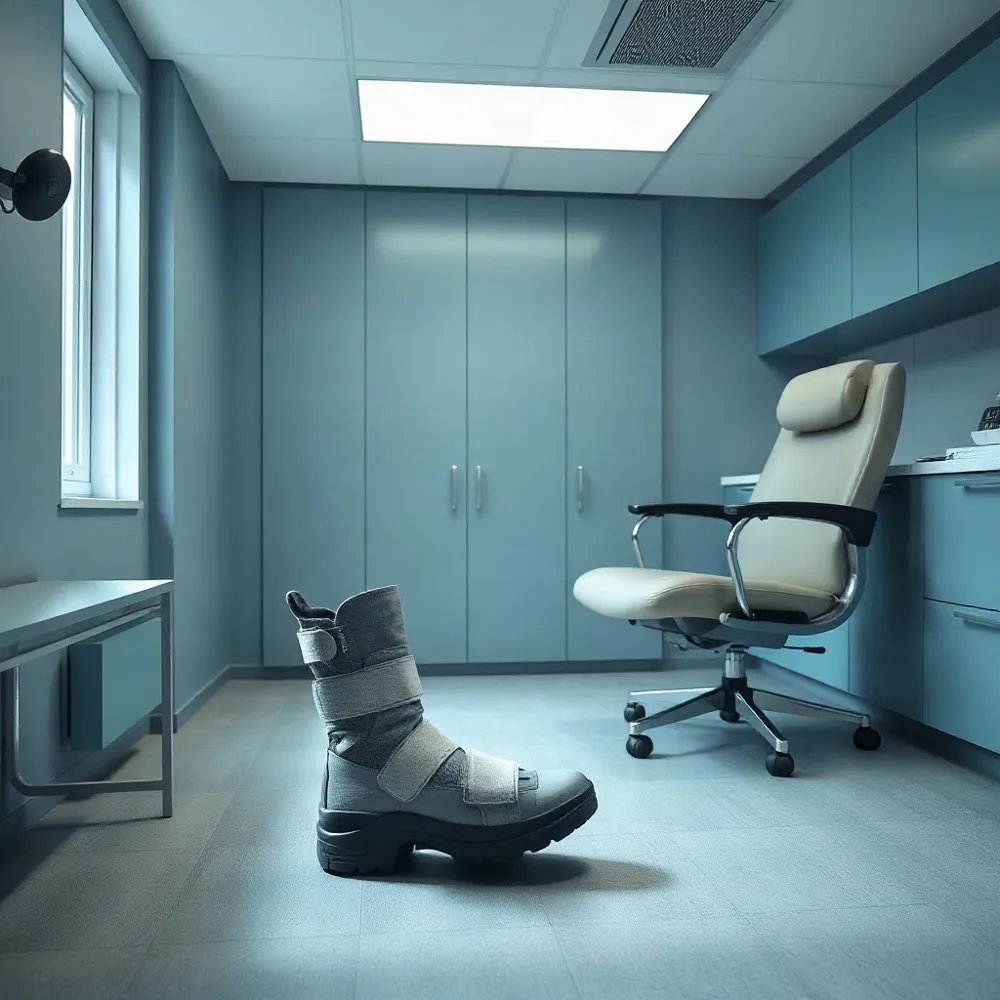 Your care team’s instructions describe how much, if any, weight you may place on the operated foot. Non-weight-bearing means keeping it completely off the floor and placing no body weight on it, even briefly while standing or moving. This restriction may protect healing bones, repairs, and incisions, and help limit swelling. The American Orthopaedic Foot & Ankle Society’s guidance on non-weight-bearing explains why even a brief touch can load the foot more than intended.
Instructions can also allow toe-touch or touch-down contact for balance only, partial weight-bearing up to a specific amount, weight-bearing as tolerated, or full weight-bearing without a weight limit. These terms are not interchangeable. A boot may protect the foot, but wearing one does not mean you are cleared to place weight on it.
Even light contact can transfer more pressure than you expect. If an instruction is unclear, ask your surgeon what movements are allowed, how long the restriction applies, and which mobility aid to use. At advancedfootcareil.com, the care team provides individualized guidance for foot and ankle treatment, so patients can clarify their postoperative plan rather than guess at a timeline.
Do not advance to a different level because the foot feels better or someone else recovered on a different schedule. Your surgeon will determine when to change restrictions based on your procedure and healing.
Progress Only With Surgical Clearance
 How long you must keep weight off your foot depends on the procedure, how the repair is secured, and how healing is progressing. Some patients may begin protected walking relatively early, while bone cuts, fusions, and complex repairs can require longer restrictions. A published ankle-fracture trial found that selected patients could start weight-bearing earlier, but its findings do not apply to every operation or patient (NIHR Evidence summary). Do not use another patient’s timeline to decide when to walk.
Progression often moves from non-weight-bearing to partial, then fuller weight-bearing, but only after your surgeon assesses healing. Follow-up may include a physical examination and imaging, such as X-rays, before restrictions change. The Royal Orthopaedic Hospital describes review and possible adjustment after assessment, underscoring that clearance comes from the treating team (discharge advice following surgery).
A boot can protect and support the foot, but it does not by itself mean you may walk or determine how much weight you can place on it. Your surgeon may prohibit walking in the boot or permit a specific level of weight-bearing while you continue using crutches or another aid. At advancedfootcareil.com, an experienced surgeon leads care at clinics in NW Chicago and South Florida, including advanced, minimally invasive foot and ankle treatments. Ask your own surgical team to explain exactly what the boot allows. For more on individualized timelines, see recovery stages and weight-bearing.
Physical therapy may help rebuild strength, mobility, balance, and a safe walking pattern as loading increases. Some discomfort or swelling can occur with greater activity, but follow the prescribed pace and report sharp or worsening pain or significant swelling. Independent walking may take months, and full recovery can take longer after complex procedures. Your surgeon’s instructions take precedence over general estimates.
Make Daily Movement Safer
 Everyday tasks can be challenging when you need to keep weight off a foot. Use the mobility aid recommended by your surgical team, and keep the operated foot clear of the floor during standing, transfers, and pivots. Even light contact may place more pressure on the foot than you realize, as AOFAS guidance on non-weight-bearing after surgery explains.
Crutches, a walker, wheelchair, knee scooter, or seated scooter may help you follow your restriction. The right choice depends on your balance, upper-body strength, abilities, and home layout. A physical therapist can help you select and use an aid safely. Guidance from a foot and ankle surgeon at advancedfootcareil.com also emphasizes preparing your home and using prescribed devices during recovery.
Before moving around, clear walking routes, keep your aid and frequently used items within reach, and limit unnecessary trips. Arrange help with meals, shopping, bathing, or chores that feel unsafe. Wear your prescribed cast or boot while moving, and follow your care team’s instructions for keeping dressings dry.
Ask your surgeon or physical therapist how to manage specific tasks, such as getting on and off a toilet or entering a shower, without breaking your restriction. Use recommended grab bars or a sturdy seat, and request help if you feel unsteady. If a task remains difficult, contact your care team rather than risking a fall or placing weight on the operated foot.
Respond Carefully to Missteps
A brief accidental step on a foot that must remain non-weight-bearing does not automatically mean the repair is damaged. Sit or lie down, protect and elevate the foot, then return to the prescribed plan. Do not take another step to test it. The American Orthopaedic Foot & Ankle Society explains that even light contact can put more pressure through the foot than a person realizes, so use your prescribed mobility aid to keep it off the ground (non-weight-bearing guidance).
Contact your surgeon or podiatrist for individualized advice, especially after recent surgery or a fracture. If you removed your walking boot too soon, put it back on as instructed and avoid weight-bearing unless your care team has cleared it. Do not change the boot’s settings or tighten it more than usual to compensate. Call the surgical office if you walked without the boot or are unsure what to do next.
Seek urgent medical care for severe or worsening pain, sudden swelling, bleeding, incision changes, numbness, or a change in foot color or temperature. Follow your postoperative instructions and keep scheduled follow-up appointments; your clinician can determine whether the incident needs an examination.
If you are unsure how to use crutches, a scooter, or other prescribed aid after a misstep, ask your care team for help rather than adjusting your activity on your own. These tips for using assistive devices can support safer movement while you follow your restrictions.
Monitor Pain and Other Warning Signs
Some discomfort can occur when you begin putting weight on your foot, particularly after a period of rest or immobilization. Follow your surgeon’s instructions, increase activity only as directed, and do not push through significant or worsening pain. If soreness or swelling increases, pause, rest, and elevate the foot. For more on managing discomfort during recovery, see postoperative pain and swelling care.
How long should you elevate your foot after surgery?
During the first few days, elevate your foot above heart level as much as possible while resting to help limit swelling and discomfort. Your surgeon may give you a specific schedule, so follow that guidance. Continue elevating after activity or whenever aching and swelling increase; hospital discharge guidance notes that swelling may persist during recovery.
What warning signs after foot surgery should prompt a call?
Contact your surgical team promptly about severe, worsening, or persistent pain; spreading redness or warmth; increasing swelling; drainage; fever; ongoing bleeding; or new difficulty moving your toes. Sudden numbness, tingling, or weakness also warrants a call. Calf pain or marked leg swelling needs urgent medical evaluation. Sudden shortness of breath or chest pain requires emergency care.
A temporary increase in discomfort as activity resumes does not by itself show that the repair has failed, but symptoms should not be dismissed. Follow the individualized recovery plan provided by your surgeon at advancedfootcareil.com, and seek advice if symptoms worsen or do not improve with rest and elevation.
Factors That Can Shape Healing
Recovery after metatarsal surgery or an operation involving plates and screws depends on the injury and the repair. The fracture’s location, severity, alignment, and blood supply can affect healing; some areas, including the base of the fifth metatarsal, may heal more slowly. The fixation method and stability of the repair also help determine when weight-bearing can begin.
Bone cuts, fusions, and tendon repairs often require more healing time than some soft-tissue procedures. Smoking, diabetes, circulation problems, nutrition, and overall health can also influence recovery. Following instructions for immobilization, wound care, and gradual activity matters. Follow-up examination and imaging help the surgeon assess healing and adjust the plan. For more on how the procedure shapes recovery, see this foot surgery recovery timeline.
Numbness or tingling may improve within days or weeks if caused by temporary irritation or swelling, but recovery varies with the cause and degree of nerve involvement. Persistent or worsening symptoms, new weakness, or loss of movement should be assessed by your surgeon.
General timelines and research findings cannot predict an individual result or replace your surgeon’s postoperative plan. Keep scheduled follow-up visits and ask the care team before changing weight-bearing or activity.
Let Healing Set the Pace
Protect the repair by using prescribed mobility aids and footwear, keeping follow-up appointments, and increasing weight-bearing only when your surgeon clears you. Instructions are specific to the procedure and your healing, so do not change them based on a general timeline or someone else’s experience.
If you are unsure what a restriction means, or a new symptom concerns you, contact your care team for guidance. Clear answers can help you move safely through recovery without guessing about how much weight your foot can bear. The Royal Orthopaedic Hospital’s discharge advice likewise emphasizes following the treating team’s instructions.