Introduction to Preparing for Foot Surgery
The Importance of Preparation
Preparing for foot and ankle surgery is a critical step that can significantly influence the success of the procedure and recovery experience. It allows patients to understand their surgical options, anticipate recovery timelines, and make informed decisions.
Consultation with Surgeon
A thorough consultation with a foot and ankle specialist is essential. Patients can discuss their specific condition, surgical techniques involved, potential hardware use, and receive personalized guidance tailored to their health needs.
Understanding Procedure and Recovery Expectations
Knowing the details of the planned surgery and what to expect during recovery—such as non-weight-bearing periods, pain management, and postoperative care routines—helps set realistic goals and eases anxiety.
Overview of the Article Contents
This article section will cover key preparation steps including medical evaluations, medication adjustments, home environment modifications, assistive devices, and mental readiness. It emphasizes how comprehensive preparation facilitates smoother surgery and optimal healing outcomes.
Preoperative Planning and Medical Preparations
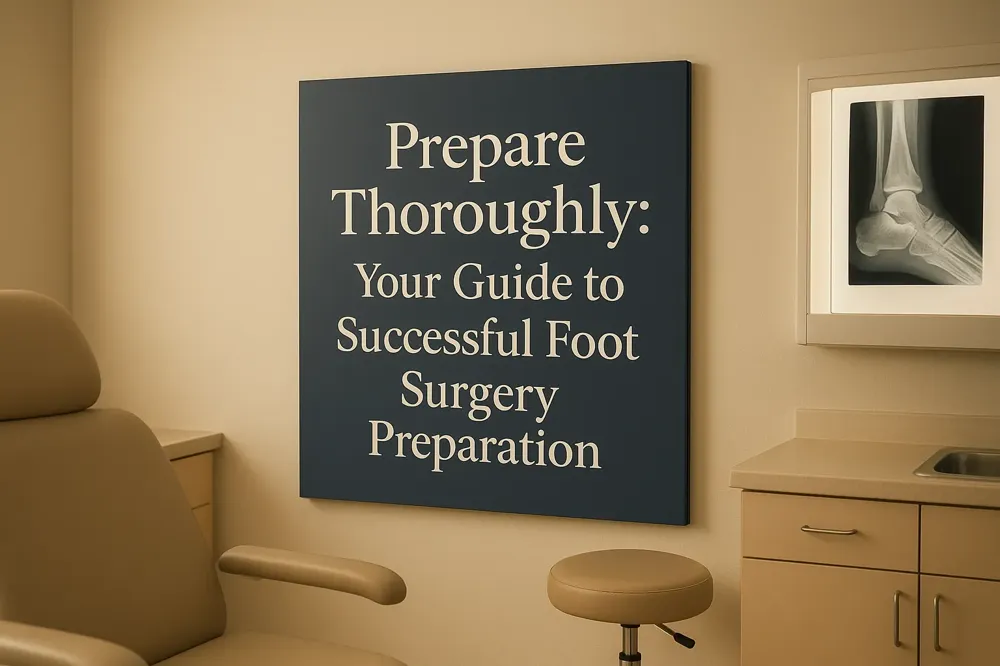
How should I prepare for foot surgery?
Preparation for foot surgery begins with a thorough consultation with your surgeon. This visit is crucial for discussing the surgical procedure, expected outcomes, potential risks, and any hardware that may be used, such as screws or plates. Clear communication during this phase helps tailor the procedure to your specific needs and sets realistic recovery expectations. For more details, see Consulting a foot and ankle specialist.
What pre-surgical medical evaluations and testing are needed?
Comprehensive preoperative medical evaluations typically include blood work, electrocardiograms (EKGs), and imaging studies like X-rays. These tests assess your overall health and readiness for surgery, especially important for patients with pre-existing conditions such as diabetes or heart disease. Medical clearance from your primary care provider or specialists may be required to ensure safe anesthesia administration and minimize complications.
How should medications be managed before surgery?
Your medical team will advise on medication management, which often involves temporarily discontinuing drugs that increase bleeding risk. Common medications to stop include aspirin, nonsteroidal anti-inflammatory drugs (NSAIDs), certain steroids, hormone replacement therapies, and specific diabetic medications like metformin. Always consult your surgeon before stopping any medication.
Why is nicotine cessation important?
Nicotine use impairs blood circulation and significantly increases the risk of delayed wound healing, infections, and blood clots after surgery. Discontinuing all nicotine products well in advance of your operation improves surgical outcomes and accelerates recovery.
What should I know about insurance and financial considerations?
Understanding your insurance coverage is vital. Verify that your surgeon, surgical facility, and anesthesiologist are in-network to avoid unexpected costs. Pre-authorization may be necessary and requires sending documentation, such as medical records and letters of medical necessity. Clarify deductibles, copayments, and any out-of-pocket expenses with your provider's billing office ahead of time.
Proper preoperative planning, including thorough medical evaluation, medication management, lifestyle adjustments like nicotine cessation, and financial preparedness, forms the foundation of a successful foot surgery and recovery.
Day of Surgery: What to Expect and How to Prepare

Arrival and Check-In Procedures
Patients should plan to arrive at the hospital or surgical center about one to a few hours before their scheduled Arrival time before surgery. Upon arrival, they will complete registration and meet with the pre-surgical nursing staff or physician's assistant for a physical exam and an IV placement for fluids and medications. Early arrival helps reduce stress and ensures ample time to complete all Day of surgery procedures.
What Documents and Items to Bring
Patients are advised to bring essential documents including their medical insurance card, a valid photo ID (such as a driver's license or passport), a complete List of medical conditions and medications with dosages, immunization records if applicable, and any Pre-surgical test results. It is also helpful to bring a small amount of cash and personal items needed for comfort or post-surgical care.
Clothing Recommendations
Wearing loose, comfortable clothing on surgery day is important to accommodate post-surgical dressings, splints, or boots. Comfortable shoes that are easy to slip on, especially Supportive non-slip shoe for non-surgical foot, should be worn. Jewelry, makeup, and nail polish should be avoided to facilitate monitoring and sterilization processes.
Types of Anesthesia
Foot and ankle surgeries may involve General anesthesia details, Regional anesthesia benefits, Types of regional anesthesia. Regional anesthesia is common and offers benefits such as prolonged pain relief and fewer side effects like nausea. The anesthesia team will discuss the most suitable option based on the Anesthesia options for foot and ankle surgery.
Hospital Stay Duration and Immediate Post-Op Care
Most foot and ankle surgeries are outpatient procedures allowing patients to return home the same day after recovery. However, some cases require an inpatient stay, especially for more complex surgeries or if medical conditions necessitate closer monitoring. Post-op care includes pain management, elevation of the operated limb to reduce swelling, and instructions on Safe mobility with assistive devices.
Communication with Surgical and Anesthesia Teams
Before surgery, patients will meet the Surgeon and anesthesia team involvement to review the surgical plan, anesthesia procedures, and address any last-minute questions or concerns. Open communication is encouraged to ensure patients are fully informed and comfortable with the process.
Postoperative Care Essentials: Managing Pain, Swelling, and Mobility

Pain management strategies including medications
Effective pain control begins immediately after surgery. Patients should take prescribed pain medications proactively to prevent pain buildup. Additionally, antibiotics to prevent infection post-surgery may be prescribed. Non-pharmacologic methods such as foot elevation and ice therapy can complement medication use to reduce discomfort. For more detailed advice, see pain management strategies post foot surgery.
Elevation and icing to reduce swelling
Elevating the operated foot above heart level is crucial for minimizing swelling and pain. This should be done consistently for several weeks, often 2-3 months depending on surgery complexity. Ice therapy applied daily can decrease inflammation and improve comfort.
Importance of avoiding weight bearing initially
Patients must strictly avoid placing weight on the operated foot until cleared by their surgeon. Weight bearing too early can disrupt bone healing, increase pain, and cause complications. Assistive devices are often necessary during this non-weight-bearing period.
Use of assistive devices (crutches, walkers)
Crutches, walkers, or knee scooters are typically prescribed to prevent weight bearing. Preoperative physical therapy benefits may be recommended to teach patients how to use these aids safely. These devices help maintain mobility while protecting the surgical site.
Early mobility exercises and physical therapy
Once cleared by the surgeon, patients engage in range of motion and strengthening exercises to reduce stiffness and regain function. Physical therapy programs may include ankle pumps, gluteal squeezes, heel slides, and straight leg raises, tailored to individual progress. Additional information can be found at physical therapy exercises after foot surgery.
Monitoring for complications
Patients should be vigilant for warning signs such as increasing pain, fever, excessive drainage, spreading redness, or calf pain. Prompt medical attention is essential if these occur to avoid serious complications. See recognizing warning signs after surgery.
Follow-up appointments
Regular follow-up visits, typically within one to two weeks post-surgery, allow the surgeon to assess healing, remove dressings or stitches, and adjust treatment plans. Continued monitoring ensures optimal recovery and timely intervention if needed.
What should I not do after foot surgery?
- Do not bear weight on the operated foot until authorized (weight-bearing restrictions post-surgery).
- Avoid getting casts or dressings wet or dirty.
- Do not remove or change bandages yourself.
- Refrain from strenuous activities or heavy lifting.
- Do not ignore symptoms like severe pain, fever, or signs of infection (when to seek medical attention after surgery.
Tips for recovering from foot surgery
- Rest adequately and keep the foot elevated (post-surgery swelling and tenderness).
- Take medications as prescribed.
- Maintain hygiene to prevent infections.
- Use assistive devices as instructed (post-surgical assistive devices).
- Follow physical therapy regimens.
- Attend all scheduled follow-up appointments.
This comprehensive care approach optimizes healing and helps patients regain mobility safely after foot and ankle surgery.
Home Preparation and Support Systems for Recovery

What do I need at home after foot surgery?
After foot surgery, creating a safe and accessible home environment is essential to support recovery and prevent injury.
Modifying Home Environment for Safety and Accessibility
- Set up a recovery station on the main floor, such as a comfortable chair or sofa, that allows elevation of the operated foot to reduce swelling. (Preparing a ground floor bedroom for surgery recovery)
- Install grab bars in key areas like the bathroom to assist with mobility and reduce fall risk. (Prepping your home for foot surgery)
- Remove trip hazards such as loose rugs, clutter, and electrical cords throughout the home. (Preparing your home for foot surgery recovery
- Use non-slip mats in the bathroom and consider a shower chair or raised toilet seat to enhance safety and convenience. (Preparing a ground floor bedroom for surgery recovery
- If your home has multiple levels, arrange to sleep and carry out daily activities on the ground floor to avoid stairs. (Preparing a ground floor bedroom for surgery recovery
Setting Up a Recovery Station with Essentials
- Keep essentials like medications, water, snacks, and personal items within easy reach. (Prepping your home for foot surgery
- Have entertainment options available such as books, puzzles, or electronic devices to support mental well-being. (managing boredom during recovery)
- Ensure a phone charger and emergency contacts are easily accessible. (Preparing a ground floor bedroom for surgery recovery
Arranging Transportation and Caregiver Support
- Coordinate with family, friends, or professional caregivers to assist with transportation to medical appointments and daily tasks. (Arranging help from friends and family)
- Plan for someone to stay with you during the initial 24 to 48 hours post-surgery due to anesthesia effects. (Post-operative care and recovery plan)
Stocking Up on Food and Medications
- Prepare and store easy-to-prepare nutritious meals to minimize the need to cook during early recovery. (Meal preparation before surgery)
- Stock up on prescribed and over-the-counter medications to avoid interruptions in pain management or infection prevention. (Bring prescriptions, OTC drugs, supplements
Suggestions for Activities and Mental Well-being
- Engage in low-effort activities like watching movies, reading, puzzles, or hobbies to manage boredom and support emotional health. (managing boredom during recovery
- Set realistic recovery goals and maintain regular communication with your support network for encouragement and assistance. (Support systems for post-surgery care
Proper home preparation and support systems are critical to promoting safe recovery, minimizing complications, and enhancing comfort during your journey after foot surgery.
Understanding Recovery Timeline and Walking After Surgery
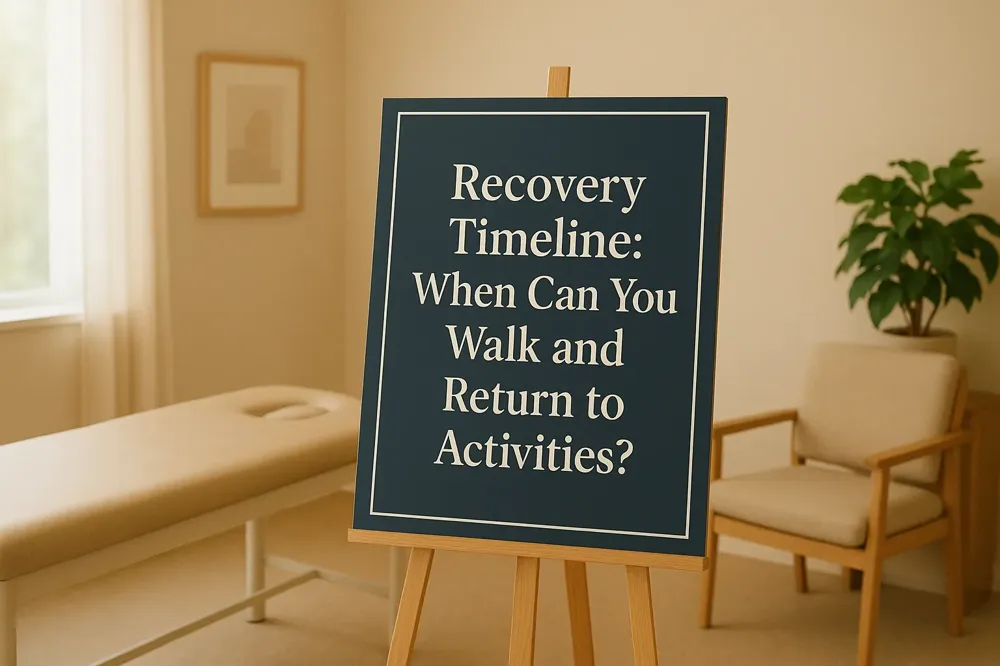
Typical Recovery Durations
Recovery after foot and ankle surgery recovery varies widely based on the procedure type and individual healing. Most patients experience considerable swelling and tenderness lasting 3 to 4 months. Complex surgeries may extend recovery to 6 months or more, with full functional return possibly taking up to a year.
When Can I Start Walking After Foot Surgery?
Immediately after surgery, weight bearing on the operated foot is typically prohibited to prevent complications and promote healing. Walking aids such as crutches, walkers, or knee scooters are commonly used for 2 to 6 weeks depending on the extent of surgery and surgeon instructions. Early Non-weight bearing foot instructions training often helps smooth transition to walking when allowed.
Importance of Following Surgeon’s Instructions on Weight Bearing
Strict adherence to your surgeon’s guidance regarding weight bearing is crucial. Premature or excessive loading can cause setbacks like failed healing, hardware failure, or infections. Typically, gradual progression to partial and then full weight bearing under supervision ensures optimal outcomes.
Use and Duration of Assistive Devices
Assistive devices facilitate mobility and fall prevention during recovery. Devices such as crutches or walkers are usually needed for the initial 2 to 6 weeks. Their duration depends on patient strength, balance, and surgical protocol. Learning correct use pre- and post-operatively improves safety.
Return to Normal Footwear and Activities
Returning to regular shoes is generally delayed until swelling resolves and the foot has sufficiently healed, often 8 to 16 weeks post-surgery. Patients should select footwear with adequate toe room, low heels, and good support initially. Full activities, including work and exercise, are progressively resumed over months following physical therapy and surgical clearance.
Signs of Complications to Watch For
During all recovery phases, monitoring for complications is essential. Warning signs include increasing pain despite medication, fever, redness, excessive drainage from the wound, or calf pain indicating potential blood clots. Prompt medical assessment is critical if these arise.
Maintaining communication with your surgical team throughout recovery ensures tailored guidance based on your unique procedure and progress, helping secure successful healing and return to function.
Recommended Clothing and Practical Tips for Surgery Day and Recovery
What clothes should I wear after foot surgery?
After foot surgery, patients should choose loose-fitting, comfortable clothing such as shorts or sweatpants without elastic cuffs. This allows easy accommodation for bulky dressings, splints, or casts on the foot, ankle, or lower leg. Wearing such attire minimizes discomfort and swelling risks.
A supportive, non-slip shoe for the non-operated foot is important for stability and safe mobility when using assistive devices for surgery like crutches or walkers. It is advisable to bring these devices to preoperative appointments to practice and ensure proper fit.
On surgery day, patients should also focus on personal hygiene by showering beforehand and removing any toenail polish. They should strictly adhere to fasting before surgery instructions, typically refraining from eating or drinking after midnight to minimize anesthesia risks.
Carrying necessary documents such as identification, insurance cards, medication lists, and test results, along with assistive devices, will streamline the surgical process and contribute to a smoother recovery journey.
Ensuring a Smooth Surgical Journey and Successful Recovery
Importance of Preparation and Adherence to Medical Advice
Preparing thoroughly before foot and ankle surgery is critical to achieving optimal outcomes. Patients should compile detailed medical histories, including all medications and supplements, and discuss potential adjustments with their surgical team. Adhering closely to preoperative instructions—such as fasting, medication cessation, and smoking cessation—helps minimize complications.
Staying Informed and Engaged with Healthcare Team
Engaging actively with your healthcare professionals fosters understanding of your surgical procedure and recovery plan. Prepare questions in advance and participate in discussions regarding surgical details, postoperative care, pain management, and mobility aids. This collaboration ensures personalized care tailored to your health status.
Balancing Physical and Emotional Recovery
Physical healing after foot surgery involves rest, elevation, pain control, and gradual mobility supported by physical therapy. Equally important is emotional well-being; acknowledging the recovery timeline, managing expectations, and seeking support can alleviate feelings of frustration or isolation.
Final Encouragement for Patients Undergoing Foot Surgery
Foot and ankle surgery demands patience and active participation in your recovery process. By embracing preparation, communication, and balanced care, patients empower themselves to achieve the best possible surgical outcomes and return confidently to daily activities.