Why Your Workday Shoes Matter More Than You Think
When you spend eight hours on your feet, the wrong shoes do more than cause minor aches. They can contribute to plantar fasciitis, bunions, and joint strain that lingers long after your shift ends. Understanding what actually makes a shoe supportive helps you avoid these problems before they start.
The most critical feature is arch support that matches your foot's natural curve. Shoes with firm, contoured midsoles distribute weight evenly across your foot, reducing pressure on the heel and ball. Podiatrists recommend looking for a rigid heel counter that stabilizes your foot during standing and walking, as noted in the Best Shoes for Standing All Day 2026 guide.
Cushioning matters, but not all cushioning is equal. Thick, responsive foams like EVA absorb shock with each step, while memory foam molds to your foot for a custom feel. However, overly soft cushioning can collapse over time, so choose a shoe with a balance of plushness and support. The Fleet Feet buyer's guide emphasizes that dense foam in the heel and forefoot offers the best long-term comfort.
Fit Features That Prevent Pain
A wide, soft toe box allows your toes to splay naturally, preventing bunions and hammertoes. Avoid narrow, pointed shoes that compress your foot. Adjustable closures, like laces or straps, let you customize the fit, especially if your feet swell during the day. The Footwear Choices that Promote Long-Term Foot Health article highlights that a snug heel and roomy toe box reduce friction and pressure points.
Consider the outsole's grip and flexibility. A shoe that bends at the ball of your foot but stays firm under the arch supports natural walking motion and reduces fatigue. Non-slip outsoles are essential for slippery surfaces common in kitchens, hospitals, or factories. For a deeper look at how these features apply, the Best Shoe Features for Preventing Foot Deformities guide breaks down each element.
| Feature | Why It Matters | What to Look For |
|---|---|---|
| Arch support | Distributes weight, reduces strain | Firm, contoured midsole |
| Cushioning | Shock absorption, comfort | Dense foam, not too soft |
| Toe box | Prevents deformities | Wide, roomy for splaying |
| Heel counter | Stability during standing | Rigid, snug fit |
| Outsole | Grip and flexibility | Non-slip, bends at ball |
Key Features of the Best All-Day Standing Shoes
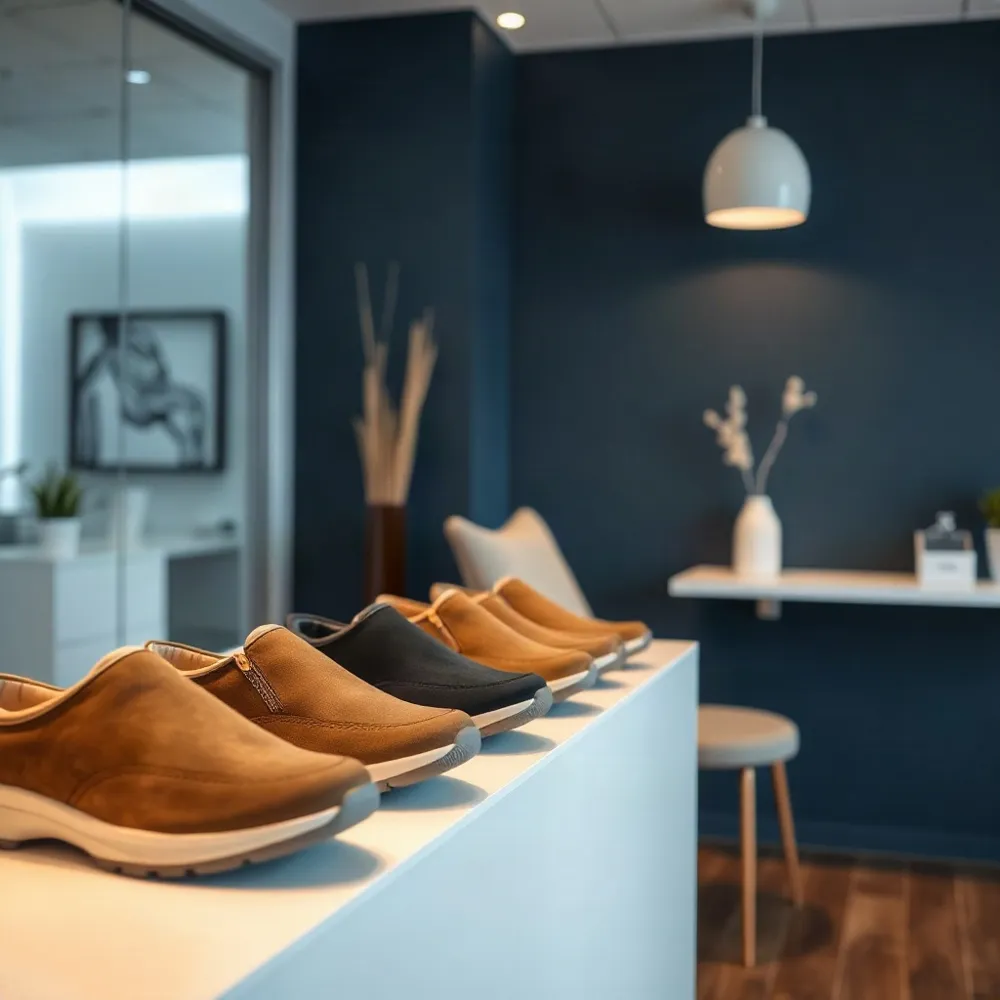 Standing all day puts steady, sustained pressure on your feet, and the right shoe can be the difference between finishing your shift pain-free or limping home. Podiatrists point to a few core features that separate a genuinely supportive shoe from one that just looks the part. Cushioning is the most obvious starting point, but it has to be the right kind. Thick, pliable midsoles made from foams like EVA or polyurethane absorb shock with every step, which reduces the force that travels up through your ankles, knees, and lower back. A firm heel counter adds stability by locking your heel in place, preventing the excessive rolling that leads to arch strain. And the toe box matters just as much: a wide, roomy front allows natural toe splay instead of crowding your toes into a tapered shape that can encourage deformities. For a deeper look at how these features come together, check out our guide on the best shoes for standing all day.
How Fit and Support Work Together
Beyond the cushioning materials, the shoe's overall fit is what determines whether those features actually help. A shoe that is too loose allows your foot to slide forward with each step, which strains your toes and the ball of your foot. One that is too tight restricts blood flow and can cause numbness or blisters. Look for a secure heel fit, a snug but not constricting midfoot, and enough space in the toe box to wiggle your toes freely. Adjustable closures, whether laces, straps, or Velcro, let you fine-tune the fit throughout the day as your feet naturally swell. This kind of adjustability is a feature podiatrists specifically recommend, and our footwear buying guide breaks down what to check in the store.
It's also worth remembering that no single shoe works for every foot type. A high arch needs different support than flat feet, and a shoe that feels great in the morning might feel different by late afternoon. The best approach is to try shoes on at the end of the day when your feet are at their largest, wear the same socks you plan to use for work, and walk around to test for any pressure points. If you want a more structured starting point, the best shoes for standing all day offer a practical list of models that perform well under sustained pressure.
Why the Right Shoes Matter for Your Feet
The shoes you wear to stand all day are more than a comfort preference; they are a daily decision that directly affects your foot health. Over time, unsupportive footwear can contribute to plantar fasciitis, heel spurs, bunions, and other conditions that podiatrists treat regularly. Investing in a quality pair now is far cheaper and less painful than treating a chronic issue later. For more detailed guidance on the specific shoe features that protect your feet, our article on shoe features for foot health walks through each element in depth.
HOKA Clifton 10: Best Overall for All-Day Wear
 Standing all day isn't about a single posture. It's a sequence of small micro-shifts, weight transfers, and quiet compensations your body makes every few seconds. Over an eight-hour shift, those micro-movements add up. Shoes that lock your foot in a rigid, neutral position ignore that reality. The most comfortable option isn't necessarily the stiffest or the most cushioned one. It's the shoe that works with your natural gait and foot mechanics, not against them.
Podiatrists consistently point to a few non-negotiable features: a wide toe box that lets your toes splay, a firm heel counter that holds your foot in place, and a midsole that absorbs shock without being so soft that it destabilizes you. A massive, stable base matters too. The HOKA Clifton 10 is a standout example. Its wide 116.9/94.5 mm heel-to-forefoot platform actively counteracts ankle collapsing and lateral wobbles, making it a top choice for all-day wear.
Arch Support. A shoe's arch should match your foot's natural curve. Overly high arches can push your foot outward, while too little support lets it roll inward. Look for a supportive arch that sits snugly under your midfoot without pressure points.
Cushioning. Thick midsole foams like EVA or polyurethane absorb impact. The key is finding a balance: too much softness can feel like walking on a pillow and cause instability, while too little leaves your joints pounding with each step.
Heel Counter. A rigid heel counter locks your heel in place, preventing excessive motion and reducing strain on your Achilles tendon and plantar fascia. This is especially important if you're prone to heel pain.
For a deeper look at what podiatrists actually recommend, the Best Shoes for Standing All Day guide from Yahoo Health breaks down top-rated options across comfort categories. Similarly, Fleet Feet's 2026 Buyer's Guide offers a detailed breakdown of what makes a shoe suitable for prolonged standing, from toe-box room to outsole grip.
The takeaway is simple: your shoes shouldn't just feel okay for the first hour. They should support your foot's natural mechanics through every hour of your shift. When you choose a shoe that matches your arch type and offers a stable, cushioned base, you're not just buying comfort. You're investing in the long-term health of your feet, knees, and lower back.
New Balance Fresh Foam X More v6: Maximum Shock Absorption
 When you spend hours on your feet, the right pair of shoes can mean the difference between energized legs and a day of fatigue. Understanding what makes a shoe truly supportive helps you filter through the noise and pick a pair that works with your body, not against it. Podiatrists consistently point to a few non-negotiable features that directly affect comfort and long-term foot health.
Cushioning and Shock Absorption
Shock absorption is the first line of defense against the repetitive impact of standing and walking on hard surfaces. Shoes with generous midsole cushioning, like the New Balance Fresh Foam X More v6, use advanced foam materials to disperse pressure away from the heel and forefoot. This is especially important because every step sends force up through your ankles, knees, and lower back. A well-cushioned shoe reduces that strain and keeps your joints happy throughout the day. For a deeper dive into what makes cushioning effective, check out this guide on shock absorption and midsole cushioning technology.
Arch Support and Stability
Your arches are the natural shock absorbers of your foot, but they need help. Look for shoes with firm arch support that matches your foot's unique shape, whether you have flat feet, high arches, or a neutral stride. Stability features, such as a structured heel counter and a supportive midfoot, prevent excessive pronation and keep your foot aligned. This reduces the risk of conditions like plantar fasciitis and Achilles tendonitis. Choosing footwear that supports your arch correctly is one of the smartest investments you can make for all-day wear.
Toe Box Space and Fit
A shoe can have the best cushioning in the world, but if the toe box is too narrow, you're in for a painful day. Your toes need room to splay naturally for balance and circulation. When shopping, press your thumb beside the ball of your foot; you should have about a half-inch of space. Also, pay attention to heel snugness. A secure heel prevents slipping and blisters, while a roomy toe box prevents bunions and hammertoes. Learning about the best shoe features for preventing foot deformities can guide you toward healthier choices.
Weight and Flexibility
Heavy shoes make your feet work harder with every step, leading to faster fatigue. Lightweight models allow for a more natural gait and keep you moving comfortably. At the same time, the shoe shouldn't be so stiff that it resists your foot's natural flex at the ball. A good test is to bend the shoe at the forefoot; it should give easily. Balancing weight and flexibility is crucial for all-day wear, especially if you're constantly on the move.
Breathability and Materials
Sweaty feet are more prone to blisters, fungal infections, and general discomfort. Look for shoes made from breathable or knit mesh materials that allow air to circulate and wick moisture away from your skin. This keeps your feet dry and cool, even during warm months or long shifts. Paired with moisture-wicking socks, the right upper material can significantly enhance your comfort level.
Choosing the Right Shoe for You
There's no one-size-fits-all answer when it comes to all-day shoes. Your foot type, activity level, and even the type of floor you stand on (hard tile versus carpet) all play a role. For a comprehensive look at matching your specific needs, explore this buyer's guide on shoes for standing all day. If you have chronic foot pain, consulting a podiatrist can provide personalized advice that goes beyond generic recommendations.
ASICS Gel Kayano 33: Top Stability Pick
When your job keeps you on your feet, the line between a good shoe and a great shoe shows up in the details. A shoe that feels fine for a short errand can become a source of arch fatigue, heel pain, and joint strain by hour six. The right support features matter most for people who stand or walk for most of their workday, and podiatrists consistently point to a few design elements that separate all-day comfort from temporary relief.
What to Look For in a Standing-All-Day Shoe
Cushioning. Thick, responsive midsole foam (like EVA or polyurethane) absorbs impact and reduces pressure on the ball of the foot and heel. Look for a shoe that feels plush underfoot without being so soft that it lacks stability. The best shoes for standing all day often feature dual-density foam that balances comfort with support.
Arch Support. A supportive arch that matches your foot's natural curve helps distribute weight evenly and prevents overpronation. This is especially important if you have flat feet or high arches. A firm, contoured footbed reduces strain on the plantar fascia and can help prevent conditions like plantar fasciitis.
Heel Counter. A rigid heel counter locks your foot in place and prevents excessive heel slippage, which reduces friction and the risk of blisters. It also improves overall stability when you're standing on hard surfaces. The best shoes for standing all day typically have a structured heel that feels snug but not tight.
Toe Box. A wide, soft toe box allows your toes to spread naturally, preventing crowding and reducing the risk of bunions and hammertoes. The Choosing the Best Footwear to Support Your Foot Health guide emphasizes that adequate toe space is non-negotiable for all-day wear. Shoes with a narrow toe box can compress nerves and lead to conditions like Morton's neuroma.
If you're comparing models, a few specific features consistently rise to the top. The best shoes for standing all day in 2026 often include a rocker sole that promotes a smooth heel-to-toe transition, reducing fatigue on the calf muscles. Breathable mesh uppers also help regulate temperature, which is essential when you're on your feet for hours and prone to sweaty feet.
How to Match Shoes to Your Foot Type
Your foot type plays a big role in which shoes will work best. People with flat feet need motion-control shoes with strong arch support and a firm heel counter, while those with high arches benefit from extra cushioning to absorb shock. A neutral shoe works well for most people with normal arches. The Footwear Choices that Promote Long-Term Foot Health and Comfort article recommends getting your foot type assessed, either by a professional or through a wet test at home, before making a purchase.
If you're standing on concrete or tile all day, the best all-day wear walking shoes tend to have a wider base and a more durable outsole. Slip-resistant soles are also a smart choice for kitchens, hospitals, or any environment where spills are common. Remember that even the best shoe will wear out over time; replace your work shoes every 300 to 500 miles of walking or every six months if you stand all day.
The Role of Professional Fitting
While online guides are helpful, nothing beats a professional fitting. A podiatrist can analyze your gait, measure both feet (they're often different sizes), and recommend specific models that address your unique foot mechanics. At Advanced Footcare, we provide personalized footwear recommendations as part of our treatment plans. Our team can help you find a shoe that not only feels comfortable but also supports your long-term foot health, reducing your risk of developing chronic conditions.
For those who stand all day, investing in a high-quality shoe is not an indulgence; it's a preventive health measure. The Best Shoes for Standing All Day 2026 guide highlights that proper footwear can reduce foot pain by up to 50% and prevent more serious issues down the line. Whether you're a nurse, a retail associate, or a chef, the right pair of shoes can make the difference between ending your shift feeling energized versus exhausted.
| Feature | Why It Matters | Ideal For |
|---|---|---|
| Max cushioning | Absorbs shock, reduces heel strike impact | High arches, heel pain |
| Firm heel counter | Stabilizes foot, prevents slippage | Flat feet, overpronation |
| Wide toe box | Allows natural toe splay, prevents bunions | Bunions, hammertoes |
| Slip-resistant outsole | Improves traction on wet or slippery floors | Restaurants, hospitals |
| Breathable upper | Reduces moisture, prevents blisters | Hot climates, all-day wear |
Ultimately, the best shoe for standing all day is one that fits well, supports your arch, and feels comfortable from the moment you put it on. Don't settle for a shoe that causes pain, thinking you'll "break it in." A properly fitted shoe should feel good immediately. If you're unsure where to start, consult a podiatrist who can guide you toward the right choice for your feet.
Other Podiatrist-Recommended Models to Consider
It is a frustrating reality of the footwear market that many brands lean into marketing claims that feel scientific but have little grounding in foot health. Podiatrists frequently point out that heavily advertised features like "maximum energy return" or "ultra-plush cloud foam" are often designed for a runner's forward motion, not for the static, prolonged loading that comes with standing all day. When you stand, your foot does not need to spring forward; it needs a stable base that distributes pressure evenly across the heel, arch, and forefoot.
The disconnect shows up in how some shoes are shaped. A narrow toe box that looks sleek on a shelf can crowd the toes into a pointed position, which over time contributes to bunions and hammertoes. Similarly, an excessively soft midsole that feels great for a short walk can allow the foot to sink into an unstable position during hours of standing, placing strain on the plantar fascia and Achilles tendon. This is why podiatrist-recommended models consistently prioritize a wide toe box, firm heel counter, and adequate arch support over trend-driven features.
Spotting Marketing vs. Medical Design
A useful rule of thumb is to look for what the shoe does for your foot, not what it claims to do for your performance. Medical-grade design focuses on the biomechanics of standing: a straight last, a rocker sole to ease the push-off phase if you walk during the day, and a heel that cups the foot to prevent excessive pronation. These are features you can feel, not just read about in a spec sheet.
For example, the HOKA Bondi 9 and the On Cloudsurfer Max are often cited in standing shoe guides for their plush yet stable cushioning, but what makes them work is the combination of a wide base and a firm heel counter, not just the softness of the foam. When you shop, test the shoe by standing on one foot for a few seconds; if your arch collapses or the shoe wobbles, it lacks the structural support your feet need.
Stability. A stable shoe has a firm heel counter and a wide base that supports the foot's natural alignment, preventing excessive inward rolling.
Cushioning. The right amount of softness absorbs shock without sacrificing support; too much of it can lead to fatigue and instability.
Toe box. A roomy toe box allows natural toe splay, reducing pressure on the toes and helping prevent deformities like bunions.
| Feature | Marketing Claim | Podiatrist's Concern |
|---|---|---|
| Ultra-plush foam | "Cloud-like comfort all day" | May offer too little support, leading to foot fatigue and instability |
| Narrow toe box | "Sleek, modern fit" | Crowds toes, increasing risk of bunions and hammertoes |
| High heel drop | "Energizes your stride" | Can shorten calf muscles and exacerbate Achilles tendon strain |
| Rocker sole | "Natural walking motion" | Can be helpful if designed well, but a poorly executed rocker can be unstable |
Ultimately, the best shoe for standing all day is one that feels stable, supportive, and roomy enough for your toes to move. If a pair of shoes makes your feet hurt after a few hours, no marketing claim will change that. For more guidance on choosing the right pair, check out our buying guide for all-day comfort shoes.
Fit Tips for Standing All Day: Prioritize Function Over Fashion
Finding the right fit for long days on your feet starts with understanding your own foot type. Whether you have flat arches, high arches, or something in between, the shoe features that support one foot may feel wrong on another. Matching the shoe's construction to your foot's natural shape helps prevent fatigue, blisters, and long-term strain.
Understanding Your Arch Type
Your arch type affects how your foot absorbs shock and distributes weight while you stand or walk. People with flat feet often need extra motion control and a firmer midsole, while those with high arches typically benefit from additional cushioning to offset limited natural shock absorption. A simple wet test or a professional gait analysis can reveal your arch type and guide your shoe selection.
For all-day standing, look for a shoe that matches your arch profile with a supportive insole. If you're unsure where to start, this podiatrist-recommended guide to healthy feet explains how to identify supportive features. You can also review this buyer's guide for standing all day to see how different arch types pair with specific shoe models.
Key Features by Foot Type
Flat feet. Opt for motion control or stability shoes with a firm medial post and a supportive arch. This helps prevent overpronation and reduces strain on the plantar fascia.
High arches. Choose maximum cushioning shoes with a soft, flexible midsole to absorb shock. A deep heel cup can also help stabilize the foot and reduce pressure on the ball and heel.
Neutral feet. Look for moderate cushioning and flexible support that maintains natural foot movement. A shoe with a balanced midsole and a roomy toe box often works well.
Beyond arch type, consider the shape of your foot, including toe box width and instep height. A wide toe box allows your toes to splay naturally, which is especially important for all-day comfort. The podiatrist-recommended shoe guide highlights how toe box space and heel support work together to prevent common issues like bunions and metatarsalgia.
When you shop, always try shoes on later in the day when your feet are slightly swollen, and wear the socks you plan to use. This practice, recommended in this guide to comfortable standing shoes, ensures a more accurate fit. For additional tips on selecting the right pair, check out our advice on choosing supportive footwear.
| Foot type | Recommended features | Shoe examples |
|---|---|---|
| Flat feet | Motion control, firm midsole, arch support | Brooks Adrenaline |
| High arches | Maximum cushioning, flexible sole, deep heel cup | Hoka Bondi |
| Neutral feet | Balanced cushioning, roomy toe box | New Balance 990 |
Matching these features to your foot type reduces daily discomfort and supports long-term foot health. For a deeper dive into how different shoes perform during long standing shifts, read our guide to preventing foot deformities or explore footwear choices that promote long-term comfort.
A Word of Caution: Soft Foam Limitations and Orthotics
Choosing footwear for long shifts goes beyond looks. The right pair combines cushioning, arch support, and durable materials so your feet stay comfortable from the first morning steps to the final hours of the day.
Cushioning and shock absorption top the list for all-day standing. Podiatrists recommend thick midsoles made from EVA or polyurethane foam because they distribute weight evenly and reduce stress on the heels, ankles, and knees. For a deep dive into which materials hold up, check out this buyer’s guide on the best shoes for standing all day.
Equally important is arch support that matches your foot’s natural curve. A firm but flexible arch helps prevent overpronation and relieves pressure on the plantar fascia, which is a common issue for those on their feet all day. The footwear features guide for preventing foot deformities explains how supportive arches reduce strain during prolonged standing.
Materials That Breathe and Move
Breathable uppers made of mesh or knit allow air circulation, reducing sweat and blisters. Look for shoes with a wide toe box so your toes can spread naturally, and a firm heel counter that locks your foot in place. This combination minimizes friction and hot spots, even after eight-plus hours.
Fit and Adjustability
Adjustable closures, such as laces, straps, or BOA dials, let you customize the fit throughout the day as your feet swell. A secure fit prevents sliding, which reduces shear forces that cause calluses and bunions. The shoe shopping secrets guide emphasizes the importance of trying shoes on later in the day when feet are at their largest.
- Maximum cushioning with responsive foam
- Stable, non-slip outsoles for uneven surfaces
- Removable insoles for easy cleaning or orthotic replacement
- Reinforced toe caps for extra durability
While many people consider soft foam orthotics a quick fix, they can fatigue and compress over time with all-day, everyday wear. For a closer look at why this happens, see our guide to soft foam limitations and orthotics.
Ultimately, the best work shoes are the ones that fit well, support your arches, and hold up to your specific work environment. Prioritizing these features will help you avoid foot pain and stay productive, no matter how long your shift lasts.
Final Thoughts: Invest in Your Feet for Long-Term Health
No matter how well a shoe is engineered, its support system breaks down with regular use. The midsole foam that provides cushioning compresses over time, and the materials lose their structural integrity. This is especially true for shoes worn in demanding professions where you spend hours on your feet each day. Knowing when to replace your footwear is just as important as choosing the right pair initially.
A good rule of thumb is to replace work shoes every 300 to 500 miles of walking, which typically translates to every six to twelve months for those who wear them daily. However, this timeframe can vary based on your body weight, the surfaces you walk on, and the quality of the shoe itself. Paying attention to visible signs of wear is equally critical.
- Visible tread wear down to the outsole, especially on the heel or forefoot.
- A creased or compressed midsole that no longer springs back when you press it.
- Lack of support, where the shoe feels flat and offers no arch support.
Ignoring these warning signs can lead to discomfort and even contribute to foot problems like plantar fasciitis or Achilles tendonitis. Worn-out shoes lose their shock absorption, which means the impact of each step travels through your feet, ankles, and up into your knees and hips.
The best approach is to rotate between two or more pairs of shoes and inspect them monthly. This not only extends their lifespan but also gives the materials time to recover. If you're unsure whether your shoes are still providing adequate support, consult a podiatrist who can assess your footwear and its impact on your foot health.