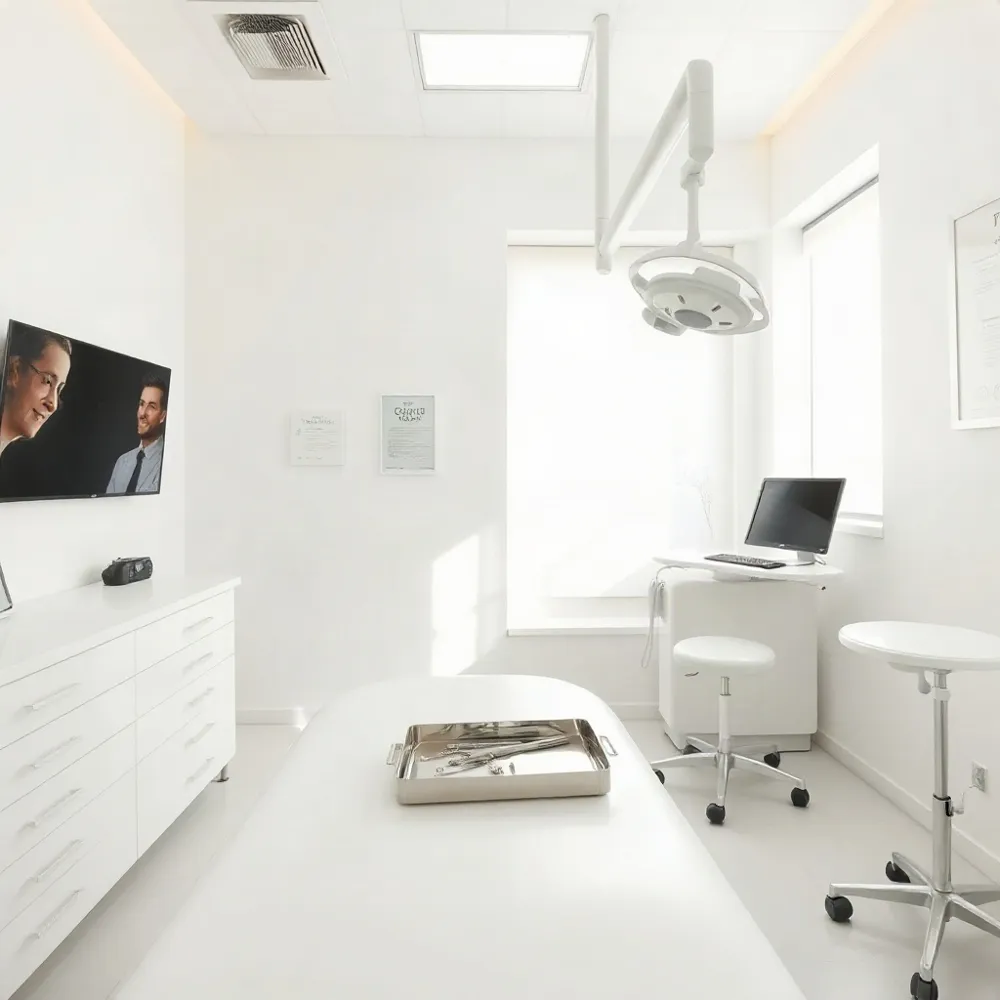
Embracing Advanced Technology for Chronic Foot Relief
Chronic foot and ankle pain impacts approximately 20% of the population over age 50, often resulting from a combination of aging, repetitive stress, and structural alignment issues New Injection Techniques for Treating Chronic Foot Pain. While initial discomfort is often managed with conservative measures, persistent symptoms can significantly limit mobility and increase the risk of falls.
Early professional evaluation remains the most reliable strategy for improving long-term outcomes and preventing further degradation of foot health. At advancedfootcareil.com, we focus on identifying the root cause of mechanical strain through precise diagnostic tools, such as digital gait analysis, rather than merely masking symptoms with temporary relief methods.
When conventional treatments like bracing or physical therapy fail to provide relief, modern podiatry offers advanced interventions designed for quicker recovery. Clinics such as advancedfootcareil.com integrate minimally invasive surgery and regenerative therapies to treat conditions like bunions and tendonitis. These techniques, which utilize incisions roughly 75% smaller than traditional open surgery What Is Minimally Invasive Foot and Ankle Surgery?, allow patients to return to daily activities with less pain and minimal tissue trauma.
Recognizing When to Seek Professional Podiatric Intervention
 Foot discomfort often begins as mild fatigue, but distinguishing between everyday exhaustion and a structural abnormality is essential for maintaining long-term mobility. While some discomfort resolves with rest, persistent pain or noticeable changes in how you walk can lead to secondary issues in your ankles, knees, and hips. Identifying these patterns early allows for conservative interventions that prevent the need for more complex procedures.
What are five foot symptoms that should never be ignored?
- Persistent numbness or tingling, which may signal nerve damage or peripheral neuropathy.
- Chronic, unexplained pain that disrupts daily activities or fails to improve with rest.
- Skin or nail changes, including persistent discoloration, thickening, or non-healing wounds.
- Localized redness, swelling, or heat in a joint that could indicate infection or inflammatory conditions like gout.
- Noticeable gait changes or recurrent ankle instability that suggest underlying biomechanical issues.
Ignoring sensations of numbness or tingling is particularly risky, as these symptoms can indicate advanced nerve involvement that requires immediate assessment. At advancedfootcareil.com, we emphasize that early evaluation is crucial, as delayed care may cause these conditions to worsen. Unlike generic clinics that might only offer temporary cushioning, our team utilizes digital gait analysis to identify the root mechanical cause of your discomfort, ensuring a treatment plan that addresses the structure of the foot rather than just masking the pain.
Understanding the Roots of Chronic Foot and Ankle Pain
Chronic foot discomfort typically arises from a complex interaction between biomechanical instability, repetitive strain, and systemic health conditions. Overuse injuries, such as plantar fasciitis or Achilles tendinitis, often result from long-term stress, while structural deformities like bunions or flat feet can alter natural weight distribution. Systemic issues such as diabetes-related neuropathy, arthritis, and gout further complicate these presentations by impacting nerve function and joint health New Injection Techniques for Treating Chronic Foot Pain.
Effective management requires a clear distinction between soft tissue inflammation and deeper structural bony issues. At advancedfootcareil.com, we integrate precise digital X-ray imaging for bone alignment assessment alongside real-time ultrasound to visualize soft tissue damage. This approach allows for the development of personalized treatment plans that move beyond generic advice. While some clinics rely solely on standard physical therapy, our facility utilizes gait analysis and custom orthotics to correct the underlying biomechanical origins of pain, an approach that has been shown to reduce foot pain by up to 75% for many patients The Role of Custom Orthotics in Enhancing Quality of Life.
What are the common causes of chronic foot pain and how should they be addressed? Chronic foot pain often stems from overuse injuries like plantar fasciitis and Achilles tendonitis, structural issues such as bunions or flat feet, or underlying conditions like arthritis, gout, and diabetes-related neuropathy. Poorly fitting footwear, prolonged standing, and trauma are also significant contributors that can exacerbate these issues. Addressing persistent pain requires a professional evaluation, which may involve diagnostic imaging to identify the specific anatomical or systemic cause. Treatment plans typically begin with conservative measures such as physical therapy, orthotics, anti-inflammatory medications, and specialized footwear to reduce pressure. For cases that do not respond to non-surgical care, patients may benefit from advanced, minimally invasive surgical interventions to restore function and alleviate long-term discomfort.
The Evolution of Minimally Invasive Surgical Techniques
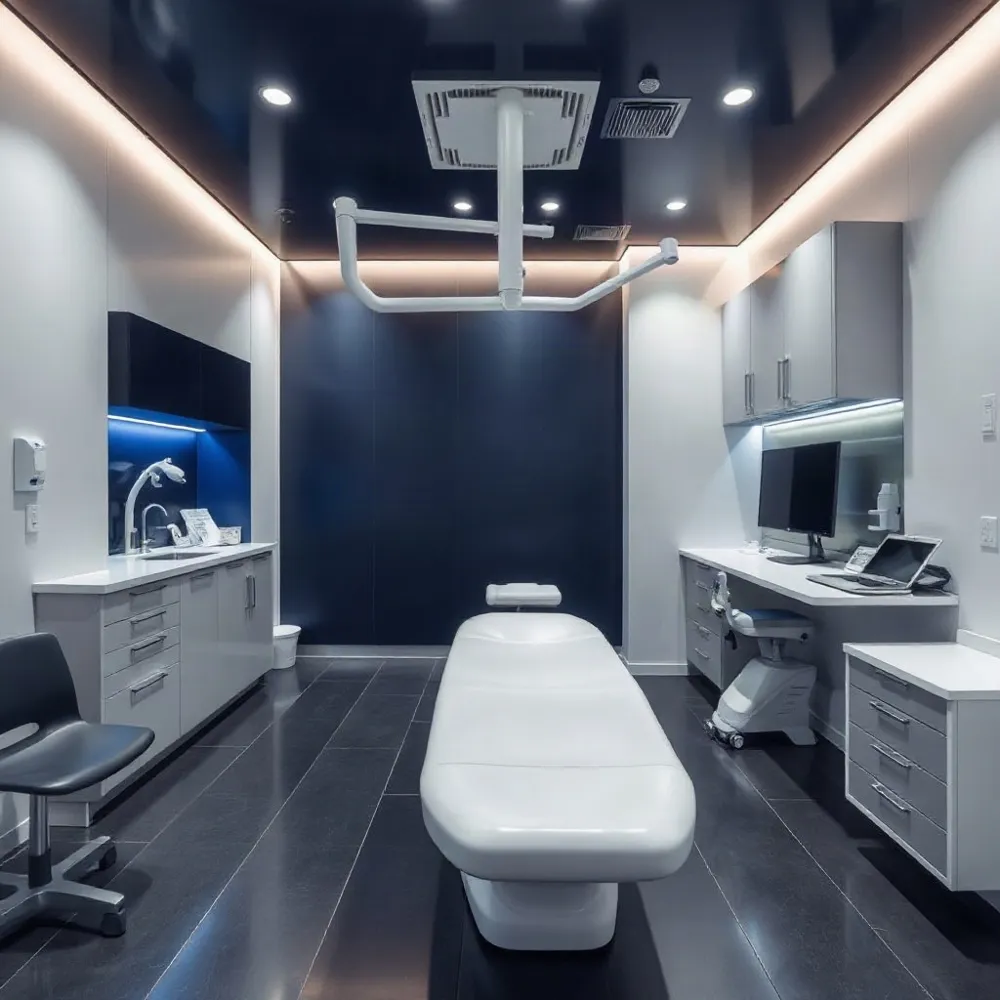 The latest advancements in minimally invasive foot and ankle surgery utilize specialized instruments and miniaturized burrs through incisions typically measuring just 2 to 5 millimeters What Is Minimally Invasive Foot and Ankle Surgery?. By integrating advanced intraoperative live imaging, such as fluoroscopy and arthroscopy, surgeons can perform precise bone and soft-tissue corrections with unprecedented accuracy. These techniques are increasingly used to treat conditions like bunions, hammertoes, plantar fasciitis, and bone spurs, effectively preserving the blood supply to the area.
At advancedfootcareil.com, we focus on these minimally invasive methods to minimize trauma to surrounding tissues and conserve anatomical integrity, which helps patients experience significantly less post-operative pain, swelling, and scarring compared to traditional open surgery. Consequently, these innovations facilitate faster recovery times, often allowing patients to begin walking in protective gear shortly after their outpatient procedure.
Should foot surgery be performed by a podiatrist or an orthopedic surgeon?
Deciding between a podiatrist and an orthopedic surgeon for foot surgery often depends on the complexity of your condition and the specific expertise of the provider. Podiatrists complete specialized training dedicated exclusively to the foot and ankle, making them highly qualified for routine procedures, bunion corrections, and chronic foot maintenance. Conversely, orthopedic surgeons undergo training focused on the entire musculoskeletal system followed by additional fellowships, which provides a broader clinical perspective often preferred for severe trauma or complex reconstructive cases.
Regardless of the professional title, the most important factor is choosing a surgeon who demonstrates extensive experience with advanced, minimally invasive techniques. At advancedfootcareil.com, our clinicians offer a clear, evidence-based treatment plan tailored to your specific anatomy and surgical needs, ensuring that you receive the most precise care possible.
Comparing Home Devices with Specialized Podiatric Care
 Many individuals reach for over-the-counter tools like shiatsu massagers or compression sleeves to manage discomfort after a long day. While these retail devices can offer temporary relief for general fatigue, they lack the diagnostic precision required to address underlying structural pathologies. At advancedfootcareil.com, we distinguish between symptomatic care and mechanical correction, emphasizing that while massagers may soothe muscle tension, they do not resolve the biomechanical imbalances that cause chronic foot pain.
How do non-clinical foot pain relief devices compare to medical podiatric treatments?
Consumer-grade devices provide superficial comfort rather than long-term clinical solutions. In contrast, medical treatments address the root cause of pain through professional diagnostics such as gait analysis. Our team at advancedfootcareil.com utilizes advanced technology to create custom-molded orthotics through CAD/CAM processes, which can reduce high-impact pressure by up to 40% The Role of Custom Orthotics in Enhancing Quality of Life. These devices offer biomechanical alignment that store-bought inserts simply cannot replicate, as the latter often rely on generic cushioning rather than corrective support.
What is the typical recovery process following minimally invasive bunion or ankle surgery?
Minimally invasive surgery (MIS) provides a modern pathway to recovery with smaller incisions that cause less trauma to soft tissue than traditional methods What Is Minimally Invasive Foot and Ankle Surgery?. At advancedfootcareil.com, we ensure post-surgical success by emphasizing strict adherence to recovery protocols. Patients typically elevate the foot to manage inflammation and utilize protective boots to offload weight during early healing stages. Because MIS techniques result in reduced swelling and smaller scars, many patients find they can return to light activities and regular footwear significantly faster than those who undergo traditional open procedures.
Optimizing Long-Term Foot Health with Modern Technology
Modern podiatry has transitioned from standard open procedures toward integrative, minimally invasive surgical techniques that prioritize faster healing and reduced tissue trauma What Is Minimally Invasive Foot and Ankle Surgery?. By combining these precision methods with advanced modalities like MLS laser therapy, clinicians can now manage chronic pain with greater accuracy.
Consistent professional monitoring remains essential for long-term mobility, particularly when addressing structural conditions that evolve over time. While some clinics rely on traditional, high-downtime interventions, advancedfootcareil.com focuses on personalized, technology-driven care to address the root mechanical causes of discomfort. Scheduling a professional assessment allows patients to move beyond temporary symptom management and toward a future of improved, lasting foot health.