Introduction: Understanding Chronic Foot Pain and the Promise of Modern Treatments
Overview of chronic foot pain and its impact
Chronic foot pain affects millions of individuals, significantly limiting mobility and impairing quality of life. Common causes include plantar fasciitis, arthritis, nerve-related conditions, injuries, and biomechanical issues.
Importance of accurate diagnosis and tailored treatment
Accurate diagnosis using modern imaging such as MRI, ultrasound, and X-ray is crucial to identify underlying causes and plan appropriate care. Customized treatment plans address specific conditions, often preventing progression and reducing pain.
Emergence of innovative podiatry techniques
Advances in podiatric medicine introduce minimally invasive surgeries, regenerative therapies like shockwave and platelet-rich plasma injections, and cutting-edge diagnostic tools. These innovations enhance healing, reduce downtime, and offer effective alternatives to traditional treatments, improving outcomes for those living with chronic foot pain.
Innovative Diagnostic and Treatment Technologies in Podiatry

What new technologies are advancing the field of podiatry?
The field of podiatry is rapidly evolving with advanced technologies that enhance diagnostic accuracy and treatment effectiveness. Modern imaging methods like MRI and ultrasound imaging in foot care provide detailed views of bones, ligaments, and soft tissues, allowing precise assessment of foot and ankle injuries. These tools support early and accurate diagnosis, which is crucial for effective treatment planning.
How is 3D digital scanning transforming orthotic care?
3D digital scanning for custom orthotics has revolutionized the creation of custom orthotics. Unlike traditional plaster molds, 3D scans offer highly precise measurements of foot anatomy. This technology improves the fit and comfort of orthotics, providing better support tailored to the patient’s unique foot structure. The rapid production process also means patients receive their orthotics faster, enhancing treatment outcomes.
What regenerative medicine therapies are used in podiatry?
Regenerative medicine treatments in podiatry such as Platelet-Rich Plasma (PRP) injections and stem cell treatments are increasingly popular for promoting natural tissue repair. These minimally invasive options stimulate healing in conditions like plantar fasciitis, tendon injuries, and post-surgical inflammation. Patients benefit from reduced pain, faster recovery, and less reliance on medications or surgery.
How do shockwave, laser, and microwave therapies aid tissue healing?
Shockwave Therapy uses high-energy sound waves to stimulate cellular repair and improve blood flow, effectively treating chronic heel pain and tendon issues. Laser therapies, including K-Laser Therapy Benefits and Lunula Laser treatment for toenail fungus offer painless, drug-free toenail fungus treatments for conditions like toenail fungus and tissue inflammation. Swift Microwave Therapy for plantar warts is a breakthrough for stubborn plantar warts, activating the immune response without invasive procedures. These technologies provide non-invasive alternatives that promote healing with minimal downtime.
| Technology Type | Application | Benefits |
|---|---|---|
| MRI & Ultrasound Imaging | Diagnosing foot and ankle injuries | Accurate, detailed assessments |
| 3D Digital Scanning | Custom orthotic fabrication | Precise fit, faster turnaround |
| Regenerative Medicine | PRP, stem cell injections for tissue repair | Accelerated healing, less pain |
| Shockwave Therapy | Chronic heel pain, tendon injuries | Stimulates natural healing |
| Laser Therapies | Toenail fungus, inflammation | Painless, drug-free treatment |
| Microwave Therapy (SWIFT) | Plantar wart treatment | Non-invasive, immune stimulation |
Minimally Invasive Foot Surgery: A Breakthrough for Faster Recovery
What is minimally invasive foot surgery and how does it differ from traditional surgery?
Minimally invasive foot surgery (MIS) utilizes tiny incisions, often just a few millimeters long, combined with specialized instruments and live imaging technologies such as X-ray guidance. This allows surgeons to address foot and ankle problems precisely while significantly reducing trauma to surrounding soft tissues. Unlike traditional open surgery, which involves larger incisions and more extensive tissue disruption, MIS minimizes post-operative pain, swelling, scarring, and risk of infection.
The smaller incisions also contribute to faster healing times and enable many patients to begin walking sooner compared to traditional surgery. By preserving more of the foot's anatomical structures and reducing inflammation, MIS promotes quicker recovery with fewer complications.
Advantages of minimally invasive foot surgery compared to traditional surgery
- Smaller incisions (a few millimeters vs. several centimeters)
- Reduced pain and swelling after surgery
- Lower infection and wound healing complication risk
- Minimal scarring and more natural appearance
- Faster return to walking and normal activities
- Often outpatient procedures with same-day discharge
What common conditions can be treated with minimally invasive foot surgery?
MIS techniques are effectively used to correct a range of foot problems, including:
- Bunions (hallux valgus deformity)
- Hammertoes
- Bone spurs
- Metatarsalgia
- Minor tendon and soft tissue repairs
These procedures can also address other deformities and injuries, with many suitable patients experiencing surgery that restores foot function without the extensive downtime associated with traditional open surgery.
Typical recovery timelines and outcomes following MIS
Patients often start weight-bearing immediately or soon after surgery, usually with the aid of a surgical boot or post-op shoe. For minimally invasive bunion surgeries, walking in regular sneakers can generally resume around six to eight weeks, depending on the specific procedure performed (e.g., PECA or Lapidus techniques).
Compared to traditional surgeries that may require 10 to 12 weeks before full walking, MIS offers a significantly expedited recovery pathway. Most patients regain foot strength and mobility within 6 to 12 weeks, returning to normal activities with minimal discomfort.
How surgical precision is enhanced by robotics and imaging technologies
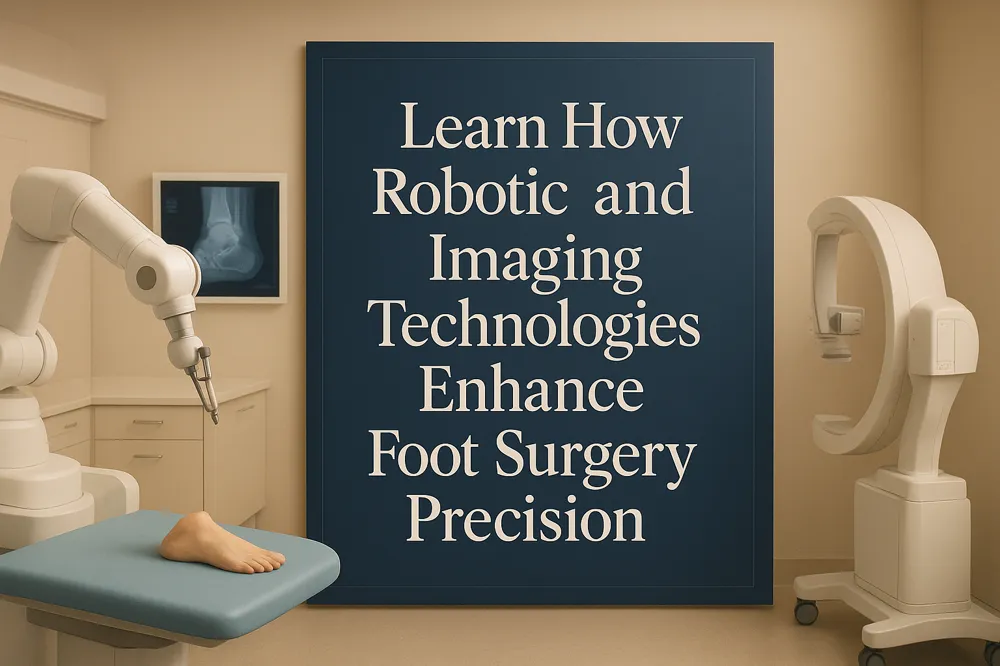
Robotic-assisted surgery and advanced imaging modalities—such as live X-ray and ultrasound—have further improved the precision and control surgeons have during MIS procedures. These technological advancements reduce the chance of damaging nerves and tendons, enhance correction accuracy, and allow for minimally sized incisions while achieving optimal alignment and repair.
The integration of these innovations supports better patient outcomes, shorter hospital stays, and faster post-operative rehabilitation.
| Aspect | Minimally Invasive Surgery (MIS) | Traditional Foot Surgery | Notes |
|---|---|---|---|
| Incision size | Few millimeters | Several centimeters | Smaller incisions reduce tissue trauma |
| Post-op pain/swelling | Reduced | Increased | MIS minimizes soft tissue damage |
| Scar size | Minimal | Larger | Cosmetic advantage |
| Recovery time | 6-12 weeks for most activities | 10-12+ weeks | MIS enables faster return to function |
| Weight-bearing post-surgery | Often immediate or soon after surgery | Delayed due to tissue healing requirements | Aids in quicker mobility restoration |
| Technology used | X-ray guidance, robotics | Conventional direct visualization | Enhances surgical accuracy |
| Common conditions treated | Bunions, hammertoes, bone spurs, etc. | Wide range, including severe cases | MIS suitable for mild-to-moderate deformities |
Minimally invasive foot surgery represents a significant advancement in podiatric care, providing patients with less painful, faster healing options while maintaining high standards of surgical effectiveness and precision. For more on Minimally Invasive Foot Surgery Benefits and techniques, visit this resource.
Effective Strategies for Managing Chronic Foot Pain
Common causes of chronic foot pain
Chronic foot pain often results from multiple factors including injuries, overuse, arthritis, nerve problems like neuropathy or tarsal tunnel syndrome, poor footwear, and inherited foot mechanics such as flat feet or high arches. Common conditions causing persistent pain include plantar fasciitis treatment, Achilles tendinitis, bunions, metatarsalgia, and chronic inflammation from gout or arthritis.
Comprehensive treatment approaches including lifestyle changes
Managing chronic pain effectively involves a multifaceted approach. Lifestyle modifications such as weight management reduce stress on the feet. Activity adjustments, including lowering impact exercises and incorporating rest periods, decrease aggravation. Home care methods like the R.I.C.E. method for inflammation (Rest, Ice, Compression, Elevation) assist in managing inflammation. Avoiding tight or unsupportive shoes and promoting Foot hygiene basics are crucial preventive steps.
Role of custom orthotics and supportive footwear
Custom orthotics with 3D scanning technology offer precise support tailored to individual foot anatomy. These devices improve mechanics and alleviate pressure points, addressing abnormal gait and foot deformities. Supportive footwear is recommended with wide toe boxes, cushioning, and arch support to minimize pain and prevent progression, as emphasized in footwear recommendations for foot health.
Physical therapy and pain management options
Physical therapy plays an essential role by strengthening foot muscles, improving flexibility, and enhancing balance. Techniques include targeted stretches for the plantar fascia and Achilles tendon, as well as exercises to improve lower limb function. Additionally, over-the-counter pain relievers and alternative therapies like acupuncture can supplement pain control, as discussed in Living with chronic foot pain.
Injection therapies as less invasive alternatives
Injection treatments, such as corticosteroids, Platelet-Rich Plasma (PRP) injections in podiatry, hyaluronic acid, and prolotherapy, provide minimally invasive options to relieve inflammation and promote tissue healing. These are valuable for conditions like plantar fasciitis, Morton’s neuroma, and arthritis. Careful podiatric evaluation ensures appropriate use, as outlined in new injection techniques for chronic foot pain.
When surgery becomes necessary
Surgical intervention is considered when conservative and injection therapies fail to provide relief. Minimally invasive foot surgery (MIS) techniques, such as arthroscopy or keyhole procedures, offer less painful recovery and faster return to activity. Surgery addresses structural deformities, severe tendon or ligament damage, and chronic joint issues that significantly impair function. For advanced approaches, see Innovative foot and ankle surgery techniques.
Chronic foot pain can be effectively managed through a comprehensive approach tailored to the underlying cause. Lifestyle modifications like regular stretching, physical therapy, and activity changes combined with custom orthotics or supportive footwear often provide significant relief. Injection therapies offer less invasive options for selected conditions. When necessary, minimally invasive surgery performed by experienced podiatrists can resolve persistent problems. Early evaluation and intervention by a podiatric specialist diagnosis help prevent worsening and improve overall comfort and mobility.
Maintaining Healthy Feet: Essential Foot Care Practices

What are the best foot care techniques for maintaining healthy feet?
Maintaining healthy feet requires consistent daily care and vigilant inspection. Begin with washing your feet every day using warm water and mild soap, ensuring thorough drying afterward, particularly between the toes, to prevent fungal infections like athlete's foot prevention and toenail fungus prevention. Performing a daily foot inspection enables early detection of cuts, swelling, dryness, or discoloration that could indicate emerging problems.
Proper footwear is crucial; wear shoes that fit well with ample toe room, a low heel, and breathable material to reduce moisture buildup. Avoid walking barefoot, especially in public or contaminated areas, to minimize injury and infection risks. Toenails should be trimmed straight across and not too short to prevent ingrown toenails, and professional podiatric care is recommended if trimming is challenging.
Moisturize your feet daily to prevent dry, cracked skin, but avoid applying lotion between the toes to reduce fungal growth risk. For diabetic and elderly patients, regular foot checks are vital since conditions like neuropathy or poor circulation can mask injuries and delay healing. These individuals should also choose specialized footwear designed for extra support and protection.
Scheduling routine podiatric checkups helps monitor foot health, manage ongoing conditions, and receive timely interventions. Preventive care education and individualized treatment plans promote long-term mobility and prevent severe complications.
Overall, a comprehensive foot care routine involving hygiene, proper footwear, skin care, and professional oversight ensures optimal foot health and mobility throughout life. For more detailed advice, see Foot hygiene basics and Foot care tips for aging.
The Future of Podiatry: Emerging Trends and Technologies
What is the future of podiatry?
The future of podiatry is being shaped by innovative technologies that improve diagnosis, treatment, and patient recovery. AI applications in medical image analysis for podiatry enable early detection of foot disorders by analyzing medical images and gait patterns, supporting proactive care for chronic conditions. Robotic-assisted minimally invasive ankle and foot surgeries increase precision, reduce recovery times, and minimize complications, while telemedicine broadens access to expert foot care regardless of location.
3D printing technology allows for custom orthotics and implants that fit individual patient anatomy with high accuracy, promoting better foot support and comfort. Regenerative medicine treatments in podiatry coupled with Laser Therapy in Podiatry offer less invasive options for healing tendon damage, fungal infections, and inflammation, often reducing the need for traditional surgery.
How will artificial intelligence (AI) affect the practice of podiatry?
AI serves as an invaluable tool within podiatry, enhancing diagnostics and supporting clinicians rather than replacing them. It assists in managing routine cases efficiently and provides decision-making support for complex conditions by predicting risks and treatment outcomes. This synergy between AI and human expertise streamlines care delivery, improves diagnostic accuracy, and optimizes personalized treatment planning.
In summary, the integration of AI, robotics, 3D printing, telemedicine, and Regenerative medicine in podiatry promises a more precise, patient-friendly, and accessible podiatric care landscape, ultimately improving mobility and quality of life for patients across the globe.
Conclusion: Embracing Innovation for Improved Chronic Foot Pain Management
Advancements in podiatric treatments have transformed the management of chronic foot pain. Techniques such as regenerative medicine with PRP injections, minimally invasive surgeries, and cutting-edge laser therapies promote natural healing and faster recovery.
Early diagnosis through modern imaging and timely intervention by podiatry specialists significantly improve outcomes and prevent complications. Customized orthotics and state-of-the-art therapies enhance comfort and foot function.
Prioritizing foot health by leveraging these innovative options helps maintain mobility and quality of life. Consulting experienced podiatrists ensures access to tailored, evidence-based care that addresses both symptoms and underlying causes effectively.