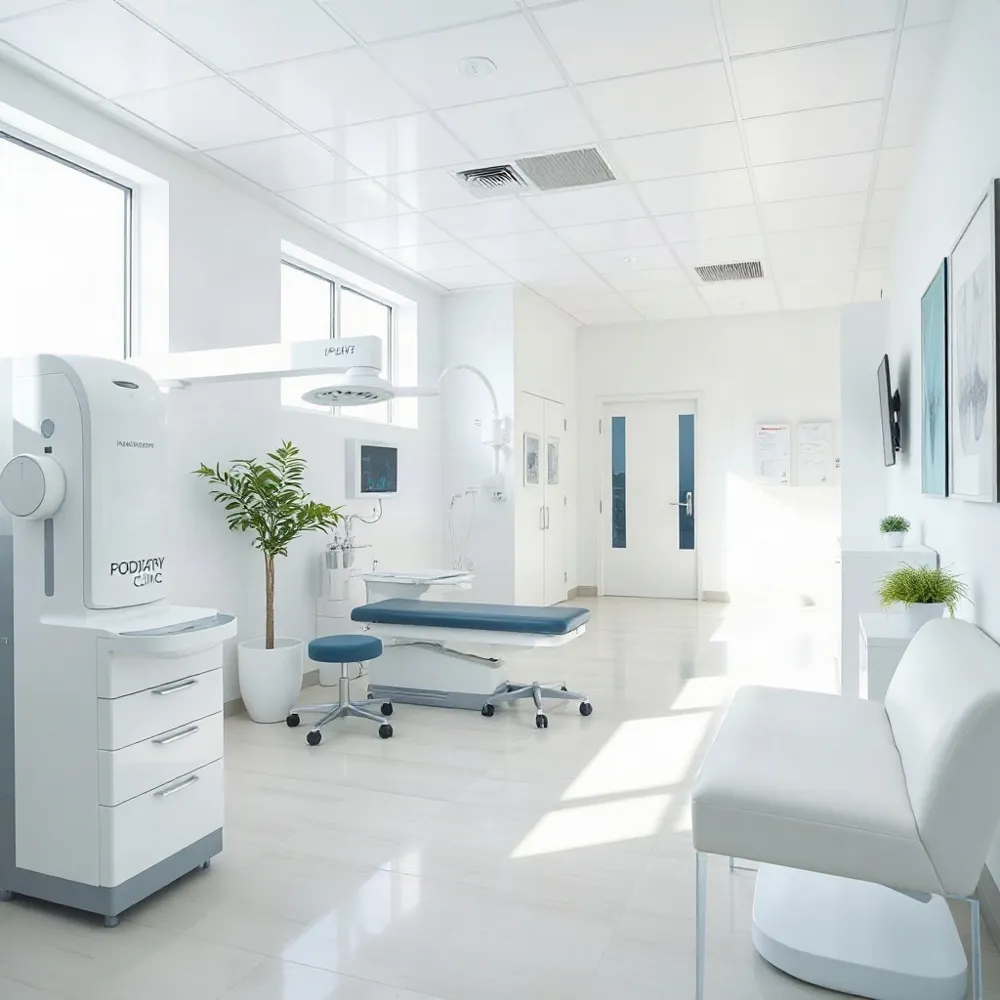
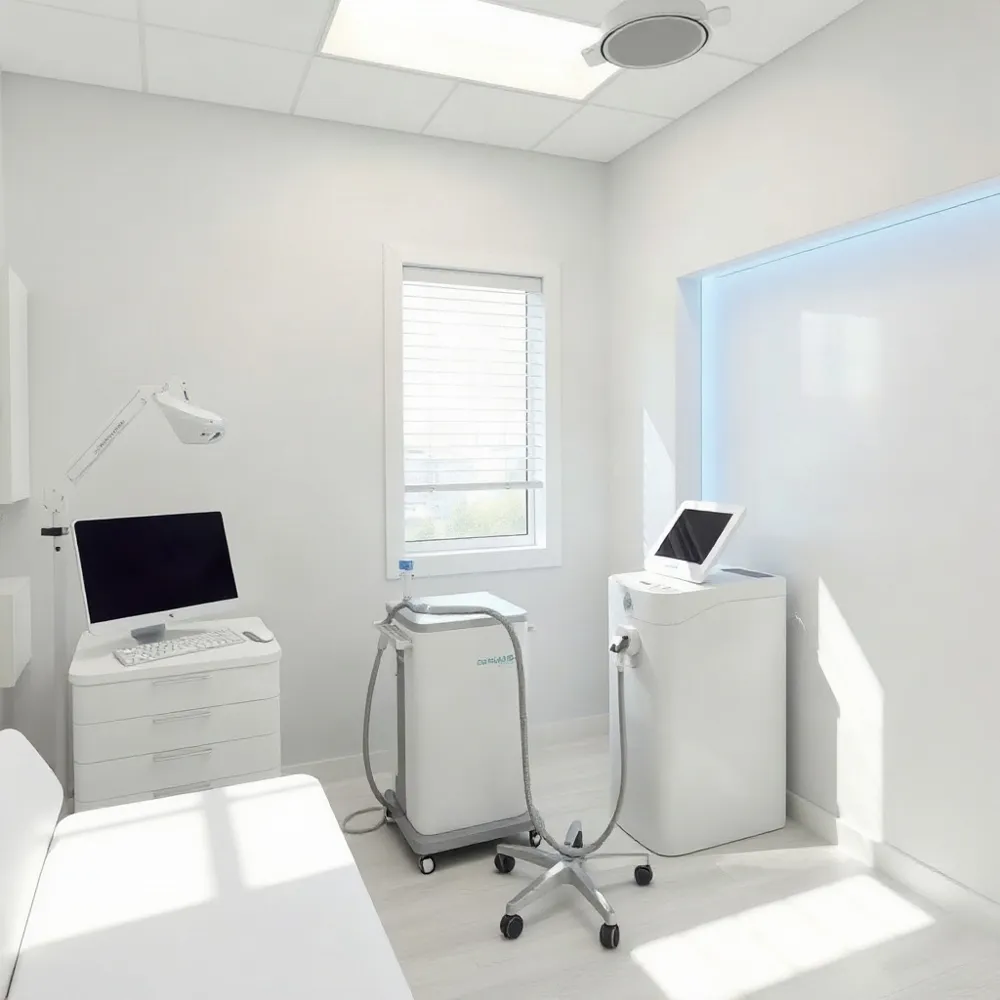
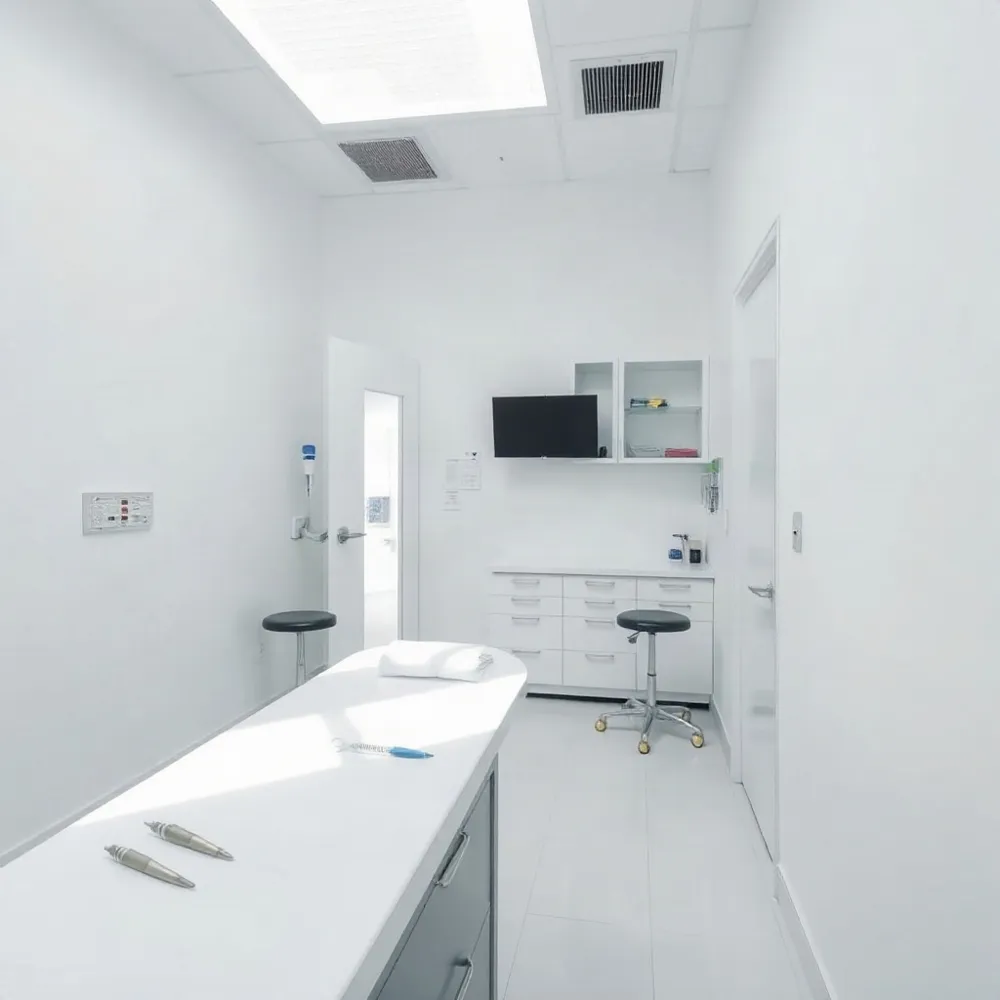
Introduction to Revolutionary Advancements in Foot Care for 2026
Overview of cutting-edge innovations transforming podiatry in 2026
Recent advancements in podiatry are redefining how foot and ankle care is delivered. Technologies such as 3D printing allow for custom orthotics tailored precisely to the patient's foot contours, enhancing comfort and alignment.
How technology and minimally invasive techniques are improving patient outcomes
Minimally invasive surgeries utilize small incisions and specialized tools like arthroscopes, significantly reducing recovery times and postoperative discomfort. Robotic-assisted procedures further advance precision in complex surgeries such as bunion correction and ankle fusion. Additionally, AI-driven diagnostics improve early detection and personalized treatment planning for conditions including diabetic neuropathy and flat feet.
The importance of staying current with latest foot care developments
As podiatric treatments evolve rapidly, staying informed about innovative therapies such as regenerative medicine, telemedicine, and advanced imaging ensures better patient care and optimal outcomes. This continuous progress underscores the vital role of modern technology and minimally invasive approaches in advancing foot health management.
Key Facts on Advanced Podiatry Technologies and Treatments
- 3D printing in orthotics offers precise, custom fit designs matching foot contours.
- Digital 3D foot scanning provides faster, more accurate, non-invasive measurements compared to plaster molds.
- AI enhances diagnostic accuracy by analyzing images, gait, and medical history, reducing errors.
- AI enables early detection and personalized treatment, predicting complications like diabetic neuropathy.
- Minimally invasive surgery uses tiny incisions and arthroscopes to reduce trauma, pain, and scarring.
- Robotic systems like Mazor X improve surgical precision, fostering better alignment and outcomes in foot procedures.
- Regenerative therapies like MLS Laser, Shockwave, and PRP accelerate natural healing processes in foot and ankle injuries.
- Advanced imaging tools like PedCAT and digital gait analysis facilitate accurate diagnosis and personalized treatment.
- Telemedicine and AI-driven EMRs improve patient access, workflow efficiency, and data sharing for better care delivery.
- Qualified foot and ankle surgeons should be board-certified, fellowship-trained, with ongoing education and clear success records.
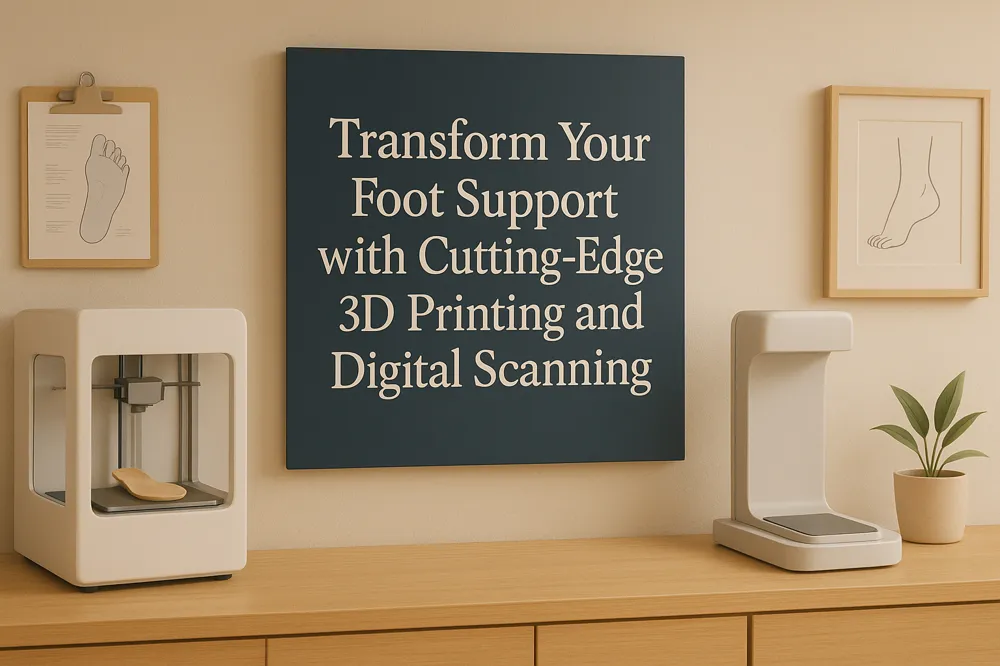
1. Precision Custom Orthotics with 3D Printing and Digital Scanning
How does 3D printing enhance the creation of custom orthotics?
3D printing in podiatry allows podiatrists to design orthotics that perfectly match the unique contours of a patient’s foot. This process is more precise than traditional manufacturing methods, ensuring improved alignment and comfort for the user.
What advantages does digital 3D foot scanning have compared to plaster molds?
Digital 3D scanning offers a non-invasive and faster way to capture detailed foot measurements. Unlike plaster molds, it provides greater accuracy, eliminates mess, and facilitates easier reproduction of orthotics if replacements are needed.
How do these technologies improve patient experience?
Using custom orthotics with 3D printing results in orthotics that fit better and provide enhanced support. Improved fit leads to better foot function and alignment, reducing discomfort and the risk of further complications.
What about turnaround times and cost?
The combination of digital scanning and 3D printing in podiatry speeds up the production process, often delivering orthotics faster than traditional methods. Additionally, the precision reduces material waste, aiding in cost-effectiveness for both clinics and patients.
2. Artificial Intelligence Enhancing Diagnosis and Preventative Care
How is AI used in podiatry to improve diagnostic accuracy?
Artificial Intelligence (AI) tools in podiatry analyze medical images, patient history, and gait patterns with remarkable precision. By integrating these data points, AI assists podiatrists in diagnosing common foot conditions such as flat feet, diabetic neuropathy, bunions, and hammer toes more accurately than traditional methods. This technology reduces human error and enables early intervention through AI diagnosis of foot conditions.
What role does AI play in early detection and prevention of foot disorders?
AI's capability to predict potential foot complications allows clinicians to implement preventive care strategies early. For example, by identifying markers of diabetic neuropathy before symptoms manifest, podiatrists can tailor treatment plans to mitigate progression. This proactive approach improves patient outcomes and decreases the risk of severe complications, showcasing the power of AI in early foot problem detection.
How does AI contribute to personalized treatment planning?
With detailed insights drawn from analyzed data, AI supports highly personalized care. The nuanced understanding of an individual’s foot biomechanics and pathology leads to custom orthotics with 3D printing design and optimized surgical planning, enhancing effectiveness and patient comfort. This is evident in technologies like custom orthotics with 3D printing.
What is the future potential of AI integration in podiatric practice?
Looking ahead, AI integration is expected to further transform podiatric medicine. Advances may include real-time monitoring of foot health through wearable technology and AI-enhanced electronic medical records that streamline workflows, documentation, and diagnostics. Continuous learning algorithms will likely improve accuracy over time, facilitating more intelligent, adaptive care. These developments are part of broader innovations in podiatry technology.
Overall, AI significantly elevates the quality and precision of podiatric diagnosis and preventative care, making it an essential tool in modern foot and ankle medicine.
3. Minimally Invasive Foot and Ankle Surgery for Faster Recovery
What are the benefits of minimally invasive surgery compared to traditional foot and ankle surgery?
Minimally invasive foot and ankle surgeries uses tiny cameras called arthroscopes and small incisions approximately 75% smaller than those in traditional surgery. These small incisions reduce trauma to soft tissues, causing less pain and scarring. This approach lowers the risk of infection and enables quicker healing, typically allowing patients to return to normal activities faster than after open surgery.
Use of arthroscopes and small incisions to reduce trauma
Advanced technologies like arthroscopes provide high-resolution images inside the foot and ankle, improving surgical precision while limiting tissue damage. Surgeons use specialized instruments through these mini-incisions, allowing targeted correction with minimal disruption.
Conditions treated such as bunions, hammertoes, Achilles tendon issues
Minimally invasive foot and ankle surgeries is effective for a variety of conditions including bunions, hammertoes, Achilles tendon problems, heel spurs, flatfoot corrections, arthritis debridement, neuromas, and plantar fascia release. This versatility has expanded treatment options with less invasive alternatives.
Benefits including less pain, reduced infection risk, and outpatient procedures
Besides smaller scars and faster recovery, these surgeries are often performed as outpatient procedures. Patients frequently go home the same day, avoiding hospitalization. Reduced pain and swelling also mean fewer pain medications and quicker return to shoe wear.
Technological tools enabling precision and shorter healing times
Technologies such as fluoroscopy, 3D imaging, and robotic guidance aid surgeons in achieving precise corrections. These tools minimize surgical time and improve outcomes while promoting quicker bone and soft tissue healing.
Minimally invasive foot and ankle surgery thus offers a patient-friendly and efficient approach, combining medical innovation with improved postoperative experiences.
4. Robotic-Assisted Surgical Systems Revolutionize Precision
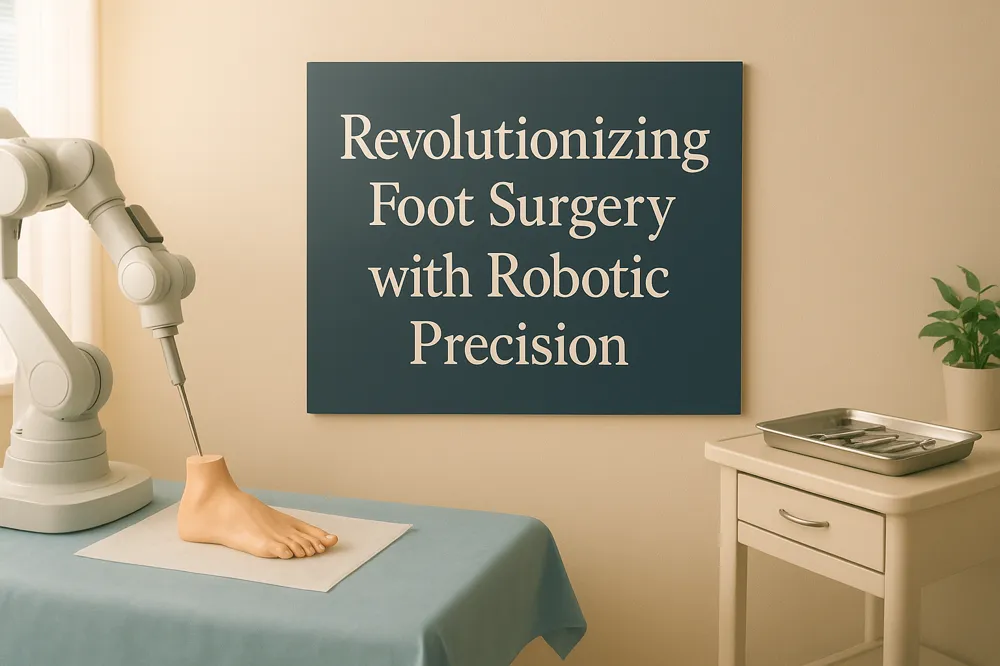
How do robotic guidance systems like Mazor X™ enhance surgical accuracy?
Robotic-assisted systems such as the Mazor X robotic guidance system provide podiatrists with enhanced precision during complex procedures. These systems utilize preoperative imaging and intraoperative navigation to guide surgical instruments with exceptional accuracy. This technology allows for meticulous alignment and placement during surgeries like bunion correction, ankle fusion, and foot reconstruction, contributing to improved anatomical outcomes.
What are the benefits of minimally invasive robotic surgery in podiatry?
Robotic-assisted minimally invasive surgeries enable smaller incisions—approximately 75% smaller than traditional openings—reducing soft tissue trauma. Procedures such as bunion corrections and ankle fusions performed with robotic guidance experience fewer complications, diminished postoperative pain, and significantly faster recovery times. Consequently, patients benefit from less scarring and the ability to resume daily activities sooner. For more on these benefits, see Minimally invasive foot and ankle surgeries and Minimally invasive foot and ankle surgery.
How do shorter recovery times and smaller incisions impact patient outcomes?
Smaller incisions combined with the precision of robotic assistance minimize surgical trauma and infection risks. Patients typically experience reduced pain and shorter hospitalization or outpatient recovery periods. These advancements help optimize overall patient outcomes by accelerating rehabilitation and improving long-term functional results. For further reading, check Outpatient and minimally invasive foot and ankle surgeries.
In summary, robotic-assisted surgical systems represent a transformative step in podiatric surgery. By combining minimally invasive techniques with advanced robotic guidance, podiatrists can offer safer, more efficient procedures that enhance patient care and recovery.
5. Regenerative Medicine and Laser Therapies Accelerate Healing

How do MLS Laser Therapy, Shockwave Therapy (ESWT), and Platelet-Rich Plasma (PRP) injections support foot and ankle healing?
MLS Laser Therapy, Shockwave Therapy (ESWT), and Platelet-Rich Plasma (PRP) injections are innovative regenerative medicine therapies for heel pain that stimulate the body's natural repair processes. They are effective in managing heel pain, tendon injuries, and post-surgical inflammation. MLS Laser Therapy uses targeted light to reduce pain and inflammation, ESWT applies sound waves to promote tissue regeneration, and PRP injections deliver concentrated growth factors from the patient's blood to accelerate healing.
What is Swift Microwave Therapy, and how does it treat plantar warts?
Swift Microwave Therapy is a novel plantar wart treatment that activates the patient's immune response to eliminate the warts without the pain or downtime associated with traditional methods such as freezing or cutting. This therapy offers a non-invasive and convenient option for patients, ensuring quicker recovery.
How does the Lunula Laser provide a drug-free solution for toenail fungus?
The Lunula Laser is a safe and painless laser treatment designed specifically to combat toenail fungus without the need for systemic antifungal medications. It offers an effective alternative that avoids the potential side effects of oral drugs, promoting healthier nails through localized laser therapy.
What are the overall benefits of regenerative medicine and laser therapies in podiatry?
These therapies improve healing rates and reduce inflammation while offering less invasive treatment options. Patients benefit from faster recovery times, reduced discomfort, and fewer complications. The integration of regenerative and laser therapies reflects a shift toward more precise, patient-friendly podiatry treatments for faster healing.
6. Advanced Diagnostic Tools and Imaging for Improved Care
How Are 3D Weightbearing Imaging Systems Like PedCAT Enhancing Structural Evaluation?
The PedCAT 3D weightbearing imaging system revolutionizes foot and ankle diagnostics by offering 3D weightbearing imaging. Compared to traditional X-rays, it provides detailed visualization of bone and joint structures under natural load conditions. This enhanced imaging facilitates more accurate diagnoses of complex deformities such as Lisfranc injuries and flat feet, leading to more informed treatment planning.
What Role Does Digital Gait Analysis Play in Podiatry?
Digital gait analysis in podiatry employs sensors and software to monitor walking patterns with precision. This technology allows podiatrists to identify gait abnormalities more accurately than traditional assessments. Consequently, clinicians can develop personalized treatment plans to correct dysfunctions, improving patient outcomes through targeted interventions.
How Do Enhanced MRI, Ultrasound, and X-ray Imaging Improve Diagnostic Accuracy?
Advanced imaging techniques such as MRI and ultrasound have become increasingly accessible in podiatry, improving diagnosis accuracy by 15-20%. Enhanced X-ray technologies also contribute by providing clearer images, aiding in the identification of subtle soft tissue and bone pathology. These improvements support early detection and aid in surgical planning, contributing to better patient care.
What Is the Overall Impact of These Diagnostic Innovations on Podiatric Treatment?
The integration of advanced diagnostic tools accelerates precise evaluation and supports customized treatment approaches. Enhanced imaging and gait analysis empower surgeons and clinicians with detailed data, improving surgical planning and postoperative monitoring. This results in more effective interventions, minimized complications, and optimized recovery for patients with foot and ankle conditions.
7. Telemedicine and Artificial Intelligence Optimize Patient Access and Workflow
Expansion of Telemedicine for Remote Consultations and Follow-Ups
Telemedicine for foot care has dramatically expanded in podiatry, with usage surging by 154% during the COVID-19 pandemic. This growth enables podiatrists to conduct remote consultations and follow-ups, greatly benefiting patients in rural or underserved regions of the United States. Patients gain easier access to specialized care without the need for travel, enhancing convenience and continuity of treatment.
AI-Powered EMRs Enhancing Documentation Accuracy and Workflow Efficiency
Artificial intelligence-driven electronic medical records (EMRs) tailored for podiatry, such as the Populate system, are revolutionizing clinical workflow. Features like Roboscribing and SALT (Speech and Language Technology), along with customizable templates and speech-to-text functionality, improve documentation accuracy. These innovations streamline daily operations, reduce administrative burden, and enhance patient care quality. This is part of the broader trend of AI-powered EMRs for podiatry.
Integration of Real-Time Data Sharing Programs like FHIR for Prior Authorizations
The Centers for Medicare & Medicaid Services (CMS) is implementing the Fast Healthcare Interoperability Resources (FHIR) program to facilitate real-time data sharing. This initiative accelerates prior authorizations, appeals, and audit responses by enabling seamless communication between clinicians and payers. Such integration decreases delays in care delivery and enhances administrative transparency. Details of these Medicare-related changes can be found in the Medicare Part B annual deductible increase for 2026.
Benefits for Underserved Populations and Streamlined Clinical Operations
By combining telemedicine and AI-powered tools, podiatry practices can offer improved access and continuity of care, especially for patients with limited healthcare options. Remote consultations reduce travel barriers, while efficient EMRs and real-time data sharing expedite clinical workflows. These advancements contribute to better patient outcomes, increased practice efficiency, and equitable podiatric care delivery across diverse populations.
What qualifications and experience should an advanced foot and ankle surgeon have?
Board certification and specialized residency training
An advanced foot and ankle surgeon must be a board-certified Doctor of Podiatric Medicine (DPM). This certification confirms completion of a rigorous residency program, typically lasting at least three years, focused on comprehensive foot and ankle care. Specialized residency training equips surgeons with extensive knowledge in diagnosing and treating a wide range of foot and ankle conditions.
Fellowship experience in minimally invasive and complex surgeries
Beyond residency, additional fellowship training is essential. Surgeons undergo focused instruction in Minimally invasive foot and ankle surgeries and complex surgeries such as bunion correction, ankle fusion, and foot reconstruction. This hands-on experience is critical for mastering the latest technologies and surgical methods that improve patient outcomes and recovery times.
Certification by the American Board of Foot and Ankle Surgery (ABFAS)
Achieving certification through the ABFAS demonstrates that a surgeon has passed comprehensive examinations assessing clinical knowledge and surgical skills. Board certification also requires ongoing education to maintain up-to-date expertise with innovations like robotic-assisted foot surgery and advanced orthotic design.
Importance of ongoing education and proven successful outcomes
Advanced foot and ankle surgeons consistently engage in lifelong learning to stay current with emerging treatments such as regenerative medicine, digital gait analysis, and 3D printing in podiatry. A proven track record of successful surgeries and patient-centered care ensures these specialists deliver effective, Minimally invasive foot and ankle surgery treatment plans tailored to individual needs, advancing foot health and mobility.
What should patients expect during the consultation process at an advanced podiatry clinic?
Review of medical history and physical examination
Patients begin their visit with a comprehensive review of their medical history and a detailed physical exam, helping the podiatrist understand the unique aspects of their foot and ankle condition. This step ensures personalized diagnosis and treatment planning.
Preoperative assessments and imaging if surgery considered
If surgery is under consideration, patients undergo preoperative evaluations including blood tests and cardiac screening to assess overall health. Advanced imaging like X-rays, CT scans, or 3D weightbearing modalities may be used for precise diagnosis and surgical planning.
Discussion of minimally invasive treatment options with benefits and risks
Clinicians explain minimally invasive procedures that involve small incisions, less tissue disruption, and faster recovery, such as arthroscopic surgeries or robotic-assisted techniques. Patients are informed on potential benefits like reduced pain and risks to make educated decisions.
Preparation guidance and realistic recovery timeline communication
Patients receive advice on preparing their home environment for recovery, including mobility assistance and wound care. Realistic timelines are provided, often ranging from a few weeks for minimally invasive treatments to several months, emphasizing the importance of gradual rehabilitation.
Emphasis on emotional support and patient education
Throughout the consultation, clear communication and emotional encouragement are prioritized. Educating patients about their condition and expected outcomes builds confidence and aids adherence to treatment plans, enhancing overall recovery success.
How do professional podiatry clinics ensure patient safety during advanced treatments?
How do professional podiatry clinics ensure patient safety during advanced treatments?
Professional podiatry clinics prioritize patient safety by following strict infection prevention protocols based on CDC guidelines. They require comprehensive hand hygiene and mandate the use of personal protective equipment (PPE) such as gloves, masks, and eye protection to minimize transmission risks.
Reusable instruments undergo rigorous sterilization, often using steam sterilization methods to prevent cross-contamination. During procedures, aseptic techniques are applied carefully, especially during injections and surgeries, to maintain a sterile environment.
Patient triage protocols are implemented to identify and manage symptomatic individuals promptly, reducing infection spread within the clinic. Staff receive regular training in safety and compliance to keep up with evolving best practices.
Finally, detailed postoperative care instructions are provided to patients to reduce complications and promote faster, safer recovery.
This comprehensive approach ensures that even advanced podiatric treatments, including Minimally invasive foot and ankle surgeries and Regenerative Medicine therapies for heel pain, are conducted with optimized patient safety standards.
Looking Ahead: The Future of Foot Care in 2026 and Beyond
Revolutionary Innovations Transforming Podiatry
Advances like 3D printing for custom orthotics, AI-enhanced diagnostics, minimally invasive surgeries, and regenerative therapies are reshaping foot care. These innovations offer greater precision, faster recovery, and improved patient comfort.
Ongoing Evolution Driven by Technology and Research
Cutting-edge tools such as robotic-assisted surgery, advanced imaging, and telemedicine continue to emerge. Academic and clinical research fuel this progress, making treatments more effective and accessible.
Empowering Patients Through Advanced Care
Patients are encouraged to explore these sophisticated options to benefit from improved outcomes, reduced pain, and quicker healing. Proactive engagement with podiatric specialists can help maintain foot health and mobility well into the future.