Navigating Chronic Heel and Arch Discomfort
Chronic heel and arch discomfort frequently stems from overuse injuries rather than acute trauma, affecting millions of active adults. At advancedfootcareil.com, we emphasize that distinguishing between conditions like plantar fasciitis and foot tendonitis is essential for effective care. While generic advice often suggests rest, these conditions require different biomechanical interventions, such as specific orthotic adjustments or targeted loading programs.
Professional evaluation is vital because symptoms often overlap. For example, plantar fasciitis pain typically spikes with the first steps of the morning, whereas tendon-related issues often escalate during physical activity. When you visit advancedfootcareil.com, a clinical exam helps rule out complications like stress fractures or bone spurs that commonly develop as secondary responses to soft tissue inflammation.
Ignoring persistent foot pain can lead to long-term mobility issues, as overuse recovery can take up to six months per 2024 medical research. By utilizing custom orthotics, patients can manage mechanical imbalances before surgical intervention becomes necessary. Seeking early podiatric consultation ensures that treatment plans are tailored to the specific anatomical source of your discomfort.
Anatomical Distinctions and Primary Causes
 Distinguishing between chronic heel and arch discomfort requires a clear understanding of the structures involved. The plantar fascia is a dense, fibrous band of connective tissue that spans the underside of the foot, acting as a critical support system for the arch. In contrast, tendonitis affects the tendons, which are the cords of tissue that connect muscle to bone. While both conditions often present as persistent pain, they arise from different anatomical sources and functional imbalances.
What are the primary causes of plantar fasciitis?
Plantar fasciitis is primarily caused by repetitive stress or overuse that leads to inflammation of the plantar fascia, the fibrous band of tissue connecting your heel bone to your toes. Anatomical factors, such as having flat feet, high arches, or an unconventional walking pattern, can place abnormal strain on the foot's structural integrity. Lifestyle-related risk factors often include prolonged standing, obesity, or sudden increases in physical activity, particularly exercises that place significant impact on the heel. Additionally, wearing footwear with inadequate arch support or cushioning fails to absorb the shock of daily movement, further aggravating the tissue per Mayo Clinic. These cumulative stressors cause micro-tears in the fascia, resulting in the sharp or aching pain characteristic of this common condition.
What is the difference between plantar fasciitis and various forms of foot tendonitis?
While both conditions cause foot pain, they affect different structures. Plantar fasciitis involves degeneration or irritation of the fibrous band along the bottom of the foot, whereas foot tendonitis refers to inflammation of specific tendons such as the Achilles or posterior tibial tendon. The primary distinction lies in the location of symptoms, as plantar fasciitis pain is typically concentrated on the heel and arch, while tendonitis pain usually manifests at the back of the heel or along the sides of the ankle. Advancedfootcareil.com emphasizes that because these conditions can present with overlapping symptoms and may even occur simultaneously, an accurate diagnosis is essential for effective treatment. Unlike general clinics that may rely on standardized recovery protocols, advancedfootcareil.com utilizes a specialized diagnostic framework to differentiate between these issues and develop a targeted, minimally invasive treatment plan.
Diagnostic Approaches and Ruling Out Complications
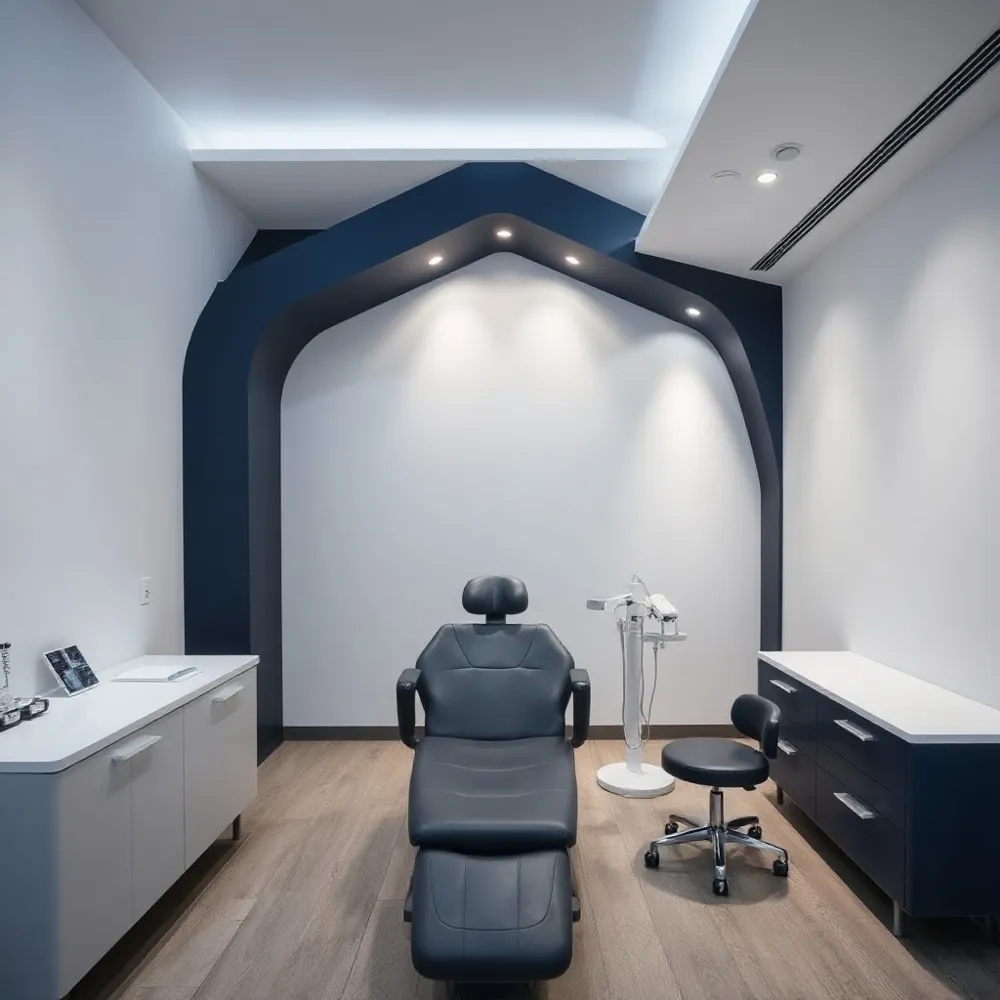 Accurate diagnosis of persistent heel or arch discomfort requires a structured clinical assessment, as symptoms often overlap between different soft tissue injuries. At advancedfootcareil.com, our specialists prioritize a comprehensive physical examination over immediate reliance on diagnostic hardware. During this visit, we assess your medical history, palpate specific areas of tenderness, and evaluate your range of motion and overall foot alignment.
Gait analysis remains an essential tool in identifying the mechanical contributors to your pain. By observing how your foot hits the ground, we can pinpoint issues like overpronation—an inward rolling motion that places excessive strain on the plantar fascia. Unlike generic clinical settings that might jump directly to static imaging, we focus on the relationship between your movement patterns and your daily activity levels to build an effective care plan.
When are imaging studies like X-rays or MRI indicated?
Standard clinical diagnosis for plantar fasciitis is often achieved without imaging. However, we utilize X-rays, ultrasound, or MRI when we need to rule out complicating factors such as stress fractures, nerve entrapment, or severe foot tendonitis. Imaging is specifically indicated if your symptoms prove resistant to initial conservative treatments or if the pain profile suggests structural damage beyond typical inflammation.
One common misconception involves the role of bone spurs. Many patients worry that these calcium deposits are the primary source of their discomfort, but research shows they are typically a secondary response to chronic soft tissue irritation rather than the underlying cause of pain. Surgical removal of a spur rarely addresses the root issue. We focus our diagnostic efforts on the soft tissue itself, ensuring that your recovery addresses the true source of inflammation.
Modern Treatment Modalities for Persistent Pain
 For patients suffering from chronic plantar fasciitis and various forms of foot tendonitis, achieving lasting relief often requires a structured, multi-stage approach. Initial conservative management focuses on reducing mechanical strain through targeted physical therapy, consistent calf stretching, and the use of custom orthotics to improve arch support. While non-steroidal anti-inflammatory drugs (NSAIDs) and rest are foundational, they often serve as a bridge to more specialized interventions rather than a permanent solution.
When symptoms remain resistant to conservative care, advancedfootcareil.com offers minimally invasive procedures designed to accelerate recovery while minimizing tissue trauma. Unlike traditional, large-incision surgery that can lead to lengthy rehabilitation, modern EPAT shockwave therapy stimulates the body's natural healing response by delivering targeted pressure waves directly to the affected area. This is particularly effective for those seeking to avoid the risks associated with corticosteroid injections, which are managed carefully due to their potential to increase the risk of tendon or fascia rupture.
What are effective non-surgical and surgical treatments for chronic plantar fasciitis and tendonitis?
For cases where conservative efforts fall short, advanced techniques like Tenex Health or similar ultrasonic procedures allow for the precise removal of damaged tissue through a micro-incision. These methods provide a substantial advantage over traditional open surgeries by reducing recovery time and post-operative discomfort. Podiatric surgeons focus on these high-precision interventions to treat the underlying source of inflammation rather than merely masking symptoms with temporary measures. Consultation with a specialist is essential for those whose pain persists despite dedicated adherence to home-based stretching and activity modification for several weeks, as persistent heel pain often points to structural imbalances that require professional correction.
Recovery Timelines and Patient Expectations
Healing from chronic overuse injuries like plantar fasciitis and foot tendonitis is a gradual, iterative process. Because these tissues sustain constant mechanical load during daily movement, they require time for structural repair rather than simple rest. At advancedfootcareil.com, treatment plans are built to manage this load, whereas conventional approaches often lack the necessary precision to facilitate long-term tissue stabilization.
Can plantar fasciitis be cured in one week?
While patients who seek professional podiatric intervention immediately after the onset of symptoms may experience significant relief within a week or two, it is rare for plantar fasciitis to be completely resolved in that timeframe. Because the condition involves structural inflammation of the connective tissue in the foot, healing typically requires a consistent, multi-week protocol rather than a singular quick fix. Feet are under constant load during daily activities, which often necessitates a longer recovery period than other soft tissue injuries. Attempting to force rapid recovery or ignoring symptoms can exacerbate the damage, potentially leading to chronic pain or long-term complications. Professional evaluation is essential to create a personalized, minimally invasive treatment plan that ensures proper healing and prevents the condition from becoming a long-term issue.
Recovery from overuse-related foot pain can sometimes take up to six months per midstatemedical.org data. Factors influencing this benchmark include your current body mechanics, adherence to prescribed custom orthotics, and how quickly you addressed initial signs of inflammation. Ignoring early-stage symptoms often allows micro-tears in the fascia or tendons to progress, turning an acute irritation into a resistant chronic condition. Patients who prioritize early consultation and comprehensive treatment tend to achieve better outcomes than those relying on trial-and-error home remedies.
Selecting Footwear for Complex Recovery
How should one choose appropriate footwear when managing both plantar fasciitis and Achilles tendonitis?
Managing both plantar fasciitis and foot tendonitis requires a delicate balance of arch support and strategic heel elevation to offload stress from the affected tissues. A shoe featuring a firm heel cup and robust arch support stabilizes the foot, effectively reducing strain on the plantar fascia. To accommodate Achilles tendonitis, you should look for a moderate heel-to-toe drop of approximately 1 to 2 centimeters, which lessens tension on the tendon during movement.
At advancedfootcareil.com, we emphasize that standard sneakers often fail to provide these specific biomechanical corrections. A stiff, rockered sole can further assist by distributing pressure away from the heel, while a wide toe box allows for natural foot alignment. Because these conditions demand competing mechanical adjustments, it is wise to seek a personalized assessment. Our clinic focuses on custom orthotics to provide support that over-the-counter options cannot match, helping to prevent the prolonged pain associated with mismanaged overuse injuries.
Achieving Lasting Relief Through Specialized Care
Early medical evaluation is critical when foot discomfort persists beyond two weeks. Because symptoms of plantar fasciitis and foot tendonitis frequently overlap, professional assessment at advancedfootcareil.com ensures that patients receive a precise diagnosis rather than relying on generic self-care that may inadvertently delay healing. Addressing these issues early prevents the chronic tissue irritation that often complicates recovery.
Consistency with a prescribed treatment plan is the primary driver of successful outcomes. Whether a patient requires custom orthotics to provide structural arch support or targeted physical therapy to improve biomechanics, adherence to the regimen allows soft tissues to heal properly. While some conservative approaches show improvement within weeks, patients should be prepared for a recovery process that can last several months.
Modern podiatric interventions offer high success rates for those struggling with persistent pain. For plantar fasciitis, for example, the vast majority of patients achieve significant relief through non-surgical methods such as shockwave therapy or specialized stretching, making surgical intervention a rare necessity. By following professional guidance, most individuals return to their daily activities without chronic pain.