More Than a Cushion: The Hidden Functions of Custom Orthotics
More Than a Cushion: The Hidden Functions of Custom Orthotics
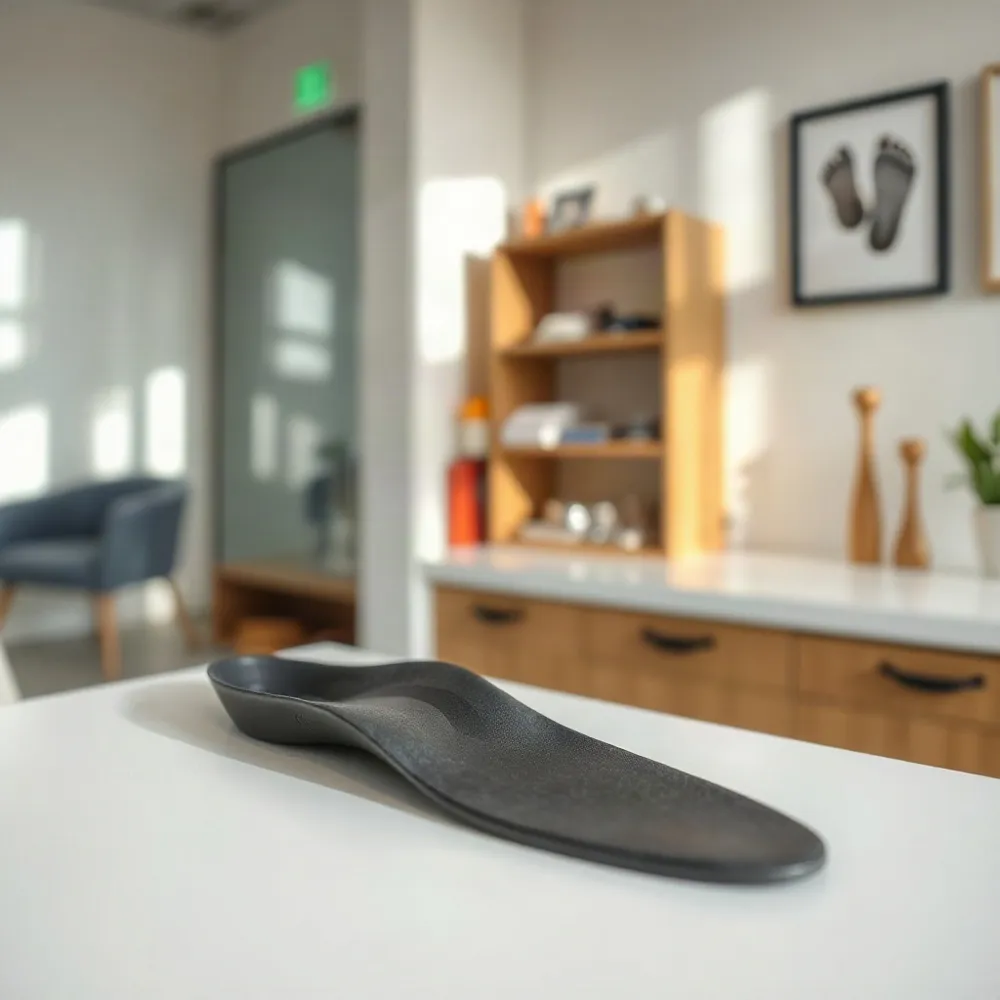
Custom orthotics are medical-grade, personalized devices prescribed by podiatrists. They are crafted using 3D scans, gait analysis, or foot molds to address an individual's unique foot structure and biomechanics, moving far beyond basic cushioning.
This section explores five vital, often overlooked functions that custom orthotics perform for foot health and systemic well-being.
They Act as Corrective Tools for Abnormal Gait
Custom orthotics are designed to control abnormal foot motion like overpronation or supination.excessive inward or outward rolling). By correcting these gait patterns, they improve weight distribution. This reduces strain on tendons, ligaments, and joints, helping to prevent conditions like calluses, stress fractures, and arthritis progression.
They Provide Structural Stabilization to Prevent Injury
Through precise arch support and alignment, orthotics stabilize the feet and ankles. This makes it less likely to roll an ankle, reducing the risk of sprains and fractures. They create a stable base for the entire body, which can lower the risk of falls and subsequent complications, especially for active individuals and older adults.
They Facilitate Systemic Alignment and Pain Relief
Foot misalignments can create a kinetic chain reaction, causing pain in the knees, hips, and lower back. Custom orthotics address the root cause by realigning the feet. This proper foundation helps align the entire body, alleviating strain on joints and muscles far beyond the feet, offering relief for chronic pain.
They Enhance Athletic Performance and Efficiency
For athletes, custom orthotics do more than prevent injuries. By optimizing biomechanics and improving force distribution, they can enhance performance. Studies show they may improve running economy, increase sprint distance, and reduce muscle fatigue by promoting more efficient movement patterns during high-intensity activity.
They Offer Long-Term, Adaptive Therapeutic Support
Unlike temporary solutions, custom orthotics provide durable, therapeutic intervention for chronic conditions. They are designed to offload pressure from sensitive areas, promote healing in conditions like plantar fasciitis or tendonitis, and can be adjusted over time as a patient's gait or needs change, supporting long-term musculoskeletal health.
| Core Function | Primary Mechanism | Common Conditions Addressed |
|---|---|---|
| Gait Correction | Controls abnormal foot motion (pronation/supination) | Flat feet, high arches, recurrent sprains |
| Injury Prevention | Stabilizes ankles and improves weight distribution | Shin splints, stress fractures, ankle instability |
| Whole-Body Alignment | Realigns feet to improve kinetic chain posture | Knee pain, hip pain, lower back pain |
| Performance Enhancement | Optimizes biomechanics for efficient force transfer | Runner's knee, Achilles tendinitis, muscle fatigue |
| Therapeutic Intervention | Offloads pressure and supports healing processes | Plantar fasciitis, tendonitis, diabetic foot ulcers |
Key Facts: Core Functions and Benefits of Custom Orthotics
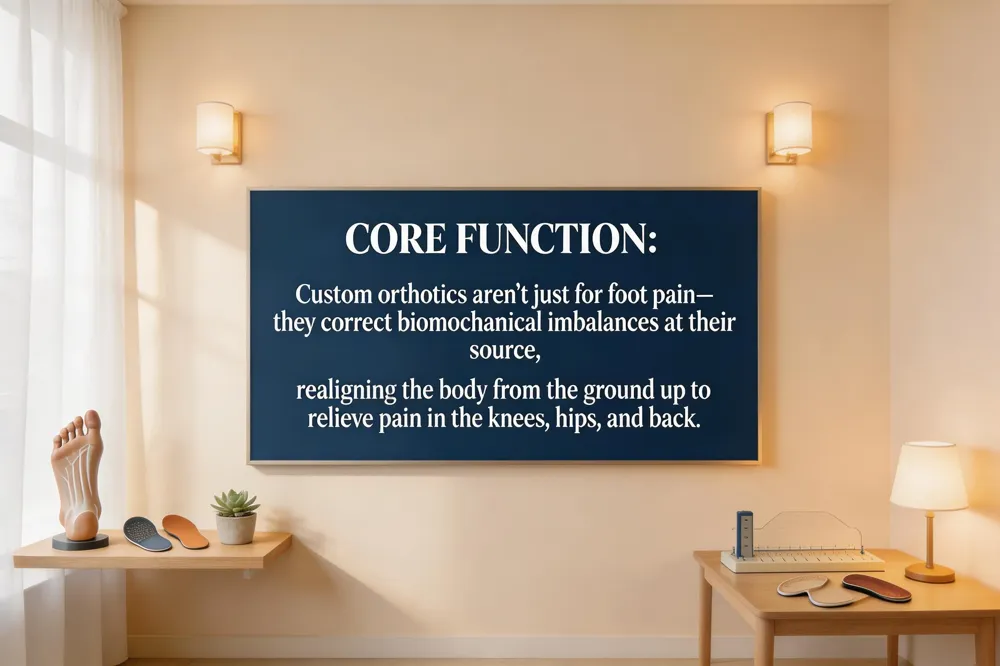
- Custom orthotics function as biomechanical correctors for the entire kinetic chain, addressing root causes of pain in the knees, hips, and back by realigning the body from the ground up.
- They are proactive tools for injury prevention, helping to stabilize ankles, prevent sprains, shin splints, and stress fractures by controlling abnormal motion and improving shock absorption.
- Custom orthotics can enhance athletic performance by improving sprint distance, lowering heart rate, and altering stride mechanics for more efficient energy transfer and reduced muscle fatigue.
- They serve as specialized therapeutic devices for diverse conditions including diabetic foot care, arthritis, tendon disorders, structural deformities, and post-surgical recovery.
- Orthotics are categorized into functional types (semi-rigid, for motion control) and accommodative types (soft, for pressure redistribution), allowing for precise, condition-specific intervention.
- Their use involves an ongoing professional partnership, starting with a comprehensive evaluation (gait analysis, foot exam) and including fittings and adjustments to ensure optimal effectiveness.
- They reduce muscle fatigue and enhance stability beyond the feet by minimizing compensatory muscle work, improving posture, and lowering fall risk, especially for older adults and athletes.
- A core benefit is correcting abnormal foot motion like overpronation or supination, which helps redistribute weight evenly and support all three foot arches.
- Custom orthotics are fabricated from precise impressions or 3D scans of an individual's feet, unlike generic insoles which offer only cushioning without personalized correction.
- They are durable medical devices with a typical lifespan of 3–5 years, representing a long-term investment in foot and musculoskeletal health compared to over-the-counter inserts.
1. They Act as a Biomechanical Corrector for the Entire Kinetic Chain
 The human body functions as an interconnected mechanical system, often called the kinetic chain. Your feet serve as the foundational base of this chain. Each foot is a complex structure comprising 26 to 28 bones, 33 joints, and over 100 muscles, tendons, and ligaments. When the feet are misaligned or functioning improperly, it sends ripple effects upward, affecting the ankles, knees, hips, and even the spine.
Common structural issues include arches that are too high (cavus foot) or too low (flat feet). Functional problems often involve abnormal motion, such as overpronation (excessive inward rolling of the foot) or supination (outward rolling). These imbalances disrupt the body's natural alignment, forcing other joints and muscles to compensate. This uneven stress distribution is a frequent cause of pain not only in the feet but also in the lower back, hips, and knees.
Custom orthotics are specifically engineered to correct these foundational flaws. Unlike generic insoles that merely offer cushioning, custom devices are fabricated from precise impressions or 3D scans of your feet. They are designed to control abnormal motion, support all three foot arches, and redistribute weight evenly.
By providing a stable, corrected foundation, orthotics help realign the entire kinetic chain from the ground up. This reduces excessive strain on joints and soft tissues far removed from the feet. For instance, correcting overpronation can help prevent the inward rotation of the knee and pelvic tilting that often contribute to hip and lower back discomfort. This function positions custom orthotics as a root-cause solution for widespread musculoskeletal pain, extending their benefit far beyond simple foot comfort.
| Core Foot Issue | Typical Resulting Imbalance | How Custom Orthotics Correct It |
|---|---|---|
| Overpronation | Ankles collapse inward, knees rotate internally, potential pelvic tilt | Provides medial arch support and motion control to limit excessive inward roll |
| Supination | Weight shifts to outer foot edge, reduced shock absorption, ankle instability | Offers lateral stability and cushioning to promote a more neutral foot strike |
| Flat Feet | Lack of arch support, overstretching of tendons, leg misalignment | Creates a supportive arch to improve foot mechanics and lower limb alignment |
| High Arches | Rigid foot, poor shock absorption, pressure on ball and heel of foot | Uses accommodative cushioning to distribute pressure and improve contact area |
2. They Serve as a Proactive Injury Prevention and Performance Tool
Moving Beyond Treatment to Prevention
While many associate orthotics with treating existing pain, their role in preventing future problems is a significant yet often overlooked function. By addressing the root biomechanical causes of injury, they offer a proactive strategy to keep individuals active and safe.
How Orthotics Shield Against Common Injuries
Custom orthotics provide targeted support to guard against specific overuse and acute injuries. The mechanisms for this protection are multifaceted:
- Stabilizing Ankles and Reducing Sprains: Orthotics stabilize the feet and ankles through precise foot support, making it less likely to roll an ankle and prevent sprains and fractures. Better weight distribution also guards against falls.
- Preventing Shin Splints and Stress Fractures: By controlling abnormal motion and improving shock absorption, orthotics reduce the excessive stress on bones and muscles that leads to shin splints and stress fractures. They are a key tool for injury prevention.
- Managing Tendonitis (e.g., Achilles): Custom orthotics can reduce strain on tendons like the Achilles by redistributing pressure and providing shock absorption to lessen muscle stress. For conditions like Achilles tendinopathy, a raised heel in the orthotic can shorten the tendon, relieving pressure.
Optimizing Athletic Performance
For athletes and active individuals, custom orthotics are a tool for enhancing performance, not just managing pain. By correcting foot alignment issues, they optimize the body's biomechanics for more efficient movement.
- Improved Efficiency and Power: Correcting gait from the foot up improves alignment and efficient energy transfer. This can generate more power during activities like running or jumping, helping to boost athletic performance.
- Reducing Muscle Fatigue: Orthotics provide the necessary support so muscles don't have to work as hard to maintain stability, decreasing overall fatigue and increasing comfort. This enhances athletic performance by reducing strain.
- Enhancing Focus and Comfort: By ensuring superior shoe comfort and eliminating foot distractions, orthotics allow athletes to concentrate more fully on their sport, a benefit of personalized orthotic support.
Evidence from Athletic Performance Studies
Scientific research supports these performance claims. One study focused on repeated sprint ability in well-trained athletes. When wearing custom foot orthotics made from materials like EVA or TPU, compared to shoes alone, participants demonstrated measurable improvements:
| Study Outcome with Orthotics | Details from the Research |
|---|---|
| Improved Sprint Distance | Covered approximately 2-3% more distance during repeated sprints. |
| Lower Heart Rate | Experienced heart rates about 4 beats per minute lower, suggesting improved efficiency or reduced cardiovascular strain. |
| Altered Stride Mechanics | Showed shorter ground contact times and more forceful propulsion phases. |
The study concluded that custom orthotics improve repeated sprint ability, enhancing athletic output without altering the fundamental biomechanical patterns of fatigue.
Key Prevention and Performance Mechanisms
| Primary Goal | How Custom Orthotics Achieve It | Common Conditions/Injuries Addressed |
|---|---|---|
| Injury Prevention | Stabilizes ankles, absorbs shock, distributes pressure evenly. | Shin splints, stress fractures, ankle sprains, Achilles tendonitis. |
| Performance Enhancement | Optimizes biomechanics, reduces muscle fatigue, improves comfort. | Enhanced running speed, better endurance, increased athletic focus. |
| Correcting Imbalances | Controls overpronation/supination, realigns lower limb. | Prevents chain reaction of pain in knees, hips, and back. |
| Long-Term Durability | Made from high-quality, durable materials to provide consistent support. | Offers a lasting, cost-effective solution compared to generic insoles. |
3. They Function as Specialized Therapeutic Devices for Diverse Conditions
They Function as Specialized Therapeutic Devices for Diverse Conditions
Custom orthotics are not generic cushions; they are precise medical devices engineered to manage a wide array of specific health conditions. Their therapeutic scope extends far beyond alleviating general foot aches, targeting complex pathologies with tailored solutions that over-the-counter inserts cannot provide.
List the wide range of conditions they therapeutically manage beyond common foot pain
Orthotics serve as a core treatment modality in podiatry for numerous chronic and acute conditions. Their clinical applications include:
- Diabetic foot care: Protecting sensitive tissues, offloading pressure from ulcers, and preventing complications associated with neuropathy.
- Inflammatory and arthritic conditions: Managing pain and improving function in foot arthritis, bursitis, and tendonitis.
- Specific tendon disorders: Providing targeted support for Posterior Tibial Tendon Dysfunction (PTTD) and Achilles tendinopathy.
- Structural deformities: Addressing pain and preventing the progression of bunions, hammertoes, Haglund's deformity, flat feet (planovalgus), and high arches (cavus foot).
- Post-surgical recovery: Helping protect the lower extremity and promote proper alignment after surgeries on the knee, hip, or lower back.
- Neuromuscular issues: Aiding in the management of neuropathic wounds and ligament injuries, including chronic ankle instability.
Explain the dual therapeutic roles
Therapeutic orthotics are broadly categorized into two types based on their material and primary function, allowing for highly specific intervention.
| Orthotic Type | Primary Material | Core Function | Ideal For Conditions Like |
|---|---|---|---|
| Functional Orthotics | Semi-rigid (e.g., graphite, plastic) | Control abnormal foot motion, correct biomechanics | Flat feet, overpronation, plantar fasciitis, tendon dysfunction |
| Accommodative Orthotics | Soft, flexible materials | Cushion sensitive areas, redistribute pressure | Diabetic ulcers, painful calluses, arthritic joints, neuropathic wounds |
Functional orthotics act like steering devices for the feet, guiding them into a healthier alignment to correct abnormal gait and reduce strain on muscles and tendons. In contrast, accommodative orthotics act primarily as protective shock absorbers, designed to shield vulnerable areas from excessive pressure and shear forces.
Emphasize that this targeted, condition-specific intervention is a core function
This capacity for targeted, condition-specific intervention is the defining characteristic that separates custom orthotics from generic products. While store-bought inserts may offer temporary cushioning, they lack the diagnostic foundation and precise engineering to correct underlying biomechanical faults or protect pathologic tissues. A custom orthotic is prescribed based on a comprehensive evaluation—including gait analysis and sometimes imaging—to ensure it directly addresses the root cause of the problem, not just the symptoms. This makes them an effective, often non-surgical, component of long-term treatment plans for complex podiatric and musculoskeletal issues.
| Topic Covered | Key Detail | Clinical Purpose |
|---|---|---|
| Condition Range | Diabetic ulcers to post-surgical care | Manages diverse, specific pathologies |
| Functional Type | Semi-rigid materials, motion control | Corrects abnormal gait and alignment |
| Accommodative Type | Soft materials, pressure redistribution | Protects sensitive, damaged tissues |
| Core Differentiation | Prescribed based on clinical diagnosis | Addresses root cause, not just symptoms |
4. They Provide Dynamic, Long-Term Support That Evolves with Your Care
Contrast the long-term, adjustable nature of custom orthotics with the temporary fix of over-the-counter inserts.
Over-the-counter (OTC) shoe inserts are designed for short-term comfort and general cushioning. They may provide initial relief for mild to moderate foot fatigue but offer a static, one-size-fits-most approach. These generic insoles cannot adapt to your specific foot structure or changing biomechanical needs. Often made from lower-grade materials, they typically wear out within 6 to 12 months, losing their supportive properties and necessitating frequent replacement.
In stark contrast, custom orthotics are medical devices engineered for long-term correction and dynamic support. They are not a temporary patch but a foundational component of a personalized treatment plan. Crafted from durable materials like medical-grade graphite or ethylene-vinyl acetate (EVA), they are built to last. With proper care, custom orthotics maintain their structural integrity and therapeutic function for three to five years, representing a sustained investment in musculoskeletal health.
Explain the function of ongoing professional partnership: initial comprehensive evaluation (gait analysis, foot exam), followed by fittings and adjustments to ensure optimal effectiveness.
The journey to effective orthotic care begins with a comprehensive diagnostic partnership with a podiatrist or foot specialist. This is not a simple product purchase; it is a clinical process. The initial evaluation is thorough, involving a physical examination of your feet, ankles, and legs. The specialist will assess your foot structure, analyze your posture, and identify any specific pathologies.
A critical component is gait analysis. Using visual observation or advanced technology like digital pressure plates or 3D scanning, the podiatrist studies how you walk and stand. This reveals abnormal motion patterns—such as overpronation or supination—that contribute to pain. Your activity level, lifestyle, and types of footwear are also considered. From this detailed assessment, precise measurements or digital impressions are taken to create orthotics tailored exclusively to your unique biomechanics.
After the orthotics are fabricated, the partnership continues with a professional fitting session. The specialist ensures the devices fit correctly in your shoes and feel comfortable. This is often followed by a break-in period and scheduled follow-up appointments. During these visits, the podiatrist can make fine-tuning adjustments to the orthotics, ensuring they deliver optimal support and comfort as intended.
Highlight that orthotics can be updated or adjusted as a patient's foot changes, gait evolves, or needs shift (e.g., post-surgery, aging).
Your feet and biomechanics are not static. Custom orthotics are uniquely capable of evolving alongside these changes. Unlike rigid OTC inserts, the treatment plan involving custom devices is dynamic. If your gait pattern improves through physical therapy, or if you recover from an injury, your orthotics can be adjusted to match your new alignment.
Significant life events often necessitate updates. For instance, orthotics are highly beneficial after surgeries on the knee, hip, or lower back, helping to protect the lower extremity and promote proper alignment during recovery. The natural aging process, which can lead to loss of foot cushioning and strength, may also require modifications to your orthotic support. Furthermore, if you take up a new sport or change occupations, your orthotics can be re-evaluated and tailored to meet these new physical demands.
Mention the durability (lasting 3-5 years) as part of this long-term supportive function, representing a sustained investment in foot health.
The extended lifespan of custom orthotics—typically three to five years—is a core feature of their long-term supportive function. This durability stems from the use of high-quality, resilient materials and precision craftsmanship. While the initial cost is higher than that of OTC inserts, their longevity and therapeutic effectiveness make them a cost-effective solution over time. They address the root causes of discomfort, potentially reducing the need for other interventions and helping you maintain an active, healthy lifestyle for years.
| Feature | Over-the-Counter Inserts | Custom Orthotics | Long-Term Impact |
|---|---|---|---|
| Design Basis | Average foot shape | Individual biomechanics & pathology | Precise correction vs. generic comfort |
| Professional Involvement | Consumer purchase | Clinical evaluation & partnership | Ongoing care and adjustments |
| Adaptability | Static, non-adjustable | Can be modified as needs change | Evolves with patient's health journey |
| Material Durability | 6–12 months lifespan | 3–5 years lifespan | Sustained therapeutic value & investment |
| Primary Function | Temporary cushioning | Long-term correction & support | Manages and prevents chronic issues |
5. They Reduce Fatigue and Enhance Stability Beyond the Feet
How Improper Foot Support Contributes to Fatigue
When your feet lack proper structural support, they cannot function as an efficient foundation. The muscles in your feet, ankles, calves, and thighs must then work overtime to compensate for instability and maintain balance. This excessive muscular effort leads to rapid fatigue, discomfort, and a feeling of heaviness in the legs, especially after long periods of standing or walking.
Orthotic Support to Reduce Muscular Strain
Custom orthotics are engineered to address this inefficiency directly. By providing precise arch support and optimal alignment, they stabilize the foot's structure. This allows the musculoskeletal system to work as intended, with muscles no longer straining to correct for biomechanical imbalances. The result is a significant decrease in lower body fatigue and increased all-day comfort, as energy is conserved for movement rather than wasted on compensation.
Enhancing Stability to Prevent Falls
This foundational support directly translates to enhanced stability. By keeping the feet and ankles properly aligned, custom orthotics create a more secure base of support. This is crucial for reducing the risk of slips, trips, and falls. For older adults, where falls are a leading cause of injury, this stability function is a key protective benefit. Athletes also benefit from this stable platform, which allows for more confident and powerful movements with a lower risk of ankle rolls or missteps.
Improving Posture and Walking Efficiency
The stability provided by orthotics has an upward effect on the entire body. With the feet correctly aligned, the knees, hips, and spine can stack more naturally. This improves overall posture and creates a more efficient, economical walking pattern. You expend less energy with each step, further combating fatigue and allowing for greater endurance in daily activities and exercise.
| Function | Mechanism | Primary Beneficiary Group |
|---|---|---|
| Reduces Muscle Fatigue | Supports arches to minimize compensatory muscle work | People on their feet all day, workers, active individuals |
| Increases Stability | Aligns feet/ankles to create a secure base | Older adults, athletes, individuals with balance issues |
| Improves Gait Efficiency | Promotes proper lower limb alignment for smoother walking | Those with abnormal gait patterns, post-surgery patients |
| Lowers Fall Risk | Enhances proprioception and foot positioning | Seniors, individuals with neurological or vestibular conditions |
Your Questions Answered
What are the general benefits of custom orthotics?
Custom orthotics provide comprehensive biomechanical support by precisely aligning the feet and ankles, promoting even weight distribution and enhancing shock absorption. This stability reduces the risk of overuse injuries, such as stress fractures, bunions, and arthritis, while also correcting abnormal gait to improve overall posture and balance.
For athletes, they can enhance performance and endurance by reducing muscle fatigue and preventing injuries. They are also highly beneficial for specific populations, offering critical support during pregnancy and aiding in the recovery process from foot and ankle injuries.
Furthermore, custom orthotics serve as a vital, non-surgical management tool for chronic conditions like plantar fasciitis and diabetes, alleviating pain and inflammation to significantly improve mobility and quality of life.
Can orthotic inserts help with conditions like bone spurs or plantar fasciitis?
Yes, orthotic inserts are a cornerstone of conservative treatment for both bone spurs (heel spurs) and plantar fasciitis. They work by providing targeted cushioning to absorb shock from the bony prominence and by delivering essential arch support to reduce strain on tendons like the inflamed plantar fascia ligament.
For conditions like plantar fasciitis, custom orthotics are particularly effective as they are molded to your specific foot shape, correcting biomechanical imbalances that contribute to the problem. For heel spurs, inserts help redistribute pressure away from the painful area, alleviating direct impact.
At our clinics, we evaluate each patient’s unique condition and foot structure to recommend the most effective orthotic—from cushioned over-the-counter options to precise, custom-made devices—as part of a comprehensive treatment plan.
How much do custom orthotics cost, and are they worth the investment?
Custom orthotics typically cost between $300 and $800, while semi-custom options range from $60 to $300 and over-the-counter inserts can be as low as $10 to $20. The investment is often worthwhile for individuals with chronic foot conditions, biomechanical issues, or those who haven't found relief with generic products.
As a prescription medical device crafted from a mold or 3D scan of your feet, custom orthotics provide personalized support to correct alignment, reduce pain, and prevent further injury. Insurance coverage varies, but many plans may contribute to the cost if deemed medically necessary for conditions like plantar fasciitis, arthritis, or diabetic foot care.
For long-term foot health and improved mobility, the targeted correction and durability of custom orthotics from a professional podiatry clinic frequently justify the initial expense.
What are the benefits of orthotics for flat feet?
For individuals with flat feet, custom orthotics provide essential arch support and proper biomechanical alignment, which alleviates pain in the feet, ankles, knees, and back. They improve gait and stability by evenly distributing weight and enhancing shock absorption, reducing the risk of overuse injuries like bunions, calluses, and stress fractures.
Orthotics can also boost athletic performance by decreasing muscle fatigue and preventing injuries, allowing for longer, more comfortable activity. Furthermore, they are a key conservative treatment for managing chronic conditions associated with flat feet, such as plantar fasciitis, and can aid in recovery from related foot and ankle injuries.
By addressing the root structural issue, orthotics help prevent secondary complications and significantly improve overall foot function and quality of life.
What are the best insoles for specific conditions like diabetic neuropathy or fibromyalgia?
The best insoles vary by specific condition. For example, certain pressure-relief insoles are clinically proven to help with diabetic neuropathy, while others are designed for maximum cushioning in cases like fibromyalgia. It is essential to consult with a podiatrist for a personalized recommendation based on your diagnosis and foot structure.
Are insoles ever bad for your feet, and how do custom orthotics compare to over-the-counter options?
While not inherently bad, improperly fitted or inappropriate insoles can potentially cause issues. The key is to select the correct type—whether custom, semi-custom, or over-the-counter—for your specific foot structure and condition, ideally with professional guidance.
Custom orthotics are crafted from precise foot molds or 3D scans, using durable materials for long-lasting, corrective support. Over-the-counter inserts offer general cushioning but lack the personalized biomechanical correction needed for chronic or structural issues.
| Question Topic | Key Points Addressed | Recommended Action |
|---|---|---|
| General Benefits | Alignment, injury prevention, performance, chronic conditions | Consult for personalized assessment |
| Bone Spurs & Plantar Fasciitis | Cushioning, arch support, pressure redistribution | Consider custom orthotics for targeted relief |
| Cost & Investment | Price range, insurance, long-term value | Evaluate medical necessity with provider |
| Flat Feet | Arch support, pain relief, improved gait | Use custom devices for structural correction |
| Specific Conditions | Diabetic neuropathy, fibromyalgia cushioning needs | Seek condition-specific insole guidance |
| Insoles vs. Custom Orthotics | Fit issues, material quality, correction level | Choose based on professional diagnosis |
Taking the Next Step Toward Comprehensive Foot Health
Multifunctional Tools for Comprehensive Foot Health
Custom orthotics are far more than simple shoe inserts. They represent a class of medical-grade devices engineered for correction, prevention, and therapy. Their primary functions extend beyond cushioning to actively realign foot structures, redistribute pressure, and stabilize the entire lower extremity. This biomechanical intervention can alleviate pain from conditions like plantar fasciitis, bunions, and tendonitis while simultaneously preventing secondary injuries such as shin splints and stress fractures. By addressing the root cause of dysfunction, custom orthotics serve as a long-term investment in musculoskeletal wellness, supporting mobility and activity for years.
The Critical Role of Professional Evaluation
Accessing the full therapeutic potential of custom orthotics requires a precise, individualized approach that only a professional evaluation can provide. Over-the-counter inserts offer generic support, but they lack the specificity to correct abnormal gait, control excessive pronation, or accommodate unique foot pathologies. A podiatrist conducts a comprehensive assessment, including gait analysis, foot impression via 3D scanning, and a review of medical history and activity goals. This diagnostic foundation is essential for fabricating a device that targets your specific biomechanical needs rather than just masking symptoms.
Is a Consultation Right for You?
If you experience persistent foot or ankle pain, have been diagnosed with a structural issue like flat feet or high arches, or lead an active lifestyle, a consultation for custom orthotics may be beneficial. They are particularly valuable for individuals with chronic conditions such as arthritis, for athletes seeking performance optimization and injury prevention, and for those recovering from lower limb surgery. A professional can determine if your discomfort stems from a biomechanical imbalance that orthotics can effectively address.
Your Next Step to Improved Mobility
Exploring custom orthotics begins with a conversation with a foot care specialist. For our patients in NW Chicago and South Florida, taking this step is straightforward. We encourage you to schedule a consultation at our clinic to discuss your symptoms, activity levels, and health goals. Our podiatrists will provide a thorough evaluation to determine if custom orthotics are the right solution to help you move more comfortably and confidently. Contact our office today to book your appointment and take a proactive step toward lasting foot health.