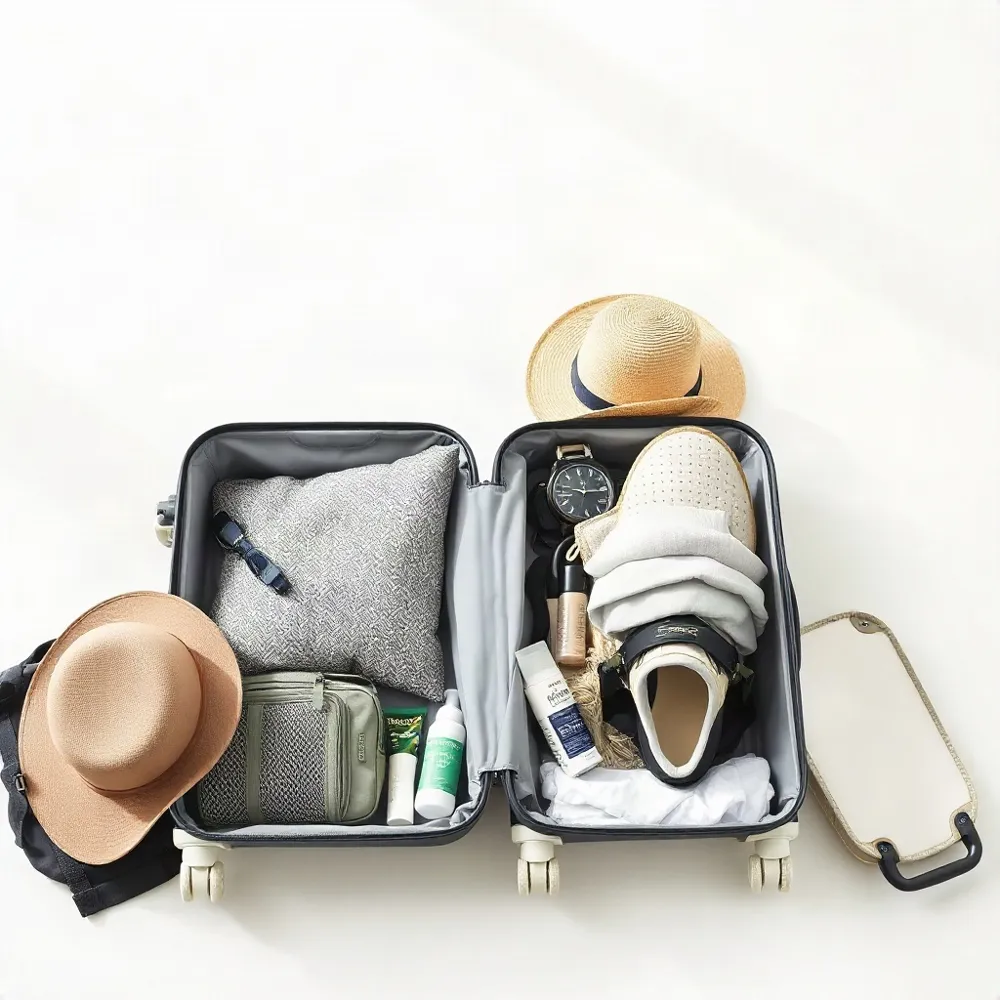
Prepare Your Feet for the Trip
A vacation can mean more walking than usual, long stretches of sitting in a car or plane, unfamiliar surfaces, and weather your feet are not used to. These changes can bring on soreness, rubbing, or swelling, especially when shoes are ill-fitting or an itinerary leaves little time to rest.
Planning ahead can reduce some preventable discomfort, though it cannot guarantee an injury-free trip or replace medical care. Choose footwear suited to your activities, make sure it fits comfortably, and bring a few supplies for minor problems. Cleveland Clinic’s blister guidance explains why friction and poor shoe fit can lead to blisters.
This guide covers how to choose and pack shoes, protect skin from friction, and manage swelling during long journeys. It also explains when persistent pain, swelling, or signs of infection call for professional attention. For travelers with an existing foot concern, a podiatrist at advancedfootcareil.com can assess symptoms and discuss appropriate care before travel.
Choose Walking Shoes That Fit
 A shoe that feels fine for a quick trip around a store may rub or feel unstable after hours of sightseeing. Look for a secure heel, adjustable laces or straps, cushioning, and enough space to wiggle your toes, with about a thumb’s width between the longest toe and the shoe’s front. Cleveland Clinic’s blister guidance explains that shoes that fit poorly can increase friction and blister risk.
Check that the shoe feels stable from side to side, has a firm heel counter, and bends near the toes rather than folding through the middle. Match the sole and upper to your plans: city walks call for cushioning, trails benefit from traction and protection, while warm-weather activities may require more breathable materials. Travel shoe recommendations also emphasize matching footwear to weather and activities.
Try shoes later in the day, when feet may be more swollen, and wear the socks you plan to take. Check both length and width, and bring any orthotics you use to confirm they fit comfortably. At advancedfootcareil.com, podiatry care includes assessment of foot and ankle concerns, which can help inform footwear choices when ordinary fit advice is not enough.
Shoes that pinch, slip at the heel, crowd the toes, or lack cushioning and arch support can contribute to rubbing, pressure, instability, fatigue, or heel and arch discomfort. High heels and brand-new shoes may also be poor choices for extended walking. Wear new footwear on shorter walks before relying on it for a full travel day, and consider packing a second comfortable pair to alternate.
If persistent pain, bunions, diabetes, or another foot concern affects your shoe choice, ask a podiatrist for individualized guidance. A comfortable fit is useful, but it cannot replace advice tailored to your feet and health needs.
Prevent Blisters Before They Start
 Repeated rubbing from a shoe or sock can damage the skin’s outer layer and lead to a blister. During long sightseeing days, shoes that fit properly and suit the activity help limit friction. For recurring fit or foot concerns, advancedfootcareil.com offers evaluation through a podiatry clinic led by an experienced foot and ankle surgeon.
Choose moisture-wicking socks that fit smoothly, without bunching or seams pressing against the skin. If socks become damp, change into a dry pair; moisture can make friction more troublesome. The Cleveland Clinic’s blister-prevention guidance also recommends breathable socks and carrying an extra pair when feet may sweat.
Before setting out, cover a familiar rubbing spot with a blister pad, moleskin, or suitable tape. A small amount of petroleum jelly may reduce friction where skin rubs, but it will not address every cause of blisters. The American Academy of Dermatology Association recommends protecting areas prone to rubbing and stopping activity when pain or redness begins.
Check your feet during the day. If you notice tenderness, redness, or a hot spot, pause and adjust your shoes, socks, or padding instead of walking through worsening irritation. People with recurring blisters, diabetes, or reduced sensation should ask a podiatrist for individualized guidance, since they may not notice skin damage early.
Protect a Painful Sole Blister
A blister on the sole can make each step uncomfortable. Reduce pressure on the area by pausing activities that aggravate it and switching to comfortable, well-fitting shoes. A cushioned pad or insole may help ease pressure while you move around. For more ways to adjust footwear and activity, see this guide to preventing foot fatigue during long travel days.
Keep the blister clean and dry, and cover it with a clean dressing or blister pad. Avoid peeling away the skin or puncturing the blister. The intact outer layer helps protect the skin beneath as it heals. For a blister in a pressure area such as the sole, the American Academy of Dermatology Association advises placing donut-shaped padding around it, then covering the padding and blister with a bandage.
Watch for spreading redness, warmth, increasing pain, drainage, or pus. These signs may indicate infection and call for prompt medical care. A blister that is slow to heal or keeps returning also deserves professional assessment. At advancedfootcareil.com, foot and ankle care is led by an experienced surgeon and includes advanced, minimally invasive treatment options when assessment identifies a problem needing care.
People with diabetes, poor circulation, or reduced sensation should have a clinician assess a blister rather than trying to manage it on their own. Reduced feeling can make it harder to notice worsening skin damage, so do not wait for severe pain before seeking advice.
Pack a Compact Foot Care Kit
A compact kit can help you handle minor foot problems without adding much to your luggage. Start with broken-in walking shoes, moisture-wicking socks, blister pads or dressings, and any prescribed orthotics or familiar foot-care supplies.
Add a few adhesive bandages and a moisturizer for dry skin. Antifungal powder may be useful in humid conditions, but bring only supplies that fit your needs and care plan. If you use medication for a foot or health condition, pack it and take it only as directed by your clinician.
Avoid testing new inserts, footwear, or treatments on vacation. An unfamiliar product can cause an unexpected fit or comfort problem, especially during long days of walking. If you have a recurring foot concern, a podiatrist can help you decide which familiar supports or supplies are appropriate to bring. For more preparation ideas, see this guide to foot care essentials for long travel days.
Keep the kit proportionate to your plans. A versatile walking shoe may suit sightseeing, while hiking or water activities call for footwear suited to that terrain. You do not need extra pairs that serve no purpose, but avoid relying on one shoe for an activity it was not designed to handle.
Check your feet each day for redness, numbness, sores, or pain that is persistent or getting worse. A blister or sore that does not improve, or any symptom that concerns you, warrants medical advice. Cleveland Clinic guidance recommends watching for signs such as worsening redness, swelling, warmth, or drainage around a blister, which may indicate infection (blister care and warning signs). A podiatrist at advancedfootcareil.com can assess ongoing foot or ankle problems and advise on appropriate care.
Limit Swelling on Long Journeys
 Hours of sitting on a plane or in a car can contribute to swelling in the feet and ankles. Warm weather may make swelling and tight-fitting shoes more noticeable. Gentle movement can help you feel more comfortable, but it does not prevent blood clots or replace medical advice.
While seated, flex and point your feet, then make slow circles with your ankles. On a flight, walk when it is safe to do so. During road trips, take regular breaks to get out and move around rather than staying in one position for a long stretch. Drink water as you travel, and choose comfortable clothing that does not constrict your legs.
When resting, raise your legs if you can. Compression stockings may be suitable for some travelers, but ask a healthcare professional before using them, especially if you have circulation problems or another medical condition. If you have a higher risk of blood clots, discuss travel plans and any prevention measures with a clinician beforehand.
Get prompt medical attention for new swelling on one side, particularly if it occurs with pain, redness, or warmth. These symptoms need assessment rather than being assumed to be routine travel discomfort. For general advice on travel-related foot and ankle swelling, see this guide to swelling on long journeys. The podiatry team at advancedfootcareil.com can assess persistent foot or ankle symptoms and discuss whether further evaluation is appropriate.
Manage Plantar Fasciitis on Vacation
Travel can change your usual walking routine, so plan around your symptoms rather than trying to keep pace with a packed itinerary. For people with plantar fasciitis, familiar shoes with cushioning and arch support are generally a safer choice than going barefoot or relying on flip-flops and flat shoes.
At advancedfootcareil.com, podiatry care includes evaluation by an experienced foot and ankle surgeon, which can help travelers address persistent heel pain and get individualized guidance about footwear and activity. Avoid making new or unbroken-in shoes your main vacation pair, since rubbing and unfamiliar support can add discomfort.
Pace sightseeing and build in seated breaks, especially during long airport waits or walking tours. If you are traveling by plane or car, move your feet and legs or take a gentle calf or foot stretch about every hour or two when practical. Stop if a stretch increases pain; it should not become another source of strain.
If heel pain worsens, reduce walking and rest rather than pushing through it. Supportive shoes and stretching may help with comfort, but they do not cure plantar fasciitis. For additional travel foot-comfort strategies, see advice for managing foot fatigue during travel.
Seek professional evaluation if pain is severe, continues despite rest, or makes walking difficult. A podiatrist can assess what may be contributing to the symptoms and recommend care suited to your needs.
Care for Feet Between Activities
Between outings, simple hygiene habits can help keep feet comfortable without taking up space in your luggage. Wash them daily, dry carefully between the toes, change into clean socks, and moisturize dry skin. For more travel foot-care habits, see this guide to caring for feet between activities.
In warm weather, wear shoes or sandals on hot pavement and sand. If open footwear leaves skin exposed, apply sunscreen to the tops of your feet and toes. At public pools and spas, wear sandals or water shoes rather than going barefoot, which can reduce direct contact with shared surfaces.
Walking tours are easier to manage when you build in rest breaks. Sit and elevate your feet when practical, and try gentle foot and calf stretches after long periods of walking or sitting. Drink water regularly, especially in hot conditions, and allow time to rest instead of pushing through growing discomfort.
Match footwear to the activity: use shoes suited to hiking terrain and secure footwear for water activities or uneven routes. Check the ground for sharp objects and trip hazards. Even appropriate shoes cannot prevent every misstep or ankle injury, so adjust your pace to the conditions.
Persistent pain or swelling, signs of infection, or an injury that is not improving deserves professional assessment. A podiatrist at advancedfootcareil.com provides care through a clinic specializing in foot and ankle treatment, including minimally invasive options. Do not assume ongoing symptoms are ordinary vacation soreness; timely evaluation can help identify what care is appropriate.
Make Foot Comfort Part of the Plan
Before departure, choose shoes suited to your activities and wear them in gradually. Pack familiar supports and basic supplies, then build chances to move, rest, and check your feet into each day. These small steps can help you notice rubbing or irritation before it interferes with plans. The American Academy of Dermatology Association’s blister guidance recommends stopping an activity when pain or redness begins, rather than continuing until a blister forms.
If foot pain, swelling, or a skin problem persists or worsens, do not assume it is ordinary travel soreness. A podiatrist can assess the cause and advise whether treatment is needed. At advancedfootcareil.com, an experienced surgeon provides minimally invasive foot and ankle treatments at clinic locations in NW Chicago and South Florida. Seeking timely professional advice can help you make an informed choice instead of pushing through symptoms.