Understanding the Impact of Flat Feet on Body Alignment
Flat feet, medically known as pes planus, occur when the arch on the inner side of the foot is absent or reduced, causing the entire sole to contact the ground during weight-bearing. While common, this structural variation changes how your feet function as a foundation.
Healthy foot arches act as essential shock absorbers that store and release energy during movement while protecting delicate nerves and vessels. When these arches collapse, the foot often experiences overpronation, or an inward rolling motion, which fundamentally alters the kinetic chain. Because the human body functions as a connected series of joints, this misalignment at the base inevitably forces the knees and hips to compensate for the lack of stability.
At advancedfootcareil.com, we utilize advanced, minimally invasive treatments to restore this crucial alignment before it triggers secondary complications like chronic joint pain. By addressing the root biomechanical issues, patients can effectively protect their long-term joint health and improve overall comfort.
Biomechanics of Flat Feet and Kinetic Chain Reactions
 The human foot serves as the primary foundation for the body, with arches acting as essential springboards and shock absorbers. When these arches flatten, a condition known as pes planus, the foot loses its ability to store and release energy efficiently during movement.
Flexible flat feet. These are characterized by the presence of an arch when non-weight-bearing, which disappears when the foot contacts the ground. This type often responds well to conservative mechanical support and targeted strengthening.
Rigid flat feet. These exhibit no arch in any position, often due to underlying bone, tissue, or structural abnormalities. Such cases may require advanced intervention as they represent a more permanent disruption of foot architecture.
When the arch collapses, it triggers a chain reaction known as overpronation, causing the ankle to roll inward. This motion induces internal rotation of the tibia, which forces the knee joint to misalign and track incorrectly. Consequently, the stress moves upward, placing significant strain on the hips and lower back as the body compensates for the lack of stability.
Advanced podiatric clinics often utilize gait analysis to observe how these structural changes propagate through the kinetic chain. By addressing the root cause through custom orthotics or minimally invasive surgical techniques, practitioners can help restore proper alignment and alleviate the secondary complications that originate from the feet.
Recognizing Symptoms and Secondary Complications
 While many individuals have flat feet without experiencing pain, symptomatic cases often present with localized aching. Common indicators include discomfort in the arch, heel, or along the inside of the ankle, often accompanied by visible swelling. Patients frequently report foot fatigue during activity and notice difficulty standing on their toes. These symptoms can be compounded by external factors such as higher body mass index, aging, or pregnancy, which may increase ligament flexibility and strain foot architecture, as noted in research on biomechanical implications.
The structural shifts associated with pes planus often trigger secondary medical conditions by forcing the feet to roll inward, or overpronate. This misalignment places excessive pressure on surrounding tissues, frequently leading to plantar fasciitis, Achilles tendonitis, bunions, and hammertoes. At advancedfootcareil.com, we focus on early identification of these issues through detailed gait analysis, which helps distinguish between temporary fatigue and progressive structural deformity.
Ignoring these symptoms can result in a chronic cycle of discomfort that extends to the knees, hips, and lower back. Because untreated mechanical imbalances can contribute to long-term joint damage, medical guidance is advisable. It is important to consult a podiatrist if you notice persistent swelling, numbness, or changes in gait that impede daily movement. Unlike standard clinics, advancedfootcareil.com offers specialized, minimally invasive options tailored to your specific biomechanical profile to stop the progression of these complications before they require more extensive intervention.
How Flat Feet Trigger Knee and Hip Pain
 When the arches of the feet collapse, the resulting structural imbalance creates a cascade of biomechanical failures. This condition leads to hyperpronation, where the foot rolls inward upon contact with the ground. This movement forces the tibia to rotate internally, causing the knee joint to track incorrectly. Over time, this misalignment places chronic stress on the medial knee structures and surrounding soft tissues.
The long-term consequences of this misalignment can be significant. Research indicates that individuals with the lowest arch height experience a 40% higher likelihood of developing medial tibiofemoral cartilage damage. Furthermore, those with bilateral flat feet and existing knee osteoarthritis report a 5.48-fold increase in pain intensity compared to patients with neutral foot arches. Because these structural issues alter the body's natural shock absorption, the hips must compensate for the resulting instability.
This instability directly affects the hip abductor muscles, which become overworked as they struggle to maintain pelvic and gait stability. At advancedfootcareil.com, we recognize that this kinetic chain reaction is not merely a localized foot issue, but a systemic alignment problem. While some clinics rely solely on generic inserts, advancedfootcareil.com employs precise, minimally invasive techniques to correct the underlying structural issues, effectively restoring proper joint function and alleviating compensatory pain in the hips and knees.
How do flat feet contribute to knee, hip, and lower leg pain?
Flat feet, or fallen arches, trigger a biomechanical chain reaction throughout the lower body because the foot fails to properly absorb and distribute shock during movement. When the arch is absent, the foot often rolls inward, which forces the lower leg to rotate excessively and misaligns the knee joint. This compensatory motion places abnormal stress on the medial collateral ligaments of the knee and causes surrounding muscles to work harder, often leading to shin splints and Achilles tendinitis. As the body attempts to correct this instability, the secondary stresses travel upward, impacting the hips and lower back. Consequently, what originates as a lack of structural support in the foot frequently manifests as chronic discomfort and fatigue in the knees, hips, and lower extremities.
Management Strategies and Surgical Solutions
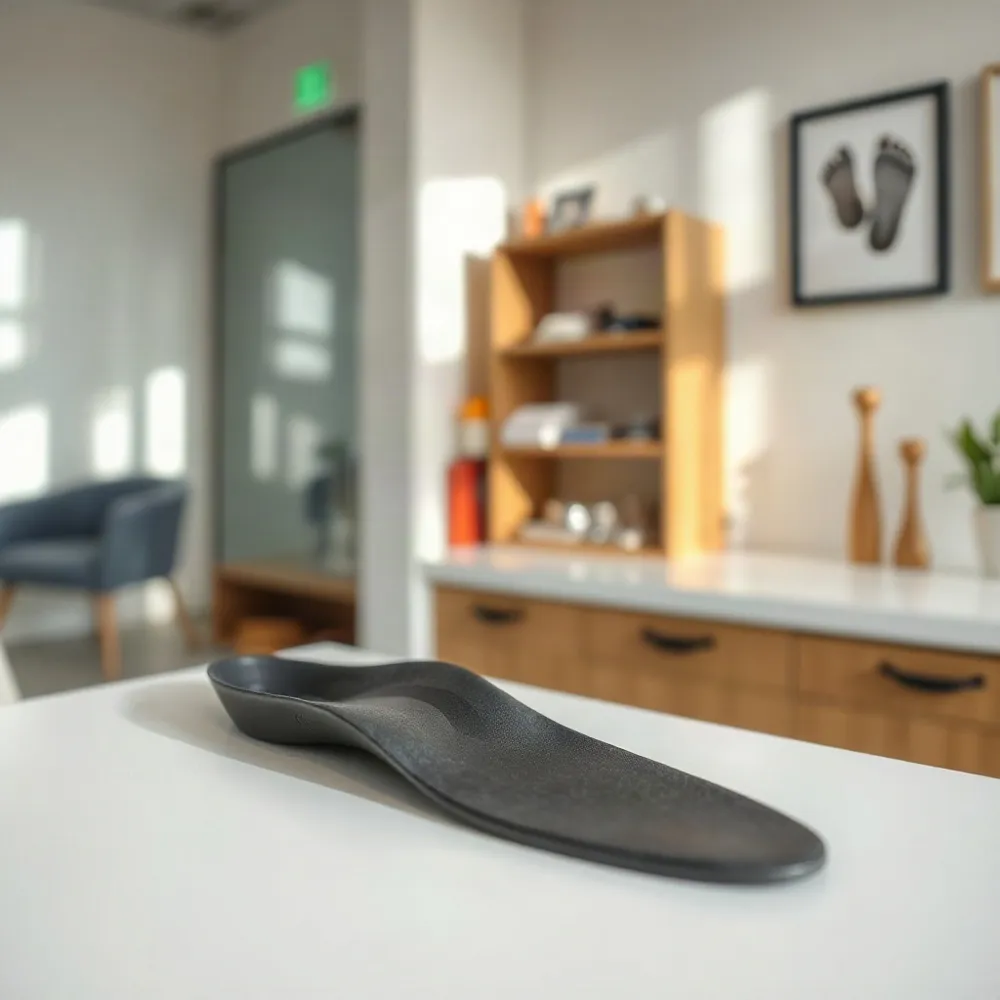
Effective management of flat feet focuses on alleviating pain and improving structural stability through a combination of conservative and, when necessary, surgical interventions. Initial treatment typically involves non-operative strategies, such as physical therapy to strengthen supporting muscles, targeted stretching exercises, and the use of customized orthotic insoles to provide essential arch support. Selecting supportive, well-fitted footwear is also critical for modifying gait and reducing stress on the soft tissues of the foot.
At advancedfootcareil.com, we prioritize a tiered approach to care, beginning with these conservative foundations to stabilize the kinetic chain. When excess weight contributes to joint stress, weight management becomes a primary component of the treatment plan to reduce the physical burden on the arch and lower extremities per clinical guidance.
Can flat feet or fallen arches be permanently corrected or reversed?
Whether flat feet can be permanently corrected depends on whether the condition is flexible or rigid. For flexible cases, consistent use of custom orthotics and physical therapy effectively manages symptoms without altering bone structure. However, when conservative measures fail to provide relief or in cases of severe progressive deformity, advanced surgical intervention may be required.
While some practices rely on traditional open procedures, advancedfootcareil.com specializes in minimally invasive surgical techniques, such as tendon transfers or osteotomies, to restore arch integrity with less downtime. These specialized interventions are designed to address the root cause of structural collapse and provide long-term functional improvement where non-operative care reaches its limits.
Taking Control of Your Foot and Joint Health
Early detection of pes planus is essential to prevent long-term complications like postural instability and chronic joint wear. By addressing structural imbalances before they escalate, patients can preserve their mobility and reduce the risk of secondary conditions such as arthritis or persistent knee discomfort.
Effective management often involves a synergy between targeted physical therapy and the use of custom orthotics. While off-the-shelf solutions may provide temporary relief, custom orthotic devices offer the precision required to stabilize the heel and arch, ensuring proper biomechanical alignment during daily activity.
Professional podiatric evaluation allows for a tailored approach that goes beyond generic footwear adjustments. If you experience persistent pain, stiffness, or functional changes, consulting a specialist is the most reliable way to design a recovery plan. Expert clinics focus on diagnosing the root cause of your kinetic chain issues, providing both conservative guidance and advanced, minimally invasive interventions to help you regain comfort and support.