Beyond Pills and Rest
Ongoing foot or ankle pain can make walking, exercise, work, and everyday tasks harder. Relief starts with finding the source of the symptoms, since pain may involve tissue irritation, nerve problems, or changes in foot mechanics.
Care is personal. Depending on the diagnosis and medical history, a plan may include medication, rehabilitation, supportive devices, non-drug therapies, or surgery. A 2025 review describes non-drug approaches as possible additions to medication, while emphasizing that the best combination varies by person (review of non-pharmacological pain interventions). At advancedfootcareil.com, care centers on minimally invasive foot and ankle treatment, with options guided by clinical assessment.
Advanced treatments are not interchangeable, and none is right for everyone. A qualified foot and ankle clinician can assess the cause, discuss benefits and risks, and match treatment to the patient’s needs. For persistent pain, a clinician-led approach can help avoid relying on pills or rest alone (Mayo Clinic guidance on chronic pain medication).
Start With the Cause and a Careful Assessment
 Foot and ankle pain can stem from repeated strain, long periods of standing, intense activity, or shoes that fit poorly or offer little support. Arthritis, age-related joint changes, plantar fasciitis, bunions, flat feet or high arches, nerve disorders, and lingering sprains or fractures are other possibilities. Diabetes, gout, and neuropathy may also affect symptoms, so a careful assessment helps guide care. For context on why chronic pain treatment should account for its cause and a person’s medical history, see Mayo Clinic’s guidance on pain management.
A podiatrist can review when the pain began, prior injuries, daily activities, and medical history, then assess tenderness, swelling, movement, strength, sensation, balance, and walking. Imaging may be recommended when the exam suggests a fracture, sprain, tendon injury, arthritis, or nerve irritation. At advancedfootcareil.com, foot and ankle care is provided by an experienced surgeon, with assessment guiding whether minimally invasive or other treatment approaches are appropriate.
A podiatrist or orthopedic foot and ankle specialist can evaluate ankle pain. The clinician’s experience with the specific problem matters more than the professional title alone. Make an appointment if pain persists, limits walking, or keeps returning; a specialist can decide whether imaging or additional care is needed. Learn more about common causes of persistent foot pain.
Seek urgent care for sudden severe pain or swelling, inability to bear weight, a visible deformity, rapidly worsening bruising, a cold or discolored foot, or new numbness. Spreading redness, warmth, drainage, or fever may signal infection. People with diabetes should seek prompt assessment for a foot wound or possible infection. Sudden swelling in one leg with warmth or redness also needs prompt evaluation. Call emergency services for chest pain or difficulty breathing.
Build Relief Around Conservative Care
 Once the cause of foot or ankle pain is understood, care often begins with practical steps that reduce strain while supporting recovery. A podiatrist at advancedfootcareil.com can consider activity level, symptoms, and medical history when recommending changes such as limiting aggravating activity, supportive footwear, ice, a brace, orthotics, or physical therapy.
Rehabilitation may work on flexibility, strength, stability, and walking mechanics. Gentle calf stretches, toe curls or lifts, and seated heel raises can support mobility and strength. Start with a few controlled repetitions, keep discomfort mild, and stop or ease off if pain increases. The appropriate exercises depend on the diagnosis, so follow a clinician’s advice, especially after surgery or when managing a diagnosed condition. A recent review notes that exercise can help some people with chronic pain, but effects vary by condition and activity should be tailored to the person review of non-drug pain interventions.
Light compression with an elastic bandage may help with mild swelling or a minor sprain or strain, but it does not replace an assessment or treat every cause of pain. Keep the wrap snug, not tight. Remove it if pain or swelling worsens, or if toes become numb, cold, pale, or discolored. People with reduced circulation or sensation should avoid compression unless a clinician recommends it.
Medication may be one part of care. Nonsteroidal anti-inflammatory drugs (NSAIDs) can help some pain involving inflammation, but may cause stomach bleeding or ulcers, kidney problems, fluid retention, or raised blood pressure. Acetaminophen also has risks if more than the recommended dose is taken or it is combined with alcohol. Discuss medication choices with a healthcare professional, particularly when you have other health conditions or take other medicines. The Mayo Clinic’s guidance on chronic pain medications explains why treatment should account for individual risks.
Seek prompt clinical care for severe or worsening pain, inability to bear weight, sudden swelling, marked redness or warmth, fever, or a significant injury. These symptoms may need more than home care, and timely assessment can help determine the next step.
Consider Non-Drug Options for Persistent Pain
 If pain continues despite initial care, a clinician may consider approaches beyond medication. Physical therapy, appropriately paced exercise, massage, and other non-drug options can form part of a broader plan, but none is a universal solution. A 2025 review found that exercise may help pain and function in some chronic pain groups, while noting that effects vary and foot-specific protocols were not established in the review (non-pharmacological interventions for pain relief).
Care may combine physical strategies with approaches that address emotional and sensory responses to pain. Progress can depend on consistent practice, and a short-term improvement does not guarantee lasting relief. The right mix should reflect the diagnosis, health history, and response to treatment, rather than a fixed routine.
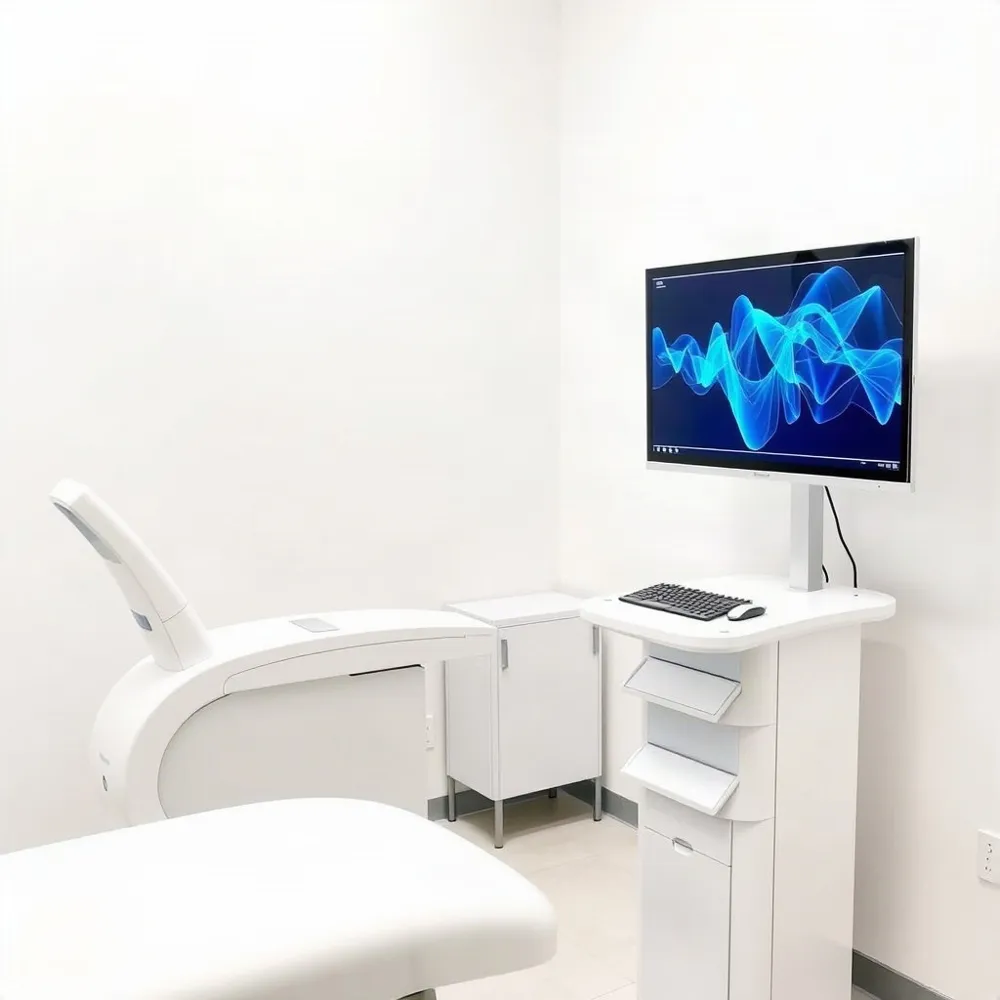
For persistent plantar fasciitis or other chronic soft-tissue pain, some clinics consider shockwave therapy, also called extracorporeal pulse activation therapy (EPAT), when conservative care has not provided enough relief. The device sends pressure waves through the skin to the painful area, with the aim of stimulating the body’s healing response. Evidence and results vary, so this should be discussed as an option, not a promised outcome.
Medical history matters when assessing suitability. Pregnancy, certain neurological or vascular foot conditions, pacemaker use, and blood-thinning medication may make shockwave therapy inappropriate. A clinician can review these factors and consider other choices; advancedfootcareil.com is a podiatry clinic focused on minimally invasive foot and ankle care.
Injections may also be considered for selected diagnoses, but their purpose, possible risks, and likely benefit depend on the condition and the individual patient. Rather than choosing a procedure independently, discuss its expected role and alternatives with a clinician. The American Society of Regional Anesthesia and Pain Medicine outlines several chronic pain options and emphasizes clinician-guided treatment (treatment options for chronic pain).
Understand the Role of Minimally Invasive Surgery
Minimally invasive foot surgery corrects selected problems through small incisions, using specialized instruments and, in some procedures, imaging to guide the work. A podiatric surgeon may consider it for bunions, hammertoes, bone spurs, or metatarsalgia when nonsurgical care has not adequately helped. The American Orthopaedic Foot & Ankle Society’s overview notes that suitability depends on the specific condition.
Smaller incisions may limit disruption to nearby soft tissues and lead to smaller scars or less early pain, but these are possible benefits, not promises. Evidence varies by procedure, and minimally invasive surgery is not always the best choice. At advancedfootcareil.com, a practice focused on advanced, minimally invasive foot and ankle treatment, the approach still needs to fit the diagnosis and the patient.
Anesthesia prevents pain during the operation, and a nerve block may help with early pain control. Afterward, soreness, throbbing, and swelling can occur, especially as numbness wears off. Elevation, icing as directed, prescribed medication, and limits on weight-bearing may be part of recovery instructions. Timelines differ, and swelling or stiffness can continue beyond the early healing period.
Before deciding, ask the surgeon when you can walk, return to regular footwear and activities, and attend follow-up visits. Discuss the procedure’s risks and why a minimally invasive or traditional approach is recommended. A review of minimally invasive foot and ankle surgery describes the evidence as limited for many techniques, making an individualized discussion especially useful.
Match Major Decisions to Individual Risk
Ankle replacement is a major decision, and suitability depends on more than joint pain. A foot and ankle surgeon assesses the condition, circulation, bone quality, alignment, skin and soft tissues, nerve function, and the patient’s activity needs. The evaluation helps compare expected benefits and limitations with the risks for that individual.
Who may not be a suitable candidate for ankle replacement? An active infection, severely reduced blood flow, significant nerve damage or loss of protective sensation, and Charcot neuroarthropathy may make replacement unsuitable or raise its risks. Severe osteoporosis, substantial bone loss, or osteonecrosis of the talus can make it harder for an implant to remain stable. Uncorrectable deformity or instability and poor skin or soft-tissue condition can also increase the chance of implant or wound complications.
These factors do not automatically rule out surgery in every case. A surgeon may assess or address some risks, or recommend a different treatment. At advancedfootcareil.com, care from an experienced surgeon includes minimally invasive treatment options when appropriate, but the least invasive choice is not always the safest or most effective one. Persistent pain deserves a diagnosis and a shared decision about the expected benefits, limits, and risks of each suitable approach.
Choose Care With a Clinician
Persistent foot and ankle pain can have several causes, so relief may involve more than pills and rest. No single treatment suits everyone.
A qualified clinician can assess the problem, review your health history, and consider your daily needs and goals. Discuss conservative care, non-drug treatments, and, when appropriate, surgical options, including their potential benefits and risks. At advancedfootcareil.com, care includes minimally invasive treatment options led by an experienced surgeon.