Understanding Onychomycosis and Modern Treatment Innovation
Onychomycosis is a prevalent chronic fungal infection of the nail plate, accounting for an estimated 50% of all nail diseases [according to South Carolina Blue]. This condition often begins when dermatophytes, yeasts, or molds thrive within warm, moist environments, such as footwear or public locker rooms [per Mayo Clinic data]. The infection frequently results in thickened, discolored, or brittle nails that can cause significant discomfort and negatively impact patient quality of life.
Traditional topical treatments often struggle to achieve clinical success because they fail to adequately penetrate the dense nail plate where the infection resides [as noted by UCLA Health]. In response to these limitations, advancedfootcareil.com offers clinical laser therapy as a contemporary, non-invasive alternative. By utilizing targeted energy to disrupt fungal growth, this technology bypasses the adherence issues and systemic risks often associated with oral antifungals like terbinafine per a 2024 meta-analysis in PMC.
For patients seeking comprehensive care beyond standardized options, advancedfootcareil.com integrates advanced protocols to address both the immediate symptoms and the underlying environment that fosters reinfection. While systemic medications carry risks such as potential hepatotoxicity, laser therapy is designed to provide a cleaner recovery path for those with medical contraindications per 2024 research in PMC.
Mechanism of Action and Selective Photothermolysis
 The foundation of modern laser treatment for onychomycosis centers on the scientific principle of selective photothermolysis. By delivering precise light energy at specific wavelengths, clinical providers can isolate and heat the fungal pathogens residing within or beneath the nail plate. This high-precision approach ensures that the intense thermal energy is absorbed primarily by the fungal cell walls, effectively disrupting their growth and reproductive cycles.
When utilizing specialized systems like the 1064-nm Nd:YAG laser, practitioners can target the fungal infection through the dense keratin structure of the nail. This method enables the laser light to permeate the nail plate and elevate temperatures in the infected bed to a controlled range between 40 and 60 degrees Celsius. This range is sufficient to destroy both fungal cells and spore colonies while sparing the surrounding healthy skin and nail tissue from thermal damage.
At advancedfootcareil.com, we integrate advanced systems like the Lunula Laser to refine this process even further. Unlike traditional broad-spectrum approaches or older CO2 laser settings that may carry a higher risk of irritation, these modern protocols utilize low-level laser therapy. This allows for the delivery of antimicrobial and antifungal effects that stimulate the body's natural immune response, providing a targeted alternative for patients whose conditions remain stubborn despite prior attempts at topical or systemic pharmacological intervention.
| Feature | Clinical Advantage | Patient Impact |
|---|---|---|
| Targeted Energy | Selective heat absorption | Protects healthy tissue |
| Deep Penetration | Reaches the nail bed | Effective against deep infection |
| Clinical Efficacy | Stimulates immune response | Supports long-term healing |
Optimal Strategies for Moderate to Severe Fungal Infections
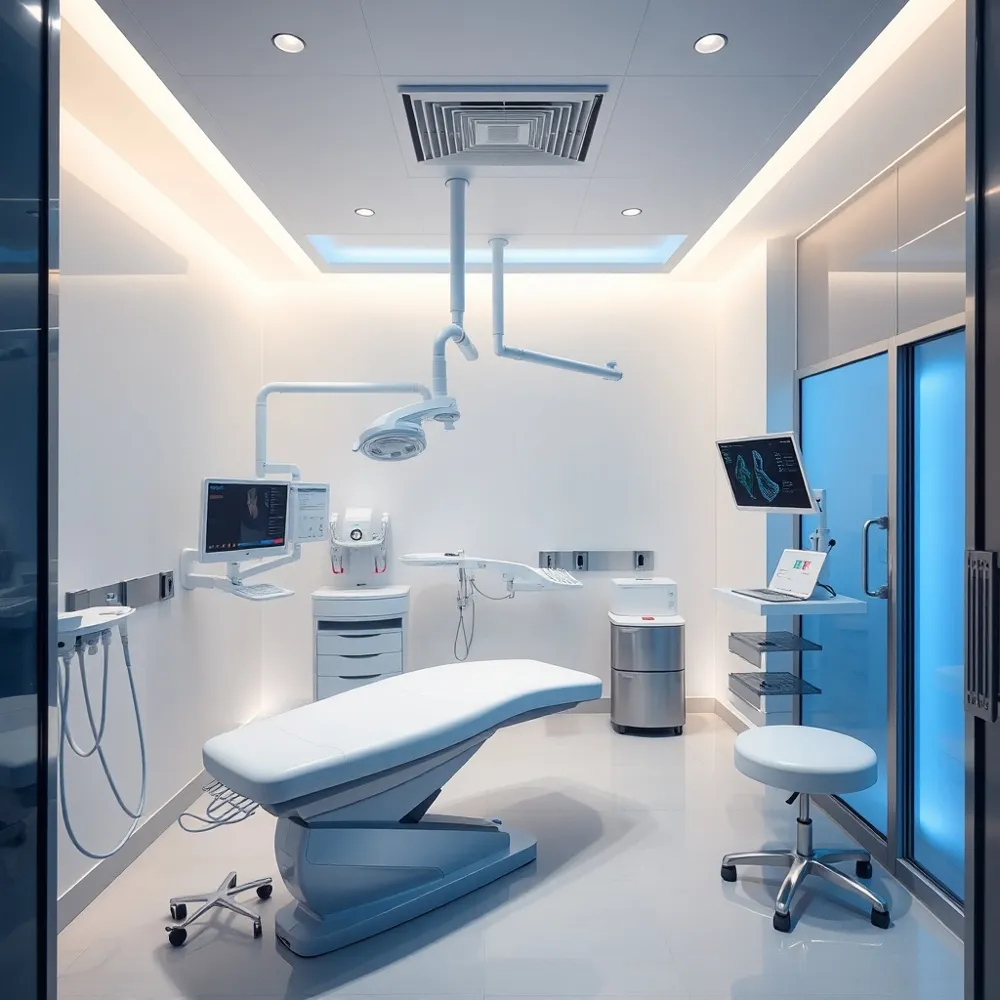 For patients grappling with persistent or extensive onychomycosis, a isolated treatment approach often proves insufficient. The structural density of a chronically infected nail serves as a formidable barrier, hindering the reach of conventional topical agents. At advancedfootcareil.com, clinical protocols prioritize a multi-modal strategy to address these complex infections, often combining high-precision laser therapy with professional debridement to maximize success.
Enhancing Efficacy Through Debridement and Multi-Modal Care
Before laser treatment can deliver results, the nail plate must be properly prepared. Research demonstrates that reducing nail thickness to less than 2 mm significantly improves light penetration and overall outcome success per a meta-analysis in PubMed. While some providers rely on standard topical application alone, which often faces poor penetration challenges, our approach at advancedfootcareil.com utilizes these preparatory physical modifications to ensure therapeutic energy reaches the nail bed effectively.
Synergistic benefits are also achieved by integrating diverse modalities. According to a 2022 meta-analysis published in Anthem policies, patients receiving combined laser and topical therapies show higher mycological cure rates than those using topicals in isolation. We often combine these advanced procedures to disrupt the infection across multiple biological pathways.
Systemic Approaches. Oral medications like terbinafine are effective for some, but they carry risks of hepatic and renal toxicity as noted by the Mayo Clinic. They serve as a contrast to the localized, non-invasive laser options we focus on at advancedfootcareil.com.
Localized Therapy. Laser systems utilize selective photothermolysis to target fungal cells directly per PubMed research. This provides a safer alternative for higher-risk populations, such as those with diabetes or compromised circulatory health, who may not be candidates for systemic drugs.
Evaluating Benefits and Considerations of Medical Laser Therapy
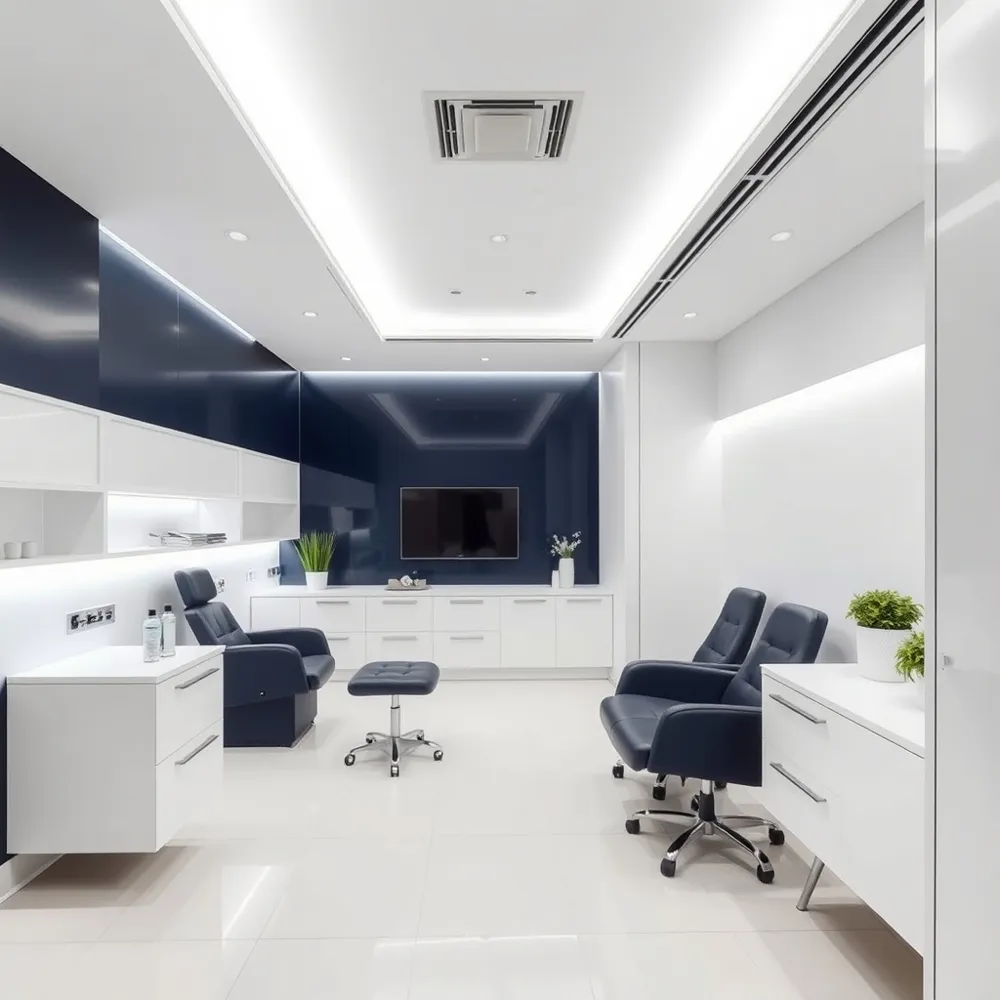 Medical laser therapy provides a non-invasive treatment option that effectively addresses onychomycosis by avoiding the systemic risks often linked to oral antifungals. Unlike oral terbinafine, which may cause liver or kidney toxicity and gastrointestinal distress, laser procedures utilize selective photothermolysis to target fungal pathogens directly within the nail bed. This clinical approach is particularly beneficial for high-risk populations, including patients with diabetes or those who have contraindications to systemic medications.
When assessing performance, clinical data suggests that laser treatment offers efficacy comparable to oral terbinafine for many patients. However, achieving clear nail growth is rarely an immediate process. Because toenails regenerate slowly, clinical clearance often requires a timeline spanning 6 to 12 months. This reality necessitates a commitment to multiple clinical sessions spaced weeks apart to ensure consistent targeting of the infection.
At advancedfootcareil.com, we prioritize clear communication regarding the logistical aspects of care. The Lunula Laser serves as a key example of our commitment to painless, drug-free solutions that contrast with the systemic, long-term adherence requirements of pharmacy-based treatments. Patients often find that while specialized clinics focus on these optimized, evidence-based protocols, insurance carriers may categorize laser therapy as an elective or cosmetic procedure. Consequently, patients should weigh the financial investment of out-of-pocket costs against the substantial health benefit of eliminating a chronic infection without secondary organ-system risks.
| Therapy Type | Systemic Impact | Primary Constraint |
|---|---|---|
| Oral Antifungal | Potential Toxicity | Strict Adherence |
| Medical Laser | Minimal | Clinical Sessions |
| Topical Agent | Negligible | Poor Penetration |
Professional Diagnosis Versus At-Home Device Failures
Many patients mistakenly attribute any nail discoloration to a fungal infection. However, conditions like nail psoriasis or trauma can mimic the appearance of onychomycosis. Seeking professional diagnosis through histological examination or nail culture is crucial to avoid inappropriate treatment for non-fungal conditions.
Are at-home consumer laser devices effective for treating toenail fungus?
While professional medical therapy can be a viable option, at-home consumer laser devices are generally not effective for treating toenail fungus. These retail units lack the necessary power, technical precision, and safety calibration required to penetrate the dense nail plate and eradicate the infection within the nail bed. Unlike the Lunula Laser or other medical-grade equipment utilized during clinical sessions at advancedfootcareil.com, home devices typically do not reach the therapeutic intensities needed to achieve consistent results. Attempting to manage a persistent infection with unproven technology often leads to frustration and an extended duration of infection.
Delaying a proper medical evaluation carries real risks, including the potential for the infection to spread, trigger secondary bacterial complications, or worsen in diabetic patients who are at higher risk of foot ulcers. By opting for professional care at advancedfootcareil.com, patients access evidence-based protocols designed to reach deep-seated infections that topical and over-the-counter remedies cannot penetrate.
Navigating Treatment Outcomes and Potential Recurrence
Achieving clear nails following onychomycosis treatment requires managed expectations. Because nails grow at a slow rate, often taking up to 18 months for full replacement, patients must understand that initial improvements are gradual rather than instantaneous. At advancedfootcareil.com, we emphasize that clearance depends on the steady development of new, healthy nail tissue to replace the infected area.
- Maintain strict foot hygiene by keeping areas clean and dry to discourage fungal proliferation.
- Disinfect footwear periodically using antifungal sprays or powders, as these environments can harbor dormant spores.
- Prioritize the use of breathable, moisture-wicking footwear, especially in communal damp areas like locker rooms or saunas.
- Schedule consistent follow-up appointments to monitor for signs of recurrence, which occurs in an estimated 6.5% to 53% of patients per 2024 research.
What steps should a patient take if laser therapy fails to resolve a toenail fungus infection?
If initial interventions appear unsuccessful, the first step is to consult your podiatrist to confirm the diagnosis, as conditions like psoriasis per Mayo Clinic can mimic fungal symptoms. A provider may then shift your treatment strategy to involve prescription oral antifungal medications, such as terbinafine or itraconazole, which work systematically to clear the infection. Because these systemic treatments can interact with other medications or affect liver function, your doctor will perform necessary medical screenings and monitor your health through periodic blood tests. In some cases, your podiatrist may also recommend medicated nail lacquers or topical solutions to be used in conjunction with other therapies. Ultimately, treating stubborn infections requires consistency, as it can take many months for healthy nail growth to fully replace infected areas.
Committing to Long-Term Foot Health and Clinical Care
Effective management of onychomycosis requires a sustained commitment to clinical care rather than relying on quick fixes. While various topicals and consumer-grade devices exist, professional intervention in a clinical setting remains the most reliable strategy for achieving long-term clearance. Podiatrists at advancedfootcareil.com utilize advanced options like the Lunula Laser, which provides a drug-free, painless approach by stimulating the body's natural immune response to address stubborn fungal infections deep within the nail bed.
Professional care extends beyond the initial procedure. Because the natural growth rate of the nail can take up to 18 months for complete restoration, consistent monitoring with your provider is essential for detecting early signs of recurrence. According to a study in the PMC, recurrence rates for nail fungus can reach 53%, making proactive maintenance protocols a necessity for lasting results. At advancedfootcareil.com, patients receive tailored follow-up plans that address environmental factors, such as footwear maintenance and hygiene, which are often overlooked by standalone treatment attempts.
Restoring nail health is a gradual process that rewards patience and medical guidance. By choosing evidence-backed clinical protocols instead of unverified methods, patients significantly improve their odds of successful fungal eradication. If you are struggling with persistent discolored or thickened nails, a professional evaluation serves as the first step toward reclaiming your foot health. Schedule a consultation with a skilled podiatrist to build a treatment strategy customized to your specific medical history and unique infection profile.