Beyond the Scalpel: A New Era of Precision and Prevention in Foot Health
The field of podiatry is undergoing a profound shift, moving away from a one-size-fits-all, reactive model to a future defined by hyper-personalized, technology-driven care. This transformation, powered by the convergence of artificial intelligence, advanced manufacturing, and minimally invasive techniques, is not just changing tools—it's reshaping the entire patient experience, offering faster recoveries, greater precision, and a powerful emphasis on prevention.
Modern foot care is increasingly proactive and tailored. The integration of artificial intelligence with biomechanics exemplifies this shift. AI systems now analyze data from wearable sensors that track micro-movements during activity, creating highly detailed movement profiles.
This data enables predictive modeling, where algorithms can forecast potential injuries before they become symptomatic. For diabetic patients, machine learning models analyze thermal images or clinical markers to assess ulcer risk with reported accuracy above 90%. This transforms care from reactive treatment to early, preventative intervention.
For patients, this means that common yet debilitating signs—from persistent heel pain and changing toenails to the slow development of a bunion—are no longer mere inconveniences to be tolerated. They are data points. With today's innovations, these signs can be precisely measured, analyzed, and addressed earlier and more effectively than ever before, often with treatments that minimize downtime and maximize long-term foot health.
Diagnostic precision has been revolutionized. In-office digital X-rays and diagnostic ultrasound provide immediate, high-clarity imaging of bone and soft tissue. Advanced 3D scanners capture foot geometry accurate to the micrometer, creating a perfect digital map.
This detailed anatomical data feeds directly into treatment personalization. For conditions like plantar fasciitis or a developing bunion, pressure mapping systems identify abnormal weight distribution. Smart insoles with embedded sensors provide continuous, real-time feedback on gait and pressure points, turning daily activity into a stream of actionable health data.
Artificial intelligence supports clinical decision-making by analyzing complex data to personalize treatments and predict complications.
AI's role extends beyond diagnostics. It assists in creating individualized treatment plans. By analyzing medical images, patient history, and sensor data, AI can help podiatrists determine the optimal therapeutic approach, whether for a custom orthotic or a surgical plan.
Telemedicine platforms, enhanced by AI, allow for remote monitoring of chronic conditions like diabetic neuropathy. Patients can share data from smart devices during virtual consultations, enabling timely adjustments to care plans without a clinic visit. This makes expert guidance more accessible.
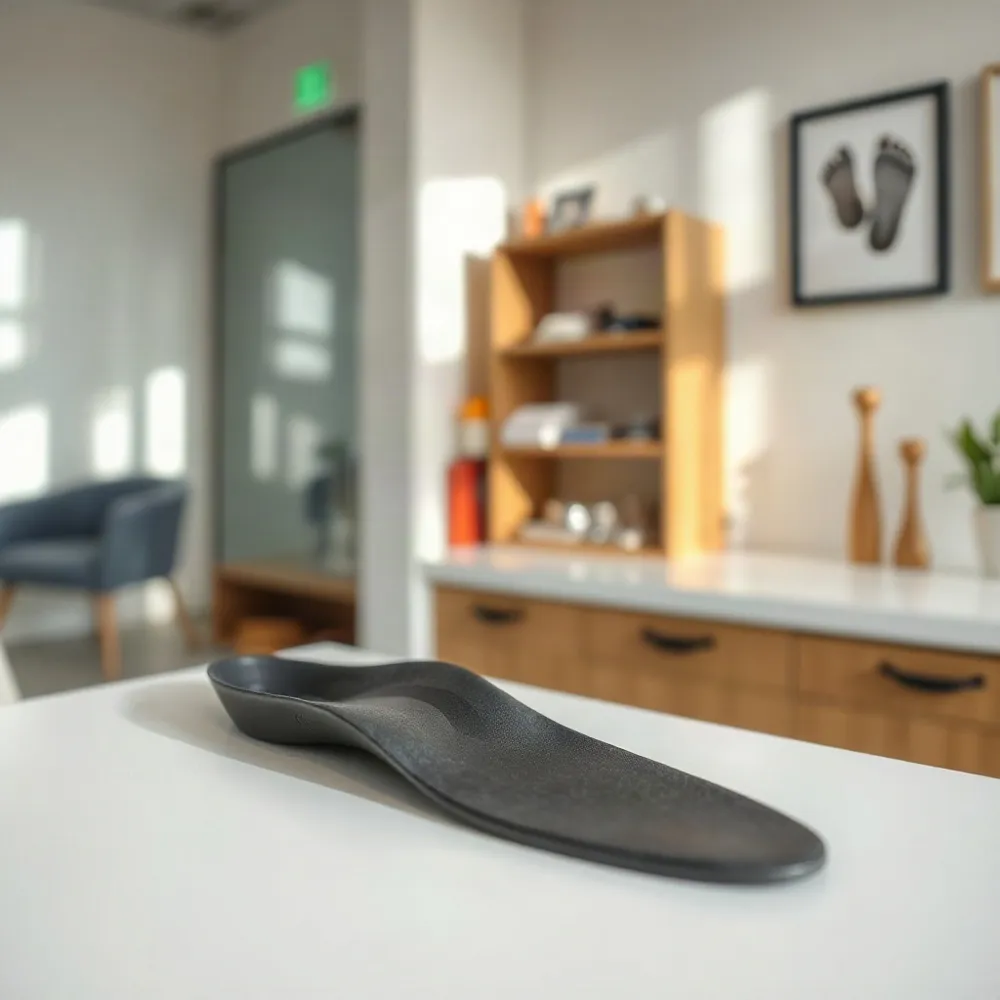
3D printing technology is becoming more accessible and precise for creating custom orthotics tailored to individual foot shapes.
The manufacturing of personalized medical devices has been accelerated by 3D printing. Traditional plaster casting for orthotics is being replaced by digital scanning and additive manufacturing. Production times have shrunk from weeks to mere days or hours.
New, lighter, and more durable materials are used, resulting in orthotics that offer superior comfort and support. The technology also enables the creation of fully functional custom implants for surgical applications. This on-demand fabrication improves patient access to perfectly fitted solutions.
Minimally invasive surgical techniques are an advancement in podiatry. Procedures like arthroscopy for ankle issues are becoming the standard of care, as they reduce recovery times and improve outcomes.
Surgical innovation focuses on minimizing impact. Minimally invasive foot surgery (MIS) uses incisions about 75% smaller than traditional open surgery. Specialized instruments and real-time imaging, like fluoroscopy or endoscopic cameras, guide the surgeon.
Common procedures now performed with MIS include bunion correction, hammertoe surgery, endoscopic plantar fasciotomy, and ankle arthroscopy. For bunions, systems like the HyperFlex implant allow for realignment without cutting bone, facilitating immediate walking and a return to full activity within about three months.
Robotic systems are used for minimally invasive foot surgeries, allowing for precise movements that can reduce complications and speed up recovery times.
Robotic-assisted surgery adds another layer of precision. Systems like the Mazor X provide computer-guided instrument control. Smart surgical tools offer real-time tactile feedback, helping surgeons differentiate between tissue types to minimize accidental damage.
This enhanced precision translates to smaller incisions, less soft tissue trauma, reduced post-operative pain, and notably shorter recovery periods. Many of these procedures are outpatient, allowing patients to return home the same day.
Regenerative medicine therapies, such as platelet-rich plasma (PRP) and stem cell treatments, are being explored to accelerate healing and reduce recovery times for foot and ankle conditions.
Biological treatments are boosting the body's innate healing. Platelet-Rich Plasma (PRP) therapy involves injecting a concentration of the patient's own platelets into injured areas, such as tendons or the plantar fascia, to stimulate repair.
Shockwave therapy (ESWT) uses acoustic waves to treat chronic tendon pain and plantar fasciitis, increasing blood flow and promoting healing. The Multiwave Locked System (MLS) Laser Therapy is a non-invasive treatment using concentrated light to reduce pain and inflammation, with sessions as brief as ten minutes.
These regenerative and non-invasive options are often used to avoid or augment surgery, offering effective alternatives with minimal downtime.
Laser therapy is a non-invasive treatment gaining popularity for conditions like fungal infections and chronic pain.
For specific podiatric conditions, laser technology provides targeted solutions. The Lunula Laser offers a painless, drug-free treatment for toenail fungus. Swift Microwave Therapy stimulates the immune system to clear plantar warts without creating an open wound.
Pinpoint and Pulse Dye Lasers treat fungal infections and vascular lesions. These advanced laser therapies are precise, promote faster healing, and typically involve little to no recovery time, representing a significant shift from older, more invasive methods.
| Innovation Category | Specific Technology/Technique | Primary Application in Podiatry | Key Patient Benefit |
|---|---|---|---|
| Diagnostic & Analysis | AI-Powered Gait Analysis & Predictive Modeling | Injury prevention, personalized treatment plans | Early risk identification, hyper-personalized care |
| Diagnostic & Analysis | 3D Digital Scanning & Pressure Mapping | Custom orthotic design, biomechanical assessment | Perfect device fit, targeted pressure relief |
| Treatment & Devices | 3D-Printed Custom Orthotics & Implants | Support for deformities, post-surgical reconstruction | Rapid production, perfect anatomical match |
| Surgical Intervention | Minimally Invasive & Robotic-Assisted Surgery | Bunion correction, hammertoe, plantar fasciotomy | Smaller scars, less pain, faster recovery |
| Biological Healing | Regenerative Therapies (PRP, Shockwave, MLS Laser) | Tendonitis, plantar fasciitis, chronic pain | Stimulates natural healing, non-invasive option |
| Targeted Treatment | Advanced Laser & Microwave Therapy | Toenail fungus, plantar warts, vascular lesions | High precision, minimal downtime, drug-free |
| Care Delivery & Monitoring | Telemedicine & Remote Monitoring (Smart Insoles) | Diabetic foot care, chronic condition management | Improved access, continuous data for early intervention |
This article will explore the key innovations at the forefront of this revolution, demonstrating how they translate from concept to clinical reality in modern podiatry practices, helping you step confidently into a future of smarter foot care.
The adoption of these technologies is not confined to major research hospitals. Local podiatry clinics are rapidly integrating AI diagnostics, 3D printing, and minimally invasive suites. This democratization makes cutting-edge foot care accessible in community settings.
The overarching trend is a cohesive ecosystem where data from intelligent diagnostics informs the creation of personalized devices and guides precise, minimally traumatic interventions. This synergy is setting a new standard for effective, efficient, and patient-centric foot health management.
The Diagnostic Revolution: AI, Gait Analysis, and the Power of Prediction
The Shift from Visual to Data-Driven Diagnosis
For decades, podiatric diagnosis relied heavily on visual observation, physical exams, and standard imaging. While effective, these methods captured a static snapshot of a foot's structure or alignment. The latest innovations provide a dynamic, comprehensive, and quantitative view of how feet and ankles function in real life.
Wearable sensor insoles and advanced 3D scanners now capture a patient’s unique biomechanics in motion. These devices measure micro-movements, pressure distribution, and gait patterns during walking, running, or other activities. This process creates a highly detailed digital biomechanical fingerprint, offering insights far beyond what the naked eye can see.
| Diagnostic Era | Primary Method | Key Limitation | Modern Data-Driven Approach |
|---|---|---|---|
| Traditional | Visual observation & static imaging | Snapshot view; misses dynamic function | Continuous, real-time motion capture |
| Modern | Wearable sensor insoles & 3D scans | N/A | Tracks micro-movements & pressure points |
| Outcome | Qualitative assessment | Subjective interpretation | Quantitative, objective biomechanical data |
The Role of Artificial Intelligence in Pattern Recognition
The sheer volume of data from gait sensors and scans is immense. This is where Artificial Intelligence (AI) and machine learning become indispensable. Sophisticated algorithms are trained to analyze this complex biomechanical data, identifying subtle patterns that correlate with specific conditions.
AI in podiatry for faster diagnoses can detect anomalies indicative of plantar fasciitis, stress fractures, or the early stages of diabetic neuropathy. It does this by comparing an individual's data against vast datasets of normal and pathological gait patterns. Clinical studies, particularly in diabetic foot care, report AI model accuracy rates often exceeding 90% for classifying ulcer risk or detecting abnormalities.
This analytical power allows for earlier and more precise diagnoses. Conditions can be identified based on biomechanical warning signs, often before a patient experiences severe pain or visible symptoms, enabling much earlier intervention.
Enabling Proactive Care Through Predictive Modeling
Perhaps the most transformative aspect of this technology is its predictive capability. Moving beyond diagnosing existing problems, AI-driven systems can forecast potential future issues. This shifts the paradigm of podiatric care from reactive treatment to proactive prevention.
By analyzing gait and pressure data over time, predictive modeling for injury prevention can assess an individual's risk for specific injuries, such as stress fractures in athletes. For patients with diabetes, these models can calculate the likelihood of ulcer development at specific high-pressure sites on the foot.
This predictive insight allows a podiatrist to recommend targeted preventative strategies. These might include specific strengthening exercises, gait retraining, or the early use of custom orthotics to offload pressure before an ulcer forms. This approach aims to stop problems before they start, improving long-term outcomes and reducing the need for more invasive treatments later.
The Indispensable Role of the Podiatric Physician
It is crucial to understand that this advanced technology serves as a powerful tool for the Doctor of Podiatric Medicine (DPM), not a replacement. The DPM is the highly trained physician and surgeon who interprets this sophisticated data within the full context of a patient's health.
The AI provides data and risk probabilities, but the DPM provides the clinical judgment, diagnosis, and personalized treatment plan. They integrate the objective biomechanical data with findings from a hands-on clinical exam, medical history, and other advanced diagnostic techniques.
The DPM determines the clinical significance of the AI's findings and decides on the appropriate course of action, whether it's preventative education, custom orthotic therapy, or minimally invasive surgical intervention. This synergy of cutting-edge technology and expert clinical practice represents the new standard in precise, personalized foot and ankle care.
| Technology | Function | Podiatrist's (DPM) Role | Combined Outcome |
|---|---|---|---|
| Wearable Sensors | Capture real-time gait & pressure data | Interpret data in clinical context | Dynamic biomechanical profile |
| AI Algorithms | Analyze patterns & predict risks | Apply medical expertise to AI findings | Early, accurate diagnosis & risk forecast |
| Predictive Models | Identify future injury/ulcer likelihood | Design & prescribe preventative plans | Proactive, personalized care strategy |
| 3D Scanners | Create digital foot map for orthotics | Diagnose condition & oversee treatment | Perfectly tailored therapeutic devices |
Perfect Fit, On Demand: The 3D Printing Revolution in Custom Care
The End of Plaster Casts and Generic Inserts
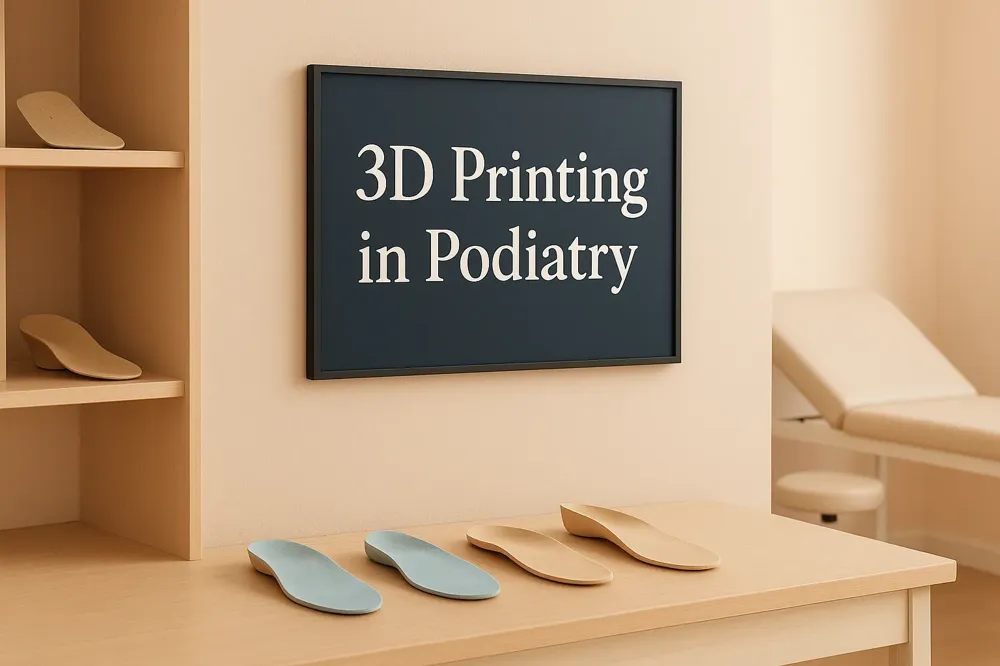
The traditional process of creating custom foot orthotics often involved messy plaster casts and lengthy wait times for fabrication. This method is rapidly becoming obsolete. The new standard begins with a quick, completely non-invasive 3D scan of the foot. Using advanced scanning technology, podiatrists can now capture the exact geometry of a patient's foot down to the micrometer level. This creates a perfect, highly detailed digital model that serves as the precise blueprint for any custom device. The scan is fast, accurate, and provides a level of detail far beyond what old plaster molds could achieve.
This digital model maps every contour, arch, and pressure point. It allows for an unprecedented analysis of foot structure and alignment. The data is immediately available for design, eliminating the guesswork and inaccuracies associated with manual impressions. For patients, this means no more uncomfortable casting materials or waiting for impressions to set. The entire scanning process is completed in minutes during a standard office visit, streamlining the first step toward personalized care.
Fabricating Fully Custom Devices with Additive Manufacturing
Once the digital model is created, it is sent to a 3D printer using additive manufacturing techniques. This process builds the orthotic, brace, surgical guide, or implant layer by layer, directly from the digital file. The technology allows for the fabrication of complex, patient-specific geometries that are impossible to produce with traditional milling or molding. For orthotics, this means the internal structure and external shape can be perfectly tailored to the individual's needs.
A revolutionary benefit is the dramatic reduction in production time. Where traditional methods could take several weeks from cast to delivery, 3D printing slashes this timeline. Production times have been reduced from weeks to just days or even hours. This rapid turnaround means patients can receive their custom-fitted devices much sooner, accelerating the start of their treatment and recovery. The ability to print surgical guides and implants on-demand also supports more precise and efficient operative planning in advanced cases.
Advances in Lighter, More Durable Materials
The revolution isn't just about shape and speed; it's also about substance. Material science has progressed significantly alongside 3D printing technology. The polymers and composites now used are engineered specifically for medical-grade orthotic devices. These new materials are simultaneously lighter, more durable, and more flexible than those used in traditionally manufactured inserts.
This advancement directly impacts patient comfort and compliance. Lighter orthotics are less cumbersome in shoes and cause less fatigue. Enhanced durability ensures the devices maintain their corrective shape and support over a much longer lifespan, even with daily use. The materials can also be engineered with specific densities in different zones, providing cushioned comfort in some areas and firm support in others, all within a single, seamlessly printed device.
Clinical Impact: Unparalleled Support and Improved Outcomes
The clinical benefits of this technology are substantial and well-documented. Because the devices are built from a micrometer-accurate model, they provide unparalleled biomechanical support. They correct specific flaws in a patient's gait or foot structure with extreme precision. This targeted correction helps redistribute pressure away from problem areas, which is crucial for managing conditions like bunions, metatarsalgia, or diabetic foot ulcers.
By improving alignment and reducing improper pressure, these custom 3D-printed orthotics enhance gait symmetry and overall mobility. Large-scale studies involving thousands of participants have demonstrated clear outcomes: patients report significantly improved comfort, better mobility, and high satisfaction rates. The perfect fit minimizes friction and hotspots, which can prevent the development of new problems while treating existing ones. This technology represents a shift from generic, off-the-shelf solutions to truly personalized medical devices that actively contribute to long-term foot health and functional improvement.
| Technology Component | Primary Function | Key Patient Benefit |
|---|---|---|
| 3D Foot Scanner | Captures precise digital model | Fast, accurate, non-invasive scan |
| Additive Manufacturing (3D Printing) | Fabricates device layer-by-layer | Rapid production (days/hours vs. weeks) |
| Advanced Polymer Materials | Forms structure of orthotic/device | Lightweight, durable, and comfortable fit |
| Custom Digital Design Software | Tailors device to biomechanical data | Corrects specific flaws, redistributes pressure |
| Integrated Treatment Planning | Links scan data to final product | Improves gait symmetry and overall mobility |
Beyond the Scalpel: Advanced Minimally Invasive and Non-Surgical Treatments

The Expanding Arsenal Beyond Surgery
The field of podiatry is no longer defined by a binary choice between conservative care and major surgery. Today, an expanding arsenal of advanced treatments offers effective middle paths. These technological innovations in foot care are broadly categorized into non-invasive energy-based therapies, regenerative medicine in podiatry, and minimally invasive podiatry procedures. They aim to stimulate the body's own healing mechanisms or intervene with extreme precision, offering high success rates with significantly reduced recovery times compared to traditional operations. This evolution provides podiatrists and patients with more nuanced tools to address persistent foot and ankle conditions.
Non-Invasive Energy-Based Therapies
Energy-based therapies use targeted physical energy to promote healing without breaking the skin. Two leading examples are Multiwave Locked System (MLS) Laser Therapy and Extracorporeal Shockwave Therapy (ESWT).
MLS Laser Therapy employs concentrated light energy to penetrate tissue and reduce pain and inflammation. The mechanism works by improving local circulation and stimulating cellular metabolic activity, which accelerates the healing process. It is FDA-cleared and commonly applied to conditions like plantar fasciitis, arthritis, and tendonitis. Treatment sessions are brief, often as short as 10 minutes, and involve no downtime, with reported efficacy rates reaching up to 90%.
Extracorporeal Shockwave Therapy uses acoustic waves (focused or radial) directed at the affected area. These waves increase blood flow and stimulate the release of growth factors, breaking the cycle of chronic pain and promoting tissue repair. It is a standard non-invasive treatment for plantar fasciitis, Achilles tendinitis, and heel spurs. Sessions typically last 15-20 minutes, and most patients can resume normal activities within 24 hours.
Regenerative Medicine Techniques
Regenerative medicine harnesses the body's biological materials to repair damaged tissues. Platelet-Rich Plasma (PRP) injections are a prominent example in podiatry.
PRP therapy involves drawing a small amount of the patient's own blood, processing it to concentrate the platelets and growth factors, and reinjecting it into the injured site. This concentrated serum stimulates and enhances the natural healing cascade. It is used for soft tissue injuries, chronic tendon issues, plantar fasciitis, and early arthritis. The procedure is minimally invasive, usually performed under local anesthesia, and involves minimal downtime. Approximately 85% of patients report significant symptom improvement.
While stem cell therapies are also being explored in podiatry, often derived from bone marrow or adipose tissue, their clinical use is still evolving compared to the more established PRP applications.
Image-Guided Minimally Invasive Procedures
This category bridges the gap between non-invasive therapies and full surgery. Procedures are performed through tiny incisions, often using real-time imaging for guidance.
The Tenex procedure is a standout example. It uses ultrasound guidance to precisely locate damaged tendon tissue. A specialized micro-tip tool is then inserted through a minuscule incision to break up and remove the degenerated tissue while preserving healthy surrounding structures. It is primarily used for chronic tendon injuries like plantar fasciitis or Achilles tendinosis. The procedure takes 15-30 minutes under local anesthesia, with recovery allowing a return to regular activities within a week to ten days.
Endoscopic surgery is another key technique, particularly for conditions like stubborn plantar fasciitis. In an Endoscopic Plantar Fasciotomy (EPF), a small camera (endoscope) is inserted through a tiny incision, allowing the surgeon to visualize and release the inflamed fascia on a monitor. This results in minimal soft tissue disruption compared to open surgery.
The Clear Benefits of Minimally Invasive Surgery (MIS)
For cases requiring surgical correction, Minimally Invasive Surgery (MIS) has become a transformative approach. Instead of large, open incisions, MIS uses specialized instruments and cameras through portals often just a few millimeters wide.
The patient benefits are substantial and well-documented:
- Reduced Trauma: Smaller incisions mean less cutting of skin, muscle, and other soft tissues.
- Less Post-Operative Pain: Reduced tissue damage typically translates to less pain after the procedure.
- Faster Recovery: Patients often begin weight-bearing and rehabilitation much sooner.
- Minimal Scarring: The tiny incisions lead to barely visible scars, a significant cosmetic advantage.
- Outpatient Status: Nearly all MIS procedures are performed on an outpatient basis, allowing patients to go home the same day.
Common foot and ankle conditions now routinely treated with MIS include minimally invasive bunion surgery (hallux valgus), hammertoe repair, endoscopic plantar fasciotomy, and some ankle arthroscopies.
Potential Disadvantages and Considerations
While the advantages of minimally invasive foot and ankle surgery are compelling, a balanced view requires acknowledging its limitations and challenges. It is not a one-size-fits-all solution.
A primary consideration is the surgeon's expertise. Minimally invasive techniques have a steep learning curve and require specialized, ongoing training. Not all foot and ankle surgeons are proficient in these advanced methods.
The procedures heavily rely on intraoperative imaging, such as fluoroscopy (real-time X-ray), for the surgeon to visualize bone structures and instrument placement without direct sight. This dependence on technology is integral but requires specific equipment and skill.
There are inherent procedural risks. The limited field of view can, in rare cases, lead to incomplete correction of a deformity or a higher potential for recurrence compared to some traditional open techniques. Certain studies have indicated that for some specific procedures, revision rates might be slightly higher.
Finally, patient selection is critical. MIS is ideal for mild to moderate, correctable deformities. Severe deformities, complex revision surgeries, or conditions involving significant bone loss or instability may still require traditional open approaches for optimal and durable results. A thorough evaluation by a qualified surgeon is essential to determine the most appropriate technique.
| Treatment Category | Primary Mechanism | Common Applications | Key Patient Benefits |
|---|---|---|---|
| Energy-Based Therapies | Applies light/acoustic energy to stimulate healing | Plantar fasciitis, tendonitis, arthritis | No downtime, high efficacy, non-invasive |
| Regenerative Medicine | Injects concentrated healing factors from patient's blood | Tendon injuries, plantar fasciitis, early arthritis | Uses body's own biology, minimal invasion |
| Image-Guided Procedures | Uses ultrasound/endoscopy for precise tissue removal | Chronic tendon pain, plantar fasciitis | Tiny incision, quick recovery, local anesthesia |
| Minimally Invasive Surgery | Uses tiny incisions with cameras & specialized tools | Bunions, hammertoes, endoscopic surgery | Less pain, faster return to activity, small scars |
A Special Focus: Technological Guardians for Diabetic Foot Health

Why Diabetic Foot Care Demands Technological Vigilance
Diabetic foot care is a critical area of podiatry where technology is making a profound impact. For individuals with diabetes, neuropathy (nerve damage) and poor circulation create a uniquely high-risk environment. A minor cut, blister, or pressure point can go unnoticed and quickly escalate into a serious ulcer, infection, or even necessitate amputation. This reality underscores the vital need for solutions that provide continuous, detailed monitoring and early intervention, moving beyond traditional periodic check-ups.
Continuous Monitoring with Smart Wearables
Innovative wearable technologies now offer real-time surveillance of foot health. Smart socks and insoles embedded with sensors continuously monitor plantar pressure and skin temperature. These devices can detect abnormal pressure points—a precursor to ulcer formation—and subtle temperature increases that signal inflammation or infection. The data is transmitted to a smartphone app, alerting both the patient and their care team to potential danger zones before a visible wound develops, enabling immediate corrective action.
AI-Powered Predictive Diagnostics
Artificial intelligence and machine learning are transforming risk assessment. Advanced diagnostic tools now combine thermal imaging with AI algorithms. Thermal cameras capture infrared radiation to map foot temperature with high sensitivity; AI then analyzes these patterns to identify areas of inflammation indicative of pre-ulcerative states, with studies reporting classification accuracy above 90%. Furthermore, machine learning models process a range of clinical data—from interleukin-10 levels and white blood cell counts to gait metrics—to generate personalized risk scores. These models can predict an individual's likelihood of developing an ulcer or requiring an amputation, allowing for preemptive, tailored care strategies.
Breakthroughs in Advanced Wound Care
When ulcers do occur, next-generation treatments promote remarkably faster healing. Bioengineered skin grafts, such as those derived from fish skin (e.g., Kerecis Shield), provide a scaffold that integrates with the body to regenerate tissue. These grafts are often fenestrated for drainage and come with borderless adhesive, eliminating the need for staples. Smart dressings and synthetic peptide hydrogels (e.g., G4Derm Plus) create optimal healing environments. Clinical results are striking: innovations like the Matrion placental graft have been documented to heal wounds present for over two years in less than two months, and similar outcomes have been reported for stage 3+ decubitus ulcers.
The Shift to Proactive, Preventive Care
The convergence of these technologies enables a fundamental shift in diabetic foot management. The paradigm moves from reactive crisis management—treating severe ulcers and infections—to proactive, continuous monitoring and prevention. By integrating data from wearables, imaging, and clinical history, podiatrists can now oversee foot health with unprecedented precision. This tech-enhanced approach aims to prevent complications before they start, fundamentally improving long-term outcomes, preserving mobility, and enhancing quality of life for patients managing diabetes.
| Technology Category | Specific Innovation | Primary Function | Key Benefit for Diabetic Foot Care |
|---|---|---|---|
| Continuous Monitoring | Smart Insoles/Socks with Sensors | Tracks plantar pressure & temperature | Early alerts for pressure points & inflammation |
| Imaging & Diagnostics | Thermal Imaging + AI Analysis | Maps foot temperature, detects pre-ulcer inflammation | High-accuracy, non-invasive early detection |
| Predictive Analytics | Machine Learning (ML) Models | Analyzes clinical data to predict ulcer/amputation risk | Personalized risk stratification & preventive planning |
| Advanced Wound Care | Bioengineered Skin Grafts (e.g., Fish Skin) | Provides scaffold for tissue regeneration in chronic ulcers | Promotes rapid healing of stubborn wounds |
| Advanced Wound Care | Smart Dressings & Hydrogel Matrices | Creates optimal moist healing environment | Manages exudate, protects wound, accelerates closure |
| Treatment Modality | MLS Laser Therapy | Uses light energy to reduce pain & inflammation | Non-invasive treatment for neuropathic pain & ulcers |
| Remote Care | Telemedicine & Remote Patient Monitoring | Enables virtual consultations & data review | Improves access & frequency of specialist oversight |
| Surgical Aid | Minimally Invasive Surgery (MIS) Techniques | Performs corrections via tiny incisions | Reduces infection risk & speeds recovery post-surgery |
| Preventive Device | Custom 3D-Printed Orthotics | Redistributes pressure based on precise foot scan | Offloads high-risk areas to prevent ulcer formation |
| Market Trend | Home-Based Care & Remote Monitoring Reimbursement | Supports care delivery outside clinic (Medicare codes 99453, 99454, 99457) | Facilitates continuous monitoring in patient's daily life |
| Topics Covered in This Section |
|---|
| The high-risk nature of diabetic foot complications due to neuropathy and poor circulation |
| The role of smart wearables (socks/insoles) for continuous pressure and temperature monitoring |
| Application of thermal imaging combined with AI for early inflammation detection |
| Use of machine learning models to predict individual ulcer and amputation risk |
| Innovations in bioengineered skin grafts and smart dressings for advanced wound care |
| Documented clinical results of new wound care technologies (e.g., healing chronic wounds in months) |
| The overall shift from crisis management to preventive, technology-enabled monitoring |
| How these technologies improve patient outcomes and quality of life |
| The integration of data for personalized, proactive care strategies |
| Supporting technologies like laser therapy, telemedicine, and custom orthotics in a comprehensive care plan |
Word count: 625
The Modern Patient Journey: From Recovery to Lifelong Wellness

Understanding Your Post-Surgical Recovery Timeline
Modern foot surgery, particularly minimally invasive foot surgery (MIFS), aims for faster healing. However, recovery is still a structured, phased process guided by your surgeon. A general timeline often unfolds in several stages.
The initial healing phase typically involves 2 to 6 weeks of non-weight-bearing activity. You will likely use crutches or a knee scooter to keep all pressure off the surgical site. This allows bones, tendons, and ligaments to begin healing without stress.
Next comes a transition to protected weight-bearing. Between weeks 2 and 8, your surgeon may clear you to gradually put weight on your foot while wearing a protective surgical boot or cast. The boot stabilizes the foot and ankle as you slowly regain strength and mobility.
A significant milestone is the return to supportive shoes. Around the 6 to 8-week mark, many patients can transition from the boot into a firm, supportive athletic shoe or orthopedic footwear. Custom orthotics may be introduced at this stage to provide ongoing support and correct biomechanics.
It is crucial to understand that full recovery is a longer journey. While daily activities may resume, achieving complete resolution of swelling, regaining full strength, and returning to high-impact sports can take up to a full year. Adhering to your prescribed physical therapy regimen is essential for optimal long-term outcomes. Every patient’s timeline is personalized based on the specific procedure, individual healing rates, and overall health.
Principles for Lifelong Foot Health, Especially with Age
Maintaining foot wellness is a proactive endeavor, becoming increasingly important as we age. Integrating simple, consistent habits can prevent common issues and preserve mobility.
Daily inspection and hygiene form the cornerstone of preventive care. Check your feet daily for cuts, blisters, redness, swelling, or changes in skin temperature or color. Wash feet daily with mild soap and warm water, drying thoroughly, especially between the toes, to prevent fungal infections.
Proper footwear is non-negotiable. Shoes should be fitted in the afternoon when feet are naturally slightly swollen. Look for adequate toe room, a firm heel counter, and good arch support. Avoid shoes that are excessively flat, worn out, or have high heels for daily wear. For those with specific conditions, custom orthotics can be life-changing.
Nail care and circulation promotion are key. Trim toenails straight across to avoid ingrown edges. Promote blood flow by avoiding sitting with crossed legs for long periods, performing simple ankle pumps and circles throughout the day, and, if applicable, carefully managing conditions like diabetes that affect circulation.
The most critical principle is regular professional podiatrist visits. An annual comprehensive foot exam allows for early detection and management of age-related issues like arthritis, decreased padding, and changes in foot structure. This proactive approach is far more effective than reacting to problems after they cause pain or limit function.
Using Technology to Sustain Long-Term Wellness
The modern patient journey extends beyond the clinic. Technology now provides powerful tools to support lifelong foot health, creating a continuous, preventive care model.
Telemedicine facilitates convenient follow-ups. Virtual consultations allow for efficient check-ins with your podiatrist to monitor progress, discuss minor concerns, or adjust treatment plans without the need for a physical office visit. This is especially valuable for managing chronic conditions or for patients with mobility challenges.
Mobile applications enhance self-management. Dedicated apps can guide patients through prescribed rehabilitation exercises with proper form, track symptoms and pain levels over time, and send medication or appointment reminders. This digital log creates valuable data to share with your care team.
Wearable devices and smart technology close the feedback loop. Smart insoles or socks with embedded sensors can continuously monitor gait patterns, pressure distribution, and activity levels. This objective data, when shared with your podiatrist during a visit or via a secure portal, allows for fine-tuning of orthotics, exercise programs, and overall care strategies. This integration transforms sporadic care into a dynamic, data-informed partnership for sustained wellness.
| Recovery Phase | Typical Duration | Key Activities & Goals |
|---|---|---|
| Initial Healing | 2-6 weeks | Non-weight-bearing; pain & swelling management; wound care. |
| Protected Mobility | Weeks 2-8 | Gradual weight-bearing in boot; early physical therapy. |
| Functional Return | ~6-8 weeks+ | Transition to supportive shoes; gait retraining; strength building. |
| Full Resolution | Up to 1 year | Return to all activities; resolution of residual swelling. |
| Wellness Principle | Daily/Regular Practice | Primary Benefit |
| Inspection & Hygiene | Daily | Early problem detection; prevention of infection. |
| Proper Footwear | Always | Support, pressure redistribution, injury prevention. |
| Professional Care | Annual/Bi-annual | Early intervention, management of chronic conditions. |
| Tech for Wellness | Application | Patient & Doctor Benefit |
| Telemedicine | Follow-up consults | Accessible care, efficient monitoring, reduced travel. |
| Mobile Apps | Exercise guidance, tracking | Adherence support, personalized data logging. |
| Wearable Sensors | Gait & pressure monitoring | Objective data for personalized treatment adjustments. |
| Common Age-Related Concerns | Preventive Focus | |
| Arthritis & Joint Pain | Supportive footwear, low-impact exercise, weight management. | |
| Decreased Fat Padding | Cushioned orthotics, protective footwear. | |
| Circulatory Changes | Daily inspection, circulation promotion, smoking cessation. | |
| Nail & Skin Changes | Proper trimming, moisturizing, professional debridement. |
Beyond the Scalpel: A New Era of Precision and Prevention in Foot Health
The Digital Revolution in Podiatric Care
The field of podiatry is undergoing a profound shift. The traditional model of reactive care—treating problems after they cause significant pain or disability—is being augmented by a proactive, technology-driven approach focused on early intervention and personalized health management. This new era leverages data, precision engineering, and minimally invasive techniques to not only treat conditions but to predict and prevent them.
Persistent symptoms like heel pain that lasts for weeks, changes in the shape of your foot (such as a developing bunion), recurring ingrown toenails, or any numbness or tingling in the feet are more than just inconveniences. They are critical biometric signals. Modern diagnostic technologies are designed to detect the subtle patterns behind these signs, allowing for intervention long before a condition becomes severe or requires extensive surgery. This paradigm moves foot health from crisis management to continuous, informed wellness.
The Power of AI and Data-Driven Diagnostics
Artificial Intelligence is transforming how foot conditions are identified and understood. Advanced algorithms can now analyze medical images—from X-rays to ultrasounds—with exceptional speed and accuracy, spotting minute fractures or soft tissue damage that might elude the human eye. This leads to earlier, more precise diagnoses for conditions ranging from stress fractures to the early stages of arthritis.
Beyond static images, AI integrates dynamic data. Wearable sensors in smart insoles or socks continuously monitor gait patterns, pressure distribution, and micro-movements during daily activity. This real-time data stream is analyzed by machine learning models to create a detailed biomechanical profile. The most significant innovation lies in predictive modeling, where these algorithms can identify aberrant patterns that indicate a high risk for future injuries, such as plantar fasciitis or stress reactions, enabling truly preventative care.
Crucially, these technologies are tools that enhance, not replace, the expertise of the Doctor of Podiatric Medicine (DPM). The podiatrist remains the essential interpreter of complex data, integrating AI insights with a comprehensive physical examination, patient history, and clinical judgment to formulate a holistic and effective treatment plan.
Customization Through 3D Printing and Scanning
Personalization has reached new heights with the integration of 3D scanning and printing. The process begins with a high-resolution 3D scanner that captures the exact contours, arches, and pressure points of a patient’s foot in seconds, creating a digital map accurate to the micrometer. This model is then used to design a perfectly tailored device.
Using advanced 3D printers, custom orthotics, braces, and even surgical implants are fabricated from durable, lightweight materials like specialized thermoplastics. This additive manufacturing method allows for intricate geometries that match the patient's unique anatomy, providing optimal support and comfort. The benefits are substantial: production time is reduced from weeks to days or even hours, improving patient access. The result is a device that offers a perfect fit, superior biomechanical correction, and enhanced patient compliance compared to generic, store-bought alternatives.
Advanced Minimally Invasive and Non-Surgical Treatments
For active treatment, a suite of advanced modalities offers powerful alternatives to traditional surgery. These technologies stimulate the body's innate healing processes with minimal disruption.
- MLS Laser Therapy: Uses targeted light energy to reduce pain and inflammation, accelerating healing for conditions like plantar fasciitis and arthritis. Treatments are brief, non-invasive, and require no downtime.
- Shockwave Therapy (ESWT/EPAT): Delivers acoustic waves to injured areas, increasing blood flow and stimulating cellular repair. It is a proven treatment for chronic tendon pain and heel spurs.
- Regenerative Medicine: Includes Platelet-Rich Plasma (PRP) and stem cell therapies. These injections concentrate the body’s own healing factors at the site of injury to repair damaged tendons, ligaments, and joints.
- The Tenex Procedure: An ultrasound-guided, minimally invasive technique that uses a specialized probe to precisely remove damaged soft tissue, offering relief for chronic tendonitis.
Minimally Invasive Surgery (MIS) itself uses tiny incisions, endoscopic cameras, and specialized instruments. While benefits include less pain, smaller scars, and faster recovery, it is not universally superior. Potential disadvantages can include limited surgical field visualization for complex cases and a need for highly specialized surgeon training. Long-term outcome data for some newer MIS techniques is still evolving, and not all deformities are suitable candidates, underscoring the need for a thorough consultation with a qualified specialist.
Specialized Pathways: The Critical Role of Diabetic Foot Care
Diabetic foot care exemplifies the life-saving potential of integrated technology. Due to neuropathy and poor circulation, individuals with diabetes are at high risk for ulcers and infections that can lead to hospitalization or amputation. Advanced care pathways are essential.
Remote monitoring is facilitated by smart insoles with pressure sensors, alerting patients and clinicians to dangerous pressure points before an ulcer forms. Diagnostic tools like thermal imaging cameras can detect inflammation—a sign of impending ulceration—by measuring minute temperature differences on the skin's surface.
When wounds do occur, advanced wound care innovations promote healing. These include bioengineered skin substitutes and smart dressings that maintain an ideal healing environment. Newer grafting materials, such as placental tissue grafts, are designed to resist infection and actively stimulate tissue regeneration, dramatically improving healing times for even long-standing ulcers.
The Modern Patient Journey: Recovery and Long-Term Wellness
The patient experience is being reshaped from diagnosis through long-term maintenance. Recovery timelines, even for minimally invasive procedures, follow a structured path. Initial phases focus on protection and reduced swelling, often with immediate weight-bearing in a surgical boot. A return to regular shoes may occur in 4-6 weeks, with full recovery and rehabilitation spanning 3 to 6 months for more complex procedures.
Caring for aging feet involves consistent hygiene, proper footwear with good support, daily inspection for cuts or changes, and managing systemic conditions like arthritis or diabetes. Technology supports this lifelong care through telemedicine platforms for convenient follow-up consultations and mobile apps that provide exercise guides, symptom trackers, and educational resources, empowering patients to be active partners in their foot health.
| Technology Category | Primary Function | Common Applications | Patient Benefit |
|---|---|---|---|
| AI & Data Analytics | Pattern recognition & prediction | Gait analysis, ulcer risk scoring, image diagnosis | Early intervention, personalized care plans |
| 3D Printing & Scanning | Custom device fabrication | Orthotics, surgical guides, implants | Perfect anatomical fit, faster production |
| Advanced Therapeutic Modalities | Stimulate natural healing | Plantar fasciitis, tendonitis, arthritis | Non-invasive treatment, minimal downtime |
| Minimally Invasive Surgery (MIS) | Surgical correction via tiny incisions | Bunion correction, hammertoes, plantar fascia release | Less pain, smaller scars, quicker recovery |
| Diabetic Care Technologies | Continuous monitoring & advanced healing | Smart insoles, thermal imaging, bioengineered grafts | Ulcer prevention, improved healing rates |
| Telehealth & Digital Tools | Remote care & patient education | Virtual consultations, mobile health apps | Increased access, convenient follow-up care |