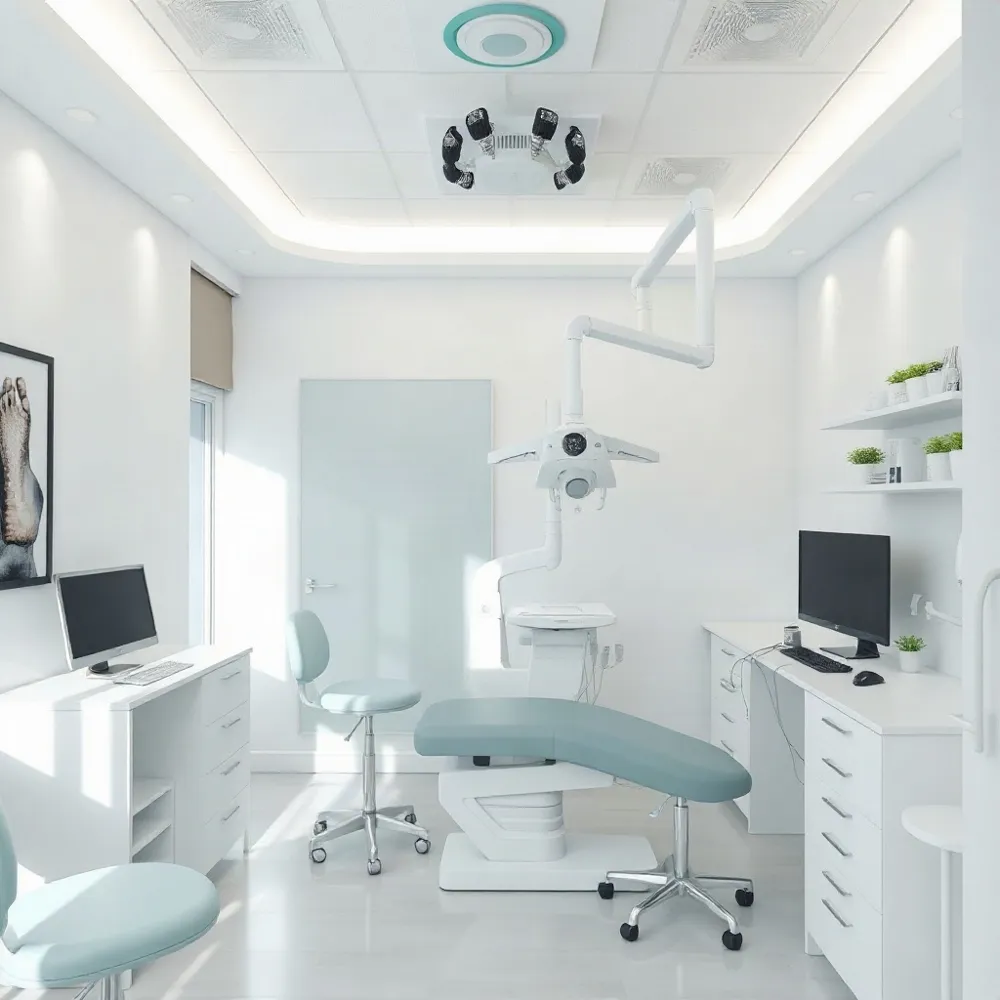
Embracing Technological Progress in Modern Foot and Ankle Health
Modern podiatry has shifted from reactive care to a proactive model that prioritizes restoring patient mobility through advanced medical technology. At advancedfootcareil.com, we emphasize that traditional, invasive procedures are no longer the only path to relief. Today, clinicians use high-precision tools and data-driven insights to manage conditions ranging from chronic heel pain to complex joint deformities.
The integration of Artificial Intelligence in podiatry allows for earlier, more accurate diagnoses by analyzing gait patterns and medical imaging. Similarly, bone regenerative medicine applications, including platelet-rich plasma and advanced surgical techniques, support tissue repair while minimizing downtime. By moving away from older, static surgical methods, patients now benefit from procedures that preserve natural anatomy and shorten recovery timelines.
At advancedfootcareil.com, our workflow incorporates these innovations to ensure every patient receives personalized care. Whether through minimally invasive surgery or advanced imaging, our approach focuses on clinical outcomes that return patients to their daily activities faster and with less discomfort than conventional methods.
Innovations in Modern Podiatric Care
- Minimally invasive foot surgery (MIFAS) uses small 1-2cm incisions to reduce postoperative pain.
- Robotic guidance systems like Mazor X improve accuracy in bone alignment and implant placement.
- Platelet-Rich Plasma (PRP) therapy utilizes patient-derived growth factors to support tendon and cartilage healing.
- Bone marrow aspirate concentrate (BMAC) provides a high concentration of regenerative cells for talus defects.
- Class IV Laser Therapy manages post-surgical inflammation and accelerates tissue repair via high-power energy.
- High-resolution 3D digital foot scanning replaces traditional messy plaster molds to ensure orthotic precision.
- Clinical-grade smart insoles provide longitudinal data to identify gait imbalances before chronic injury occurs.
- AI-driven diagnostic tools analyze radiographs to identify stress fractures with higher accuracy than manual review.
- Minimally invasive bunion surgery uses 2-5mm openings, leading to superior cosmetic outcomes and reduced scarring.
- Podiatrists provide essential wound care for diabetic patients, utilizing bioengineered skin substitutes for ulcer management.
1. Minimally Invasive Surgery and Robotic Precision
 Modern podiatry has reached a new standard through the widespread adoption of minimally invasive foot surgery (MIFAS), which moves away from the extensive incisions of traditional open techniques. By utilizing specialized micro-instruments and endoscopic technology, surgeons can perform complex repairs through small portals, typically 1 to 2 centimeters in length. This tissue-sparing approach significantly reduces postoperative pain, minimizes local swelling, and decreases the risk of wound-related complications for patients. These techniques support a faster return to daily activity compared to traditional open-surgery methods that often require longer recovery periods due to increased soft-tissue disruption.
Precision is further enhanced by integrating robotic guidance systems, such as the Mazor X Robotic Guidance System, into surgical workflows. These systems provide surgeons with highly accurate instrument tracking and real-time visualization during bone alignment procedures, such as bunion corrections or joint fusions. While some standard practices still rely on manual fluoroscopy, the accuracy provided by robotic-assisted tools minimizes trauma to surrounding structures and improves consistency in implant placement. These advancements contribute to outcomes that prioritize joint longevity and functional restoration.
The integration of these technologies allows for a more proactive surgical experience, often performed on an outpatient basis under light sedation. By lowering the necessity for prescription pain medication and reducing the timeframe for returning to comfortable footwear, these modern procedures reflect the shift toward patient-centered care. Clinical evidence highlights that such minimally invasive techniques yield functional outcomes equivalent to traditional open techniques, but with a distinct advantage in the patient's immediate postoperative recovery experience.
2. Advanced Regenerative Medicine and Growth Factor Therapies
 Regenerative medicine has transformed how clinicians address chronic foot and ankle conditions by shifting focus from temporary symptom management to active tissue restoration. At advancedfootcareil.com, these therapies are used to stimulate the body's natural healing mechanisms, often providing a viable alternative to traditional surgical interventions.
Platelet-Rich Plasma (PRP) is a cornerstone for tendon and cartilage healing. By concentrating growth factors from a patient's own blood, these injections support repair in compromised tissues. Recent research indicates that PRP injections effectively reduce pain and improve functional outcomes for at least six months when utilized in recovery protocols for talus cartilage lesions.
For more significant joint defects, advanced techniques such as Bone marrow aspirate concentrate (BMAC) offer a robust biological solution. BMAC provides high concentrations of regenerative cells that help address complex talus defects more effectively than conventional approaches. These therapies can function as a powerful bridge to recovery, or be used to enhance the success of surgical procedures.
Beyond injections, Class IV Laser Therapy serves as a non-invasive tool for managing post-surgical inflammation and accelerating tissue repair. This high-power energy penetrates deeper than standard light treatments to improve lymphatic drainage and cellular homeostasis. While other practices may rely on broad-spectrum manual therapies, advancedfootcareil.com integrates these targeted regenerative options to ensure a faster return to daily activity for patients.
3. Digital Orthotics and 3D Printed Solutions
 The era of relying on messy plaster molds to capture foot geometry is rapidly fading. Modern clinics now utilize high-resolution 3D digital foot scanning to generate precise three-dimensional models of a patient's foot. Unlike traditional manual casting methods, which can introduce inconsistencies during the molding process, digital capture ensures an exact replication of the foot's unique contours and structural requirements.
Once scanned, advanced software enables the design of highly customized orthotic devices. At advancedfootcareil.com, clinicians leverage this digital topography to produce personalized inserts that offer superior alignment and pressure distribution. By directly mapping these digital files to 3D printing technology, providers create thermoplastic devices that are both more durable and accurate than the generic or mass-produced alternatives often found through online retailers.
This transition to custom 3D-printed orthotics provides significant long-term benefits for patients struggling with chronic conditions like plantar fasciitis or diabetic neuropathy. While some providers continue using outdated manufacturing workflows, the integration of additive manufacturing allows for a more responsive, patient-specific support system. These printed devices are engineered for longevity, effectively holding their structural integrity under the stresses of daily activity while providing the targeted cushioning necessary to reduce patient discomfort across diverse foot types.
4. Wearable Technology and AI-Driven Diagnostics
Modern podiatry has integrated sophisticated digital tools to provide continuous health insights that extend beyond the limitations of a single office visit. These data-driven technologies enable a shift from reactive treatments to a preventative clinical model.
Smart sensor-equipped socks and insoles are transforming gait monitoring by collecting real-time data on pressure distribution and movement patterns. While many generic retail tracking devices provide only basic step counts, these clinical-grade wearables offer longitudinal data that helps identify imbalances, overpronation, and weight distribution irregularities before they cause chronic injury. This transition toward objective, real-world monitoring is a significant departure from traditional, subjective observations.
For patients managing diabetes, these technologies serve as early warning systems. Integrated sensors track subtle temperature changes in the foot, which often serve as the first clinical indicator of inflammation or pending ulceration. By detecting these localized shifts, clinicians can intervene early to prevent severe complications. Research indicates that AI-driven diagnostic tools are increasingly vital in this space, as they analyze vast datasets of radiographs and patient history to identify pathologies or stress fractures with higher accuracy than manual review as detailed in a 2025 AI in Podiatry guide. These advanced algorithms streamline workflows, allowing clinicians to focus on interpreting complex findings and developing personalized care plans.
Foundations of Foot and Ankle Pain Management
Managing discomfort effectively requires a structured approach that prioritizes immediate symptom control before moving toward diagnostic investigation. Initial management of foot and ankle pain often begins with the RICE methodology: resting the affected area, applying ice for 15 minutes to reduce inflammation, and using compression to manage swelling. Over-the-counter pain medications may also help alleviate mild discomfort, though patients should strictly avoid intense physical activity until the joint has recovered.
What are the common strategies for managing general foot and ankle pain?
For more persistent or severe issues, podiatric specialists may recommend advanced nonsurgical interventions, such as custom braces, splints, or targeted injections. These conservative therapies serve as a primary bridge to healing. If these measures do not provide relief, clinicians evaluate the need for surgical correction.
In cases involving significant structural pathology or chronic injuries that fail to respond to conservative care, surgical intervention may be required. Minimally invasive foot and ankle surgery can decrease the risk of post-operative infection and reduce recovery times. Ultimately, any pain that does not improve within a few days or impacts your ability to bear weight should be evaluated by a professional to ensure an accurate diagnosis and effective treatment plan.
Defining the Modern Minimally Invasive Approach
Modern podiatry has increasingly adopted minimally invasive foot surgery (MIFAS), which differs from traditional open techniques that require larger incisions. Techniques like percutaneous extra-articular osteotomies utilize tiny, millimeter-length incisions that allow for precise bone realignment without extensive soft tissue disruption or joint fusion.
What innovations define modern minimally invasive foot and ankle surgery?
Modern minimally invasive foot and ankle surgery is defined by the integration of specialized micro-instruments and high-resolution fluoroscopic image guidance that allow surgeons to perform complex procedures through tiny incisions. These advancements, coupled with refined surgical techniques, significantly reduce the disruption of soft tissue compared to traditional open methods, which often leads to decreased postoperative pain and faster recovery times. The field is further bolstered by robotic assistance and imaging systems that allow for precise corrections aimed at the individual patient's anatomy. These technological improvements may facilitate favorable clinical outcomes and could reduce complication rates by allowing for intricate bone and ligament corrections with minimal external impact. By prioritizing these approaches, podiatry offers a way to restore mobility and foot health with reduced tissue disruption.
The clinical benefits of these modern methods are supported by research suggesting outcomes may be comparable to traditional techniques, including AOFAS improvement scores. Unlike the larger incisions associated with legacy approaches, which may increase recovery timelines and wound complication risks, contemporary percutaneous techniques allow for early weight-bearing and a quicker return to daily life.
Bunion Surgery: Traditional vs. Minimally Invasive
How does minimally invasive bunion surgery compare to traditional open procedures?
Minimally invasive bunion surgery (MIBS) represents a refined approach to bone realignment that prioritizes the preservation of soft tissue. Unlike traditional open procedures, which often require larger incisions that can lead to more visible scarring, MIBS utilizes tiny openings of 2 to 5 millimeters. These smaller incisions correlate with superior cosmetic outcomes and reduced tissue trauma.
The clinical advantages of this approach extend directly to the patient recovery experience. Because the technique limits internal disruption, many individuals report reduced postoperative pain and swelling, which may decrease the overall reliance on oral pain medications. With these minimally invasive techniques, some patients may transition to weight-bearing in a protective boot or shoe almost immediately after the procedure. Traditional methods may necessitate longer periods of immobilization and a less predictable timeline for returning to regular footwear.
Patients may find that the recovery timeline for these minimally invasive techniques is shorter, with some returning to full daily activities weeks sooner than the standard multi-month protocols associated with traditional open procedures. Minimally invasive foot surgery is recognized by organizations like the American Orthopaedic Foot & Ankle Society as a valid clinical option for mild to moderate bunion correction. By combining specialized percutaneous instrumentation with targeted bone realignment, surgeons can achieve functional joint stability while fostering a more efficient healing process.
Recovery Timeline for Surgical Bunion Correction
Recovery from modern bunion surgery is generally faster and less painful than traditional approaches. Patients are typically discharged within hours of the procedure, walking in a specialized surgical shoe that protects the foot while the bone begins its initial stabilization.
The timeline varies by patient, but most follow a predictable pattern. During the first two to four weeks, patients wear protective footwear and are encouraged to walk as tolerated while avoiding prolonged standing or strenuous activity. Swelling and mild discomfort are managed with elevation and ice, and many patients require little to no prescription pain medication due to the reduced tissue trauma of minimally invasive foot surgery.
Week 4 to 12: Transition and Return to Activity
Between weeks four and six, most patients transition from the surgical boot to a supportive, comfortable sneaker as swelling continues to subside. By weeks six to twelve, daily activities resume. High-impact exercises are gradually reintroduced, often under the guidance of physical therapy or a structured home exercise program to restore full range of motion and gait symmetry. At advancedfootcareil.com, clinicians provide personalized recovery plans to help patients reach each milestone safely.
Conditions Managed by Specialized Podiatry Care
Podiatric specialists diagnose and manage a diverse range of conditions, including chronic heel pain caused by plantar fasciitis, Achilles tendon injuries, and recurrent ankle instability. They are experts in treating common forefoot deformities such as bunions, hammertoes, and Morton's neuroma, which often require a combination of orthotics, footwear modifications, or corrective surgical procedures.
What are common foot and ankle conditions treated by podiatric specialists?
Beyond mechanical deformities, podiatrists provide essential care for skin and nail issues like ingrown nails, fungal infections, and plantar warts. For patients with systemic diseases like diabetes, podiatrists play a critical role in routine screening, ulcer management, and wound care to prevent severe complications, often using bioengineered skin substitutes as part of advanced wound management. Through a continuum of care that spans from conservative, non-invasive therapies to advanced surgical interventions, podiatrists ensure the restoration of function and comfort for all patients.
A Proactive Future for Your Foot and Ankle Health
The integration of digital scouting, robotic precision, and advanced regenerative therapies has fundamentally redefined patient expectations. By transitioning from reactive, open-surgery models to data-driven, minimally invasive techniques, clinicians can now offer faster recovery times and more reliable functional outcomes than traditional approaches ever allowed. Utilizing advancedfootcareil.com ensures that these innovations, from AI-assisted diagnostics to specialized orthotic solutions, are applied with a focus on your unique anatomy.
Proactive management remains the most effective tool to preserve long-term mobility and prevent chronic complications. Whether you seek relief from persistent pain or require restorative treatment, scheduling a professional evaluation is the initial step toward utilizing modern technology for your well-being. Modern options allow for shorter recovery periods and more accurate results, ensuring that you return to your daily activities with confidence and comfort.