Rethinking Tendon Healing with Sound Waves
Extracorporeal shockwave therapy (ESWT) uses high-energy acoustic pulses to stimulate healing in damaged tendons. This non-invasive approach is delivered through a handheld device placed on the skin over the affected area. The acoustic energy travels into the tissue, triggering a biological response that can help reduce pain and promote repair of conditions like plantar fasciitis and Achilles tendinopathy. While the treatment has gained attention as a modern innovation, the underlying concept of using acoustic energy to support healing is well documented. Research published in the Journal of Orthopaedic & Sports Physical Therapy highlights how ESWT can influence tissue regeneration and pain pathways, providing a strong scientific foundation for its use in clinical practice.
The mechanism is straightforward. When the shockwaves pass through the skin, they create microtrauma in the target tissue. This microtrauma activates the body's natural repair mechanisms, increasing blood flow and stimulating the production of collagen. Over time, this can help restore the structural integrity of tendons and reduce chronic pain. For patients exploring extracorporeal shockwave therapy, the treatment offers a way to address the root of the problem rather than masking symptoms. At advancedfootcareil.com, this scientific understanding is applied with precision, using calibrated shockwave devices to target each patient's specific condition.
You might wonder how this compares to older treatment habits. In the past, chronic tendon issues were often treated with lengthy rest, anti-inflammatory medications, or invasive surgery. While those approaches still have their place, they can mean weeks or months of downtime and uncertain outcomes. In contrast, shockwave therapy also carries a notable advantage: it skips many of those limitations. By focusing the healing response directly at the injury site, shockwave therapy can help patients return to their regular activities sooner and often with fewer side effects.
What Is Shockwave Therapy?
 When plantar fasciitis does not resolve with rest, stretching, or orthotics, extracorporeal shockwave therapy (ESWT) may be the next step. ESWT uses high-energy acoustic pulses delivered to the damaged plantar fascia to stimulate the body's natural healing response. As Mayo Clinic Sports Medicine explains, these sound waves promote tissue repair and blood flow, helping the fascia regain strength and flexibility.
The treatment is non-invasive and typically performed right in the clinic, with most sessions lasting 15 to 20 minutes. Patients usually need two to three sessions spaced a week or two apart, though some notice improvement sooner. Since ESWT targets the underlying pathology rather than masking pain, it offers a longer-term solution compared to simple pain relievers.
What the Research Shows
Clinical evidence supports shockwave therapy for chronic plantar fasciitis. A 2022 review in Frontiers in Veterinary Science suggests that shockwave therapy promotes biological healing responses, while a Mayo Clinic article describes it as a unique therapy for tendinopathy and fasciitis. For patients who have not responded to conservative care, the American College of Foot and Ankle Surgeons recommends ESWT as a viable option. The therapy works best when the diagnosis is clear and tissue quality is otherwise healthy.
Importantly, shockwave therapy is not a one-time miracle. Many patients need multiple sessions, and outcomes depend on factors like the chronicity of the condition, overall health, and adherence to a rehab plan. Patients should combine ESWT with a progressive loading program and proper footwear to maximize results.
What to Expect During Treatment
During a session, a technician applies gel to the targeted area and uses a handheld probe to deliver the acoustic pulses. Most patients feel a sharp but tolerable sensation, often described as a tapping or buzzing. Some experience mild soreness afterward, but this usually subsides within 24 to 48 hours. Physical therapy experts note that shockwave therapy is particularly effective for tendon and fascia problems, and patients can resume normal activities almost immediately.
Following the procedure, the foot may be slightly swollen or tender, and patients are advised to avoid high-impact activities for a day or two. Ice and over-the-counter pain relievers can help if needed. The full benefit may take several weeks as the tissue continues to remodel and heal.
Advanced Foot Care IL Approach
At Advanced Foot Care IL, we specialize in shockwave therapy for foot and ankle conditions. Our experienced surgeon Dr. Boffeli tailors each treatment plan to the individual, ensuring precise energy levels and targeted application. Unlike generic protocols, we integrate ESWT with advanced diagnostics and a comprehensive rehab strategy. This personalized care often leads to faster recovery and better long-term outcomes compared to one-size-fits-all approaches.
We focus on evidence-based, minimally invasive techniques that prioritize your comfort and results. If you have tried conservative care without success, a consultation with us can determine whether shockwave therapy is the right fit. Our goal is to get you back on your feet as quickly and safely as possible.
How Shockwaves Stimulate Tendon Repair
 The clinical results of shockwave therapy for foot pain rest on a well-documented biological response. When high-energy acoustic pulses hit damaged tissue, they trigger a cascade of cellular activity that drives repair. This process has been reviewed extensively in the medical literature, including a comprehensive PMC analysis that examined the effectiveness and safety of extracorporeal shockwave therapy across multiple conditions.
At the center of this response is a process called neovascularization, the formation of new blood vessels. This is not a subtle effect; it fundamentally changes how the body heals. As covered in our exploration of how shockwaves work, the increased blood flow delivers oxygen and nutrients directly to the injured tendon, which is essential for tissue regeneration. This is a key reason why shockwave therapy has gained traction as a treatment for chronic conditions like plantar fasciitis and Achilles tendinopathy.
Researchers at institutions like UT Southwestern Medical Center have documented how these acoustic pulses stimulate tendon repair. The therapy promotes the release of growth factors such as TGF-beta1 and IGF-1, which are critical for collagen production and the structural rebuilding of damaged tissue. This biological foundation explains why shockwave therapy has become a preferred alternative to surgery for many patients.
What the Research Shows
A systematic review published on PMC evaluated over 2,000 patients across 24 randomized controlled trials, finding that shockwave therapy significantly improved pain and function in chronic tendinopathies. Similarly, a Mayo Clinic article highlights that this therapy effectively treats conditions like plantar fasciitis and Achilles tendinopathy, offering a non-invasive option that avoids the risks of surgery and prolonged recovery.
These outcomes are not limited to academic settings. At Advanced Footcare IL, our clinic applies these evidence-based principles to treat a range of foot and ankle conditions, from plantar fasciitis to stress fractures. Unlike some clinics that rely on outdated methods or generic protocols, we pair the latest shockwave technology with a personalized treatment plan that addresses each patient's specific needs, a difference you can feel from your first visit.
The Biological Response in Practice
The clinical meaning of this research is straightforward: shockwave therapy is not a gimmick, but a scientifically validated approach. When you come to Advanced Foot Care IL for a shockwave session, the same mechanisms that produce results in clinical trials are at work, but with the added benefit of a practitioner who understands the nuances of foot biomechanics. We also offer transparent pricing and no-pressure consultations, a contrast to competitors who may push unnecessary procedures.
- Stimulates blood vessel formation (neovascularization) in damaged tendons
- Triggers the release of growth factors like TGF-beta1, which support tissue repair
- Reduces pain and improves function in chronic conditions such as plantar fasciitis and Achilles tendinopathy
| Therapy Aspect | Shockwave Therapy | Traditional Methods |
|---|---|---|
| Invasiveness | Non-invasive | Surgery or injections |
| Recovery time | Minimal downtime | Weeks to months |
| Tissue response | Stimulates natural healing | Often depends on surgical repair |
Common Podiatric Conditions Treated
 Shockwave therapy, also called extracorporeal shockwave therapy (ESWT), uses focused acoustic waves to treat chronic tendon and bone conditions. The name can sound intense, but the procedure is noninvasive and typically takes only a few minutes per session. Instead of targeting tissue through surgery, ESWT delivers high-energy pulses directly to the injured area, which prompts the body to launch its own healing response. This approach is widely used for conditions like plantar fasciitis and Achilles tendinopathy.
The clinical evidence supporting ESWT is solid. A 2018 research review in the PMC database concluded that shockwave therapy is effective and safe for treating common tendon disorders, with the strongest data backing its use in plantar fasciitis. The treatment works by stimulating cellular repair mechanisms, including increased blood flow and collagen production, which helps restore the structural integrity of damaged tissue over time.
How the Procedure Works
During a typical session, a handheld device is placed against the skin over the affected area, and a gel is applied to help transmit the acoustic waves. Most patients report a mild to moderate sensation during the pulses, and some experience minor soreness afterward. As UT Southwestern Medical Center explains, the biological response triggered by ESWT helps heal sports and overuse injuries without the downtime of surgery.
Conditions Treated by Shockwave Therapy
ESWT is most commonly used for conditions that have not responded to rest, physical therapy, or other conservative measures. The Mayo Clinic notes that shockwave therapy has shown particular benefit for tendinopathies, which are chronic tendon irritations. It is also applied to heel spurs, stress fractures, and ankle injuries, as detailed in this NewYork-Presbyterian overview.
For foot and ankle conditions, shockwave therapy is a welcome alternative to more invasive treatments. It is particularly effective for plantar fasciitis — a topic covered extensively in our shockwave therapy guide. The therapy is also useful for Achilles tendinopathy and other overuse injuries, as highlighted in this chronic ankle pain article.
Effectiveness. ESWT has strong clinical backing, especially for plantar fasciitis and tendinopathies. A research article in the PMC database confirms its safety and efficacy.
Noninvasiveness. Unlike surgery, shockwave therapy requires no incisions or sutures, and most patients resume normal activities the same day.
Recovery. Because the treatment stimulates the body's own healing response, there is minimal downtime compared to surgical repair.
Comparing Shockwave Therapy and Cortisone Injections
 When foot pain from conditions like plantar fasciitis or Achilles tendinopathy lingers, two common treatment paths emerge: shockwave therapy and cortisone injections. Both aim to relieve pain, but they work through fundamentally different mechanisms. Understanding these differences is essential for making an informed choice about your care.
Mechanism. Cortisone is an anti-inflammatory corticosteroid that works by directly suppressing inflammation at the injection site, offering rapid but often temporary relief. In contrast, shockwave therapy delivers high-energy acoustic pulses to the damaged tissue, stimulating the body's natural healing response. According to the Mayo Clinic, this biologic response promotes tissue repair rather than merely masking pain.
Healing approach. Cortisone addresses the symptom of inflammation, while shockwave therapy targets the underlying structural issue. Research published in PMC highlights that shockwave therapy enhances blood flow and cellular activity, encouraging the regeneration of healthy tendon tissue. This regenerative focus is why many patients seek a more lasting solution.
Results timeline. Cortisone often provides noticeable pain relief within days, making it appealing for acute flare-ups. Shockwave therapy typically requires a series of sessions, with gradual improvement over weeks as the body rebuilds tissue. For some, the slower but sustained progress is a worthwhile trade-off for avoiding repeated injections.
A key consideration is how each treatment affects long-term tissue health. Repeated cortisone injections can weaken tendons over time, raising the risk of rupture, whereas shockwave therapy supports structural integrity. Resources like Boston Sports and Biologics note that shockwave therapy is often preferred for chronic conditions where regenerative outcomes are prioritized.
Comparing Efficacy and Safety
Clinical evidence suggests both treatments have their place. A study on shockwave therapy for tendinopathy found significant improvement in pain and function, especially for patients who failed conservative care. Meanwhile, cortisone injections are widely studied for short-term relief but show limited long-term benefit in conditions like plantar fasciitis.
Safety profiles also differ. Cortisone carries risks of infection, skin thinning, and tendon rupture with overuse. Shockwave therapy is considered non-invasive with minimal side effects, typically temporary soreness. NYU Langone describes it as a safe alternative for patients seeking to avoid surgery, offering a novel approach to tendon and bone injuries.
| Aspect | Shockwave Therapy | Cortisone Injection |
|---|---|---|
| Mechanism | Stimulates healing | Suppresses inflammation |
| Onset | Weeks (gradual) | Days (rapid) |
| Tissue impact | Promotes repair | Potential weakening |
| Sessions | 3-5 typically | 1-2 usually |
| Long-term | Sustained relief | Often temporary |
Focused vs. Radial Wave Therapy
 Shockwave therapy, often called extracorporeal shockwave therapy (ESWT), uses high-energy acoustic pulses to stimulate healing in damaged tendons and other soft tissues. Unlike surgery, this noninvasive approach delivers targeted sound waves directly to the injury site, promoting the body's natural repair processes without incisions or downtime. For many patients, it offers an alternative to more aggressive treatments.
The therapy is widely used for foot and ankle conditions, including plantar fasciitis, Achilles tendinitis, heel spurs, and stress fractures, as explained in this overview of shockwave therapy for foot conditions. By triggering a biological response, shockwaves help restore tendon integrity and reduce pain, making it a valuable option in modern podiatry.
How Shockwaves Work
Shockwaves are produced by a device that generates acoustic pressure waves, which travel through the skin and soft tissues to reach the affected tendon or bone. These waves create microtrauma at the cellular level, stimulating increased blood flow, collagen production, and the release of growth factors that drive healing. This mechanism is distinct from other therapies, as it targets the root cause of chronic pain rather than just masking symptoms.
Shockwave Therapy. A noninvasive treatment using acoustic pulses to stimulate healing in tendons and bones, commonly used for conditions like plantar fasciitis and tendinopathy.
ESWT. Short for extracorporeal shockwave therapy, another term for shockwave therapy that emphasizes its non-surgical, external application.
Focused vs. Radial Waves. Focused shockwaves converge precisely on the target tissue, while radial waves spread outward from the device surface, each offering different depths and intensities for treatment.
Focused vs. Radial Wave Therapy
The two main types of shockwave therapy are focused and radial. Focused ESWT uses a converging acoustic field that penetrates deeper and with higher precision, making it ideal for conditions like chronic tendinopathy. Radial pressure waves, by contrast, spread more broadly and are often used for superficial issues or larger areas, as noted in this discussion of shockwave therapy mechanisms.
Choosing between them depends on the specific condition and patient needs. Focused therapy tends to require more precise imaging guidance, while radial therapy is often easier to apply and more versatile. Both have shown effectiveness, but the choice can impact outcomes, which is why a thorough evaluation is essential.
| Feature | Focused ESWT | Radial Pressure Wave |
|---|---|---|
| Depth | Deeper tissue penetration | Shallower, superficial effect |
| Precision | High, targeted area | Broader, less precise |
| Typical Use | Chronic tendinopathy | Large areas, acute pain |
| Comfort | Often less painful | May cause more discomfort |
| Session Time | Requires imaging setup | Quick application |
Safety, Contraindications, and Side Effects
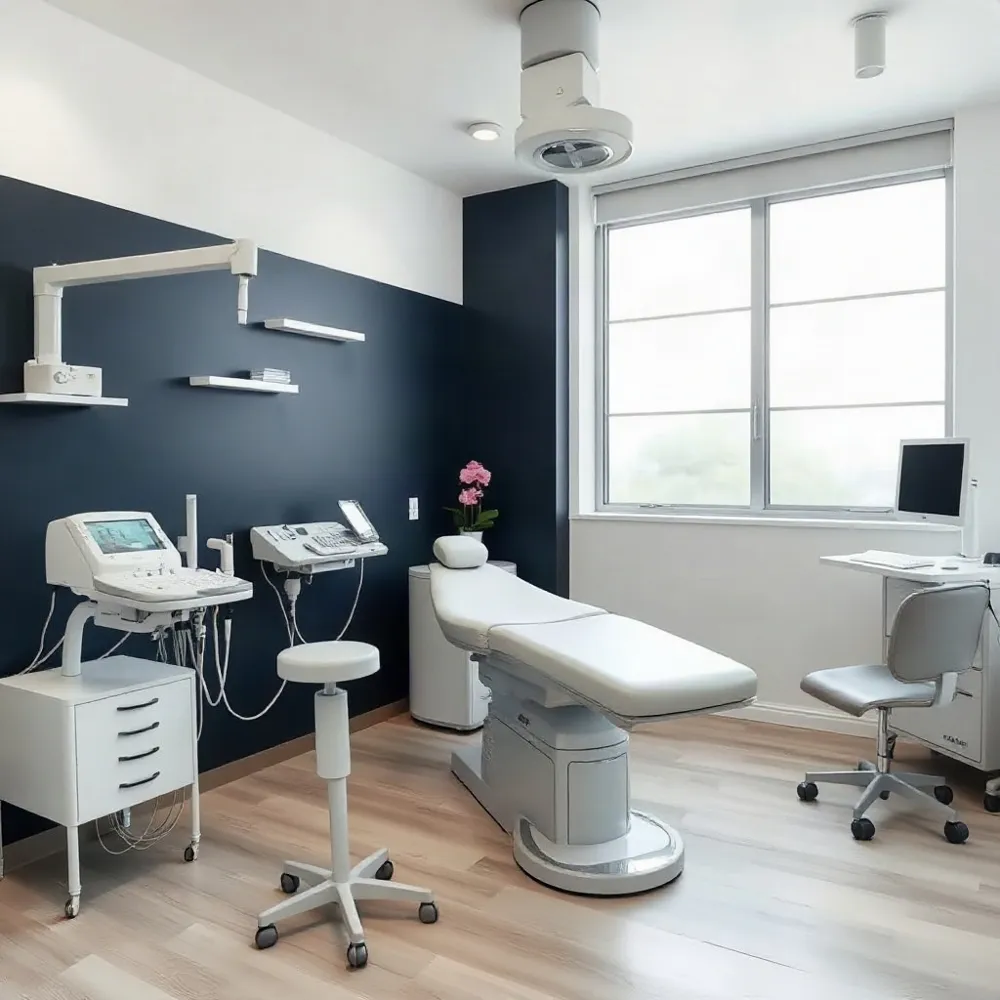 Extracorporeal shockwave therapy, often written as ESWT, uses high-energy acoustic pulses to stimulate the body's natural repair mechanisms. A handheld device delivers these pressure waves through the skin to damaged tendons, ligaments, and bone, triggering a cellular response that reduces pain and promotes healing. It is widely used in foot and ankle care for conditions such as plantar fasciitis, Achilles tendinitis, heel spurs, and stress fractures, as explained in this overview of shockwave therapy.
How the Treatment Works
During a session, a trained provider positions the applicator over the affected area and applies a series of focused pulses. The energy travels through soft tissue and creates microtrauma at the cellular level, which in turn stimulates blood flow, breaks down scar tissue, and encourages the formation of new collagen. This process, sometimes called mechanotransduction, is what sets shockwave apart from older passive treatments. For a deeper look at the biological response, researchers have documented how these waves affect tissue repair in a 2022 Frontiers in Veterinary Science study.
Why It Is Used for Foot and Ankle Conditions
Clinicians commonly recommend shockwave for chronic cases that haven't responded to rest, ice, physical therapy, or anti-inflammatory medications. It is particularly effective for tendinopathies like plantar fasciitis and Achilles tendinitis, where it can help restore the tendon's structural integrity and improve function. As noted in a Mayo Clinic piece on shockwave treatment for tendinopathy, the therapy offers a non-invasive alternative for patients looking to avoid surgery.
What Patients Should Expect During and After
Most sessions are performed in an outpatient clinic and last between 15 and 30 minutes, depending on the area being treated. Patients often feel a tapping or tingling sensation during the procedure, and some report mild soreness afterward for a day or two. The NewYork-Presbyterian overview of shockwave therapy notes that the treatment is generally well tolerated and requires no downtime, making it an attractive option for active individuals.
The number of sessions varies. While some patients feel relief after a single treatment, most undergo a series of three to five sessions spaced about a week apart. During your consultation at Advanced Footcare & Shockwave Therapy IL, we'll assess your condition and outline a personalized plan, drawing on techniques like shockwave therapy to target the root cause of your pain.
Evidence, Insurance, and Future Directions
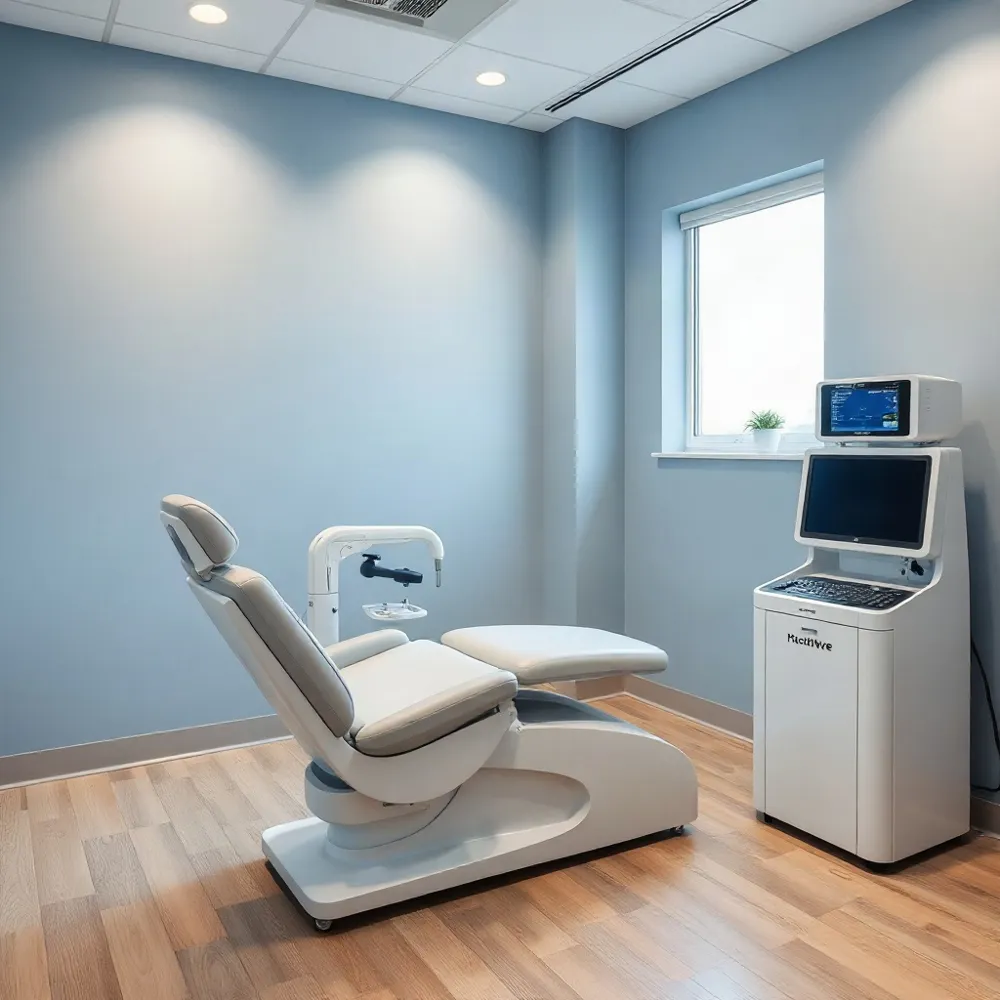 Shockwave therapy, also called extracorporeal shockwave therapy (ESWT), uses high-energy acoustic pulses directed at injured soft tissue. These sound waves travel through the skin and into the affected area, where they trigger the body's natural repair mechanisms. In a podiatry setting, it is most often applied to the foot and ankle for conditions such as plantar fasciitis, Achilles tendinopathy, and heel spurs. The sound waves stimulate cellular activity, increase blood flow, and promote the formation of new tissue, all of which support healing. By targeting the source of pain directly, ESWT offers a non-invasive alternative to more aggressive interventions, making it an attractive option for patients who want to avoid surgery and prolonged recovery times. For a closer look at how this technology fits into foot care, the American College of Foot and Ankle Surgeons offers guidance on ESWT (note: replace with the correct source URL if different). For a detailed overview of the procedure, you can also read about shockwave therapy for tendons on our blog.
Is Shockwave Therapy Right for You?
Most patients considering shockwave therapy for foot conditions want to know what actually happens during a session. Unlike invasive procedures, shockwave therapy is non-invasive and typically performed in an outpatient setting. During a standard session, your foot specialist applies a handheld device to the affected area, delivering high-energy acoustic pulses through the skin. The entire process usually takes 15 to 20 minutes, and most patients tolerate it well without needing anesthesia. Over a typical treatment course, you might undergo three to five sessions spaced about a week apart, although your exact plan will depend on your condition and response.
The biological response is what makes the therapy effective. The acoustic waves stimulate cellular repair mechanisms, increasing blood flow and promoting the growth of new tissue in the affected tendon or ligament. According to research published in the Journal of the American Podiatric Medical Association, shockwave therapy has been shown to improve pain and function in patients with plantar fasciitis. This effect is largely due to the mechanical stress the waves place on the tissue, which triggers a healing response without causing further damage.